Allahabad High Court judgments

902 Allahabad High Court judgments explained in plain English: what was decided, the law applied and why it matters. Page 31 of 38.

Section 376 IPC | Bail Granted Where Victim's Statements Show Post-Facto Fabrication and Lack Credibility : Allahabad HC
Case Law Analysis
|Allahabad High Court

Section 376 IPC | Bail Granted Where Victim's Statements Show Post-Facto Fabrication and Lack Credibility : Allahabad HC

Allahabad HC grants bail in a sexual offence case after finding the victim's initial statements omitted key allegations, which were later added, indicating fabrication. The court emphasized that credibility of victim statements outweighs the gravity of accusations when contradictions are evident, setting a precedent for bail in cases with dubious allegations.

U.P. Revenue Code Section 210 | Revision Petition Inadmissible Against Section 38(1) Orders; Appeal Under Section 38(4) Is Exclusive Remedy : Allahabad HC
Case Law Analysis
|Allahabad High Court

U.P. Revenue Code Section 210 | Revision Petition Inadmissible Against Section 38(1) Orders; Appeal Under Section 38(4) Is Exclusive Remedy : Allahabad HC

Allahabad HC clarifies that orders passed under Section 38(1) of the U.P. Revenue Code can only be challenged via appeal under Section 38(4), rendering revision under Section 210 legally unsustainable. The ruling reinforces procedural compliance in revenue disputes, impacting property record corrections and fraudulent entry challenges.

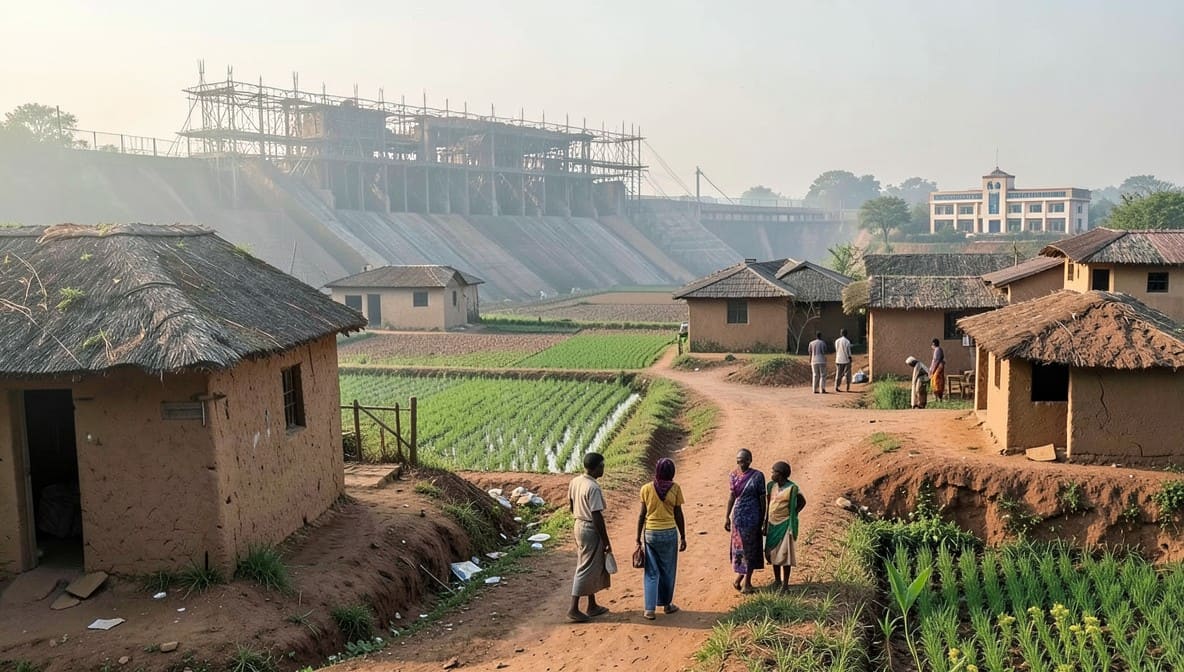
GO Compliance Mandatory | Allahabad HC Directs Three-Month Disposal of Kanhar Dam Rehabilitation Claims Under 2014 Order
Case Law Analysis
|Allahabad High Court

GO Compliance Mandatory | Allahabad HC Directs Three-Month Disposal of Kanhar Dam Rehabilitation Claims Under 2014 Order

Allahabad High Court reinforces that land oustees of the Kanhar Dam project are entitled to rehabilitation under the Government Order dated 30.10.2014, directing the District Magistrate to decide claims within three months. The ruling underscores strict compliance with rehabilitation commitments, impacting similarly situated oustees awaiting relief.

Section 138 NI Act | Compounding Permitted with 10% Cheque Amount Deposit : Allahabad HC Prioritizes Settlement Over Punishment
Case Law Analysis
|Allahabad High Court

Section 138 NI Act | Compounding Permitted with 10% Cheque Amount Deposit : Allahabad HC Prioritizes Settlement Over Punishment

Allahabad High Court allows compounding of cheque bounce offences under Section 138 NI Act upon deposit of just 10% of the cheque amount, reinforcing the Supreme Court's emphasis on compensatory over punitive measures. The ruling provides a pragmatic settlement route for accused while ensuring partial recovery for complainants, potentially reducing litigation burden in similar cases.

BNSS Section 528 | Non-Bailable Warrant Must Follow Summons & Bailable Warrant Failure: Allahabad HC Reaffirms Procedural Fairness
Case Law Analysis
|Allahabad High Court

BNSS Section 528 | Non-Bailable Warrant Must Follow Summons & Bailable Warrant Failure: Allahabad HC Reaffirms Procedural Fairness

Allahabad High Court rules that a non-bailable warrant (NBW) under BNSS Section 528 cannot be issued without first exhausting summons and bailable warrants. The court emphasized compliance with Supreme Court precedents, ensuring procedural fairness in criminal proceedings and protecting accused rights against arbitrary arrest.

CrPC Due Process Mandate | Non-Bailable Warrants Without Prior Summons Violate Fair Trial Rights : Allahabad HC
Case Law Analysis
|Allahabad High Court

CrPC Due Process Mandate | Non-Bailable Warrants Without Prior Summons Violate Fair Trial Rights : Allahabad HC

Allahabad HC sets aside non-bailable warrants issued without prior summons in IPC 406/420 cases, reinforcing that coercive action must follow procedural fairness. The ruling mandates notice before warrant issuance, protecting accused rights under CrPC and Article 21. Trial courts must now ensure compliance with this due process safeguard.

Section 302 IPC | Mere Enmity & Uncorroborated Eyewitness Testimony Insufficient for Murder Conviction : Allahabad HC
Case Law Analysis
|Allahabad High Court

Section 302 IPC | Mere Enmity & Uncorroborated Eyewitness Testimony Insufficient for Murder Conviction : Allahabad HC

Allahabad HC sets aside a murder conviction, ruling that enmity alone cannot establish motive, and eyewitness accounts lacking corroboration fail to meet the 'beyond reasonable doubt' standard. The judgment underscores that recovery of common items and non-production of key witnesses further weaken the prosecution's case, reinforcing the principle that suspicion cannot substitute legal proof.

Sections 419 & 420 IPC | Mere Possession of Forged Certificate Without Deception or Property Transfer Does Not Constitute Cheating: Allahabad HC Quashes Proceedings
Case Law Analysis
|Allahabad High Court

Sections 419 & 420 IPC | Mere Possession of Forged Certificate Without Deception or Property Transfer Does Not Constitute Cheating: Allahabad HC Quashes Proceedings

Allahabad HC holds that criminal proceedings under Sections 419 and 420 IPC cannot stand where the allegations fail to establish dishonest inducement, delivery of property, or harm. The ruling clarifies that procuring a forged document alone, without proof of fraudulent intent or resultant loss, does not meet the essential ingredients of cheating offences, preventing abuse of process.

Section 166(2) MV Act | Claim Petitions Can Be Filed Where Claimants Reside or Work : Allahabad HC Overturns Jurisdictional Dismissal
Case Law Analysis
|Allahabad High Court

Section 166(2) MV Act | Claim Petitions Can Be Filed Where Claimants Reside or Work : Allahabad HC Overturns Jurisdictional Dismissal

Allahabad High Court reinforces that motor accident claimants can file petitions either where the accident occurred or where they reside or work, as per Section 166(2) of the Motor Vehicles Act. The ruling sets aside a tribunal's dismissal for lack of territorial jurisdiction, emphasizing the claimant's statutory option and easing access to compensation for victims and dependents.

NDPS Act Section 29 | Confessional Statement of Co-Accused Inadmissible for Bail Denial : Allahabad HC
Case Law Analysis
|Allahabad High Court

NDPS Act Section 29 | Confessional Statement of Co-Accused Inadmissible for Bail Denial : Allahabad HC

Allahabad High Court reinforces that a co-accused's confessional statement under Section 29 of the NDPS Act cannot be used to deny bail to another accused, absent independent evidence linking them to the recovery. The ruling aligns with the Supreme Court's precedent in Toofan Singh, ensuring bail is not denied solely on the basis of a co-accused's confession.

POSH Act | Delayed Complaints Must Be Assessed on Merits with Reasoned Analysis: Allahabad HC Sets Aside Censure for Procedural Lapses
Case Law Analysis
|Allahabad High Court

POSH Act | Delayed Complaints Must Be Assessed on Merits with Reasoned Analysis: Allahabad HC Sets Aside Censure for Procedural Lapses

Allahabad High Court rules that Internal Complaints Committees (ICCs) cannot reject delayed complaints under the POSH Act without a reasoned analysis of merits. The court emphasized full compliance with natural justice principles, including recording complainant statements and allowing cross-examination, before concluding guilt. This ruling impacts workplace harassment inquiries across educational and research institutions.

JJ Act, 2000 | Juvenile Convictions Do Not Disqualify Passport Issuance Under Right to Fresh Start : Allahabad HC
Case Law Analysis
|Allahabad High Court

JJ Act, 2000 | Juvenile Convictions Do Not Disqualify Passport Issuance Under Right to Fresh Start : Allahabad HC

Allahabad HC holds that convictions under the Juvenile Justice Act, 2000, do not constitute a disqualification for passport issuance, as the statute's 'fresh start' principle and Article 21's right to travel override administrative refusals based on juvenile records. The ruling mandates passport authorities to disregard such convictions when assessing eligibility.

Article 22(1) | Written Grounds of Arrest Mandatory for Lawful Detention: Allahabad HC Quashes Illegal Remand & Imposes ₹10 Lakh Costs
Case Law Analysis
|Allahabad High Court

Article 22(1) | Written Grounds of Arrest Mandatory for Lawful Detention: Allahabad HC Quashes Illegal Remand & Imposes ₹10 Lakh Costs

Allahabad HC rules that failure to provide written grounds of arrest under Article 22(1) renders detention illegal, setting aside remand and imposing exemplary costs for three-month unlawful custody. The judgment reaffirms constitutional safeguards against arbitrary arrest, binding police and magistrates to strict procedural compliance.

Section 8A(6) MMDR Act | Deemed Extension Denied for Non-Compliance with Environmental & Mining Plan Requirements : Allahabad HC
Case Law Analysis
|Allahabad High Court

Section 8A(6) MMDR Act | Deemed Extension Denied for Non-Compliance with Environmental & Mining Plan Requirements : Allahabad HC

Allahabad HC rules that lessees failing to comply with environmental clearance and mining plan requirements cannot claim deemed extension under Section 8A(6) of the MMDR Act, even if renewal applications were filed. The judgment underscores strict adherence to statutory conditions for lease renewals, impacting mining operators across Uttar Pradesh.

Article 309 Overrides Central Council Regulations | State Recruitment Rules Prevail in Service Law Disputes : Allahabad HC
Case Law Analysis
|Allahabad High Court

Article 309 Overrides Central Council Regulations | State Recruitment Rules Prevail in Service Law Disputes : Allahabad HC

Allahabad HC rules that State recruitment rules under Article 309 of the Constitution override Central Council recommendations, barring post-selection challenges by candidates who participated without objection. The judgment reinforces the supremacy of State service laws in employment disputes, impacting public sector recruitment across India.

Rule 58 U.P. Minor Minerals Rules | State’s Delay in Lease Termination Violates Article 14; Royalty Liability Ceases Post-Mining Stoppage : Allahabad HC
Case Law Analysis
|Allahabad High Court

Rule 58 U.P. Minor Minerals Rules | State’s Delay in Lease Termination Violates Article 14; Royalty Liability Ceases Post-Mining Stoppage : Allahabad HC

Allahabad HC rules that the State’s unjustified delay in terminating a mining lease under Rule 58 of the U.P. Minor Minerals Rules, 1963, renders its action arbitrary and violates Article 14. The court held that royalty liability ceases once mining operations stop, and directed adjustment of ₹70 lakh deposits against earlier installments, setting a precedent for prompt State action in lease terminations.

Section 138 NI Act | Only Cheque Signatory Liable in Joint Account: Allahabad HC Rejects Vicarious Liability for Non-Signatories
Case Law Analysis
|Allahabad High Court

Section 138 NI Act | Only Cheque Signatory Liable in Joint Account: Allahabad HC Rejects Vicarious Liability for Non-Signatories

Allahabad HC clarifies that under Section 138 of the Negotiable Instruments Act, only the individual who signs the cheque can be prosecuted, shielding joint account holders who did not sign from liability. The ruling reinforces that vicarious liability under Section 141 NI Act does not extend to individuals in cheque dishonour cases.

Section 16(c) Specific Relief Act | Continuous Readiness & Willingness Must Be Proven Until Decree Execution Despite Vendor's Default: Allahabad HC
|Allahabad High Court

Section 16(c) Specific Relief Act | Continuous Readiness & Willingness Must Be Proven Until Decree Execution Despite Vendor's Default: Allahabad HC

Allahabad HC reinforces that a plaintiff seeking specific performance must prove uninterrupted readiness and willingness to perform contractual obligations, even if the vendor fails to fulfill conditions like obtaining freehold status. The court held that heirs cannot benefit from their predecessor's default, ensuring equitable enforcement of property sale agreements.