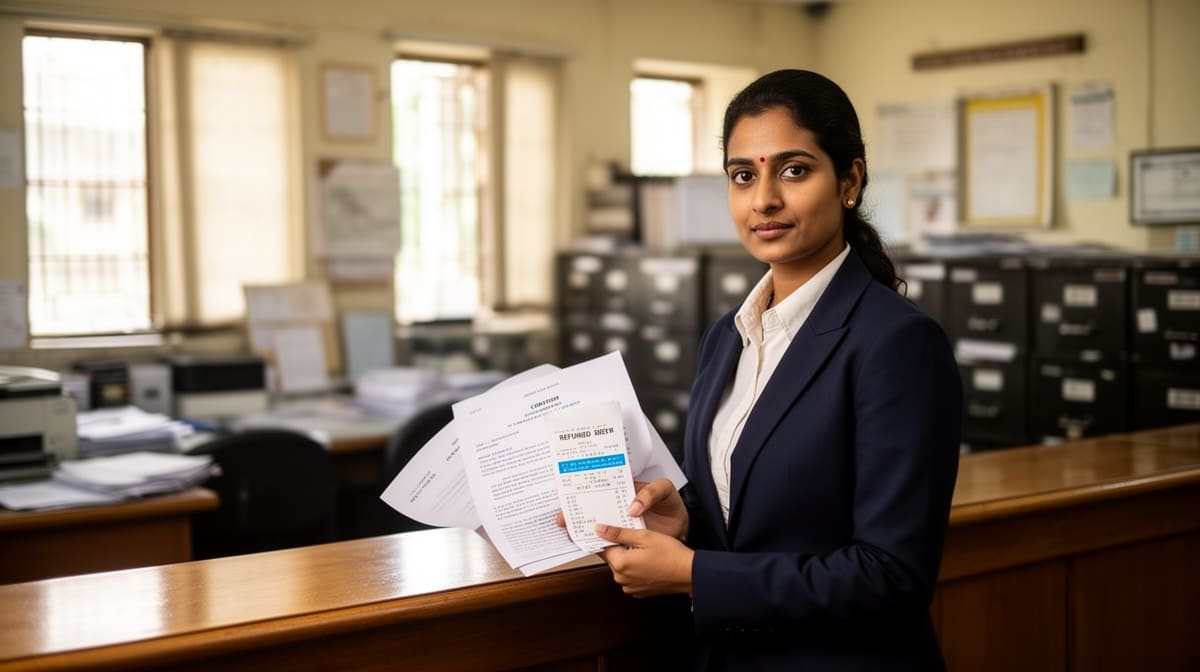
A landmark directive from the Bombay High Court has established that undue delay in refunding court fees constitutes a violation of the fundamental right to access justice. In a case resolved by consent, the Court went beyond adjudicating the parties' dispute to issue binding administrative directions to state authorities, setting strict timelines for refund processing - a rare but necessary intervention to remedy systemic inefficiencies.
Background & Facts
The Dispute
The suit, filed by seventeen plaintiffs including individuals and a welfare association, arose from a property development dispute with Surbhi Excel Reality LLP and Evo Borivali LLP. The matter was resolved through a comprehensive 137-page Consent Terms document, eliminating the need for a trial on merits.
Procedural History
- The suit was filed in 2025 under the Ordinary Original Civil Jurisdiction of the Bombay High Court.
- Parties filed a joint application to amend pleadings, impleading Evo Borivali LLP as Defendant No.6 and deleting Defendants Nos.12 to 14.
- On February 18, 2026, the parties submitted executed Consent Terms, which were duly recorded by the Court.
- The suit was decreed in terms of the Consent Terms, making the matter final.
Relief Sought
While the primary relief was resolution of the civil dispute, the plaintiffs raised systemic concerns regarding the prolonged delay - often exceeding one year - in the refund of court fees after court orders. They sought judicial intervention to enforce timely refunds.
The Legal Issue
The central question was whether prolonged delay in refunding court fees, despite a court order, violates the right to access justice under Article 21 of the Constitution, and whether the Court has the authority to issue binding administrative directions to state departments to remedy such systemic failure.
Arguments Presented
For the Petitioner
Counsel for the plaintiffs argued that the right to access justice includes not only the ability to file a suit but also the right to have procedural costs refunded without unreasonable delay. They cited State of Maharashtra v. Manubhai Pragjibhai Patel to emphasize that procedural delays that frustrate the purpose of litigation amount to denial of justice. The plaintiffs highlighted that court fees are not taxes but deposits, and their retention without timely refund amounts to unjust enrichment of the state.
For the Respondent
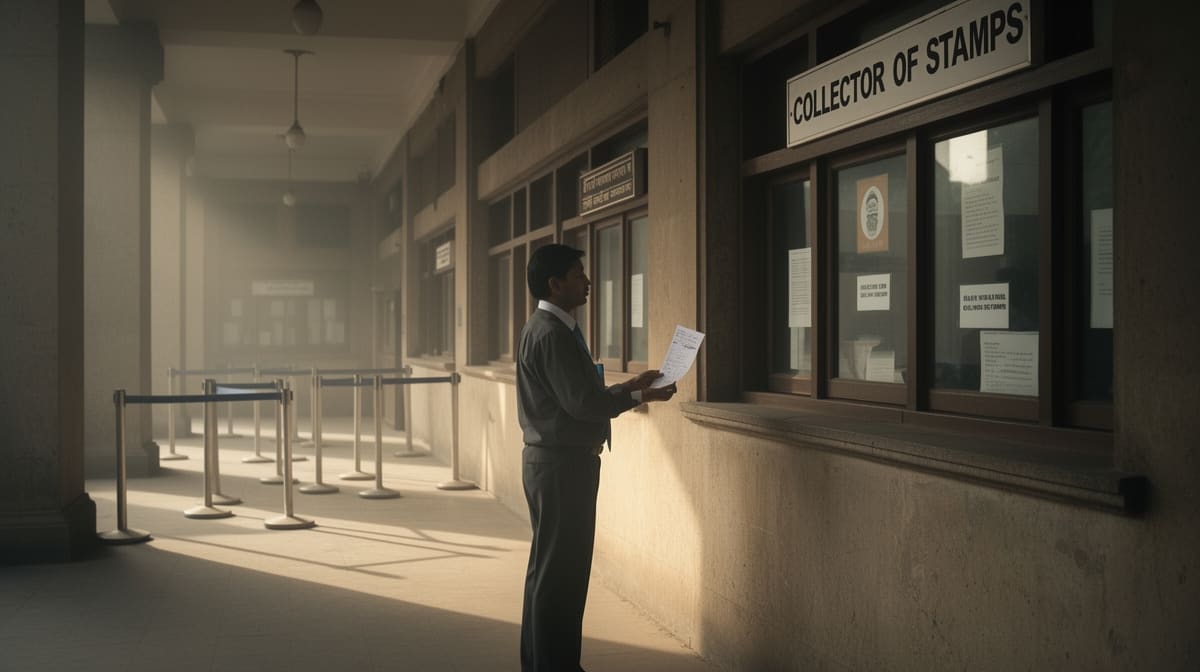
The defendants, having settled the suit, did not oppose the request. The State authorities were not represented in court, but the Court noted from prior litigants’ complaints that the refund process involves multiple bureaucratic layers - Collector of Stamps, Pay and Accounts Department, and administrative inertia - with no fixed timelines.
The Court's Analysis
The Court examined the nature of court fees under the Court Fees Act, 1870, and recognized that while the fee is a statutory requirement, its refund is a procedural right tied to the outcome of litigation. The Court held that delay in refund is not a mere administrative lapse but a constitutional concern.
"The litigant who has successfully concluded litigation is entitled to the return of the money deposited as court fees without being subjected to a labyrinthine, multi-month process that defeats the very purpose of the refund mechanism."
The Court rejected the notion that such delays are beyond judicial oversight, citing K.S. Puttaswamy v. Union of India to affirm that state machinery must function with reasonable expedition to uphold fundamental rights. It emphasized that Article 21 encompasses not just substantive rights but also procedural fairness, including timely redressal of financial obligations owed by the state to litigants.
The Court further noted that the delay was not isolated but systemic, with numerous litigants reporting waits of over a year. This pattern, the Court held, reflects institutional disregard for litigants’ rights and warrants judicial intervention under its inherent powers under Section 151 CPC and its writ jurisdiction under Article 226.
The Verdict
The plaintiffs prevailed. The Court held that refund of court fees must be completed within four weeks of the court’s order, with the Collector of Stamps and Pay and Accounts Department bound by strict timelines. The suit was decreed in terms of the Consent Terms, and the Court issued binding directions to ensure compliance.
What This Means For Similar Cases
Refund Timelines Are Now Legally Enforceable
- Practitioners may now cite this order to demand compliance with the four-week refund window in any High Court decree involving court fee refund.
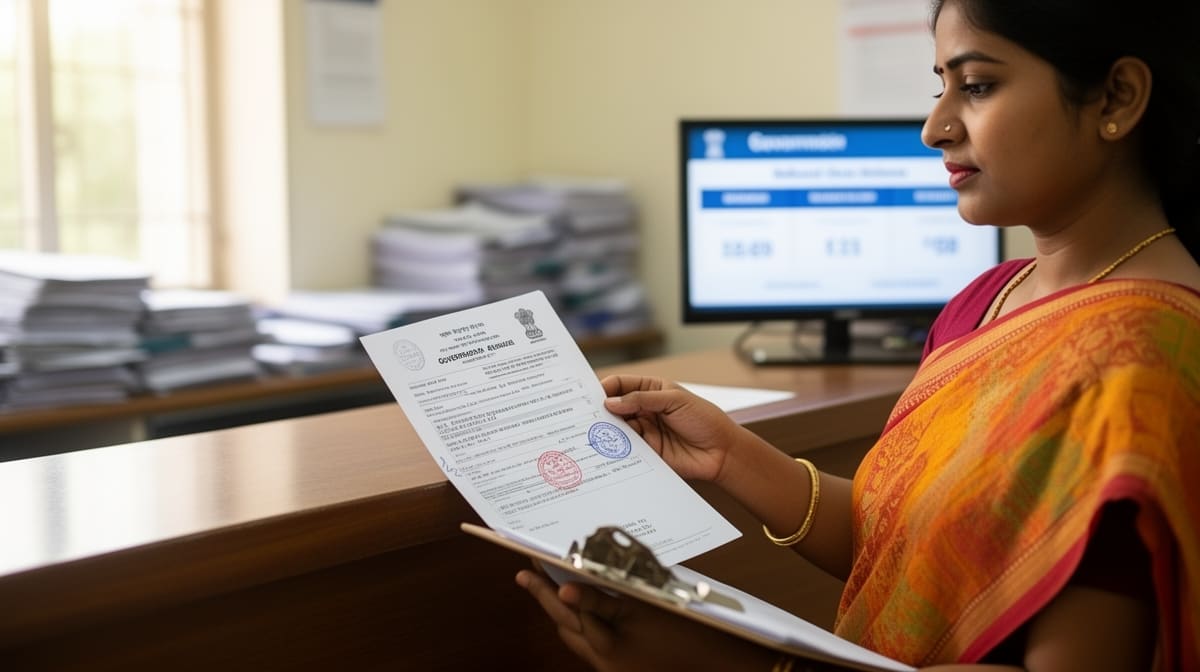
- A server copy of the order, along with the refund certificate, is sufficient for initiating the refund process - no additional applications are required.
State Departments Are Now Accountable
- The Collector of Stamps and Pay and Accounts Department are now under direct judicial supervision for refund processing.
- Non-compliance can be challenged through contempt proceedings or a fresh writ petition citing this judgment as binding precedent.
Broader Implications for Procedural Justice
- This ruling sets a precedent for challenging other systemic delays in court-related financial processes, such as refund of security deposits or stamp duty adjustments.
- Law firms should now include a checklist for court fee refund timelines in post-litigation protocols to protect client interests.