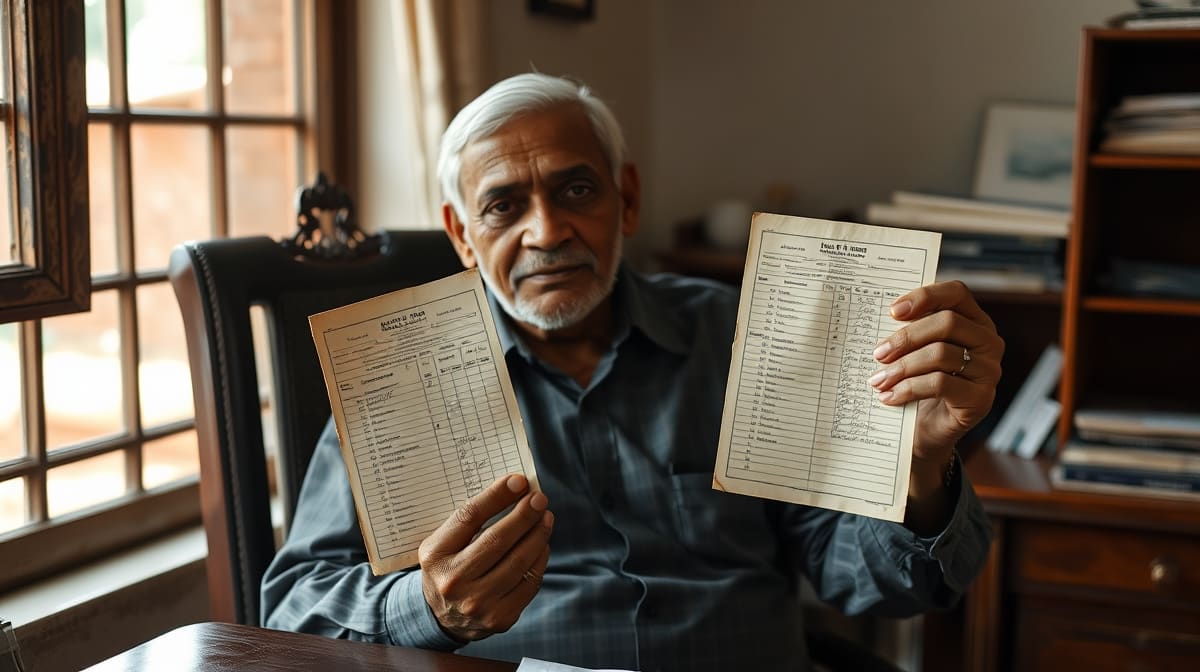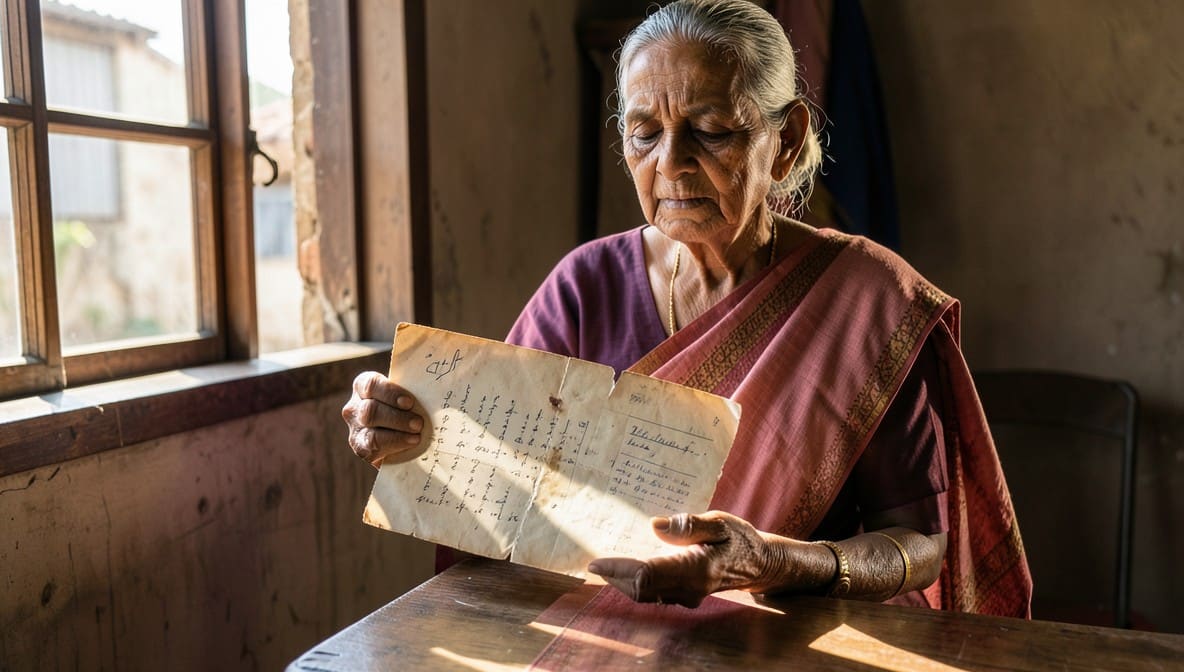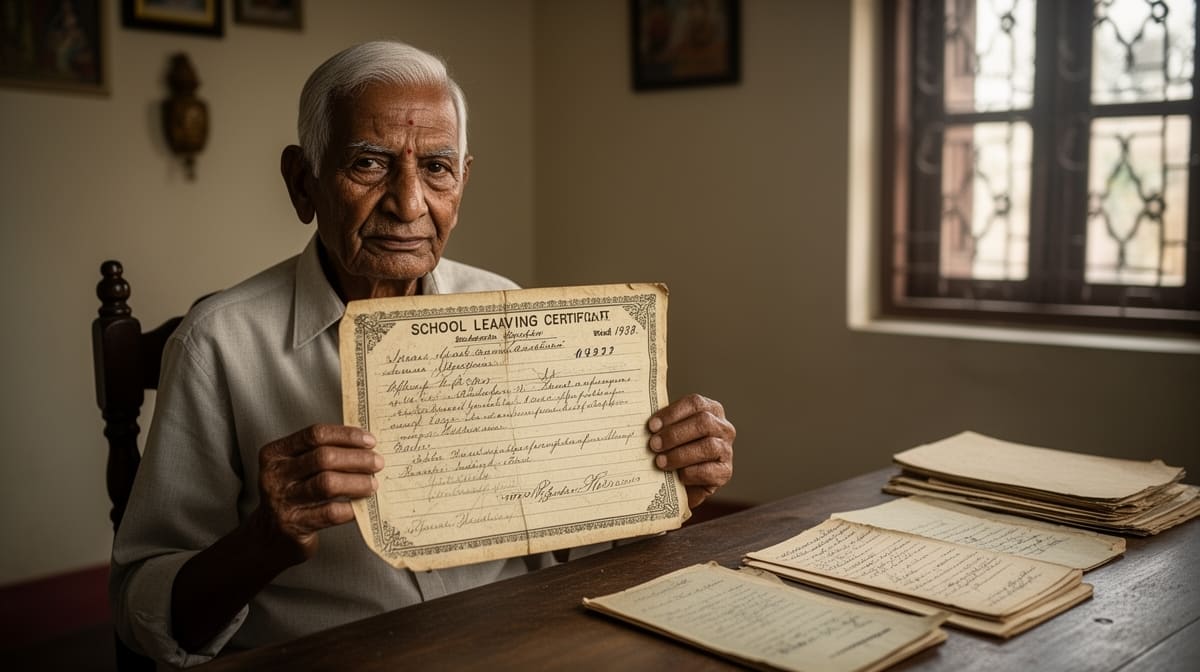
A landmark ruling by the Bombay High Court has clarified that the assertion of Christian faith by an individual or their ancestors does not, by itself, extinguish their claim to Scheduled Caste status under Indian constitutional law. The judgment underscores that caste identity, once established through verifiable documentary evidence, cannot be nullified by speculative inferences, religious symbolism, or uncorroborated witness testimony. This decision reinforces the primacy of objective records over subjective assumptions in caste verification proceedings.
Background & Facts
The Dispute
The petitioner, a 19-year-old student from Akola, sought validation of his claim to the 'Mang' caste, which is recognized as a Scheduled Caste under the Maharashtra Scheduled Castes List. His application was rejected by the District Caste Certificate Verification Committee on grounds that his grandfather and father had allegedly converted to Christianity, thereby disqualifying him under Entry 196 of the Other Backward Classes list.
Procedural History
The case progressed through the following stages:
- 2023: The District Caste Certificate Verification Committee rejected the petitioner’s application.
- Vigilance Cell Report: The Committee relied on a report indicating that the petitioner’s grandfather’s school record listed his religion as 'Christian' and that two witnesses claimed the family professed Christianity.
- Petitioner’s Reply: The petitioner submitted multiple documents, including school leaving certificates from 1932 and 1934 showing his great-grandfather and great-uncle as 'Mang', a 2009 pastor’s certificate affirming his caste as 'Matang', and service records of his father and other relatives listing caste as 'Mang' (S.C.).
- Writ Petition: Filed under Article 226 of the Constitution challenging the Committee’s order as arbitrary and contrary to established legal principles.
Relief Sought
The petitioner sought quashing of the impugned order and a direction to issue a valid Scheduled Caste certificate recognizing his claim to the 'Mang' caste.
The Legal Issue
The central question was whether acceptance of Christianity by an ancestor, without proof of formal conversion such as baptism or community excommunication, automatically disqualifies a descendant from claiming Scheduled Caste status under the Maharashtra Act No. XXIII of 2001.
Arguments Presented
For the Petitioner
The petitioner’s counsel relied on multiple precedents to argue that:
- Mere entries in school records listing religion as 'Christian' do not constitute proof of conversion, especially where such entries are inconsistent with other official documents.
- No evidence of baptism or formal religious rites was produced by the Committee.
- Presence of Christian symbols (e.g., cross, bust of Jesus) in a home is insufficient to infer religious conversion.
- The Maharashtra Act No. XXIII of 2001 and its rules do not mandate automatic disqualification upon religious change unless there is clear evidence of renunciation of caste identity.
- Precedents in Bhanudas Hona Gajbhiv, Parvi Ashish Chakravarti, and Suvarna d/o Vijay Kharat established that caste status is determined by lineage and social practice, not religious affiliation alone.
For the Respondent/State
The State contended that:
- The grandfather and father of the petitioner had adopted Christianity, as evidenced by school records and witness statements.
- Entry 196 of the OBC list explicitly excludes Scheduled Castes who have converted to Christianity.
- The Vigilance Cell’s findings, though circumstantial, collectively indicated a shift in religious identity.
- The petitioner’s family name patterns (e.g., 'Daniel Agamane', 'Colvin Sathe') suggested Christian naming conventions.
The Court's Analysis
The Court conducted a meticulous review of the documentary record and applied the triple test for caste verification: (1) ancestral lineage, (2) social recognition, and (3) absence of formal renunciation.
"There is absolutely nothing on record to come to the conclusion that the father of the petitioner was converted to Christianism and has relinquished Hindu faith. There is nothing to suggest that the father of the petitioner or his family have been outcaste and excommunicated and that they have snapped ties with Hinduism."
The Court emphasized that conversion to Christianity must be proven by affirmative acts, such as baptism, church membership, or community rejection - not by inference from school records or home decor. The Committee had failed to verify the authenticity of the 'Christian' entry in the 1962 school record, despite the existence of a valid caste certificate issued to the same individual in 1962 listing him as 'Mang' (S.C.).
The Court distinguished the Supreme Court’s decision in C. Selvarani on the grounds that it involved actual baptism records, registered Christian marriages, and formal church documentation - all absent in the present case. The presence of a cross or Jesus bust, as held in Suvarna d/o Vijay Kharat, is not a conclusive indicator of religious conversion.
The Court further held that vigilance inquiries are discretionary, not mandatory, and cannot override clear documentary evidence of caste lineage. The Committee’s reliance on uncorroborated witness testimony, which itself contradicted prior statements, rendered its findings perverse and arbitrary.
The Verdict
The petitioner won. The Court held that mere religious affiliation or symbolic adoption of Christian practices does not extinguish Scheduled Caste status under the Maharashtra Act No. XXIII of 2001. The impugned order was quashed, and the Committee was directed to issue a valid caste certificate to the petitioner within two months.
What This Means For Similar Cases
Documentary Evidence Prevails Over Speculative Inference
- Practitioners must insist that caste verification committees rely on authentic, contemporaneous documents - such as school records, service books, and ancestral certificates - rather than hearsay or symbolic indicators.
- Any rejection based on religious entries must be supported by conclusive proof of baptism or formal renunciation.
Baptism Is the Legal Threshold for Conversion
- No baptism = no legal conversion for caste purposes. The burden lies on the state to produce ecclesiastical records or official church documentation.
- Courts will not accept naming conventions (e.g., 'Daniel', 'Colvin') as evidence of religious change without corroborating proof.
Vigilance Enquiries Are Not Mandatory
-
Committees cannot delay or deny caste certification pending vigilance inquiries if prima facie documentary evidence exists.
-
The Tejashree Mangilal Dambale precedent now binds all caste verification bodies: satisfaction of the committee, not procedural formalities, is decisive.
-
Practitioners should file writ petitions where committees rely on unverified witness statements or symbolic evidence.
-
Applications for caste certificates should be accompanied by at least three generations of caste-affirming documents to preempt arbitrary rejections.
-
Legal aid clinics should train applicants to preserve and submit original school leaving certificates and service records as primary evidence.