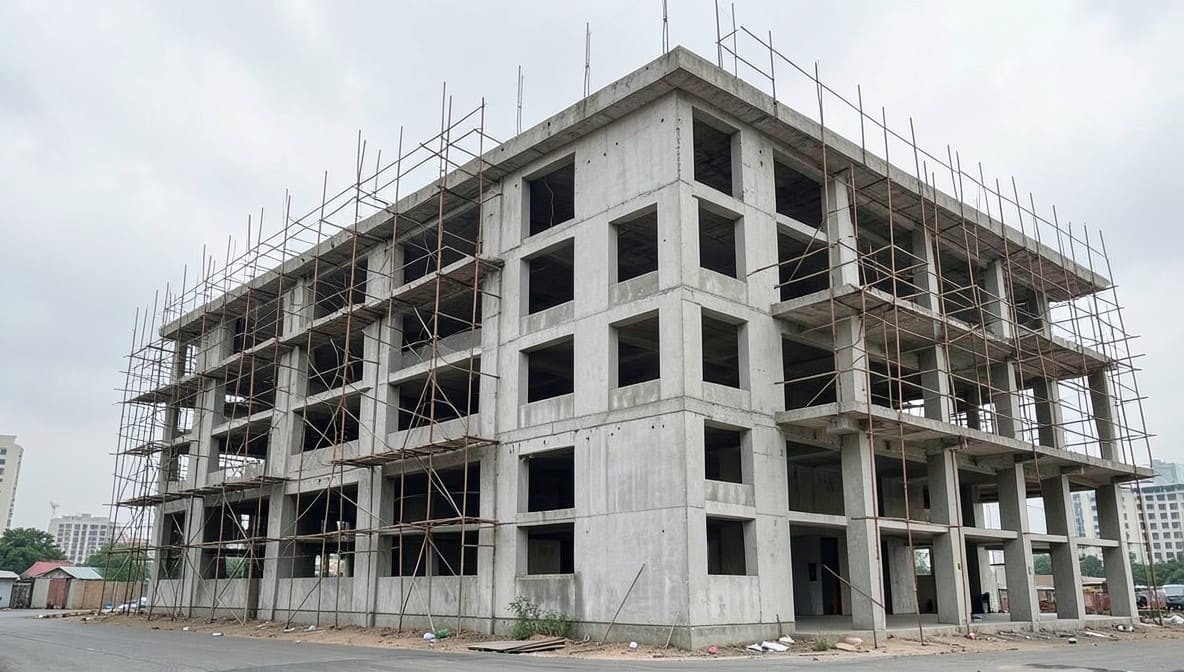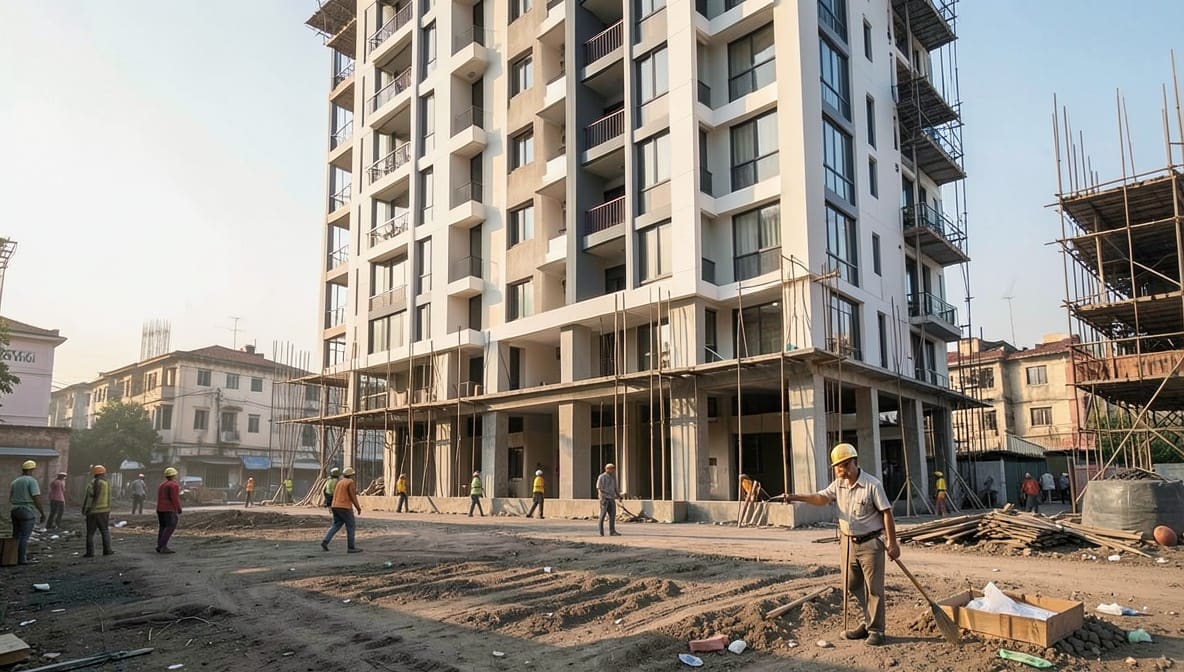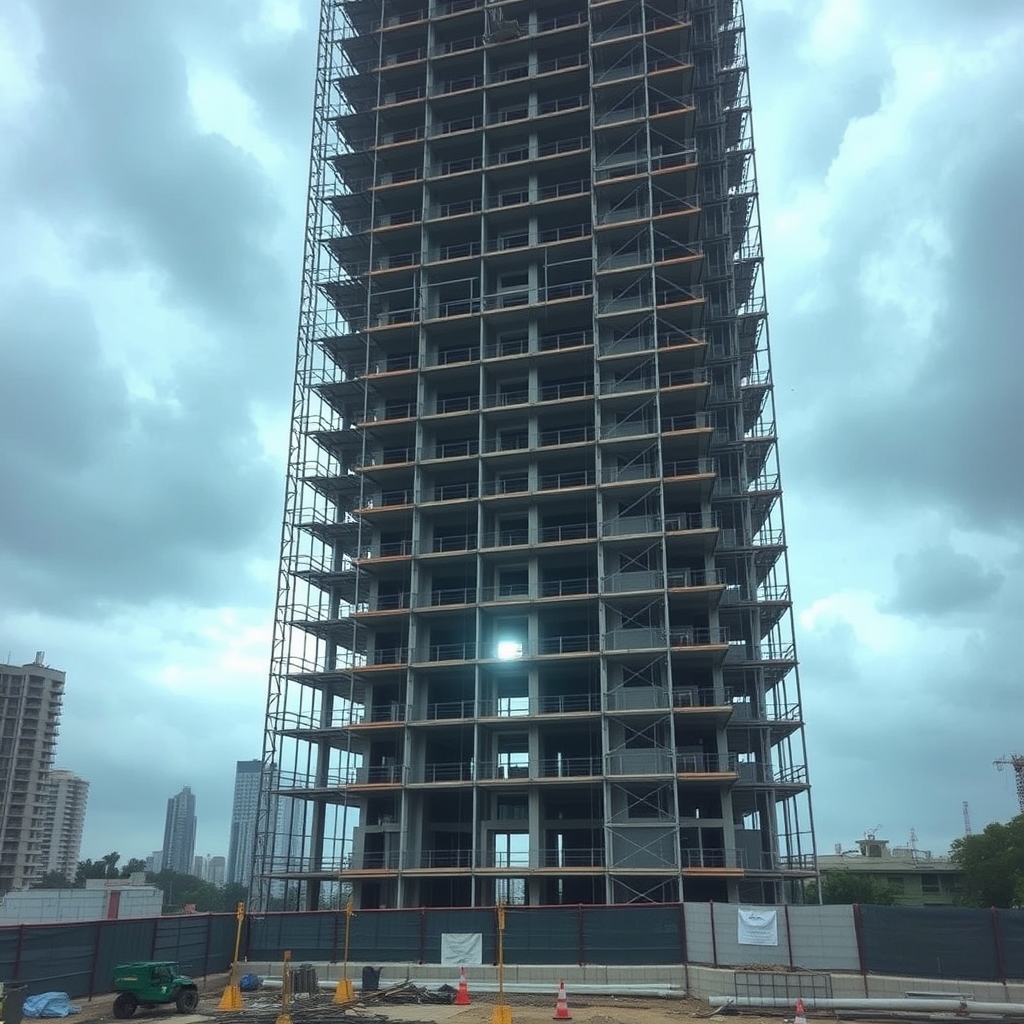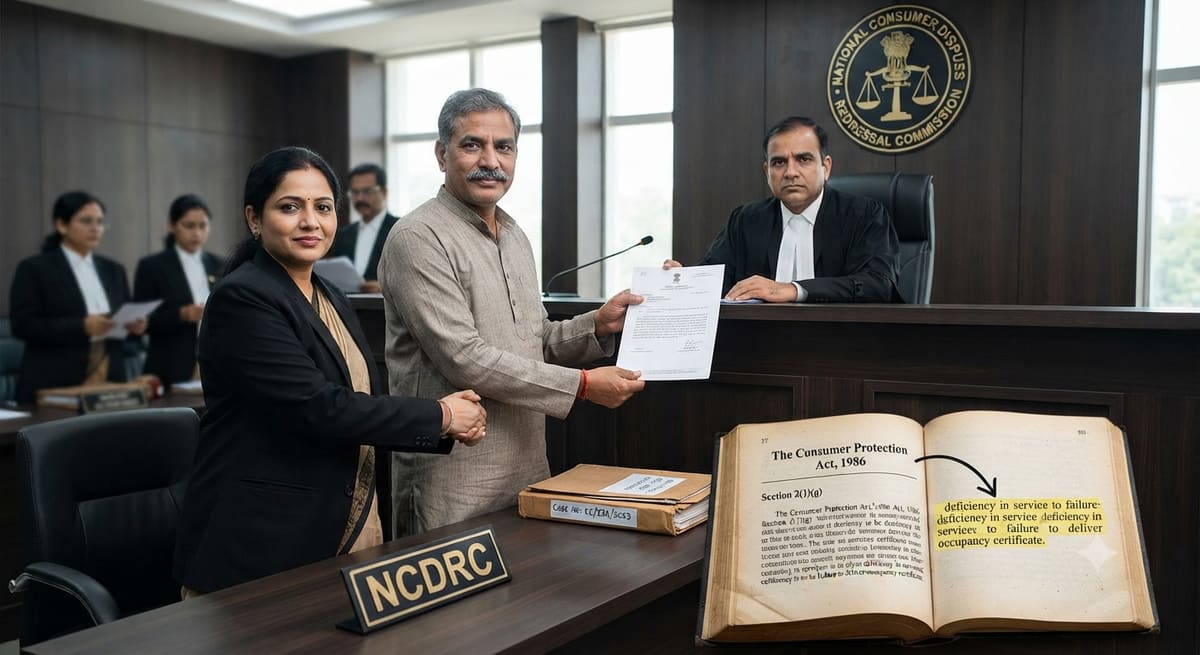
The Delhi State Consumer Commission has unequivocally held that a real estate developer cannot lawfully offer possession of a unit without obtaining mandatory completion and occupancy certificates. This judgment reinforces the statutory obligation of builders to comply with regulatory norms, and establishes that failure to do so constitutes a clear deficiency in service under the Consumer Protection Act, 1986. The ruling provides critical relief to homebuyers who have been denied possession despite full payment.
Background & Facts
The Dispute
The complainant, Mrs. Varsha Wadhawan, purchased a 500 sq. ft. unit on the fifth floor of the project titled "The Globus" at Plot No. 22, Knowledge Park, Greater Noida, developed by Arn Infrastructures Pvt. Ltd. The purchase was made pursuant to a Memorandum of Understanding (MOU) dated 07.08.2008, wherein the developer undertook to deliver vacant and peaceful possession of the unit by March 2010. In addition, the developer committed to paying the complainant a monthly return of Rs. 22,750 (less TDS) from September 2008 until possession was handed over.
Key Facts
- The complainant paid a total amount of Rs. 11,67,600 at the time of executing the MOU on 07.08.2008.
- An additional amount of Rs. 81,440 was later demanded by the developer on 28.08.2010 for lease rent and electrification charges, bringing the total payment to Rs. 12,49,040.
- Monthly committed returns were paid until March 2011, after which payments ceased without explanation.
- The developer issued a letter dated 31.08.2010 claiming the project was "complete and ready for occupation" and invited the complainant to collect an "Occupancy Letter" on 14.10.2010.
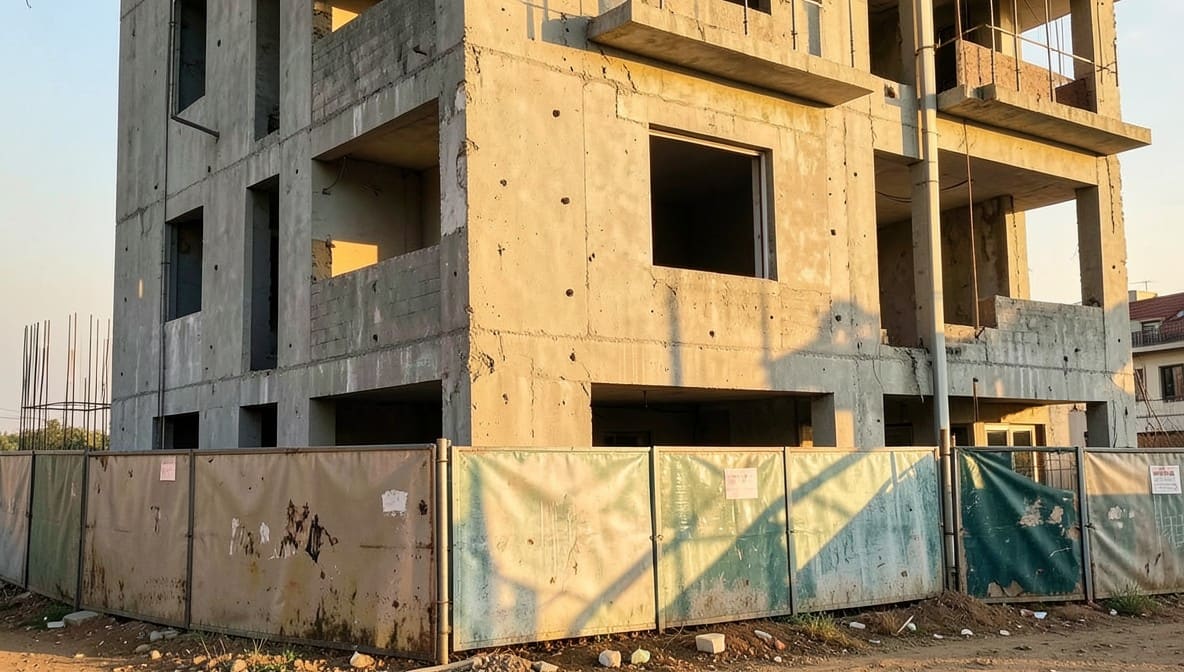
- The complainant was never granted physical possession of the unit. The space remained unmarked, undemarcated, and insecure.
- The developer produced only a "conditional part-occupancy certificate" dated 01.09.2010 from GNIDA, which did not specify the building or unit covered.
- No completion certificate or final occupancy certificate was ever produced by the developer.
- The complainant sent a legal notice dated 08.03.2013 demanding possession and payment of arrears, which was ignored.
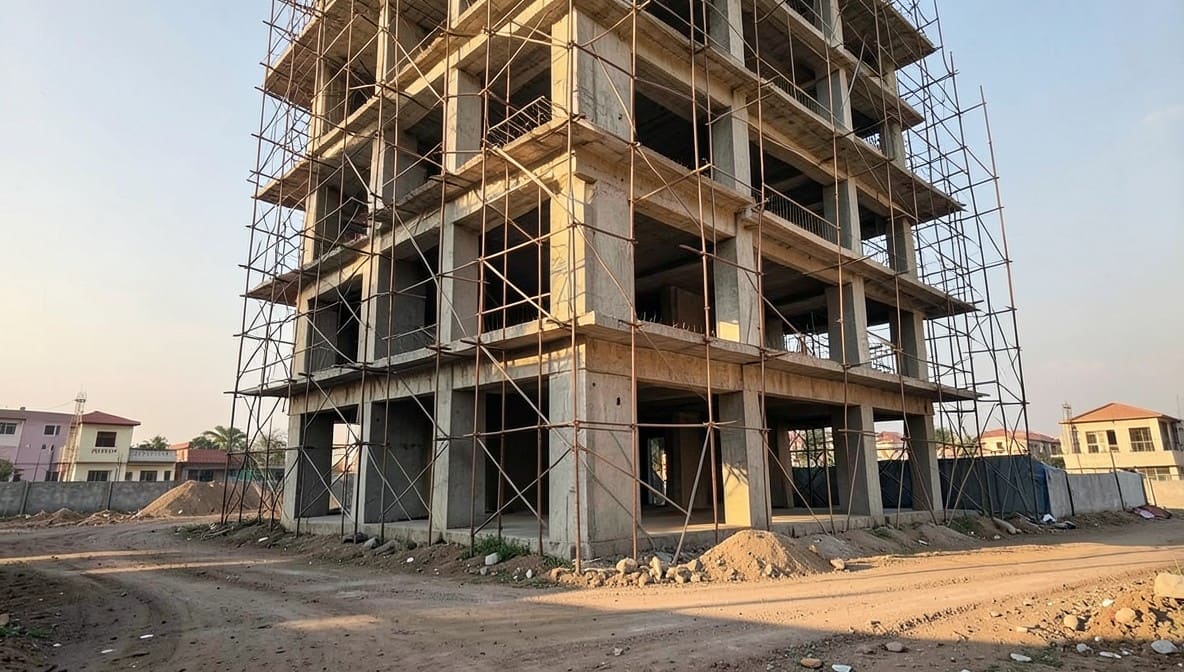
- Photographs dated 12.05.2015 and public notices from GNIDA dated 22.11.2014 confirmed the project remained incomplete.
- Minutes of a meeting held on 05.12.2011 between investors and the developer confirmed the project was not complete as of 2010.
Procedural History
- 07.08.2008: MOU executed between complainant and developer.
- 01.09.2010: Developer issued conditional part-occupancy certificate.
- 31.08.2010: Developer issued letter claiming project completion.
- March 2011: Monthly committed returns ceased.
- 08.03.2013: Legal notice sent by complainant.
- 17.04.2013: Complaint filed before Delhi State Consumer Disputes Redressal Commission.
- 16.02.2026: Final hearing conducted.
- 11.05.2026: Judgment pronounced.
The Parties' Positions
Complainant: Argued that the project was never completed, no valid occupancy or completion certificate was issued, and physical possession was never delivered. The developer’s reliance on a conditional part-occupancy certificate was legally insufficient. The monthly committed return was a contractual obligation, not a gift, and its non-payment constituted breach.
Respondent (Developer): Contended that the complainant was not a consumer as the unit was purchased for commercial investment purposes. It further claimed the project was completed by September 2010, and the failure to lease the space was due to the global IT industry recession, invoking force majeure. It argued that the MOU’s obligation to facilitate leasing was frustrated by circumstances beyond its control.
Relief Sought
The complainant sought:
- Vacant and peaceful possession of the unit complete in all respects.
- Compensation of Rs. 20,00,000 for mental agony and harassment.
- Payment of Rs. 5,46,000 as arrears of monthly committed returns from April 2011 to March 2013, with 18% interest.
- Continuing monthly payments of Rs. 22,750 from April 2013 until possession, with 18% interest.
- Costs of litigation.
The Legal Issue
The central questions were: (1) Whether a person purchasing a residential unit for self-use or investment qualifies as a "consumer" under the Consumer Protection Act, 1986, and (2) Whether a real estate developer’s failure to obtain mandatory completion and occupancy certificates constitutes a deficiency in service, even if the structure is physically built.
Arguments Presented
For the Appellant/Petitioner
The complainant relied on Narinder Kumar Bairwal v. Ramprastha Promoters (NCDRC, 2019), which held that the burden lies on the developer to prove commercial intent, and mere allegations are insufficient. She argued that the MOU did not indicate any intent to resell, and the unit size (500 sq. ft.) was consistent with residential use. She cited Treaty Construction v. Ruby Tower Co-op Housing Society (AIR 2019 SC 3676) and Dharmendra Sharma v. Agra Development Authority (2025) 1 SCC 422 to establish that possession without statutory certificates is illegal and amounts to deficiency in service. She emphasized that the developer’s failure to produce any valid completion certificate was a statutory violation.
For the Respondent/State
The developer argued that the complainant was an investor, not a consumer, as she purchased the unit to earn rental income from an IT/ITeS project. It invoked force majeure due to the global IT recession, claiming the inability to lease the space was unforeseeable. It relied on Ashok Thapar v. Supreme Indosaigon Associates and Smt. Sharda Mahajan v. Maple Leaf International to argue that the MOU’s leasing obligation was contingent on market conditions. It contended that the part-occupancy certificate was sufficient and that the complaint was barred by limitation.
The Court's Analysis
The Commission first addressed the issue of consumer status. It held that the burden to prove commercial intent rests squarely on the developer, and the mere assertion that the unit was bought for investment is insufficient without documentary evidence of regular trading activity. The complainant’s purchase of a single 500 sq. ft. unit for use or income generation did not establish a business purpose. The Commission relied on Narinder Kumar Bairwal to reject the developer’s objection.
On the core issue of deficiency in service, the Commission conducted a rigorous analysis of statutory obligations. It emphasized that the Supreme Court in Dharmendra Sharma and Treaty Construction had unequivocally held that possession without a completion certificate and occupancy certificate is illegal and constitutes a deficiency in service. The Commission noted that the developer had not produced any valid completion certificate, only a vague, conditional part-occupancy certificate that did not specify the unit or building.
"No house can be allowed to be occupied without obtaining the requisite Occupancy Certificate."
The Commission further observed that the developer’s letter dated 31.08.2010, claiming completion, was misleading and legally invalid without statutory certifications. The failure to obtain these documents was not merely procedural - it was a breach of statutory duties under municipal building codes and regulatory frameworks. The developer’s reliance on economic recession as a defense was rejected, as it did not absolve it of its primary obligation to comply with building regulations.
The Commission also rejected the limitation defense, noting that the cause of action continued as long as the unit remained incomplete and possession withheld. The ongoing failure to deliver possession and pay committed returns constituted a continuing breach.
The Verdict
The complainant succeeded on all material grounds. The Commission directed:
- The developer to refund Rs. 12,49,040 to the complainant within 60 days.
- The developer to pay Rs. 22,750 per month as committed return from April 2011 until the date of actual payment, to be settled within 60 days.
- The developer to pay interest at 6% per annum on each monthly committed return from the date it became due until actual payment.
- If the developer defaults on the above payments, it shall pay additional interest at 9% per annum until full settlement.
- The developer to pay Rs. 1,00,000 as compensation for mental agony and harassment.
- The developer to pay litigation costs of Rs. 50,000.
All directions are to be complied with within 60 days of the judgment date (11.05.2026).
What This Means For Similar Cases
Completion Certificate Is Non-Negotiable
- Practitioners must now argue that any offer of possession without a valid completion certificate and occupancy certificate is legally void, regardless of physical readiness.
- Developers cannot rely on part-occupancy certificates, provisional approvals, or internal letters as substitutes for statutory certifications.
- Buyers can claim deficiency in service even if the structure is built, if regulatory clearances are missing.
Committed Returns Are Contractual Obligations
- Monthly returns promised in MOUs are enforceable contractual obligations, not gifts or incentives.
- Non-payment constitutes breach, and interest can be claimed from the due date, not merely from the date of complaint.
- Courts will not accept economic downturns as a defense to contractual payment obligations unless explicitly covered by a force majeure clause with clear applicability.
Burden of Proof Lies with the Developer
- Developers must produce documentary evidence to prove commercial intent to defeat consumer status.
- Mere allegations of investment purpose will not suffice - courts require proof of regular trading or business activity.
- This judgment strengthens the position of individual buyers in real estate disputes, especially where developers delay or evade statutory compliance.