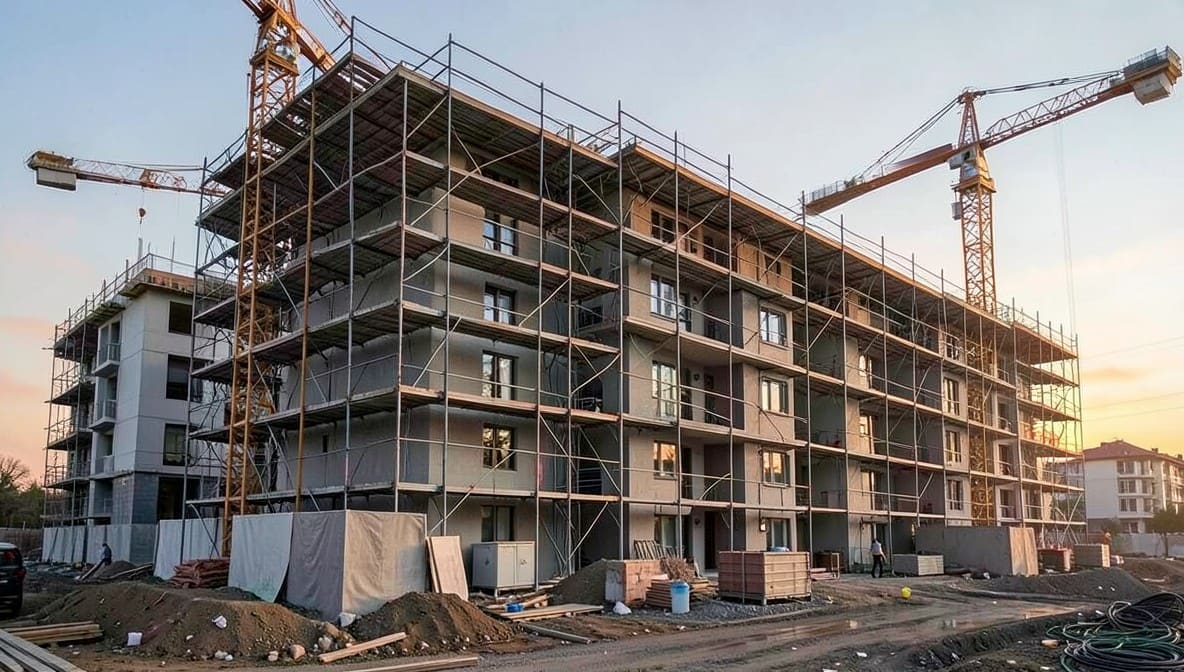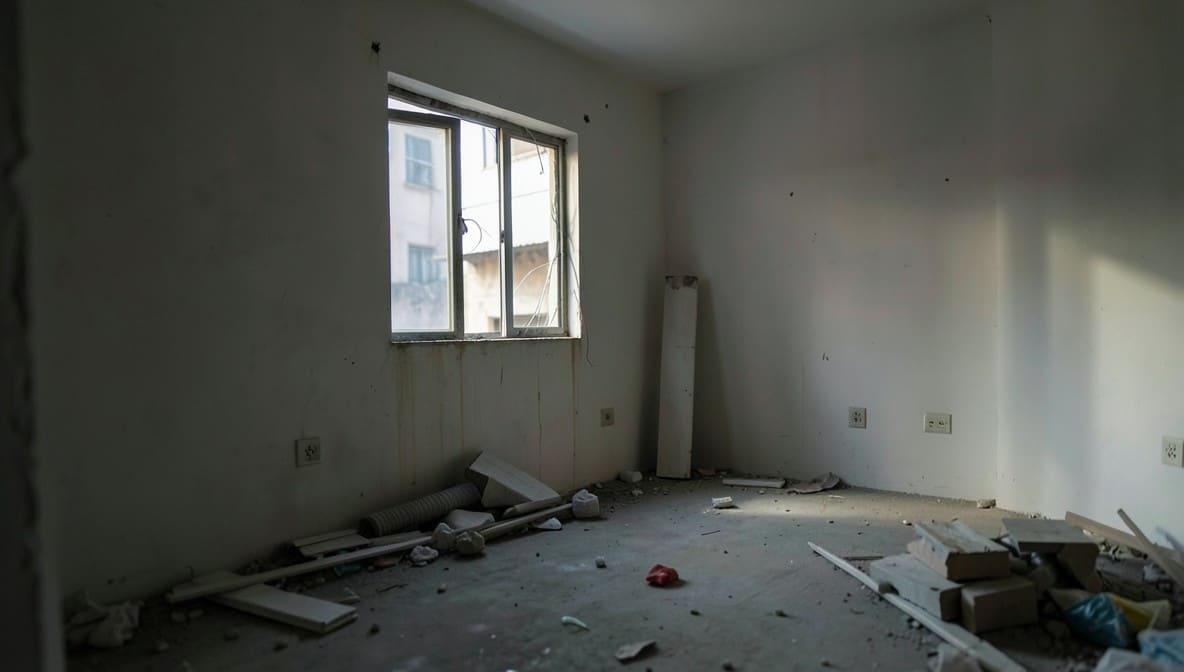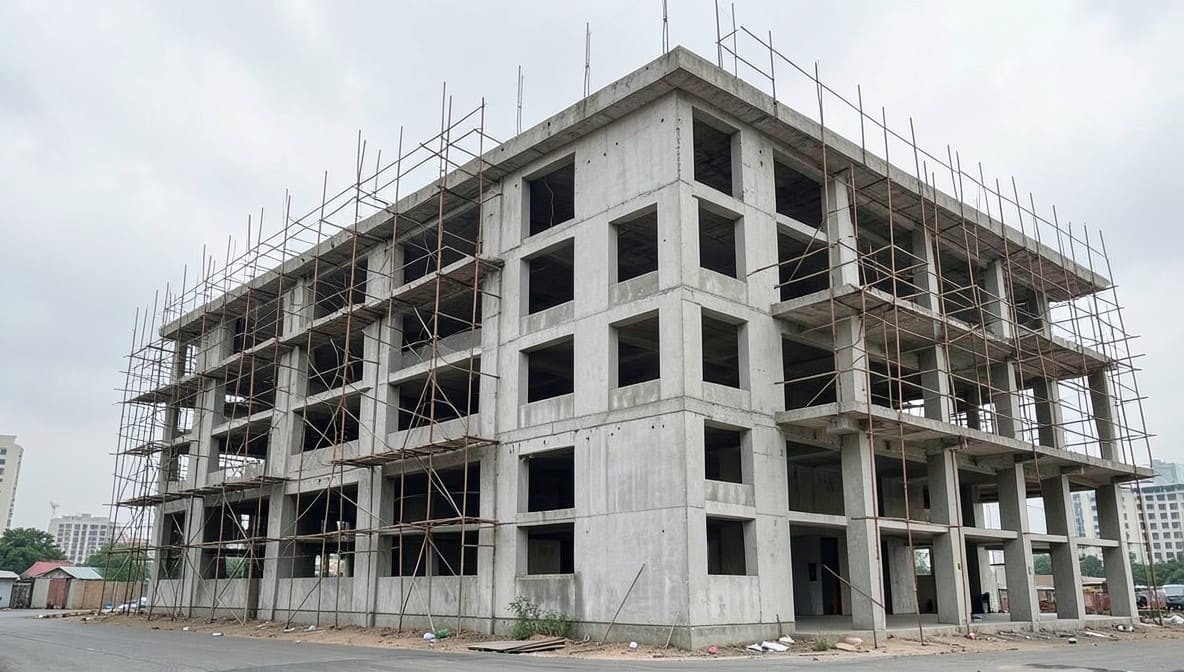
The Delhi State Consumer Disputes Redressal Commission has unequivocally held that a real estate developer cannot lawfully hand over possession of a unit without obtaining mandatory completion and occupancy certificates from statutory authorities. This ruling reinforces the principle that statutory compliance is non-negotiable in real estate transactions, and failure to meet these requirements constitutes a clear deficiency in service under the Consumer Protection Act, 1986.
Background & Facts
The Dispute
The complainant, Mr. Pulkit Mehta, purchased a 1000 sq. ft. unit on the ground floor of "The Globus" - a commercial IT/ITeS project developed by Arn Infrastructures Pvt. Ltd. - through a Memorandum of Understanding (MOU) dated 23.04.2008. The project was located on Plot No. 22, Knowledge Park, Greater Noida. The developer promised that the entire complex would be completed and ready for occupation by September 2010. In return for the complainant’s upfront investment, the developer undertook to pay a monthly committed return of Rs. 40,500 (less TDS) from April 2010 until physical possession was handed over.
Key Facts
- The complainant paid Rs. 20,00,000 on 23.04.2008 at the time of signing the MOU.
- On 31.08.2010, the developer issued a letter claiming the project was "complete and ready for occupation" and invited the complainant to pay an additional Rs. 2,77,760 for lease rent, electrification, and area enhancement.
- The complainant paid the additional amount, bringing total payments to Rs. 22,77,760.
- The developer issued a letter of occupation dated 14.10.2010, unilaterally terminating the monthly committed return, despite no valid completion or occupancy certificate being produced.
- The complainant received monthly committed returns only until March 2011 and has received none since.
- The developer claimed to have obtained a "conditional part-occupancy certificate" from GNIDA dated 01.09.2010, but failed to produce it in evidence.
- The complainant sent a legal notice dated 08.03.2013 demanding possession and payment of arrears, which was ignored.
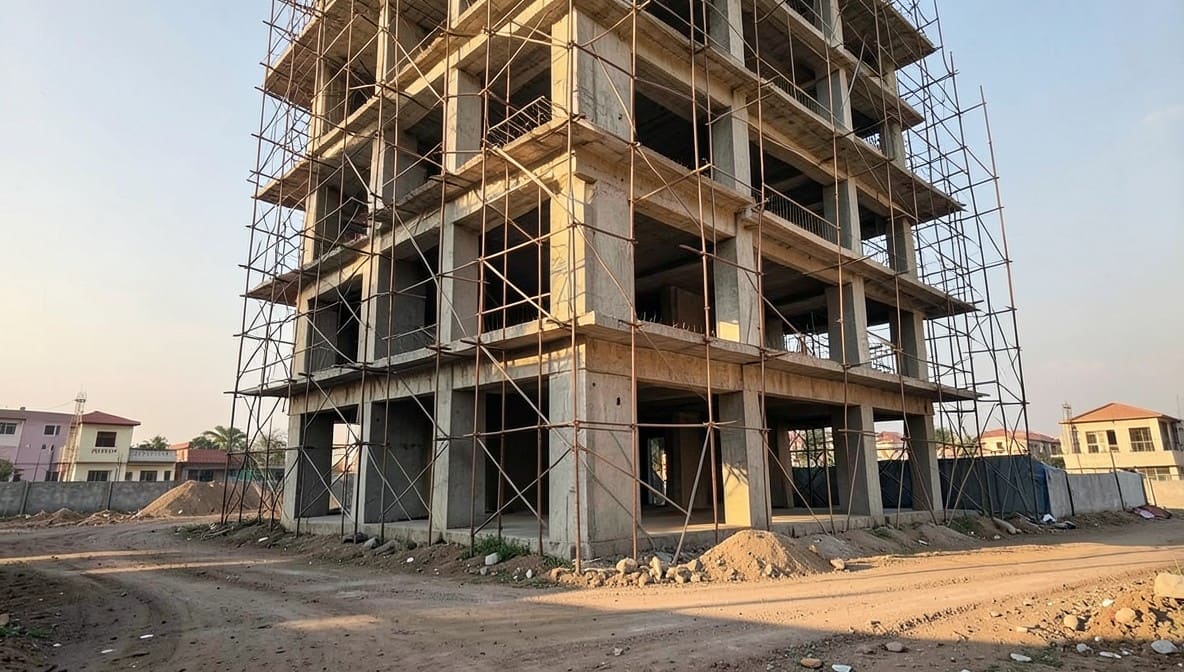
- Photographs dated 12.05.2015 and public notices from GNIDA dated 22.11.2014 confirmed the project remained incomplete.
- Minutes of a meeting held on 05.12.2011 between investors and the developer confirmed the project was not complete as of 2010.
Procedural History
- 23.04.2008: MOU executed between complainant and Arn Infrastructures Pvt. Ltd.
- 01.09.2010: Developer claims issuance of conditional part-occupancy certificate by GNIDA.
- 14.10.2010: Developer issues letter of occupation and demands additional payment.
- March 2011: Last monthly committed return paid.
- 08.03.2013: Legal notice sent by complainant.
- 25.03.2013: Complaint filed before Delhi State Consumer Disputes Redressal Commission.
- 02.02.2026: Final hearing conducted.
- 11.05.2026: Judgment pronounced.
The Parties' Positions
Complainant: Argued that the project was never completed, no valid occupancy or completion certificate was issued, and possession was never lawfully offered. The monthly committed return was a contractual obligation tied to possession, not a rent or profit-sharing arrangement. The developer’s refusal to produce statutory documents constituted unfair trade practice and deficiency in service.
Respondent (Arn Infrastructures): Contended that the complainant was not a consumer as the unit was purchased for commercial investment, not personal use. It claimed the project was completed by September 2010 and that the failure to lease the space was due to the global IT recession - a force majeure event beyond its control. It argued that the MOU’s commitment return clause was contingent on successful leasing, not on physical possession.
Relief Sought
The complainant sought:
- Vacant and peaceful possession of the unit complete in all respects;
- Payment of Rs. 15,00,000 as compensation for mental agony;
- Payment of Rs. 9,72,000 as arrears of committed return from April 2011 to March 2013, with 18% p.a. interest;
- Monthly payment of Rs. 40,500 from April 2013 until possession or refund, with 18% p.a. interest;
- Costs of litigation.
The Legal Issue
The central questions were: (1) Whether the complainant qualifies as a "consumer" under the Consumer Protection Act, 1986, when purchasing a commercial unit for investment; and (2) Whether a real estate developer’s failure to obtain statutory completion and occupancy certificates constitutes a deficiency in service, even if possession is claimed to have been offered.
Arguments Presented
For the Appellant/Petitioner
The complainant relied on Narinder Kumar Bairwal v. Ramprastha Promoters (NCDRC, 2019), which held that the burden lies on the developer to prove commercial intent - mere allegation is insufficient. He cited Dharmendra Sharma v. Agra Development Authority (2025) and Treaty Construction v. Ruby Tower (2019), where the Supreme Court and NCDRC held that possession without completion and occupancy certificates is illegal. He emphasized that statutory compliance is mandatory and cannot be waived by contract. The MOU’s commitment return clause was a binding obligation, not contingent on leasing.
For the Respondent/State
The developer argued that the complainant was an investor, not a consumer, as the unit was intended for leasing and profit, not personal use. It invoked force majeure due to the global IT recession and claimed the MOU’s return obligation was tied to successful leasing, not physical possession. It relied on Ashok Thapar v. Supreme Indosaigon and Smt. Sharda Mahajan v. Maple Leaf, suggesting that investment-based purchases fall outside consumer protection. It claimed the part-occupancy certificate was sufficient and that delay was due to external economic factors.
The Court's Analysis
The Commission first addressed the issue of consumer status. It held that the burden to prove commercial intent lies with the developer, and the respondent failed to produce any documentary evidence - such as business registration, prior transactions, or intent to resell - to establish that the complainant was engaged in real estate trading. The MOU clearly described the purchase as a "booking" of a unit, not a commercial investment vehicle. The Commission followed Narinder Kumar Bairwal and concluded the complainant was a consumer.
On the core issue of deficiency, the Commission examined the statutory framework. It noted that the developer had not produced a valid Completion Certificate or Occupancy Certificate. The so-called "conditional part-occupancy certificate" was vague, unverified, and did not specify the unit or building it covered. The Commission relied on Dharmendra Sharma v. Agra Development Authority (2025), where the Supreme Court held that "possession offered without completion certificate is illegal" and that developers cannot evade statutory obligations by citing market conditions.
"It is no part of the flat owner's duty to apply for a completion certificate. When the respondents had applied for permission/sanction to erect, the Calcutta Municipal Corporation Building Rules, 1990... were in force. Evidently, the respondents observed the statutory provisions in the breach."
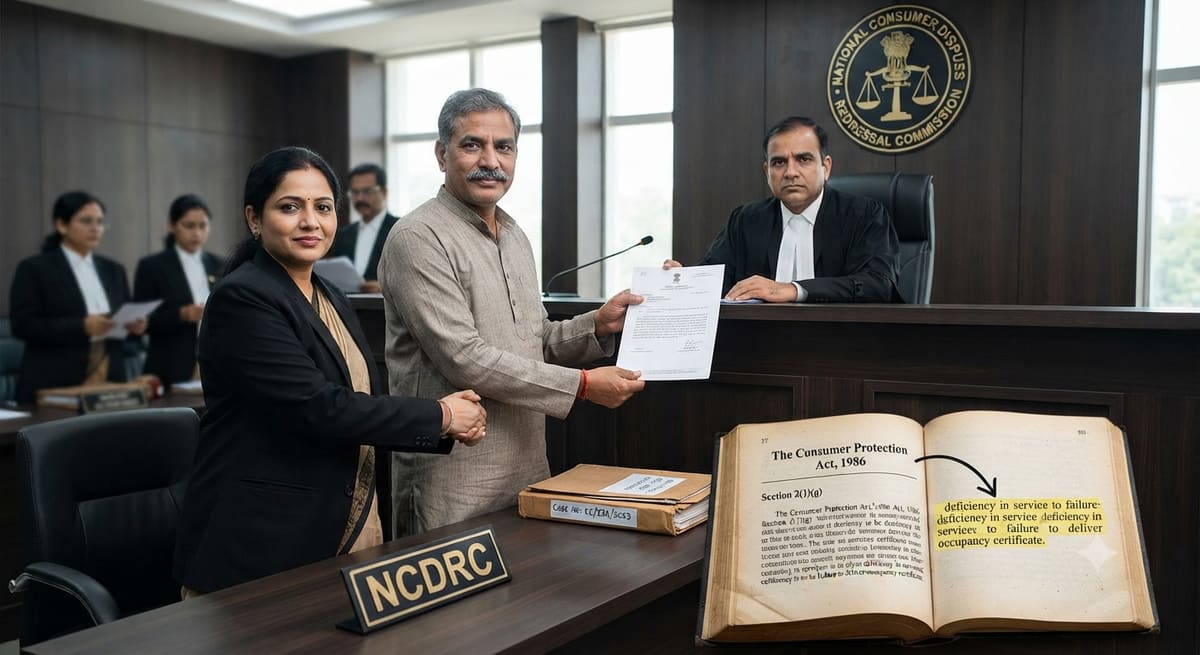
The Commission further cited Treaty Construction v. Ruby Tower and A.R.G Housing v. Amit Kumar, affirming that no unit can be lawfully occupied without an Occupancy Certificate. The developer’s letter of occupation dated 14.10.2010 was deemed a unilateral, illegal attempt to terminate contractual obligations. The Court held that the developer’s failure to obtain mandatory statutory clearances constituted a clear deficiency in service under Section 2(g) of the Consumer Protection Act, 1986.
The Court rejected the force majeure defense, noting that economic downturns are foreseeable risks in real estate development and cannot absolve statutory obligations. The monthly committed return was a contractual promise tied to possession, not leasing, and remained enforceable.
The Verdict
The complainant succeeded on all material grounds. The Commission directed:
- Refund of Rs. 22,77,760 within 60 days;
- Payment of Rs. 40,500 per month as committed return from April 2011 until actual payment;
- Interest at 6% per annum on each monthly committed return from the due date until payment;
- If the above amounts are not paid within 60 days, additional interest at 9% per annum shall accrue until full payment;
- Compensation of Rs. 1,00,000 for mental agony and harassment;
- Litigation costs of Rs. 50,000.
All reliefs are to be paid within 60 days of the judgment date (11.05.2026).
What This Means For Similar Cases
Possession Without Certificate Is Illegal
- Practitioners must now argue that any offer of possession without a valid Completion Certificate and Occupancy Certificate is void under law, regardless of contractual terms.
- Buyers can claim refund, committed returns, and compensation even if the developer claims "partial possession" or "conditional occupancy."
Burden of Proof Shifts to Developer
- Developers must proactively produce statutory certificates - mere assertions or vague documents will not suffice.
- In consumer complaints, allegations of commercial intent must be substantiated with documents; mere purchase of commercial space does not disqualify a buyer as a consumer.
Contractual Returns Are Enforceable
-
Monthly return schemes tied to possession, not leasing, are binding contractual obligations.
-
Economic downturns or market conditions cannot override statutory duties or contractual commitments.
-
Always demand certified copies of Completion and Occupancy Certificates before accepting possession.
-
File consumer complaints immediately upon denial of statutory documents - limitation does not bar claims where deficiency is continuous.