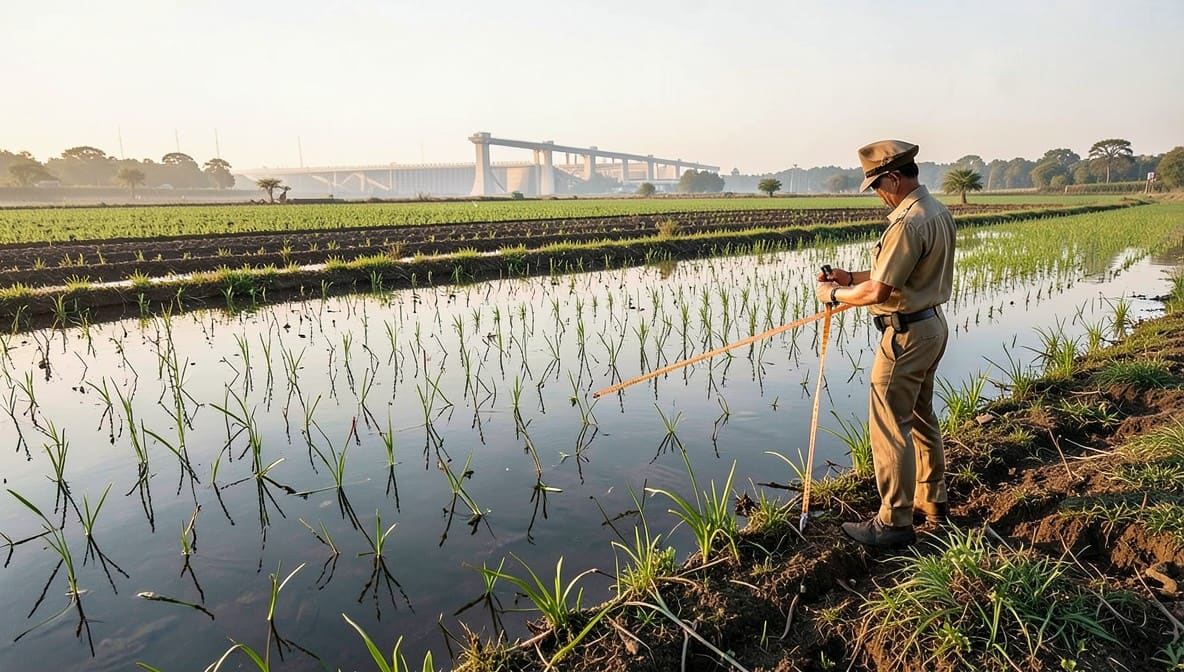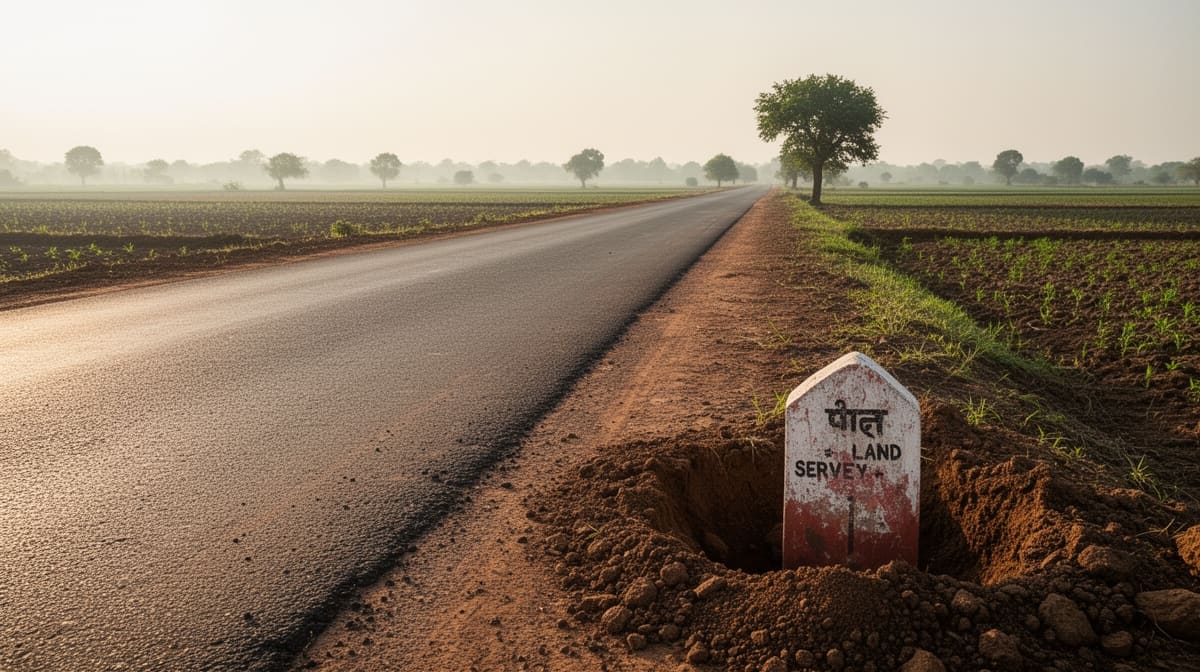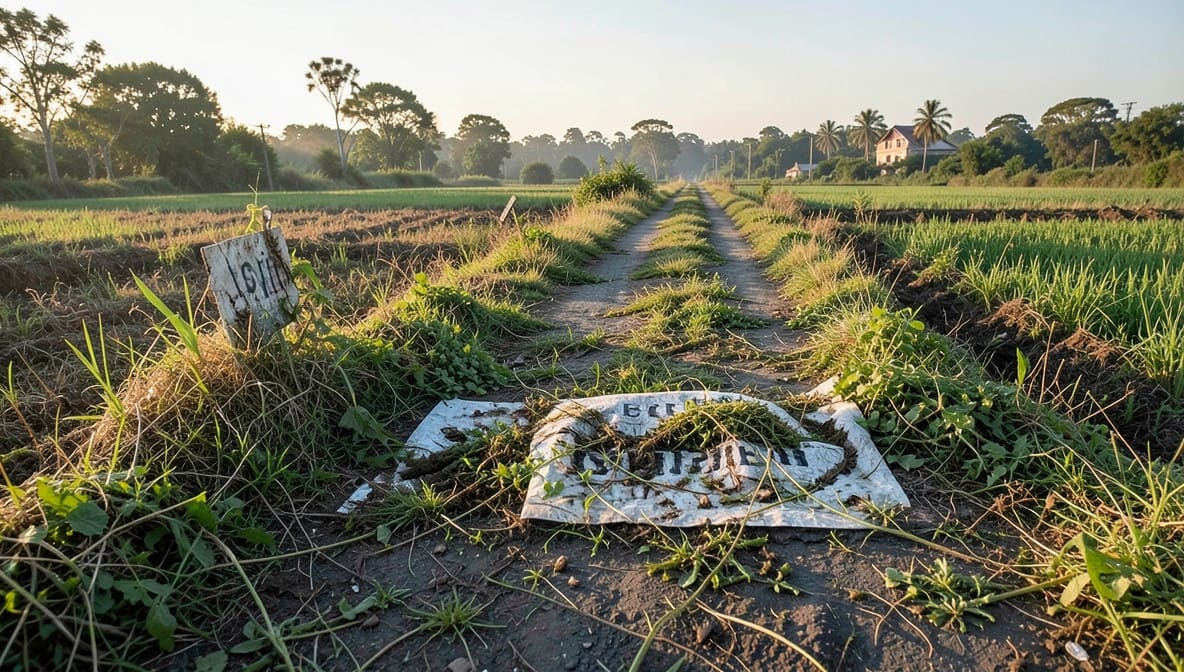
The Jharkhand High Court clarified that a landowner whose house stands on land classified as Gair Mazaruwa is entitled to compensation for the structure even when the underlying settlement of the land is deemed illegal, reinforcing the protective intent of the 2013 Land Acquisition Act.
Background & Facts
The Dispute
The petitioner, Sachidanand Choudhary, claimed that his house and 17.10 acres of land at Dag No. 178, Village Chihomarni, Deoghar, were acquired in 1986 for the Punashi Dam Project under the Medium Irrigation Project. He asserted that the land had been settled in his favour through a valid Pradhani Patta, his name was entered in Register-II, and rent receipts had been regularly issued.
Key Facts
- 1986: Land acquired for Punashi Dam Project; petitioner’s house constructed thereafter.
- 10.08.2011 and 04.09.2014: Petitioner, together with other raiyats, submitted representations to the Additional Collector, Deoghar, seeking compensation.
- 04.04.2014: Deputy Commissioner, Deoghar, in Misc. Case No. 6 of 2002-03 ordered compensation for houses on Gair Mazaruwa land.
- 30.12.2014: Enquiry report submitted by Halka Karmachari confirming several houses, including petitioner’s, standing over Daag No. 178.
- 22.11.2019: Special Land Acquisition Officer, Medium Irrigation Project, wrote to Deputy Commissioner (Letter No. 6579) requesting a report on the settlement.
- 18.06.2020: Deputy Commissioner, Deoghar, reported the land as “Pariti Kadim” in the survey khatian, Gair Mazaruwa Khata No. 8, Daag No. 178.
- 25.09.2020: Petitioner's counsel sought a clear report on the settlement.
- 28.10.2020: Deputy Commissioner-cum-District Magistrate submitted a fresh report stating the land was not a legal settlement.
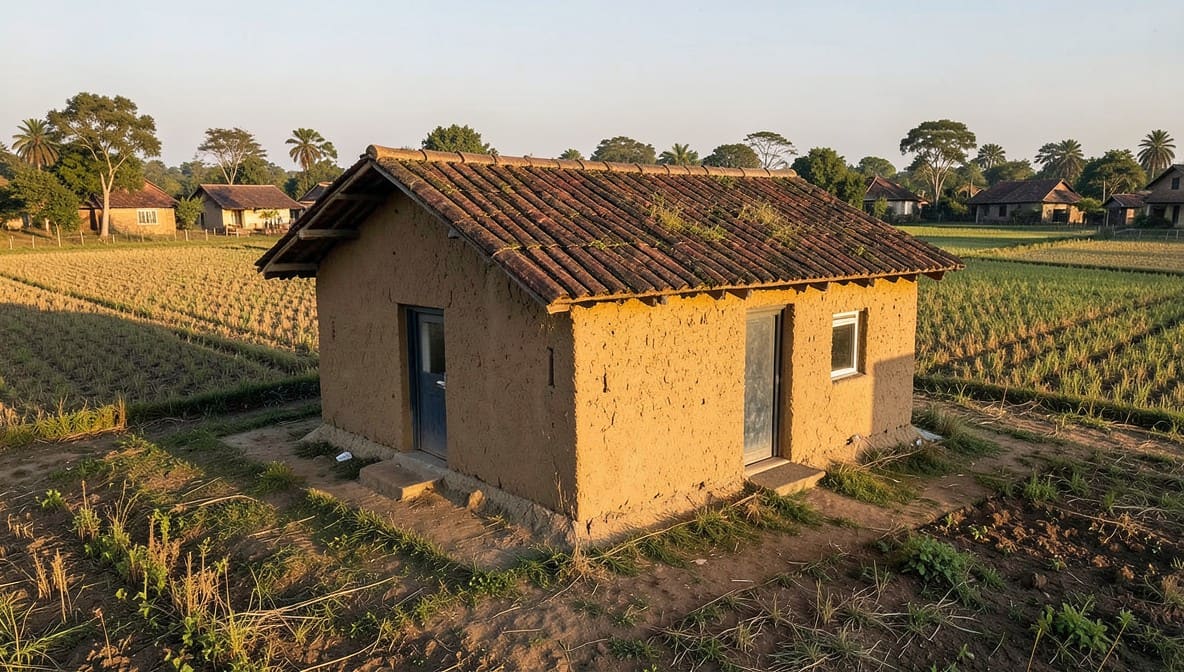
- 18.06.2020: Enquiry report noted the house was built with mud walls, brick structure and tiled roof, evidencing possession.
- 06.09.2023: Petitioner filed a supplementary affidavit claiming ancestral possession since 1934 and mutation of the land in 1965.
- 22.02.2024: Respondents’ counter-affidavit admitted that similarly situated persons had received compensation but argued the petitioner’s case differed because the land was Gair Mazaruwa and not validly settled.
- 12.01.2021: Deputy Commissioner issued the impugned order rejecting the petitioner’s claim for compensation.
- 30.01.2019: W.P.(C) No. 5464 of 2018 directed consideration of the petitioner’s case.
- 21.07.2026: Writ petition reserved.
- 03.08.2026: Judgment pronounced.
Procedural History
- 12.01.2021: Order by Deputy Commissioner rejecting compensation claim (impugned).
- 30.01.2019: High Court direction in W.P.(C) No. 5464 of 2018 to consider the petitioner's case.
- 21.07.2026: Writ petition (W.P.(C) No. 1762 of 2021) filed before the High Court of Jharkhand.
- 03.08.2026: Judgment delivered by Justice Ananda Sen.
Parties' Positions
- Petitioner: Asserted that the Pradhani Patta and entry in Register-II conferred a lawful settlement; highlighted discrimination because similarly situated raiyats had received compensation; invoked Santhal Pargana Tenancy Act and the Right to Fair Compensation and Transparency in Land Acquisition, Rehabilitation and Resettlement Act, 2013.
- Respondents: Contended that the land was Gair Mazaruwa (government) land, the settlement was unauthorized, and mere possession or rent receipt did not create a legal title; argued that earlier compensation awards were fact-specific and could not be used to claim parity.
Relief Sought
- Certiorari: Quash the order dated 12.01.2021 rejecting the compensation claim.
- Mandamus: Direct payment of adequate compensation for the house and structures standing over the land.
The Legal Issue
The central question was whether a landowner is entitled to compensation for a house built on land classified as Gair Mazaruwa when the underlying settlement of the land is held to be illegal, and whether the denial of compensation amounts to unlawful discrimination under Articles 14 and 300A of the Constitution.
Arguments Presented
For the Petitioner
- The Pradhani Patta and Register-II entry demonstrate a valid settlement under the Santhal Pargana Tenancy Act.
- Rent receipts and long-standing possession since 1934 establish a de-facto right to compensation.
- Precedent in Subhadra Devi & Others v. Special Land Acquisition Officer (Misc. Case No. 6/2002-03) shows that compensation for houses on Gair Mazaruwa land is permissible.
- Denial of compensation while similarly situated persons received it violates the equality principle under Articles 14 and 300A.
For the Respondents
- The land is expressly recorded as Gair Mazaruwa in the survey khatian; no competent authority legally settled it in favour of the petitioner.
- Possession, rent payment, or a Patta do not create a heritable title capable of attracting compensation.
- The cases cited by the petitioner involve different factual matrices; compensation was granted only where the Gair Mazaruwa land had been validly settled.
- Allowing compensation would perpetuate an illegal settlement, contravening statutory policy.
The Court's Analysis
The Court first examined the statutory framework of the Right to Fair Compensation and Transparency in Land Acquisition, Rehabilitation and Resettlement Act, 2013 and the Santhal Pargana Tenancy Act. It held that while an illegal settlement cannot be perpetuated, the Act’s remedial purpose extends to persons who have constructed houses on such land. The Court distinguished the Subhadra Devi precedent, noting that compensation was awarded for structures on land that, although Gair Mazaruwa, had been “validly settled.”
"Thus, even if it is held that the petitioners are not entitled for compensation in respect of the land in question, as there is dispute about the legality of the settlement, compensation in respect of the house and building cannot be denied."
The Court observed that the petitioner’s long-standing possession, the entry in Register-II, and the mutation of the land in 1965 collectively demonstrate a recognised interest, albeit not a full title. Consequently, the denial of compensation would be arbitrary and discriminatory, especially in view of the earlier awards to similarly situated raiyats. The Court therefore quashed the impugned order and directed that compensation for the house and structures be assessed and paid.
The Verdict
The petition succeeded in part. The order dated 12.01.2021 rejecting the compensation claim was set aside. The respondents were directed to assess and pay adequate compensation for the petitioner’s house and structures within sixteen weeks of receipt of a copy of this order. All pending interlocutory applications were disposed of.
What This Means For Similar Cases
Compensation Not Barred by Illegal Settlement
- Even where the underlying land settlement is deemed illegal, the 2013 Act obliges the acquiring authority to compensate for any house or structure that has been built, provided the claimant can demonstrate possession.
- Practitioners should gather documentary evidence of possession (Patta, Register entries, mutation records) to support compensation claims.
Discrimination Claims Must Align With Legal Basis
- Equality arguments under Articles 14 and 300A will succeed only if the comparator cases involve identical legal classifications of land.
- Lawyers must differentiate factual contexts and statutory classifications before invoking discrimination.
Timelines Are Enforceable
- Courts may impose specific compliance periods (e.g., sixteen weeks) for payment of compensation; failure to adhere can invite contempt proceedings.
- Counsel should advise clients to monitor statutory deadlines closely and file execution petitions if payments are delayed.