The Madurai Bench of the Madras High Court has clarified the boundaries of religious cultural expression under public order norms, permitting extended hours for a historic temple festival’s final night while imposing strict conditions on content, timing, and conduct. This judgment balances the right to religious practice with the need to preserve community peace and civic order.
Background & Facts
The Dispute
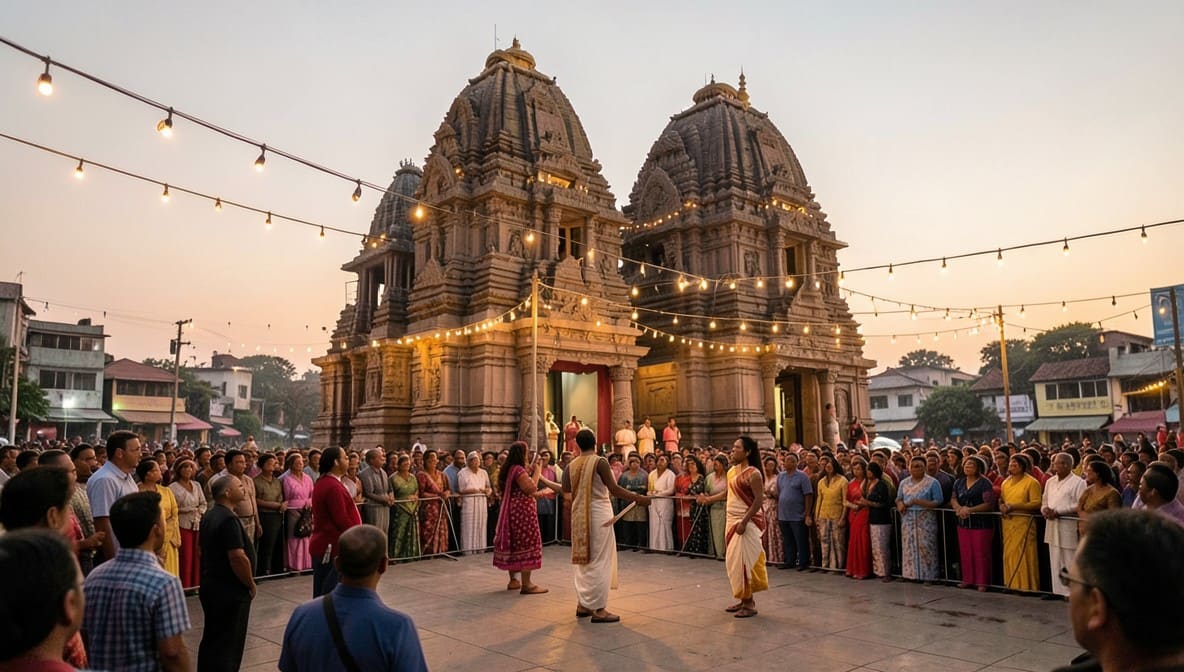
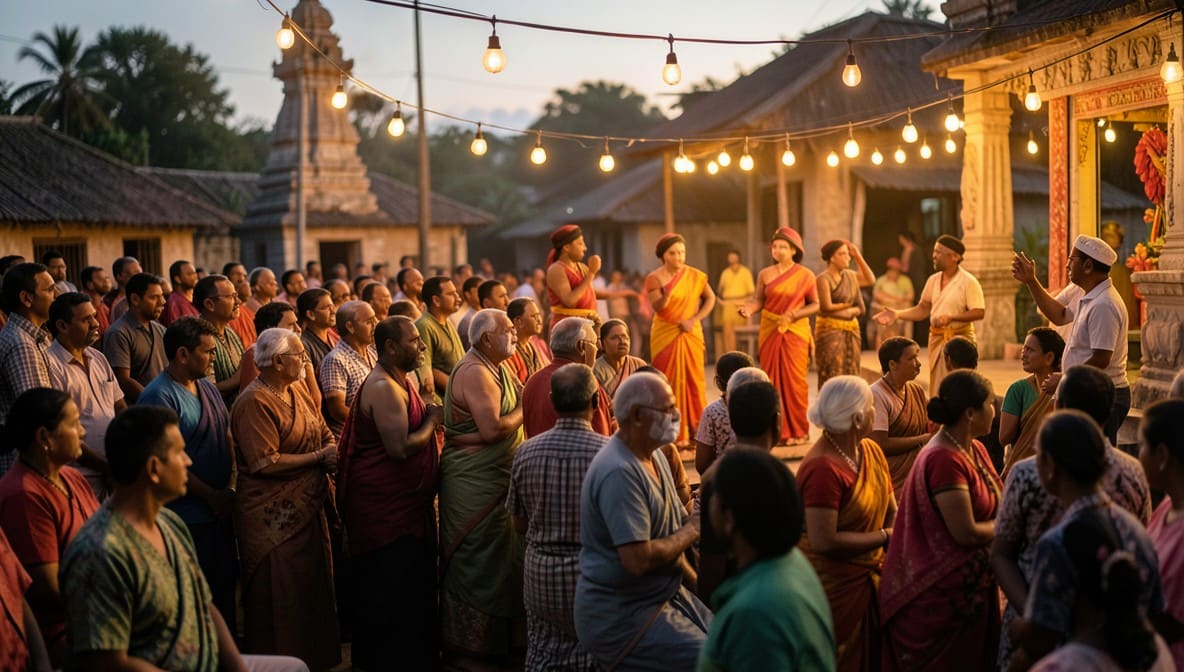
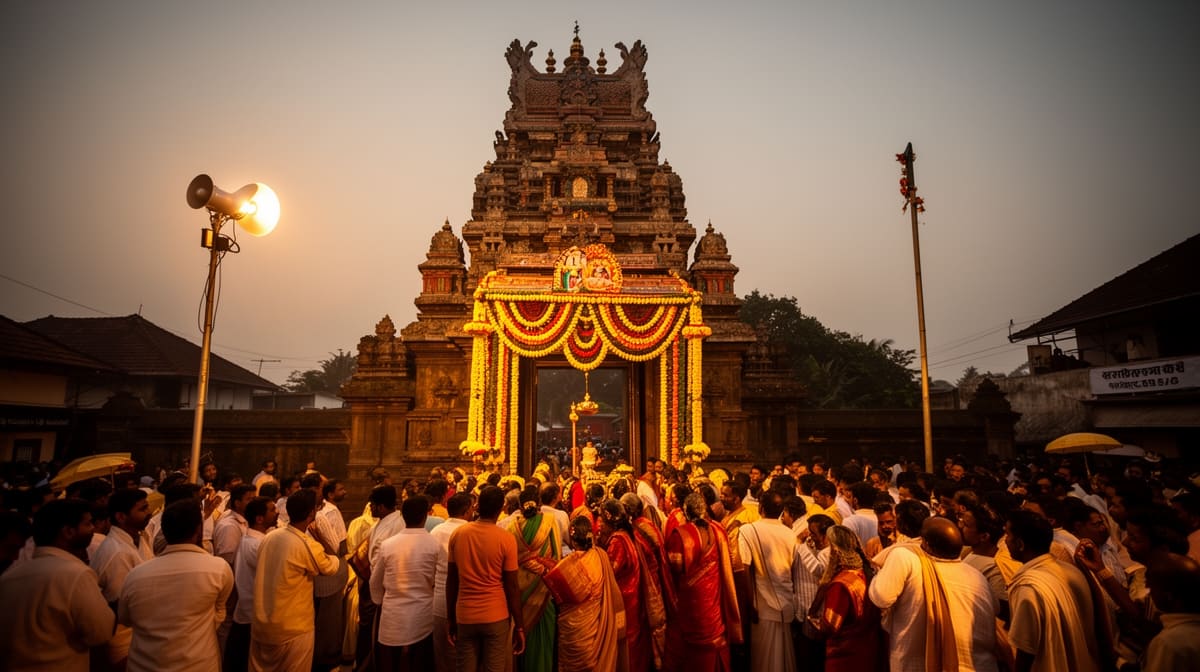
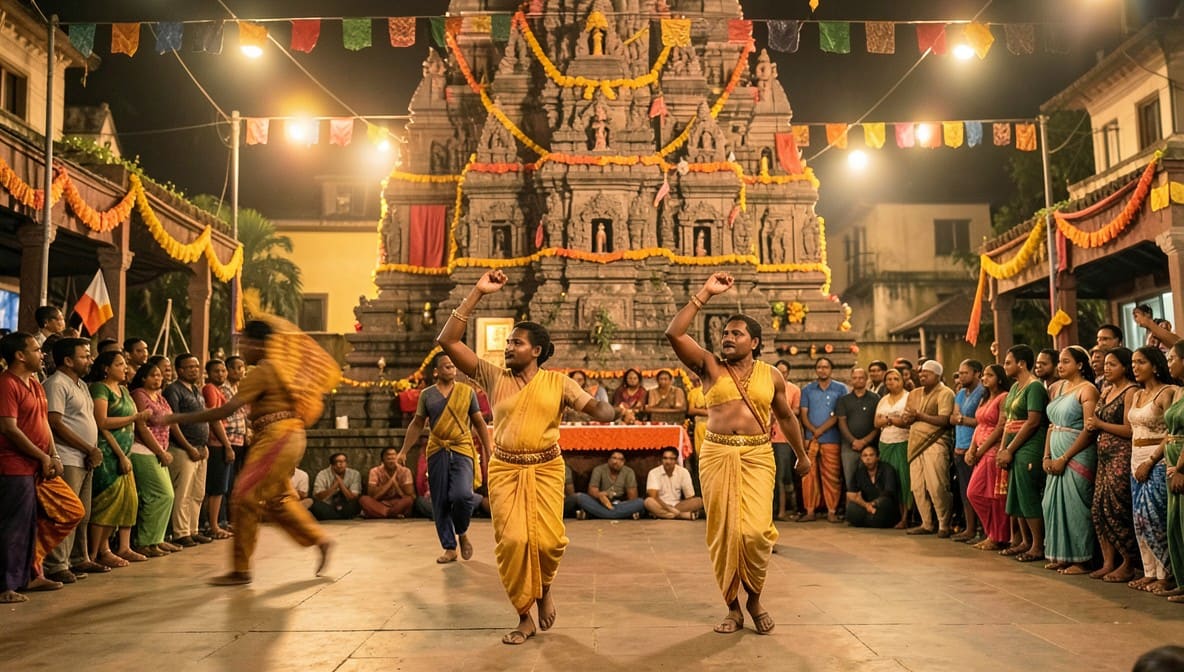
The petitioner, Koottalamoodu Arulmighu Bathreshwari Devasthanam, represented by its Secretary C. Rajkumar, sought permission to extend the timing of its annual ten-day temple festival beyond the standard 10:00 p.m. curfew, specifically for the period from 03.05.2026 to 12.05.2026. The festival, held at the 400-year-old Koottalamoodu Arulmigu Bathreshwari Amman Temple in Painkulam, Kanyakumari District, includes traditional cultural performances. The respondents, including the District Collector, Superintendent of Police, Tahsildar, and Inspector of Police, had not granted the requested extension.
Key Facts
- The temple festival is conducted annually over ten consecutive days
- The petitioner submitted a representation dated 20.04.2026 seeking permission for extended hours
- The proposed schedule includes daily programs from 03.05.2026 to 11.05.2026, and a final program on 12.05.2026
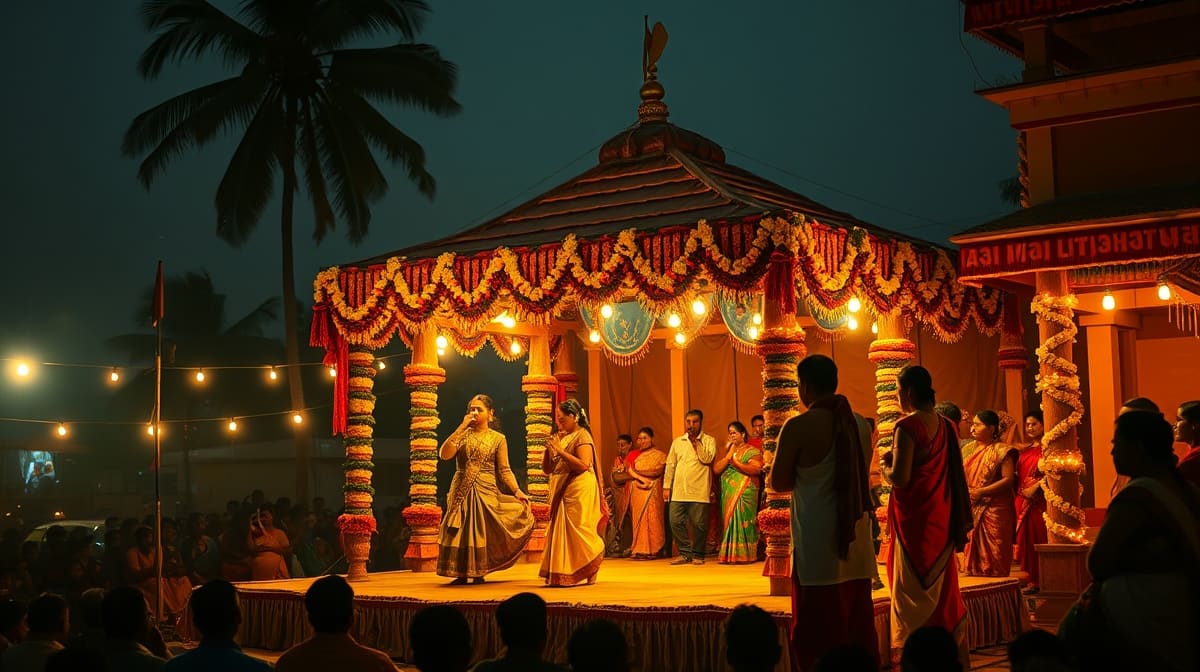
- The daily programs consist of dramas, orchestras, and dance shows
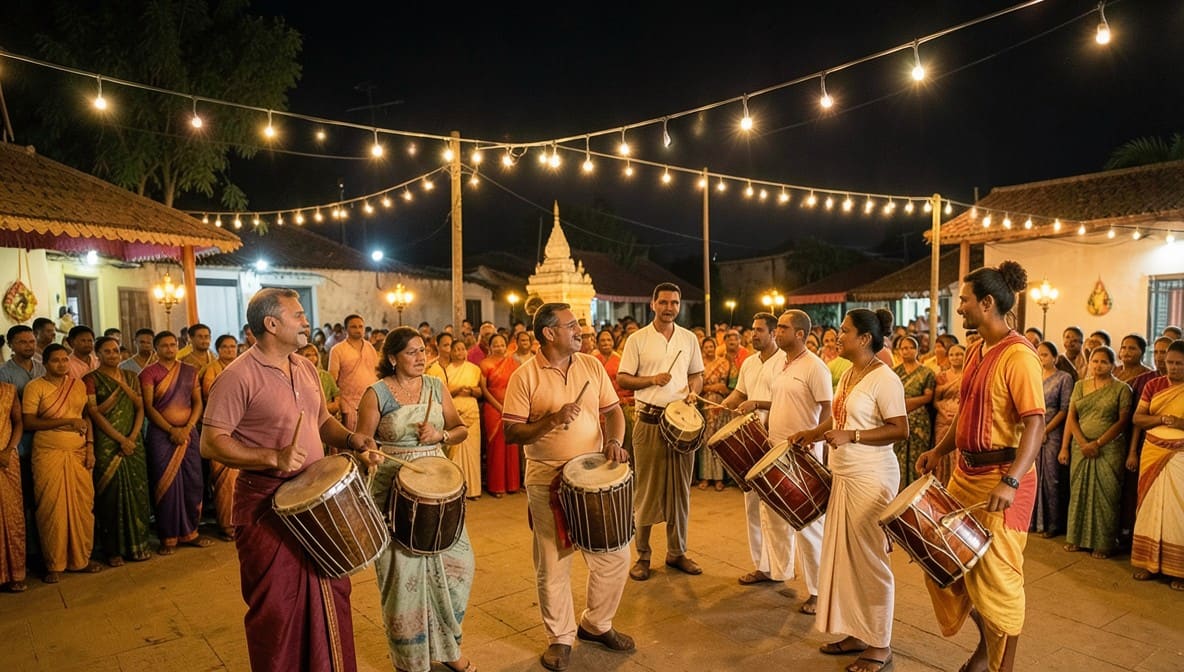
- The final day’s program includes Singari Melam and a fireworks display
- The petitioner argued that the final night’s events are integral to the religious tradition and require extended hours
Procedural History
- 20.04.2026: Petitioner submitted formal representation to respondents seeking extension of festival hours beyond 10:00 p.m.
- 24.04.2026: Writ Petition under Article 226 of the Constitution filed before the Madurai Bench of the Madras High Court
- 24.04.2026: Court heard arguments and delivered judgment on the same day
Relief Sought
The petitioner sought a writ of mandamus directing respondents 3 and 4 (Tahsildar and Inspector of Police) to grant permission for conducting festival programs beyond 10:00 p.m. from 03.05.2026 to 12.05.2026.
The Legal Issue
The central question was whether the state authorities may impose a blanket restriction on the timing of religious cultural programs during a traditional temple festival, and whether exceptions can be made for specific rituals that are integral to the religious observance without violating public order norms.
Arguments Presented
For the Petitioner
The petitioner’s counsel, Ms. S. Raghaventhere, argued that the temple’s annual festival is a centuries-old religious tradition, and the final night’s Singari Melam and fireworks are indispensable elements of the ritual. She contended that restricting these events to 10:00 p.m. would violate the petitioner’s fundamental right under Article 25 to practice and propagate religion. She emphasized that the festival attracts thousands of devotees and that the timing of the final program is fixed by religious custom, not convenience.
For the Respondent
The Government Advocate and Additional Public Prosecutor submitted that the 10:00 p.m. curfew is a standard public order measure under the Tamil Nadu Police Act and municipal regulations, designed to prevent noise pollution, maintain public peace, and ensure the safety of residents. They argued that cultural programs involving loud music and fireworks after 10:00 p.m. disrupt sleep, pose safety risks, and may incite public nuisance. They further noted that the petitioner had not demonstrated that the final night’s events could not be conducted within the permitted hours.
The Court's Analysis
The Court undertook a nuanced examination of the nature of the proposed programs, distinguishing between daily entertainment events and the final ritualistic performance. It observed that the programs scheduled from 03.05.2026 to 11.05.2026 were primarily cultural entertainments - dramas, orchestras, and dance shows - which could reasonably conclude by 10:00 p.m. without undermining the religious character of the festival.
"All the programmes mentioned in paragraph 3 of the affidavit, scheduled from 03.05.2026 to 11.05.2026, are in the nature of dramas, orchestras, dance shows and other entertainment activities, which can very well be concluded within 10.00 p.m."
However, the Court recognized the Singari Melam and fireworks display on 12.05.2026 as distinct. It noted that these are not mere performances but traditional religious rituals embedded in the temple’s liturgical calendar. The Court held that denying permission for these specific acts, without compelling evidence of public harm, would amount to an unreasonable restriction on religious practice.
The Court further emphasized that the right to religious practice under Article 25 is not absolute and must be balanced against public order, health, and morality. It imposed a comprehensive set of conditions to ensure that the extension of hours does not become a pretext for public nuisance, obscenity, or communal tension.
"It is made clear that the entire display of fireworks shall be wound up by 12.00 midnight."
The Court also laid down detailed safeguards regarding content, attire, music, alcohol prohibition, and political neutrality, reinforcing that the permission is conditional and revocable upon violation.
The Verdict
The petitioner succeeded in part. The Court permitted the conduct of festival programs from 03.05.2026 to 11.05.2026 until 10:00 p.m., and allowed the Singari Melam and fireworks display on 12.05.2026 to continue until 12:00 midnight. The Court imposed fourteen binding conditions, including prohibition of obscene content, modest attire for performers, no alcohol, no political or caste-based messaging, and strict enforcement by police. Violation of any condition may result in immediate cessation of the program and legal action against the organizers. The police are expressly empowered to halt the event if it exceeds the permitted time.
What This Means For Similar Cases
Religious Rituals May Qualify for Time Exceptions
- Practitioners may now argue that specific, well-documented religious rituals - distinct from general cultural entertainment - are entitled to reasonable exceptions to noise or curfew regulations
- Documentation of historical continuity (e.g., 400-year tradition) strengthens the claim under Article 25
- Courts are likely to distinguish between ritualistic acts and commercial or recreational performances
Conditions Are Non-Negotiable
- Any extension of hours for religious events will be subject to strict, enumerated conditions on content, conduct, and safety
- Failure to comply with even one condition may trigger immediate police intervention and criminal liability
- Organizers must proactively obtain all ancillary permissions (fire, noise, traffic) and maintain compliance records
Police Authority Is Explicitly Recognized
- The judgment empowers police to act as immediate enforcers of time limits and content restrictions
- Practitioners must advise temple committees to appoint compliance officers and train staff on the conditions
- Legal defense in case of arrest will require proof of adherence to all court-mandated conditions