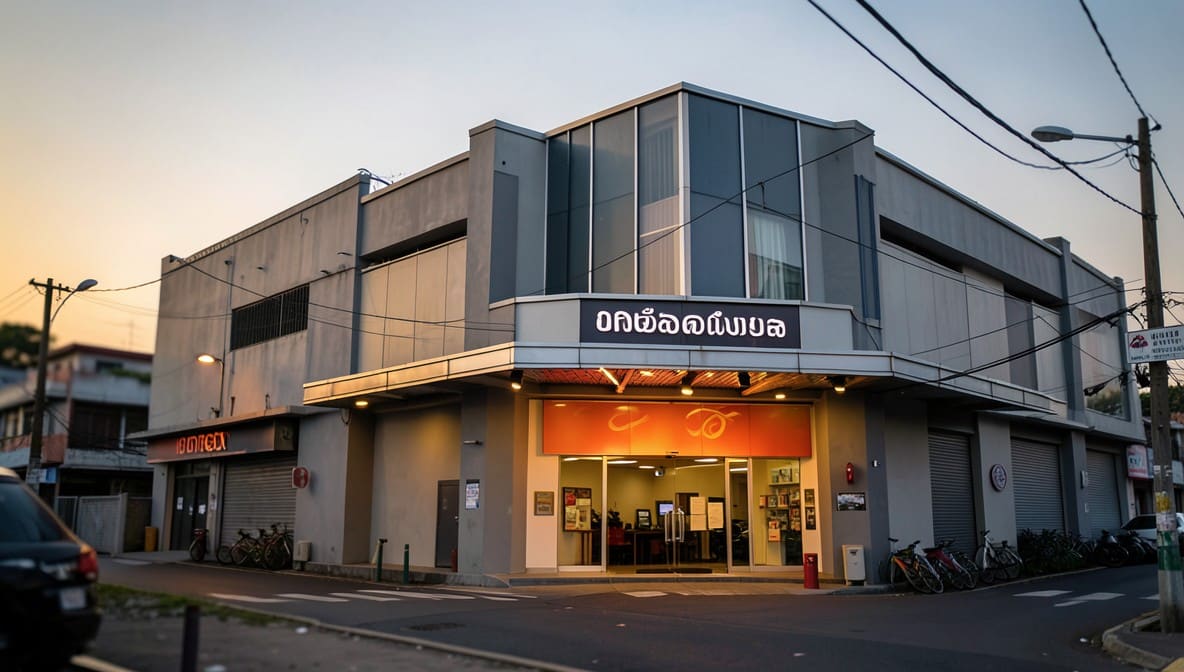
The Madras High Court has reaffirmed that public interest litigation under Article 226 cannot be entertained on speculative grounds or unsubstantiated apprehensions. In dismissing the petition, the Court underscored that constitutional remedies are not meant to be invoked as fishing expeditions against state authorities without a clear basis in fact or law.
Background & Facts
The Dispute
The petitioner, G. Mayakannan, filed a writ petition under Article 226 of the Constitution of India, seeking a mandamus directing seven government authorities and the proprietor of Lena Theatre to conduct a joint inspection of the theatre located at Salem-Ulundurpettai Highway, Raja Nagar, Kallakurichi. The petitioner alleged that the 8th respondent had undertaken construction or reconstruction without obtaining mandatory planning permission under Section 5-A(1) of the Tamil Nadu Cinemas (Regulation) Act, 1955, and sought action including suspension or cancellation of licence, demolition, or removal of unauthorized construction under the Tamil Nadu Town and Country Planning Act, 1971.
Key Facts
- The petitioner lodged a complaint with the Fire and Rescue Department on 24.07.2025.
- An inspection was conducted on 13.08.2025, which found that adequate fire safety distances were maintained around the theatre.
- The construction was carried out based on permissions granted for interior modifications, supported by recommendations from subordinate officers and a No Objection Certificate issued by the District Collector.
- The Fire and Rescue Department issued a fire safety certificate after inspection.
- The District Collector issued a ‘C Form’ license to the theatre on 24.01.2026, valid until 04.01.2029.
- The theatre has been operating lawfully under these permissions.
Procedural History
- 24.07.2025: Petitioner files complaint with Fire and Rescue Department.
- 13.08.2025: Fire Department conducts inspection and confirms compliance with safety norms.
- 24.01.2026: District Collector issues ‘C Form’ license for operation.
- 23.03.2026: Writ petition filed before the Madras High Court.
The Parties' Positions
The petitioner contended that the theatre’s construction lacked mandatory DTCP/CMDA planning permission under Section 5-A(1) of the Tamil Nadu Cinemas (Regulation) Act, 1955, and that authorities had failed in their duty to verify compliance.
The respondents, represented by the Government Advocate, argued that all statutory clearances had been obtained, including fire safety certification and the ‘C Form’ license, and that the petition was filed without any specific evidence of violation.
Relief Sought
The petitioner sought a mandamus directing respondents 1 to 7 to conduct a joint inspection of Lena Theatre, ascertain any unauthorized construction, and take action including suspension, cancellation of license, or demolition under the Town and Country Planning Act, 1971.
The Legal Issue
The central question was whether a writ petition under Article 226, filed as a public interest litigation, can be maintained solely on the basis of apprehension of planning violations, without any concrete evidence or specific allegations of statutory breach.
Arguments Presented
For the Petitioner
The petitioner argued that the theatre’s construction might have circumvented mandatory planning permissions under Section 5-A(1) of the Tamil Nadu Cinemas (Regulation) Act, 1955, and that the authorities had a duty to verify compliance proactively. He contended that public safety and statutory compliance in cinema theatres warranted judicial intervention, even in the absence of detailed evidence.
For the Respondent/State
The State contended that the petitioner had not identified any specific violation, nor produced any document or inspection report indicating non-compliance. It emphasized that the theatre had obtained all requisite approvals, including fire safety certification and the ‘C Form’ license, and that the petition was an abuse of process, intended to harass the theatre owner and burden administrative agencies with baseless scrutiny.
The Court's Analysis
The Court examined the nature of the petition and found it to be devoid of any factual foundation. It noted that the petitioner had not alleged any specific act of unauthorized construction, nor cited any inspection report, survey, or official communication indicating breach of planning norms. The Court observed that the Fire Department’s inspection on 13.08.2025 had confirmed compliance with safety norms, and the District Collector had issued a valid license on 24.01.2026.
"Now the proceedings are put to challenge in this public interest litigation and only on the basis of apprehension, direction has been sought to conduct inspection without even knowing what violations are made in the cinema theatre."
The Court held that Article 226 is not a tool for speculative investigations or fishing expeditions. It reiterated that public interest litigation must be grounded in verifiable facts, not conjecture. The Court further noted that the petitioner had not demonstrated any failure of the authorities to discharge their statutory duties, nor shown that any public interest was being compromised.
The Court emphasized that judicial intervention must not be used to substitute administrative discretion or to compel authorities to conduct inspections in the absence of prima facie evidence of illegality.
The Verdict
The writ petition was dismissed. The Court held that the petition was misconceived and filed without any basis in fact. The petitioner was directed to deposit costs of Rs. 10,000 with the Tamil Nadu State Legal Services Authority, Chennai, within thirty days from the date of judgment. Failure to pay the costs will result in the matter being placed before the Court for further action. The interim application was also dismissed.
What This Means For Similar Cases
Mere Apprehension Is Not Grounds for Writ Relief
- Practitioners must now establish concrete, verifiable allegations of statutory violation before filing PILs under Article 226.
- Speculative claims about planning breaches, without inspection reports, photographs, or official correspondence, will be summarily dismissed.
Authorities Are Not Obligated to Conduct Fishing Expeditions
- Government agencies cannot be compelled to initiate inspections based on unsubstantiated complaints.
- The burden lies on the petitioner to demonstrate a prima facie case of illegality before invoking judicial oversight.
PILs Must Serve Public Interest, Not Personal Grievances
- Courts will scrutinize the motive behind PILs, especially when directed against private entities with no clear nexus to public harm.
- This judgment reinforces that PILs are not a substitute for civil remedies or administrative complaints.