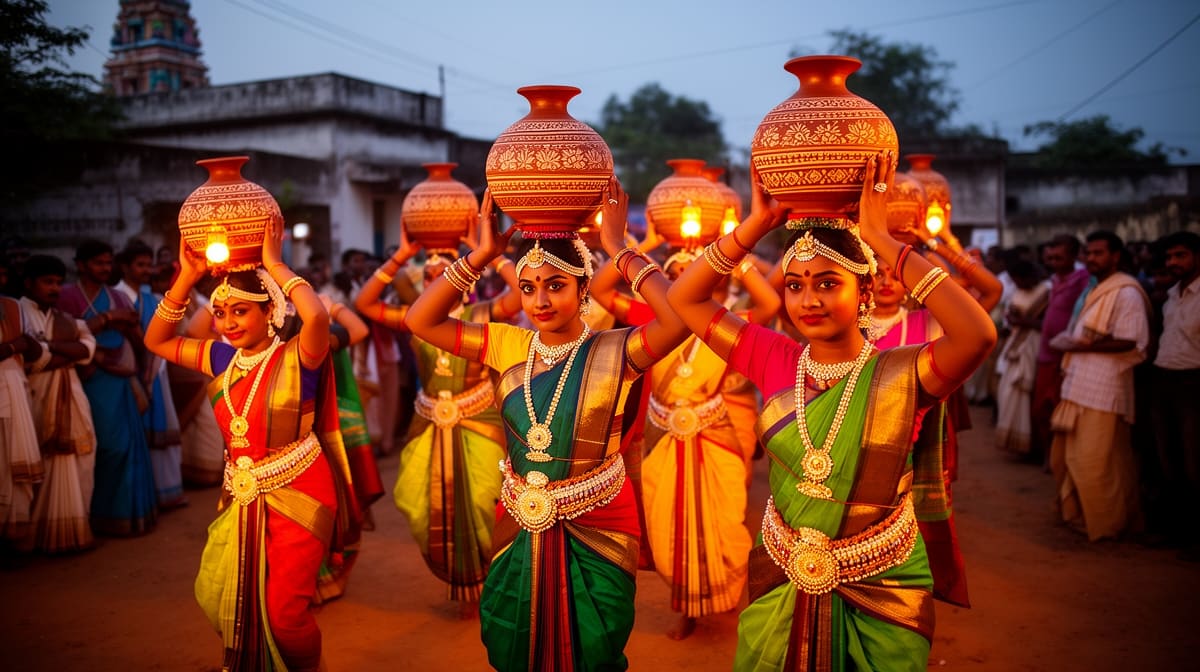
The Madras High Court has affirmed that traditional cultural expressions like Karagattam, deeply rooted in Tamil heritage, cannot be suppressed on vague allegations of obscenity. In a significant ruling under Article 226, the Court directed authorities to permit the performance, provided it adheres to the authentic dress and conduct of the art form, setting a clear boundary between cultural preservation and moral policing.
Background & Facts
The Dispute
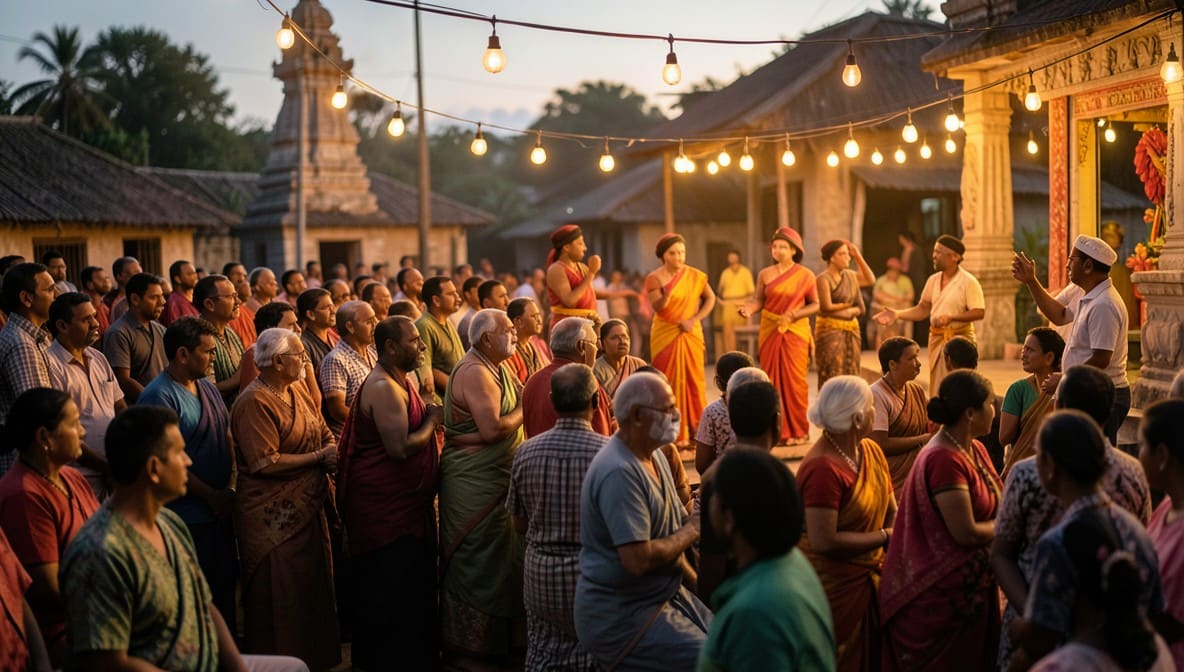
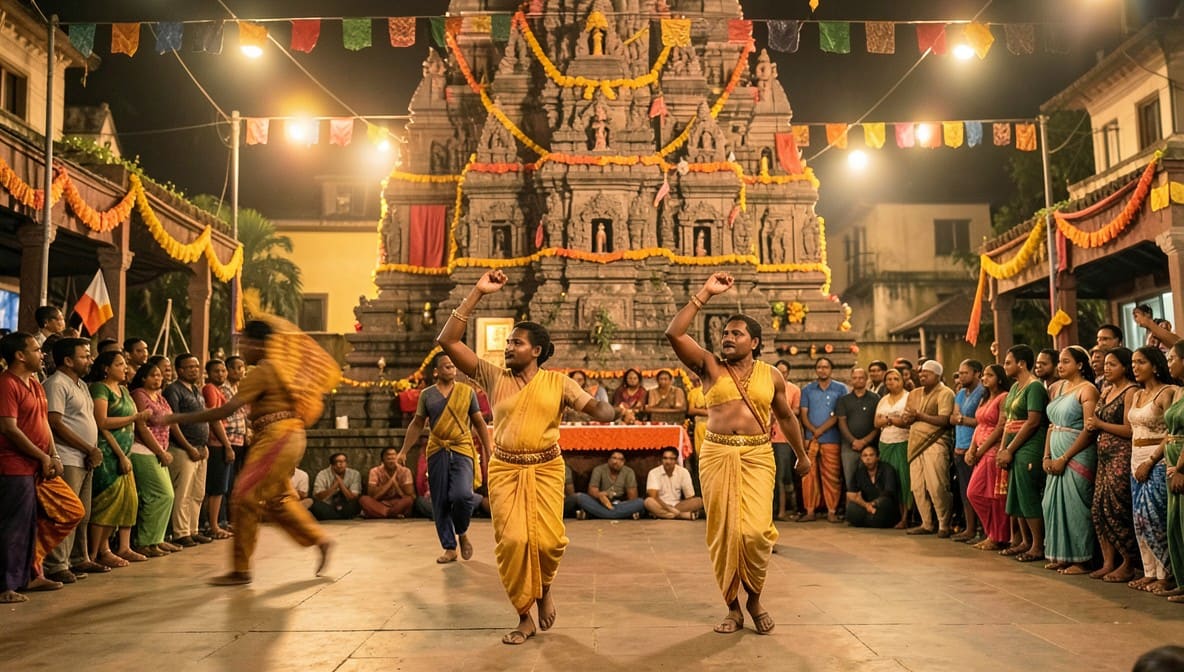
The petitioner sought permission to conduct the traditional Tamil folk dance "Karagattam" on 08.03.2026 as part of the annual "Temple Thiruvizha" festival at Arulmigu Kaligaparameshwari Temple in Edamalaipatti Pudur, Trichy. The third respondent, Inspector of Police, denied the request, alleging that what was being presented as Karagattam was in fact an obscene performance known as "Adal Padal".
Procedural History
- 03.03.2026: Third respondent issued order denying permission to conduct Karagattam
- 06.03.2026: Writ petition filed under Article 226 before Madras High Court, Madurai Bench
- Same day: Petition taken up for final disposal by consent of both parties
Relief Sought
The petitioner sought a writ of certiorari to quash the impugned order and a writ of mandamus directing the District Collector and Commissioner of Police to grant permission for the performance of Karagattam on the scheduled date.
The Legal Issue
The central question was whether the denial of permission to perform a recognized traditional folk dance, based on unsubstantiated allegations of obscenity, violates the petitioner’s fundamental right to cultural expression under Article 19(1)(a) and Article 25 of the Constitution.
Arguments Presented
For the Petitioner
The petitioner’s counsel argued that Karagattam is a centuries-old, non-obscene folk art form integral to Tamil cultural identity, performed as a devotional offering to Mariamman. The denial of permission was arbitrary, disproportionate, and lacked any evidentiary basis. The Court was urged to protect cultural heritage from unwarranted state interference.
For the Respondent
The Government Advocate contended that recent iterations of the performance had deviated from tradition, adopting provocative costumes and movements akin to "Adal Padal", a form of indecent street theatre. The police, he argued, were duty-bound to prevent public indecency under Section 294 IPC and maintain public order.
The Court's Analysis
The Court undertook a detailed examination of the nature of Karagattam, recognizing it as a culturally significant art form with deep religious and artistic roots. It acknowledged the respondent’s concern about distortion but found no concrete evidence that the petitioner’s proposed performance would deviate from tradition.
"Karagattam is one of the most cherished dance format of Tamil culture... characterized by balancing pots on the dancer’s head while performing intricate movements... symbolizes humility and dedication to the divine."
The Court rejected the blanket suppression of the event, emphasizing that the state cannot prohibit a traditional practice merely on suspicion or hearsay. It held that the appropriate remedy was not denial, but regulation - ensuring adherence to authentic norms. The Court specifically directed the use of the dress code depicted in the Tamil film Karagattakaran as the standard for authenticity, thereby providing a clear, objective benchmark.
This approach reflects a nuanced balance between freedom of expression and public morality, rejecting moral panic in favor of cultural preservation guided by verifiable tradition.
The Verdict
The petitioner succeeded. The Court quashed the impugned order and directed the police to permit the performance of Karagattam on 08.03.2026, strictly subject to adherence to the traditional dress code as exemplified in the film Karagattakaran. No costs were awarded.
What This Means For Similar Cases
Cultural Practices Cannot Be Banned on Speculation
- Practitioners of traditional arts must be allowed to perform unless there is clear, documented evidence of deviation into obscenity
- Authorities must distinguish between historical authenticity and modern distortions before imposing restrictions
- Vague allegations of "Adal Padal" or "indecent behavior" without forensic or eyewitness proof are insufficient grounds for denial
Judicial Oversight of Police Discretion in Cultural Matters
- Police cannot unilaterally suppress cultural events under public order pretexts without judicial review
- Courts will intervene when restrictions on cultural expression lack proportionality or evidentiary support
- Writ petitions under Article 226 remain a viable remedy for cultural rights violations
Objective Standards Must Guide Enforcement
- Courts may adopt cultural references (e.g., films, documented performances) to define "traditional" norms
- Authorities must apply consistent, transparent standards - not subjective moral judgments
- This ruling sets a precedent for protecting other folk arts like Oyilattam, Kummi, or Therukoothu from arbitrary suppression