In a significant ruling on the maintainability of writ petitions against quasi-governmental bodies, the Punjab & Haryana High Court permitted students to challenge the Association of Indian Universities (AIU) over an alleged error in declaring competition results. The judgment reaffirms that entities receiving government funding, like AIU, fall within the ambit of 'State' under Article 12 of the Constitution, ensuring judicial recourse for procedural irregularities in academic competitions.
Background & Facts
The Dispute
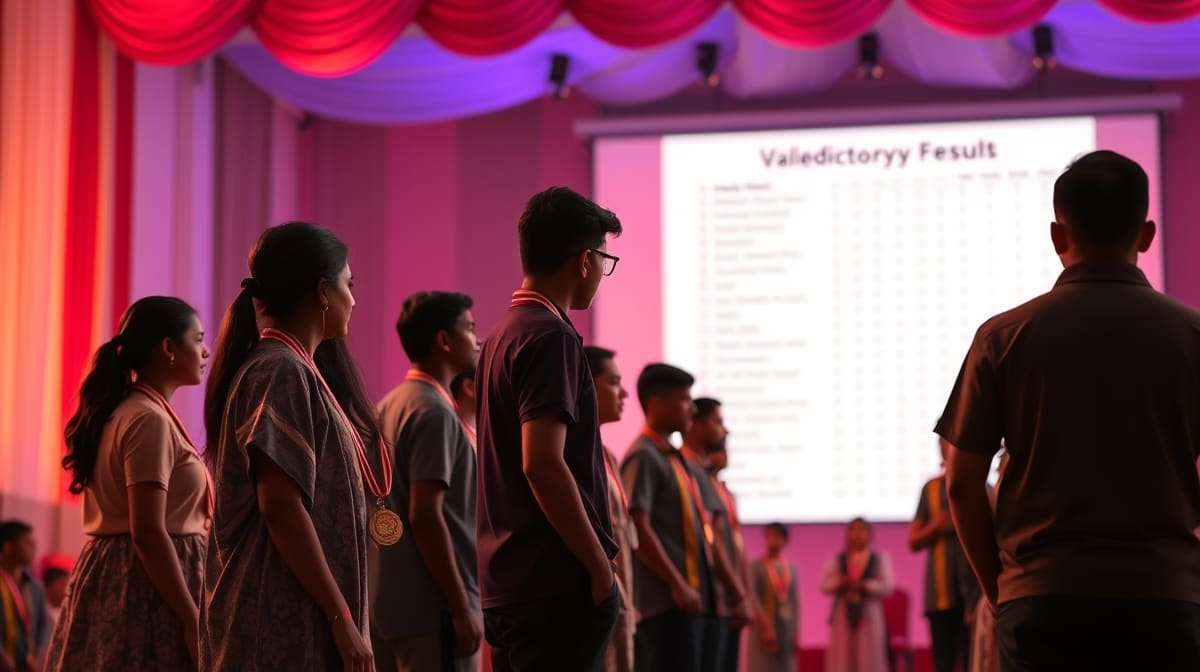
The petitioners, students of Chandigarh University, Mohali, participated in the 39th AIU North Zone Youth Festival 2025-26 held at Chitkara University, Rajpura, from 06.01.2026 to 10.01.2026. They secured third position in the “One Act Play” competition and were awarded medals during the Valedictory Ceremony on 10.01.2026. However, the result uploaded on AIU’s website (Annexure P1) later showed them as having secured fourth position, tied with two other contestants.
Key Facts
- The petitioners were awarded medals for third position during the Valedictory Ceremony on 10.01.2026 (Annexure P2, P3).
- AIU’s website later displayed the petitioners as having secured fourth position (Annexure P1).
- Chandigarh University sent a communication dated 28.02.2026 (Annexure P5) followed by an email on 02.03.2026 (Annexure P6), informing the petitioners of an inadvertent error in the result declaration.
- AIU claimed the error was rectified on the spot during the event, but the petitioners denied any such announcement.
- The petitioners were preparing for the 39th AIU Inter-University National Youth Festival (UNIFEST) 2025-26, scheduled at Sathyabama Institute of Science and Technology, Chennai, from 10.03.2026 to 14.03.2026, when the online result announcement surprised them.
Procedural History
- 07.03.2026: Writ Petition (CWP No. 6776 of 2026) filed before the Punjab & Haryana High Court.
- 07.03.2026: Notice issued to respondents; interim order permitted petitioners to participate in the UNIFEST 2025-26, with results to be submitted in a sealed cover to the Court.
- 27.03.2026: Petitioners sought permission to withdraw the petition; the Court dismissed it as withdrawn and vacated the interim arrangement.
The Parties' Positions
Petitioners
- Argued that AIU, receiving financial aid from the Government of India, falls under “State” within Article 12 of the Constitution, making the writ petition maintainable.
- Relied on the Division Bench judgment in Abhimanyu Tewari v. Union of India and others (CWP-9157-2010, decided on 18.09.2012) to support their contention.
- Asserted that the medals awarded for third position were still in their possession, and no announcement of result correction was made during the event.
Respondents
- AIU (Respondent No. 3) produced a Result Declaration Sheet showing the petitioners secured 234 marks, ranking fourth in the competition.
- Conceded that there was a mix-up in names during the result announcement but claimed the error was corrected on the spot after the event concluded.
Relief Sought
The petitioners sought:
- A declaration that AIU’s action in rectifying the result post-event was arbitrary and violative of principles of natural justice.
- Directions to AIU to uphold the original result (third position) as declared during the Valedictory Ceremony.
- Permission to participate in the UNIFEST 2025-26 without prejudice to their rights.
The Legal Issue
The central question was whether AIU, as an entity receiving government funding, qualifies as “State” under Article 12 of the Constitution, thereby making a writ petition maintainable against it for procedural irregularities in academic competitions.
Arguments Presented
For the Petitioners
- AIU is a “State” under Article 12: Cited Abhimanyu Tewari v. Union of India to argue that AIU, receiving financial aid from the Government of India, is amenable to writ jurisdiction.
- Violation of Natural Justice: Contended that the post-event rectification of results without notice or opportunity to be heard was arbitrary and unfair.
- Reliance on Physical Evidence: Emphasized that the medals awarded for third position were still in their possession, and no announcement of correction was made during the event.
For the Respondents
- Error Rectification: AIU admitted to an inadvertent error in announcing the result but claimed it was corrected on the spot during the event.
- No Prejudice: Argued that the petitioners suffered no prejudice as they were permitted to participate in subsequent events, and the results were to be submitted in a sealed cover to the Court.
The Court's Analysis
The Court did not delve into a detailed analysis of the merits of the result dispute due to the petitioners’ subsequent withdrawal. However, the order dated 07.03.2026 is significant for its implicit recognition of AIU as a “State” under Article 12, based on the precedent in Abhimanyu Tewari. The Court issued notice to the respondents, indicating that the writ petition was prima facie maintainable.
The Court’s interim order also reflects a pragmatic approach to ensure the petitioners’ participation in the UNIFEST 2025-26 was not jeopardized, directing that the results be submitted in a sealed cover for judicial scrutiny. This underscores the Court’s commitment to procedural fairness in academic competitions, even where the dispute was ultimately withdrawn.
"Learned Senior counsel for the petitioners submits that petitioners are students of Chandigarh University, Mohali and they participated in 39th AIU North Zone Youth Festival, 2025-26... He asserts that petitioners were awarded medals at the Valedictory Ceremony... Counsel submits that to the surprise of the petitioners, result, Annexure P1, which was uploaded on the website of AIU shows that petitioners have secured a fourth position..."
The Verdict
The petition was dismissed as withdrawn on 27.03.2026 at the request of the petitioners. The interim arrangement, permitting the petitioners to participate in the UNIFEST 2025-26 with results to be submitted in a sealed cover, was vacated. No final determination was made on the merits of the result dispute or the maintainability of the writ petition.
What This Means For Similar Cases
AIU and Quasi-Governmental Bodies Are Amenable to Writ Jurisdiction
The Court’s issuance of notice in this case reaffirms that entities like AIU, which receive government funding, fall within the ambit of “State” under Article 12. Practitioners can rely on this precedent to challenge procedural irregularities in academic or extracurricular competitions organized by such bodies.
- Actionable Takeaway: If a quasi-governmental body (e.g., AIU, sports federations, or educational councils) commits an arbitrary act, affected parties can file a writ petition under Article 226 for redressal.
- Precedent Cited: The reliance on Abhimanyu Tewari v. Union of India strengthens the argument that financial aid from the government is a key factor in determining “State” status.
Procedural Fairness in Academic Competitions
The case highlights the importance of procedural fairness in academic and extracurricular events. Even though the petition was withdrawn, the Court’s interim order suggests that post-event rectifications without notice may violate principles of natural justice.
- Actionable Takeaway: Participants in competitions should document all stages of result declaration (e.g., photographs, videos, or official communications) to challenge retrospective corrections.
- Judicial Scrutiny: Courts may intervene if results are altered without transparency, especially where medals or certificates have already been awarded.
Interim Relief as a Tool for Protecting Rights
The Court’s interim order permitting the petitioners to participate in the UNIFEST 2025-26 demonstrates how interim relief can be leveraged to preserve rights pending final adjudication.
- Actionable Takeaway: In cases involving time-sensitive events (e.g., competitions, admissions, or examinations), seek interim relief to prevent irreparable prejudice.
- Sealed Cover Mechanism: Courts may direct results or decisions to be submitted in a sealed cover to prevent unilateral changes by authorities.