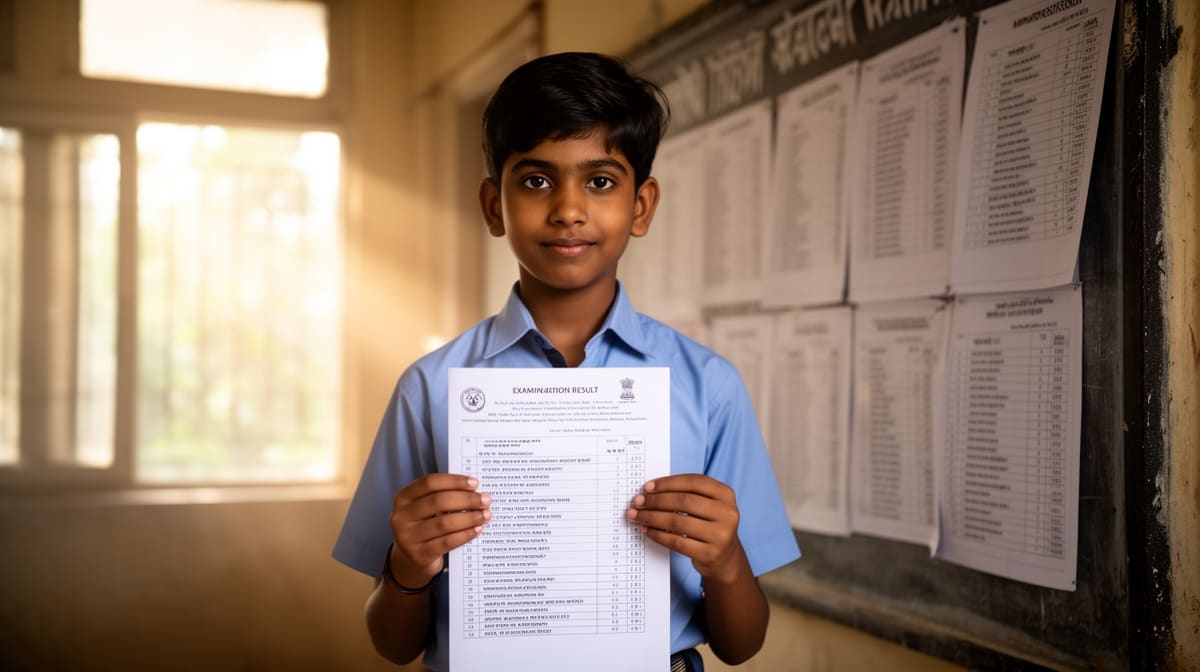
When institutional affiliation disputes threaten to deprive students of their academic year through no fault of their own, constitutional courts must intervene to protect the fundamental right to education. The Bombay High Court has now affirmed that procedural delays between universities and colleges cannot justify denying students their right to sit for examinations, reinforcing that education is not a privilege contingent on bureaucratic resolution.
Background & Facts
The Dispute
The petitioner institution, Bhartiya Gramin Punarrachana Sanstha, sought affiliation from the university for its Master of Computer Applications (MCA) course. Although the All India Council for Technical Education (AICTE) had granted approval, the university refused affiliation on 22 December 2025, citing unspecified deficiencies. The institution had previously approached the court in Writ Petition No. 14510 of 2025 seeking interim permission to conduct first-semester exams, but relief was denied on the ground that affiliation was still pending.
Procedural History
- December 2025: AICTE granted approval for MCA course
- 22 December 2025: University formally refused affiliation
- January 2026: University published examination schedule with submission deadlines between 4 - 13 February 2026
- February 2026: Students, admitted via Common Entrance Test (CET), were barred from submitting examination forms
- 25 February 2026: Writ Petitions filed by institution and students
The Parties' Positions
- Petitioner Institution: Argued that once AICTE approval is granted, the university lacks legal authority to outright refuse affiliation without providing opportunity to rectify deficiencies
- Students (Petitioners in WP 230/2026): Contended they enrolled in good faith based on CET allocation and should not bear the consequences of institutional disputes
- University: Did not file a detailed reply but sought time to respond, acknowledging service was received only days prior
Relief Sought
The students sought immediate interim relief permitting them to submit examination forms and appear for first-year MCA examinations, to prevent loss of an entire academic year.
The Legal Issue
The central question was whether students enrolled in good faith can be denied the right to appear for examinations solely because their institution’s affiliation status remains under dispute, and whether Article 21 of the Constitution imposes a duty on courts to protect their academic interests pending final adjudication.
Arguments Presented
For the Petitioners (Students)
Counsel for the students emphasized that the CET process is a state-regulated, transparent mechanism for admission. Students relied on official listings and institutional representations to enroll. Denying them examination access constitutes a violation of their right to education under Article 21 and Article 41, as affirmed in Unnikrishnan J.P. v. State of Andhra Pradesh and K.S. Puttaswamy v. Union of India. The prejudice is immediate, irreversible, and disproportionate.
For the Respondent (University)
The University did not file a substantive counter-argument. Its counsel sought time to obtain instructions and file an affidavit, conceding only that service was received late. No legal basis was advanced to justify denying students examination access despite their enrollment being lawful and verified.
The Court's Analysis
The Court examined the constitutional dimensions of the students’ predicament, distinguishing between institutional liability and student rights. It held that while the university may have legitimate grounds to dispute affiliation with the institution, those disputes cannot be resolved at the cost of innocent students.
"The inability to sit for examinations will result in irreparable harm, including automatic loss of progression in the course, extension of the duration of their studies, undue financial burden, and potential long-term career impact."
The Court reaffirmed that education is a facet of human dignity protected under Article 21, and that procedural delays in administrative processes cannot justify substantive deprivation of rights. It cited prior judgments where students in unauthorized colleges were permitted to appear for exams pending final decisions, establishing a consistent jurisprudential trend.
The Court applied the triple test for interim relief - prima facie case, balance of convenience, and irreparable injury - and found that all three factors overwhelmingly favored the students. The institution’s affiliation status was sub judice, but the students’ right to education was not. The university’s failure to provide any legal justification for the denial further tipped the scales.
The Verdict
The students won. The Court held that students enrolled through a state-regulated admission process cannot be denied examination access due to institutional affiliation disputes. It directed the university to accept examination forms and permit the students to appear for their first-year MCA examinations, subject only to payment of applicable fees.
What This Means For Similar Cases
Academic Rights Trump Administrative Delays
- Practitioners representing students in affiliation disputes must now argue that denial of examination access violates Article 21, regardless of the institution’s status
- Courts are likely to grant interim relief where students have enrolled through transparent, state-recognized processes like CET
- Institutions cannot use affiliation pendency as a shield to avoid responsibility for student welfare
Good Faith Enrollment Is a Legal Shield
- Students admitted via official entrance tests or government-recognized allocation systems are protected under the doctrine of legitimate expectation
- Any subsequent administrative or legal challenge against the institution does not invalidate the student’s right to continue their education
- Legal notices to students demanding withdrawal or non-participation in exams are now legally untenable
Interim Relief Is Not Discretionary - It Is Constitutional
- Courts must proactively identify cases where students face irreparable academic harm
- The burden shifts to the university or regulatory body to justify why students should be penalized
- Failure to grant such relief may expose authorities to liability under Article 32 for violation of fundamental rights