The Uttarakhand High Court has reaffirmed the principle that writ jurisdiction under Article 226 of the Constitution cannot be invoked to adjudicate disputed questions of fact, particularly in matters involving land acquisition compensation. The judgment underscores the availability of statutory remedies under Section 64 of the Right to Fair Compensation and Transparency in Land Acquisition, Rehabilitation and Resettlement Act, 2013 (Act of 2013) as an efficacious alternative to writ proceedings.
Background & Facts
The Dispute
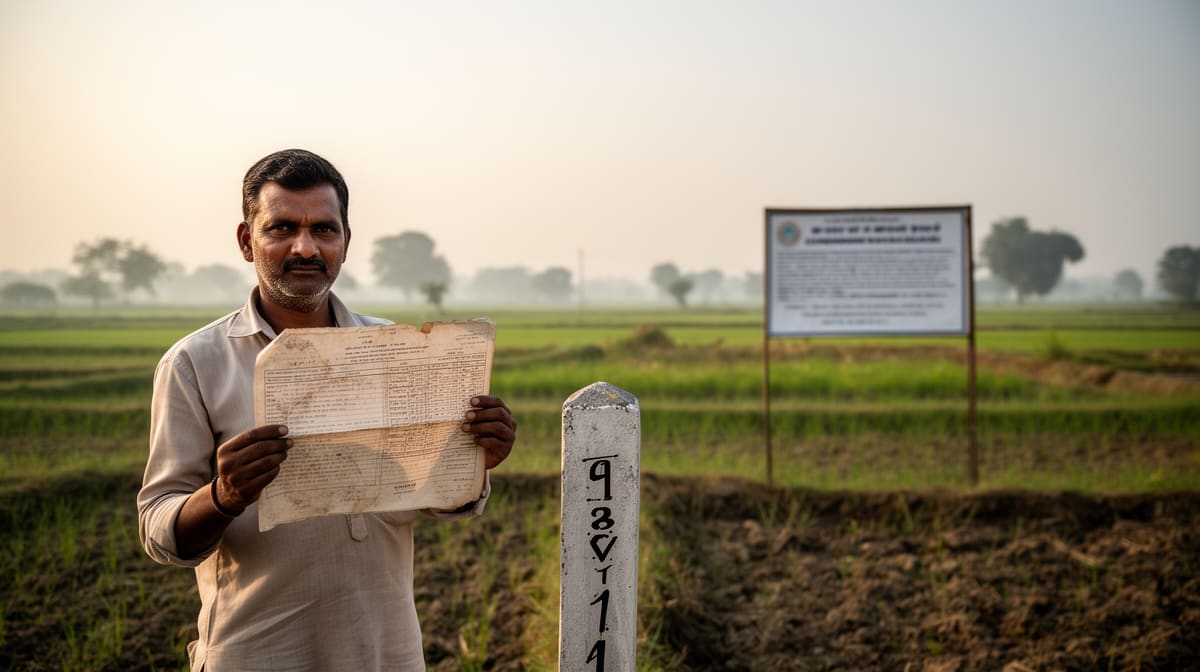
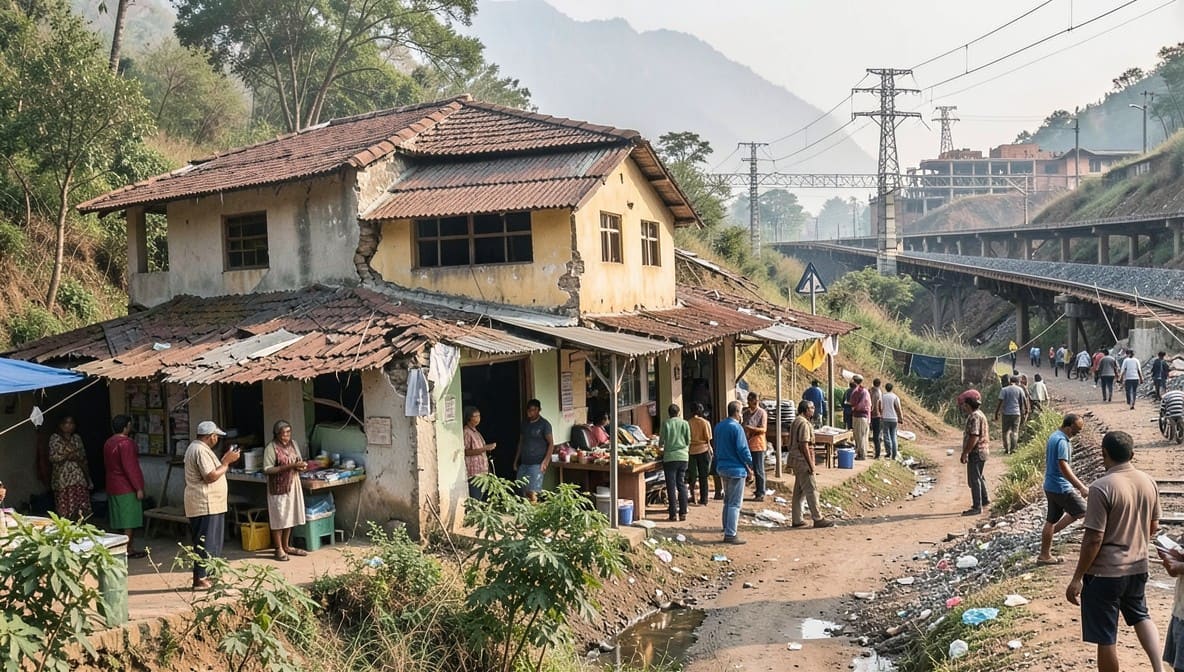
The petitioner, Kalam Singh, a resident of Village Dobh, District Rudraprayag, challenged the compensation awarded for his residential house and shops acquired for the Rishikesh - Karnprayag Railway Line Project. The petitioner alleged that the respondents arbitrarily assessed the year of construction as 2006 instead of 2012 - 2013, leading to a substantial reduction in compensation. He further claimed that certain structures, including a cow shed, were omitted from the valuation, and that he was denied rehabilitation and resettlement benefits under the Second Schedule of the Act of 2013.
Key Facts
- The petitioner constructed a residential house and shops in 2012 - 2013 in Village Dobh, District Rudraprayag.
- The property was acquired for the Rishikesh - Karnprayag Railway Line Project under the Act of 2013.
- Notifications under the Act of 2013 were issued, and an award was passed determining compensation.
- The compensation amount was deposited in the petitioner’s bank account and accepted by him.
- The petitioner alleged:
- The year of construction was wrongly assessed as 2006 instead of 2012 - 2013.
- Certain structures, including a cow shed, were not included in the valuation.
- He was denied rehabilitation and resettlement benefits under the Second Schedule of the Act of 2013.
- The petitioner submitted a representation dated 14.05.2018 to the concerned authority, which remained unaddressed.
Procedural History
- Notifications issued under the Act of 2013: Dates not specified in the judgment.
- Award passed: Compensation determined and deposited in the petitioner’s bank account.
- 14.05.2018: Petitioner submitted a representation to the concerned authority.
- 2018: Writ Petition Misc. Single No. 2320 of 2018 filed before the Uttarakhand High Court.
- 31.03.2026: Judgment delivered dismissing the writ petition.
Relief Sought
The petitioner sought:
- Redetermination of compensation for his house and shops.
- Inclusion of all structures, including the cow shed, in the valuation.
- Extension of rehabilitation and resettlement benefits under the Second Schedule of the Act of 2013.
The Legal Issue
The central question before the Court was whether writ jurisdiction under Article 226 of the Constitution could be invoked to adjudicate disputed questions of fact relating to:
- The correctness of the valuation of acquired property, including the year of construction and measurement of structures.
- The entitlement to rehabilitation and resettlement benefits under the Act of 2013, in light of the availability of an alternative statutory remedy under Section 64 of the Act.
Arguments Presented
For the Petitioner
- The respondents arbitrarily assessed the year of construction as 2006 instead of 2012 - 2013, leading to a reduced compensation amount.
- Certain structures, including a cow shed, were omitted from the valuation, violating the statutory mandate of the Act of 2013.
- The petitioner was deprived of rehabilitation and resettlement benefits under the Second Schedule of the Act of 2013, despite losing his residential house and source of livelihood.
- The provisions relating to rehabilitation and resettlement are mandatory in nature, and the respondents cannot withhold them.
- The petitioner submitted a representation dated 14.05.2018, which remained unaddressed, compelling him to approach the Court.
For the Respondents
- The compensation was determined in accordance with the provisions of the Act of 2013 and deposited in the petitioner’s bank account, which he accepted.
- The grievances raised pertain to disputed questions of fact, such as valuation, measurement of structures, and adequacy of compensation, which cannot be adjudicated in writ jurisdiction under Article 226.
- The Act of 2013 provides a complete statutory mechanism for redressal of grievances, including a remedy under Section 64 of the Act.
- The petitioner failed to avail the statutory remedy under Section 64 and directly approached the Court, rendering the writ petition not maintainable.
- Rehabilitation and resettlement benefits would be extended to eligible persons in accordance with the law, and no illegality or arbitrariness was committed by the respondents.
The Court's Analysis
The Court examined the scope of writ jurisdiction under Article 226 in light of the petitioner’s grievances and the availability of an alternative statutory remedy. The Court observed:
"Once an award has been passed and acted upon, and the compensation has been accepted by the petitioner, correctness of such determination ordinarily cannot be permitted to be reopened in exercise of writ jurisdiction. The issues raised by the petitioner, particularly with regard to the year of construction, measurement of structures and adequacy of compensation, are essentially disputed questions of fact, which would require appreciation of evidence and factual determination. Such an exercise cannot be undertaken by this Court in proceedings under Article 226 of the Constitution of India."
The Court relied on the well-settled principle that writ jurisdiction is not a forum for adjudicating disputed questions of fact, particularly when an efficacious alternative remedy is available under the statute. The Act of 2013 provides a complete mechanism for redressal of grievances, including a reference under Section 64 of the Act, which the petitioner failed to avail.
"It is well settled that where an efficacious alternative remedy is available, this Court would ordinarily decline to exercise its extraordinary jurisdiction."
Regarding the petitioner’s claim for rehabilitation and resettlement benefits, the Court held that the determination of entitlement requires examination of relevant facts and applicable provisions, which must be done by the competent authority in accordance with the law. No exceptional circumstances were shown to warrant interference by the Court in its writ jurisdiction.
The Verdict
The Uttarakhand High Court dismissed the writ petition, holding that:
- The petition was not maintainable due to the availability of an alternative statutory remedy under Section 64 of the Act of 2013.
- The issues raised involved disputed questions of fact, which cannot be adjudicated in writ jurisdiction under Article 226.
- The petitioner’s acceptance of the awarded compensation barred reopening the determination in writ proceedings.
- The petitioner was left free to avail the statutory remedy under Section 64 of the Act of 2013, if so advised.
What This Means For Similar Cases
Writ Jurisdiction Is Not a Substitute for Statutory Remedies
- Practitioners must note that writ jurisdiction under Article 226 is not intended to adjudicate disputed questions of fact, particularly in matters involving land acquisition compensation.
- Courts will decline to entertain writ petitions where an efficacious alternative remedy is available under the statute, such as a reference under Section 64 of the Act of 2013.
- Acceptance of compensation under an award acts as a bar to challenging the correctness of the determination in writ proceedings.
Rehabilitation and Resettlement Benefits Require Factual Determination
- Claims for rehabilitation and resettlement benefits under the Second Schedule of the Act of 2013 involve factual determination of entitlement, which must be addressed by the competent authority.
- Courts will not interfere in such matters unless exceptional circumstances are demonstrated, which was not the case here.
Strategic Considerations for Landowners and Practitioners
- Exhaust statutory remedies first: Landowners dissatisfied with compensation awards must first avail the remedy under Section 64 of the Act of 2013 before approaching the High Court.
- Documentary evidence is critical: Disputes over the year of construction, measurement of structures, or valuation must be supported by contemporaneous documentary evidence to strengthen the case.
- Rehabilitation claims must be substantiated: Landowners seeking rehabilitation benefits must clearly establish their entitlement under the Second Schedule of the Act of 2013, including proof of loss of livelihood or residence.