The Kerala High Court disposed of two interconnected writ petitions by directing that disputes arising from blasting operations for a hydroelectric project be resolved through an administrative consultation process. This judgment underscores the importance of inclusive decision-making involving local stakeholders, elected representatives, and government authorities in resolving contentious infrastructure projects.
Background & Facts
The Dispute
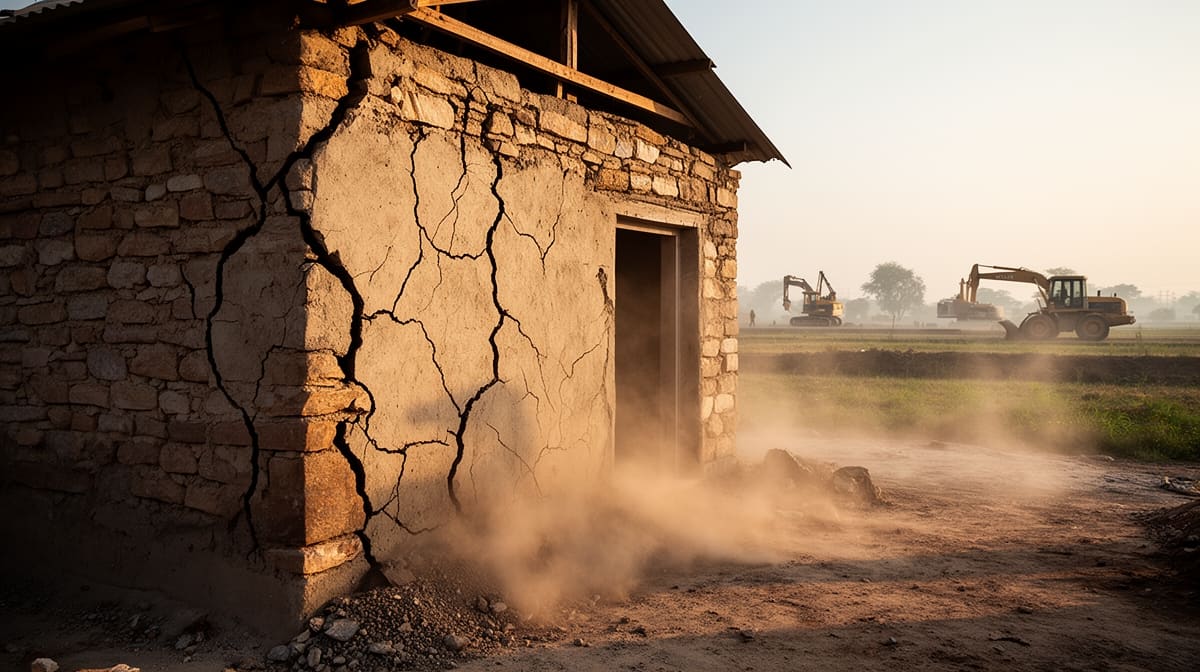
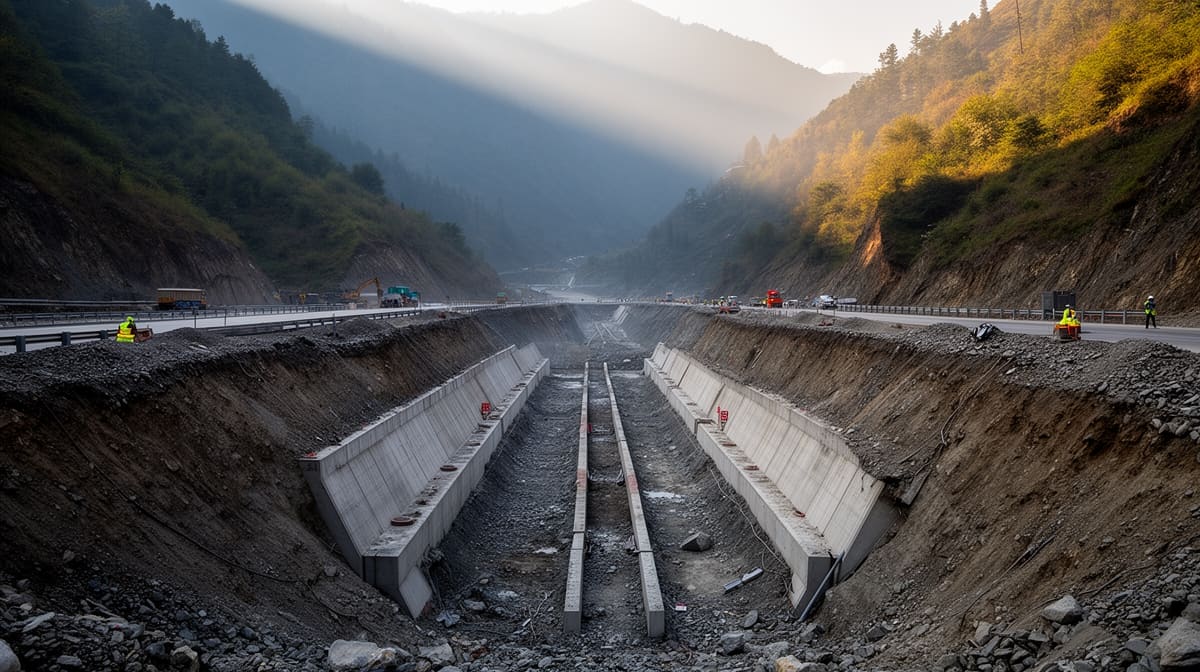
The dispute centers around blasting operations conducted by M/s. PGCCPL & Aryacon Consortium (the petitioner in WP(C) No. 18251/2026) for the Upper Sengulam Hydro Electric Project under the Kerala State Electricity Board Ltd. (KSEB). Local residents (petitioners in WP(C) No. 47032/2025) alleged that the blasting operations caused structural damage to their properties and sought compensation. The petitioner company, in turn, sought police protection to continue its operations.
Key Facts
- Contractual Agreement: The petitioner consortium entered into an agreement with KSEB on 14.05.2024 (Exhibit P3) for blasting operations under the Upper Sengulam Hydro Electric Project.
- Administrative Sanctions: KSEB obtained necessary approvals, including:
- Administrative sanction order dated 09.07.2013 (Exhibit R2(A))
- Explosives license from the Deputy Chief Controller of Explosives, Ernakulam (Exhibit R2(H))
- PESO clearance dated 02.09.2025 (Exhibit P23)
- NOC for blasting from the District Magistrate, Idukki, dated 30.07.2025 (Exhibit P22)
- Local Opposition: Residents of Vellathooval and Sengulam villages in Idukki district raised concerns about structural damages to their properties due to blasting vibrations. They submitted representations to authorities, including:
- Complaint to the Hon’ble Minister for Electricity dated 26.03.2025 (Exhibit P3)
- Representation to the District Collector dated 10.12.2025 (Ext. P6)
- Resolutions by the Vellathooval Grama Panchayath addressing residents' grievances (Exhibit R14(H))
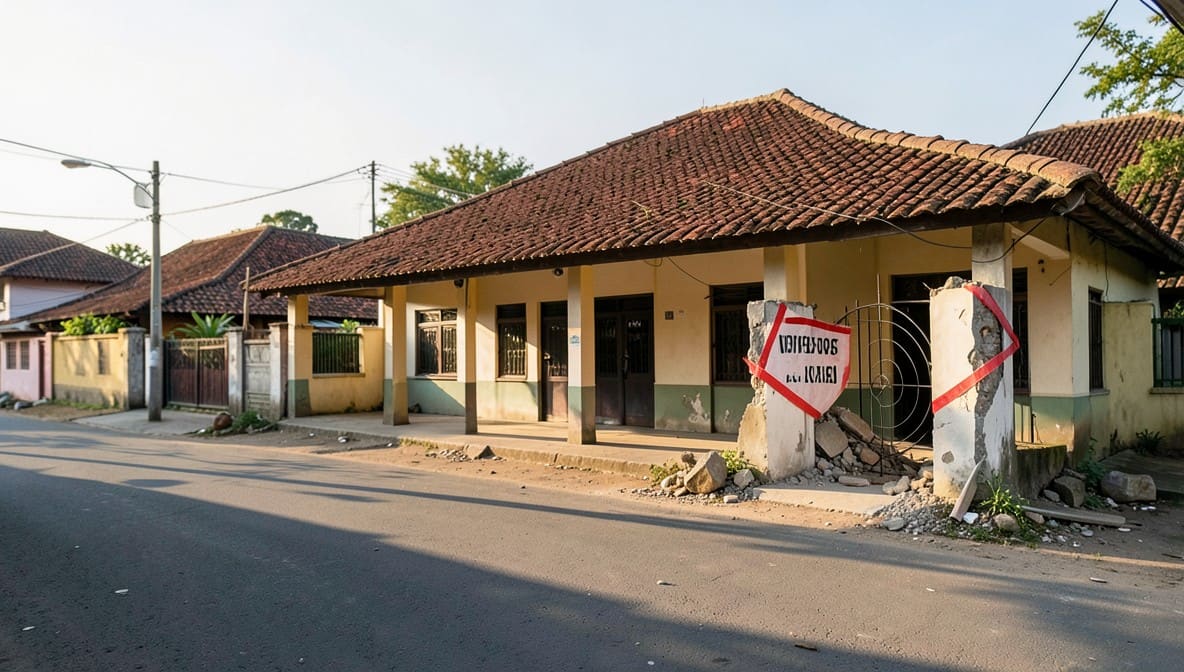
- Photographic Evidence: The petitioners in WP(C) No. 47032/2025 submitted photographs showing damages to their residential properties (Exhibits P2 to P2(G)).
- Environmental Concerns: The area was identified as a landslide susceptibility zone by the Kerala State Disaster Management Authority (KSDMA) and the Geological Survey of India (GSI) (Exhibits P2(H), P2(I), and R14(B)).
Procedural History
- WP(C) No. 18251/2026:
- Filed by M/s. PGCCPL & Aryacon Consortium seeking police protection to continue blasting operations.
- The petitioner company alleged harassment and obstruction by local residents.
- WP(C) No. 47032/2025:
- Filed by local residents challenging the blasting operations and seeking compensation for damages.
- The petitioners also challenged the sanctions obtained by KSEB for the project.
- 09.07.2026: KSEB issued a communication (PM/USHEP/Works-general/2026-27/116) suspending blasting operations based on a representation by the local MLA. The communication stated that operations would resume only after discussions with local residents, the MP, MLA, District Collector, and representatives of the people.
Relief Sought
- WP(C) No. 18251/2026:
- Police protection to continue blasting operations.
- Direction to respondents to ensure uninterrupted project execution.
- WP(C) No. 47032/2025:
- Quashing of sanctions granted to KSEB for blasting operations.
- Compensation for damages to properties.
- Direction to authorities to address environmental and safety concerns.
The Legal Issue
The central question was whether the High Court should intervene in an ongoing administrative dispute or permit the competent authority to resolve the matter through a structured consultation process involving all stakeholders.
Arguments Presented
For the Petitioners in WP(C) No. 18251/2026
- The petitioner consortium argued that it had valid sanctions and approvals for the blasting operations.
- It contended that the obstruction by local residents was unlawful and sought police protection to continue the project.
- Reliance was placed on Exhibits P1 to P24 to demonstrate compliance with statutory requirements.
For the Petitioners in WP(C) No. 47032/2025
- The local residents argued that the blasting operations caused structural damages to their properties, as evidenced by photographs (Exhibits P2 to P2(G)).
- They contended that the sanctions obtained by KSEB were flawed and did not account for environmental risks, particularly in a landslide-prone zone.
- They relied on Exhibits P3, P6, and R14(H) to highlight their representations to authorities and the lack of redressal.
For the Respondents (KSEB and State Authorities)
- KSEB submitted that it had complied with all statutory requirements and obtained necessary approvals for the project.
- It argued that the suspension of blasting operations was a policy decision taken in consultation with elected representatives and local authorities.
- The State of Kerala and other respondents contended that the matter was under active consideration by the competent authority and that judicial intervention at this stage was premature.
The Court's Analysis
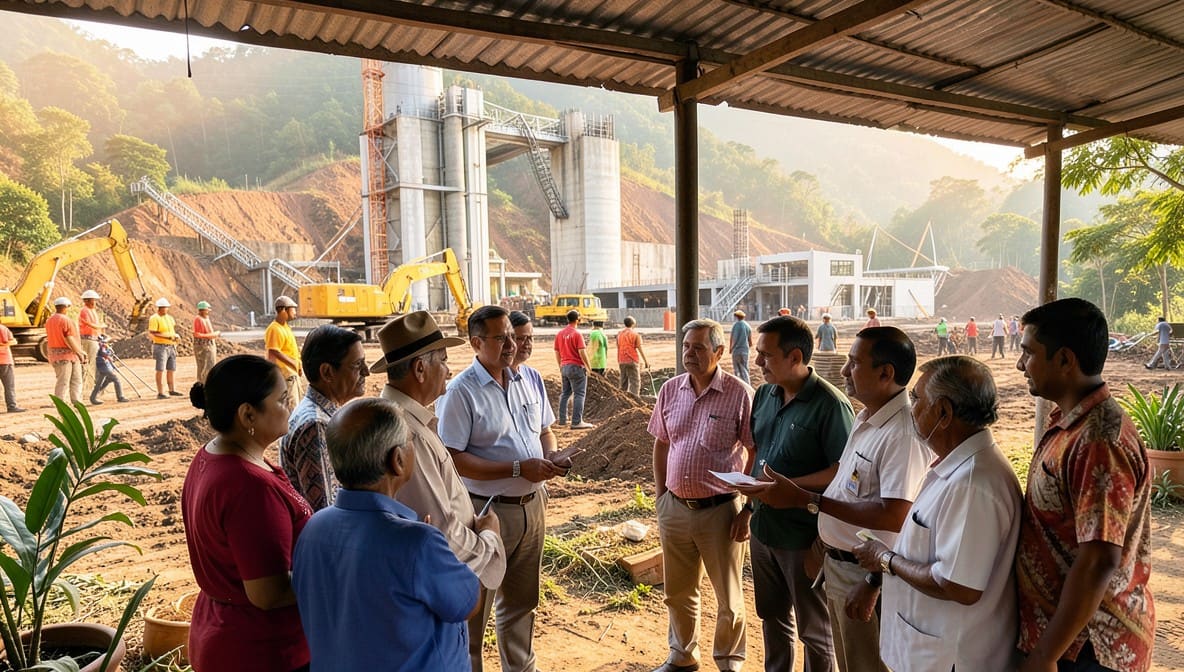
The Court observed that the communication dated 09.07.2026 issued by KSEB indicated that the issues were being actively considered by the competent authority in consultation with local residents, the MP, MLA, District Collector, and representatives of the people. The Court noted that this administrative process provided an opportunity for all stakeholders to present their grievances and claims.
The Court emphasized that judicial intervention at this stage was unnecessary, as the matter was already under consideration through a structured consultative mechanism. It held that the petitioners and respondents could raise all their contentions, claims, and disputes before the competent authority, which would consider the issues in light of the communication dated 09.07.2026.
"Therefore, I am of the view that, these writ petitions can be disposed of permitting the petitioners and the respondents in these writ petitions to raise all their contentions, claims and disputes, while taking a decision on the same before the authority which is proposed to consider the issues in the light of the communication referred to above."
The Court further clarified that the claim for compensation raised by the petitioners in WP(C) No. 47032/2025 (Ext. P6 representation) would also be placed before the competent authority for consideration.
The Verdict
The Court disposed of both writ petitions (WP(C) No. 18251/2026 and WP(C) No. 47032/2025) with the following directions:
- The petitioners and respondents are permitted to raise all their contentions, claims, and disputes before the competent authority considering the issues under the communication dated 09.07.2026.
- The claim for compensation by the petitioners in WP(C) No. 47032/2025 shall be placed before the competent authority for consideration.
- The competent authority shall provide an opportunity for hearing to all parties, including the petitioners and respondents impleaded in the writ petitions.
- All contentions raised in the writ petitions are left open for consideration by the competent authority.
What This Means For Similar Cases
Administrative Resolution Over Judicial Intervention
- This judgment highlights the preference for administrative resolution in disputes involving public infrastructure projects and local grievances.
- Courts may decline to intervene where a structured consultative process is already underway, involving elected representatives, local authorities, and stakeholders.
Inclusive Decision-Making in Contentious Projects
- Project proponents must ensure that local concerns are addressed through consultative mechanisms before proceeding with contentious activities like blasting.
- Local residents can leverage representations to elected officials (MLAs, MPs) to trigger administrative reviews of project approvals.
Compensation Claims in Infrastructure Disputes
- Compensation claims for damages arising from infrastructure projects can be raised before administrative authorities rather than through immediate judicial intervention.
- Documentary evidence (e.g., photographs, expert reports, representations) plays a crucial role in substantiating claims before administrative bodies.