Topic

women's rights

Women's rights in Indian law encompass legal protections against discrimination, domestic violence, and economic disenfranchisement, particularly through provisions like Section 125 CrPC and constitutional guarantees under Article 21.

18 articlesLatest 2 weeks ago
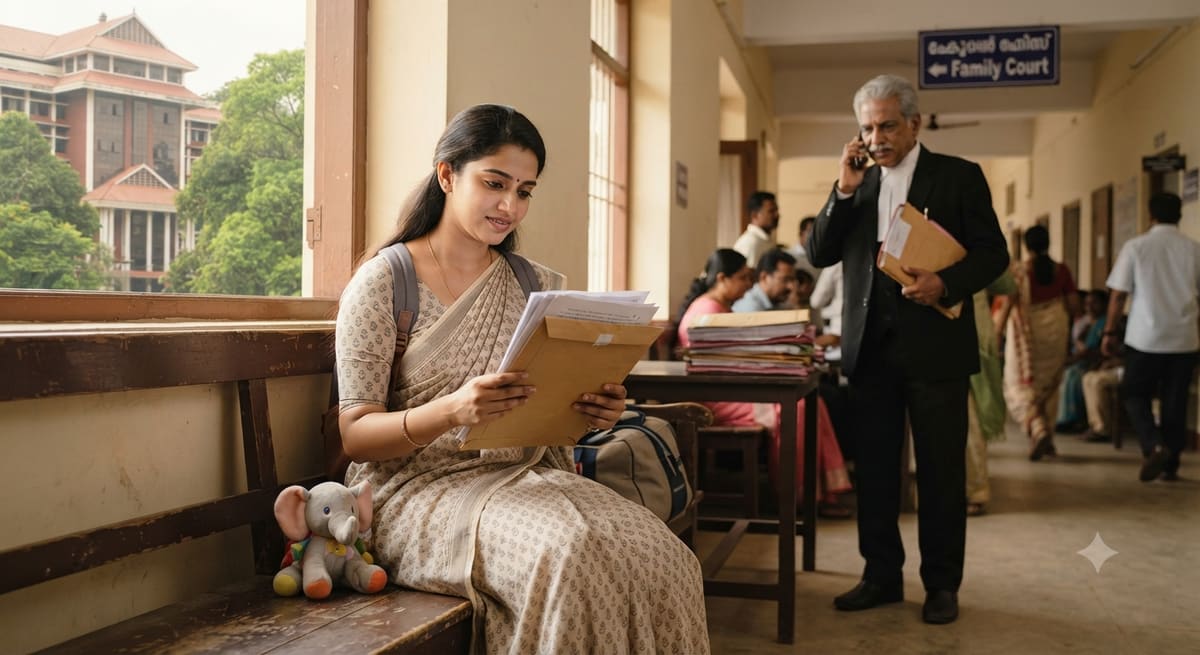
Section 24 CPC | Wife’s Convenience Prevails in Matrimonial Transfer Petitions: Kerala HC Upholds Supreme Court Precedents
Case Law Analysis
|Kerala High Court

Section 24 CPC | Wife’s Convenience Prevails in Matrimonial Transfer Petitions: Kerala HC Upholds Supreme Court Precedents

Kerala High Court transfers matrimonial proceedings from Nedumangad to Mavelikkara Family Court, reaffirming that the wife’s convenience is paramount under Section 24 CPC. The ruling aligns with Supreme Court precedents, reinforcing the principle that matrimonial disputes must prioritize the wife’s accessibility to justice, especially when travel poses undue hardship.

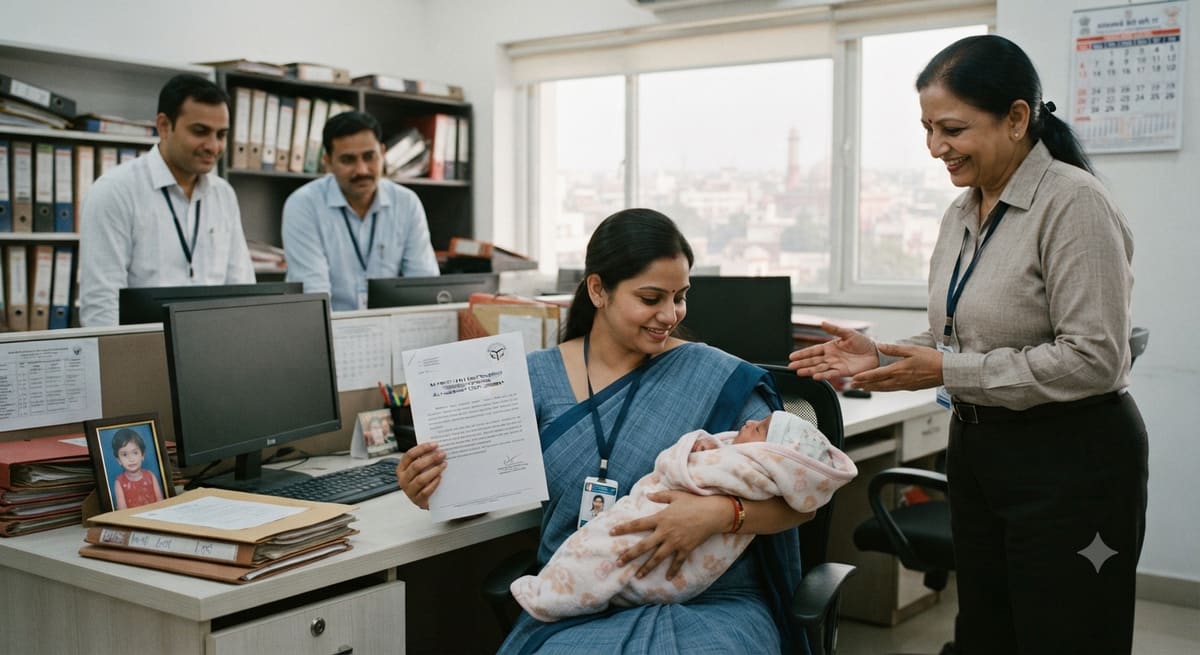
Maternity Leave | Second Leave Entitled After Appointment Even If First Child Born Pre-Service : Allahabad HC
Case Law Analysis
|Allahabad High Court

Maternity Leave | Second Leave Entitled After Appointment Even If First Child Born Pre-Service : Allahabad HC

The Allahabad High Court has ruled that public sector employees are entitled to two maternity leaves under service rules, regardless of whether their first child was born before joining service. This clarifies a critical ambiguity in public employment benefits and affirms gender equity in administrative leave policies for female teachers and government staff.

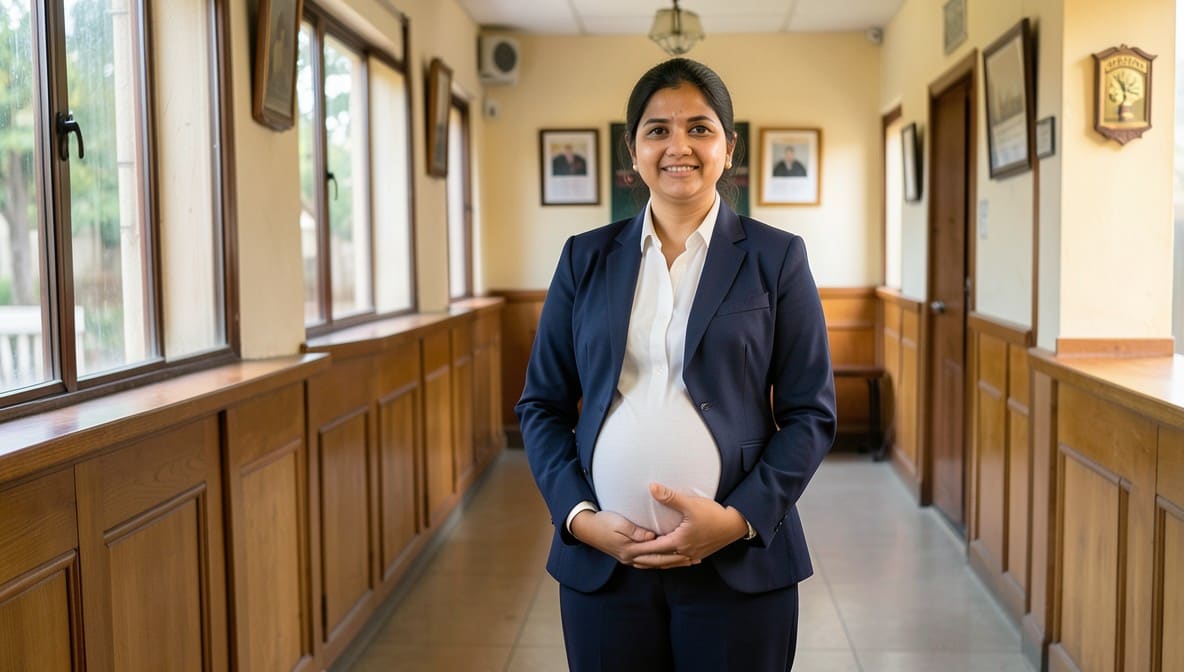
MTP Act Section 3(2)(b) | Marital Breakdown and Severe Mental Distress Justify Termination Up to 24 Weeks: MP HC
Case Law Analysis
|Madhya Pradesh High Court

MTP Act Section 3(2)(b) | Marital Breakdown and Severe Mental Distress Justify Termination Up to 24 Weeks: MP HC

The Madhya Pradesh High Court has ruled that the breakdown of marriage, coupled with documented psychological trauma and threat to mental well-being, qualifies as a grave risk to the woman’s health under Section 3(2)(b) of the MTP Act, extending termination rights beyond fetal anomaly cases. This affirms reproductive autonomy as a core dimension of Article 21, setting a critical precedent for women in abusive or collapsed marriages seeking legal recourse beyond the 12-week threshold.

Section 24 CPC | Wife's Financial Dependence and Proximity to Related Litigation Justify Transfer of Matrimonial Proceedings : Himachal Pradesh HC
Case Law Analysis
|Himachal Pradesh High Court

Section 24 CPC | Wife's Financial Dependence and Proximity to Related Litigation Justify Transfer of Matrimonial Proceedings : Himachal Pradesh HC

Himachal Pradesh High Court transfers divorce proceedings under Section 24 CPC, prioritizing the wife's financial dependence, logistical convenience, and proximity to pending maintenance and domestic violence cases. The ruling reinforces judicial sensitivity to gendered hardships in matrimonial disputes.

MTP Act Section 3(2)(b) | Rape Survivor’s Consent Alone Sufficient for Termination Beyond 20 Weeks Under Article 21: MP HC
Case Law Analysis
|Madhya Pradesh High Court

MTP Act Section 3(2)(b) | Rape Survivor’s Consent Alone Sufficient for Termination Beyond 20 Weeks Under Article 21: MP HC

The Madhya Pradesh High Court ruled that a rape survivor’s voluntary consent is decisive for medical termination of pregnancy, even beyond the 20-week limit, affirming bodily autonomy as a fundamental right under Article 21. The judgment removes procedural barriers for survivors seeking timely abortion, reinforcing that POCSO and MTP Act must be read harmoniously to protect dignity and health.

Section 482 CrPC | Quashing DV Act Proceedings Limited to Non-Resident Relatives: Gauhati HC Upholds Trial for Core Family Members
|Gauhati High Court

Section 482 CrPC | Quashing DV Act Proceedings Limited to Non-Resident Relatives: Gauhati HC Upholds Trial for Core Family Members

Gauhati High Court clarifies that quashing under Section 482 CrPC in Domestic Violence Act cases is restricted to relatives not residing with the aggrieved party. The ruling mandates trial for the husband, father-in-law, and mother-in-law, emphasizing that specific allegations of abuse cannot be dismissed at the quashing stage. This sets a precedent for stricter scrutiny of DV Act proceedings against immediate family members.

Article 21 | Adult Woman’s Consent to Marriage Overrides Parental Habeas Corpus Claim: Karnataka HC
Case Law Analysis
|Karnataka High Court

Article 21 | Adult Woman’s Consent to Marriage Overrides Parental Habeas Corpus Claim: Karnataka HC

The Karnataka High Court dismissed a habeas corpus petition filed by a father seeking his daughter’s return, affirming that an adult woman’s voluntary choice to remain with her husband-even after a forced marriage-trumps parental custody claims. The court ordered her placement in a Women’s Welfare Center with medical care due to pregnancy, reinforcing that personal liberty and marital autonomy are inviolable under Article 21.

Matrimonial Autonomy | Professional Career Pursuit & Child Welfare Not Cruelty or Desertion : SC Rejects Patriarchal Marital Expectations
Case Law Analysis
|Supreme Court of India

Matrimonial Autonomy | Professional Career Pursuit & Child Welfare Not Cruelty or Desertion : SC Rejects Patriarchal Marital Expectations

The Supreme Court ruled that a woman’s pursuit of her professional career and decision to live separately for her child’s welfare cannot be construed as cruelty or desertion under matrimonial law. The judgment underscores that marriage does not extinguish a woman’s autonomy, and societal expectations cannot override her right to dignity and self-determination.

Section 125 CrPC | Maintenance Must Reflect Marital Standard of Living, Not Just Income Claims : Punjab & Haryana HC
Case Law Analysis
|Punjab and Haryana High Court

Section 125 CrPC | Maintenance Must Reflect Marital Standard of Living, Not Just Income Claims : Punjab & Haryana HC

The Punjab & Haryana High Court ruled that a wife’s maintenance under Section 125 CrPC must ensure a dignified life aligned with the marital standard, rejecting unsubstantiated claims of her boutique income. This sets a critical precedent: financial independence assertions without verified evidence cannot override the statutory mandate to preserve post-marital dignity, directly impacting how lower courts assess maintenance in contested cases.

Section 125 CrPC | Partial Income Does Not Bar Maintenance Entitlement; No FIR Under Section 498-A Irrelevant to Civil Claim : Gauhati HC
Case Law Analysis
|Gauhati High Court

Section 125 CrPC | Partial Income Does Not Bar Maintenance Entitlement; No FIR Under Section 498-A Irrelevant to Civil Claim : Gauhati HC

A wife earning Rs. 2,000/month is entitled to Rs. 7,000/month maintenance under Section 125 CrPC, as the law prioritizes basic subsistence over partial earnings. The absence of a Section 498-A FIR does not diminish her civil right to maintenance, reinforcing that economic vulnerability, not criminal allegations, governs maintenance proceedings.