Topic

Section 66

4 articlesLatest September 2026
Section 14 IBC Contribution Order Valid Without Section 66 Finding | NCLAT
Case Law Analysis
|National Company Law Appellate Tribunal

Section 14 IBC Contribution Order Valid Without Section 66 Finding | NCLAT

NCLAT ruled that a contribution order under Section 14 of the IBC can be imposed without a prior Section 66 finding, and that a Section 74 direction is only a reference now rendered moot by amendment. This means directors and resolution professionals may be liable for contributions during the moratorium even absent a default finding.

Section 66 Karnataka Slum Areas Act | Civil Courts Barred from Adjudicating Slum Land Disputes : Karnataka HC Upholds Statutory Exclusion
Case Law Analysis
|Karnataka High Court

Section 66 Karnataka Slum Areas Act | Civil Courts Barred from Adjudicating Slum Land Disputes : Karnataka HC Upholds Statutory Exclusion

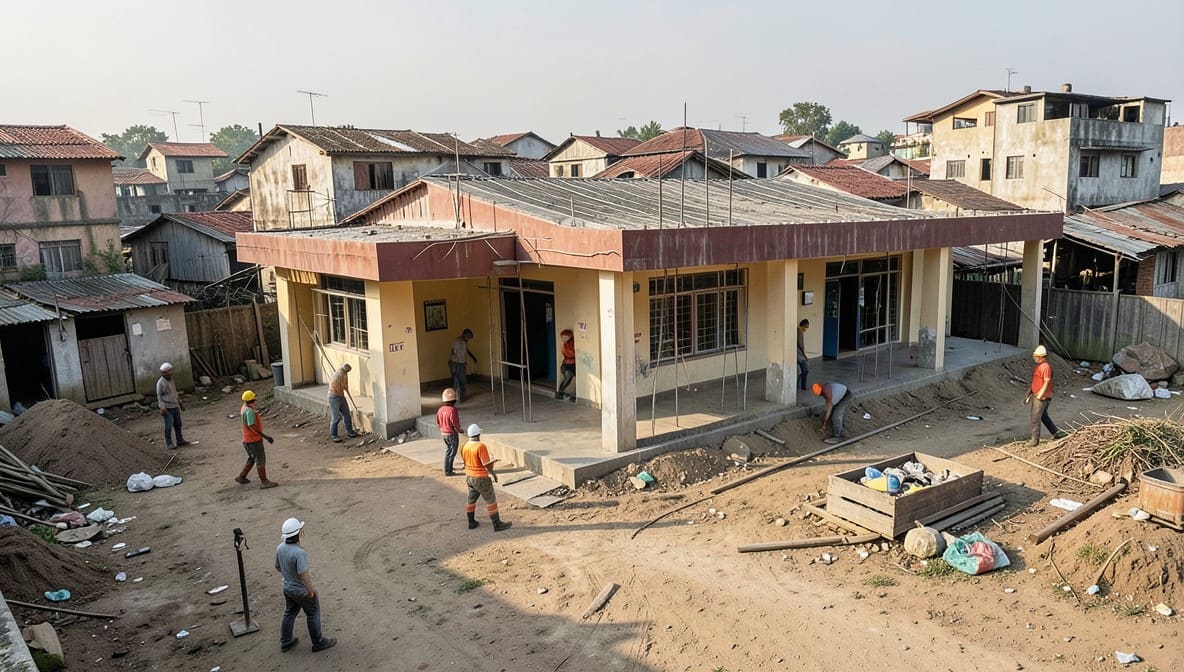
The Karnataka High Court reaffirmed that Section 66 of the Karnataka Slum Areas Act ousts civil court jurisdiction over disputes involving slum land development, including challenges to construction resolutions. The ruling underscores that plaintiffs cannot bypass statutory bars even if estoppel or prior declarations under other laws (e.g., Urban Land Ceiling Act) are invoked, reinforcing the exclusivity of statutory mechanisms for slum-related disputes.

Sections 65 & 66 Maharashtra Tenancy Act | Statutory Inquiry Mandatory Before Land Acquisition: Bombay HC Quashes Order for Due Process Violation
Case Law Analysis
|Bombay High Court

Sections 65 & 66 Maharashtra Tenancy Act | Statutory Inquiry Mandatory Before Land Acquisition: Bombay HC Quashes Order for Due Process Violation

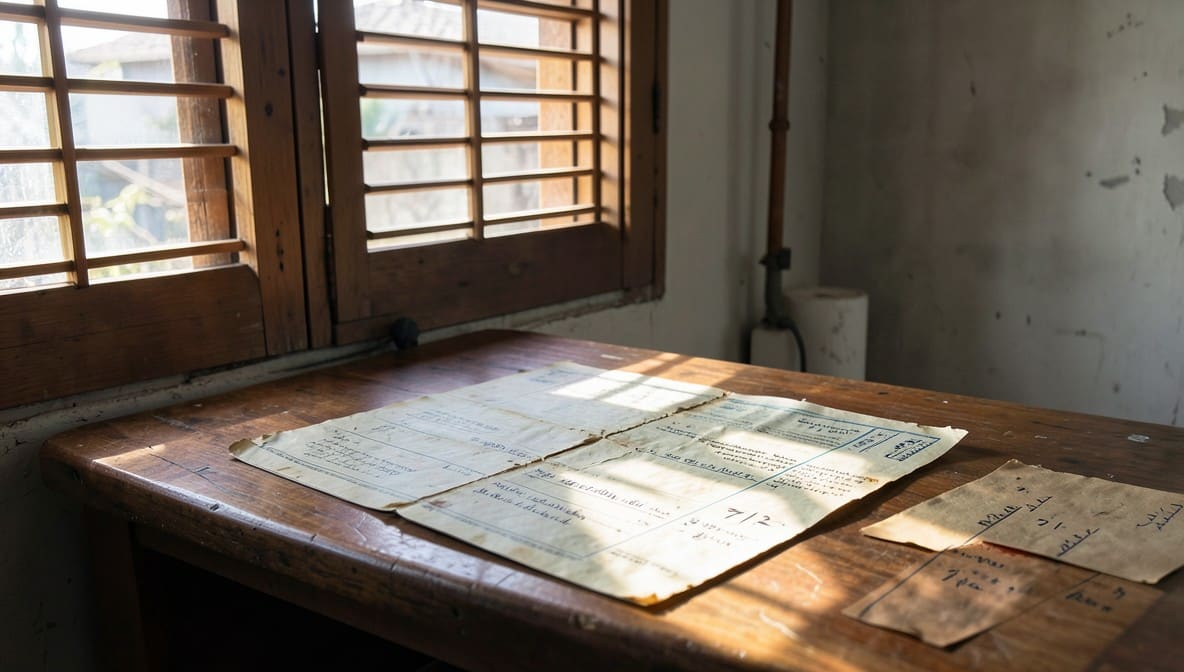
Bombay High Court rules that land acquisition under the Maharashtra Tenancy Act requires strict compliance with Sections 65 and 66, mandating a statutory inquiry before any acquisition. The court quashed the acquisition order, emphasizing that procedural fairness is non-negotiable, and mere declaration without inquiry is insufficient to deprive landowners of their property rights.