Topic

Review Application

A review application in Indian law is a procedural remedy to correct a patent error in a judicial order, governed by specific provisions like Order XLVII Rule 1 of the CPC or statutory provisions under consumer protection and labour laws.

10 articlesLatest 3 weeks ago
Actual Wages Apply Post-2009 Amendment | Employees Compensation Act : Bombay HC (Aurangabad)
Case Law Analysis
|Bombay High Court

Actual Wages Apply Post-2009 Amendment | Employees Compensation Act : Bombay HC (Aurangabad)

Bombay HC rejects review plea challenging compensation calculation under the Employees Compensation Act, 1923, affirming that actual wages must be considered post-2009 amendment despite a government notification imposing a cap. The ruling clarifies that the 2009 amendment removed the deeming cap on monthly wages, extending compensation based on actual earnings.

Section 115 CPC | Revision Petition Maintainable Against Review Order Without Challenging Decree : Meghalaya HC
|Meghalaya High Court

Section 115 CPC | Revision Petition Maintainable Against Review Order Without Challenging Decree : Meghalaya HC

Meghalaya High Court holds that a revision petition under Section 115 CPC can challenge an order rejecting a review application, even if the underlying decree remains unchallenged. This ruling clarifies the limited but crucial scope of revisional jurisdiction, offering tenants and litigants an additional remedy in eviction and property disputes without reopening the final decree.

Section 41 Consumer Protection Act 2019 | No Writ Petition Under Article 227 for Non-Deposit of 50% Appeal Amount; Alternative Remedy Must Be Exhausted : Allahabad HC
Case Law Analysis
|Allahabad High Court

Section 41 Consumer Protection Act 2019 | No Writ Petition Under Article 227 for Non-Deposit of 50% Appeal Amount; Alternative Remedy Must Be Exhausted : Allahabad HC

The Allahabad High Court has ruled that failure to deposit 50% of the disputed amount under Section 41 of the Consumer Protection Act 2019 does not open the door to writ jurisdiction under Article 227. Petitioners must first approach the State Commission for waiver or relief, reinforcing the principle that statutory appellate remedies must be exhausted before invoking extraordinary constitutional jurisdiction. This clarifies the boundaries of writ powers in consumer disputes and protects the efficiency of the consumer redressal framework.

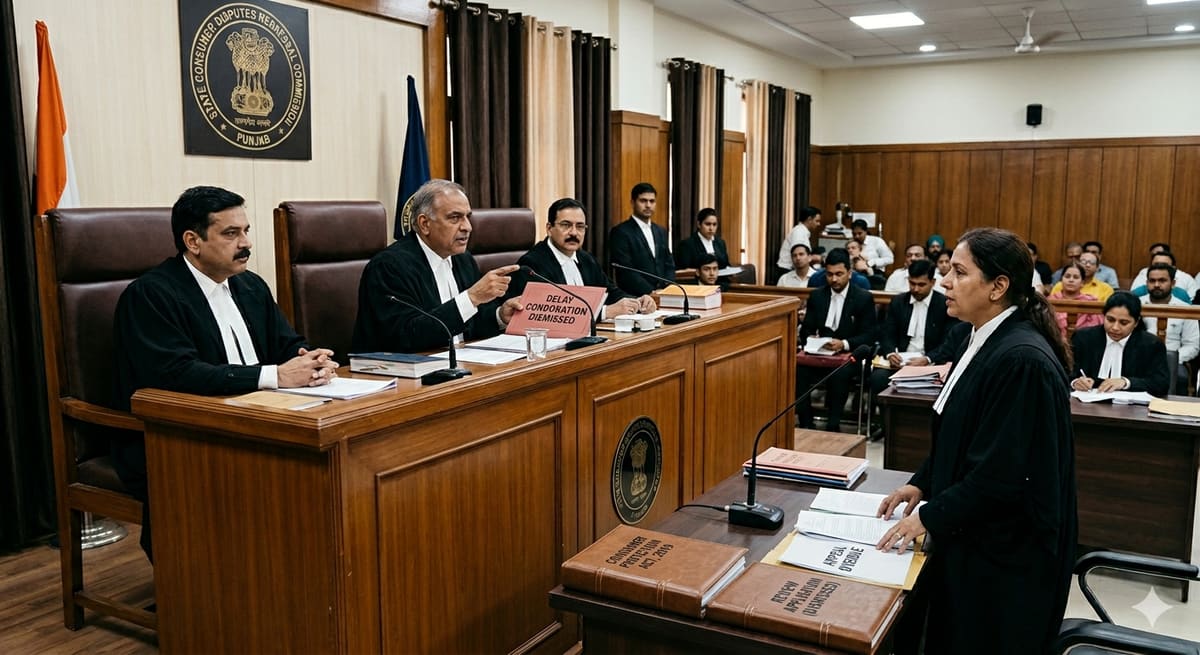
Section 5 Limitation Act | Tribunals Lack Inherent Power to Condone Delay in Review Applications: CAT Lucknow Bench
Case Law Analysis
|Central Administrative Tribunal

Section 5 Limitation Act | Tribunals Lack Inherent Power to Condone Delay in Review Applications: CAT Lucknow Bench

CAT Lucknow rules that tribunals, including the Central Administrative Tribunal, cannot condone delay under Section 5 of the Limitation Act unless expressly empowered by statute or rules. The decision clarifies that the tribunal's procedural flexibility under Section 22 of the Administrative Tribunals Act does not extend to delay condonation, impacting review applicants across administrative law proceedings.

Consumer Protection Act | Maturity Payment Does Not Extinguish Pending Disability Benefit Claims: NCDRC
Case Law Analysis

Consumer Protection Act | Maturity Payment Does Not Extinguish Pending Disability Benefit Claims: NCDRC

The NCDRC has ruled that insurers cannot deny disability benefits merely because the policyholder received a maturity payout, affirming that these are separate contractual entitlements. This sets a critical precedent for policyholders with long-term disability claims, ensuring procedural fairness and preventing insurers from using settlement payments as a loophole to avoid liability.

Section 25-N(6) ID Act | Multiplicity of Proceedings Bars Review Application Under MRTU & PULP Act : Bombay HC
Case Law Analysis
|Bombay High Court

Section 25-N(6) ID Act | Multiplicity of Proceedings Bars Review Application Under MRTU & PULP Act : Bombay HC

Bombay High Court rules that filing an unfair labour practice complaint under the MRTU & PULP Act precludes a subsequent review application under Section 25-N(6) of the Industrial Disputes Act, reinforcing legislative intent to avoid overlapping proceedings. The decision impacts workmen seeking redressal for retrenchment disputes, limiting their legal remedies.