Topic

Redemption Fine

Redemption fine under Indian customs law is a penalty paid by importers to reclaim goods seized for violations, often when confiscation is not warranted.

6 articlesLatest July 2026
Section 111(l) & 114A Customs Act | Marginal Measurement Discrepancy Without Mens Rea Cannot Sustain Redemption Fine & Penalty : CESTAT Mumbai
|Custom, Excise & Service Tax Tribunal

Section 111(l) & 114A Customs Act | Marginal Measurement Discrepancy Without Mens Rea Cannot Sustain Redemption Fine & Penalty : CESTAT Mumbai

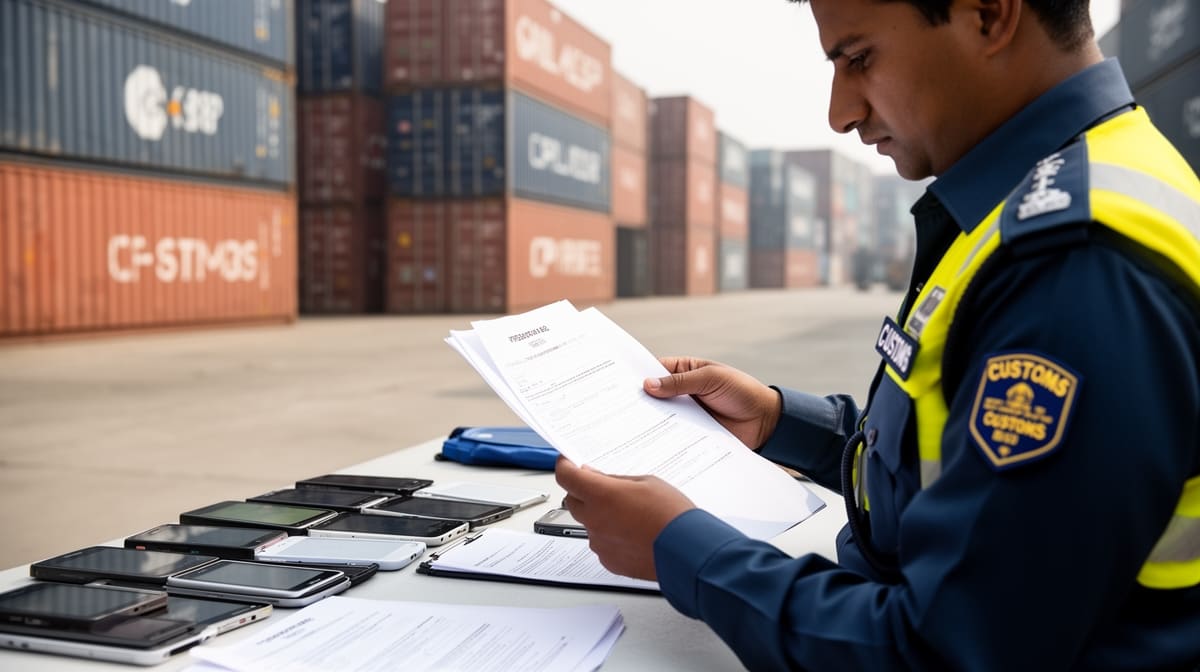
CESTAT Mumbai quashes redemption fine and penalty under Sections 111(l), 111(m), and 114A of the Customs Act, ruling that a 13% excess in declared surface area-attributable to measurement methodology-does not constitute deliberate misdeclaration. The Tribunal emphasized that penalties require proof of mens rea, offering relief to importers facing disproportionate liabilities for minor discrepancies.

Customs Valuation Rule 12 | Transaction Value Cannot Be Rejected Without Reliable Comparable Evidence: CESTAT Chennai
Case Law Analysis
|Custom, Excise & Service Tax Tribunal

Customs Valuation Rule 12 | Transaction Value Cannot Be Rejected Without Reliable Comparable Evidence: CESTAT Chennai

CESTAT Chennai has ruled that customs authorities cannot override the declared transaction value for imported used garments merely on suspicion of undervaluation. Any enhancement must be grounded in verifiable, contemporaneous comparable imports under Rule 5 - not speculative assumptions. This strengthens importers' rights under the Valuation Rules and curbs arbitrary valuation practices in the textile trade.

SVLDRS 2019 | Redemption Fine Paid Under Illegal Demand Must Be Refunded as Payment Not Voluntary : CESTAT Ahmedabad
Case Law Analysis
|Custom, Excise & Service Tax Tribunal

SVLDRS 2019 | Redemption Fine Paid Under Illegal Demand Must Be Refunded as Payment Not Voluntary : CESTAT Ahmedabad

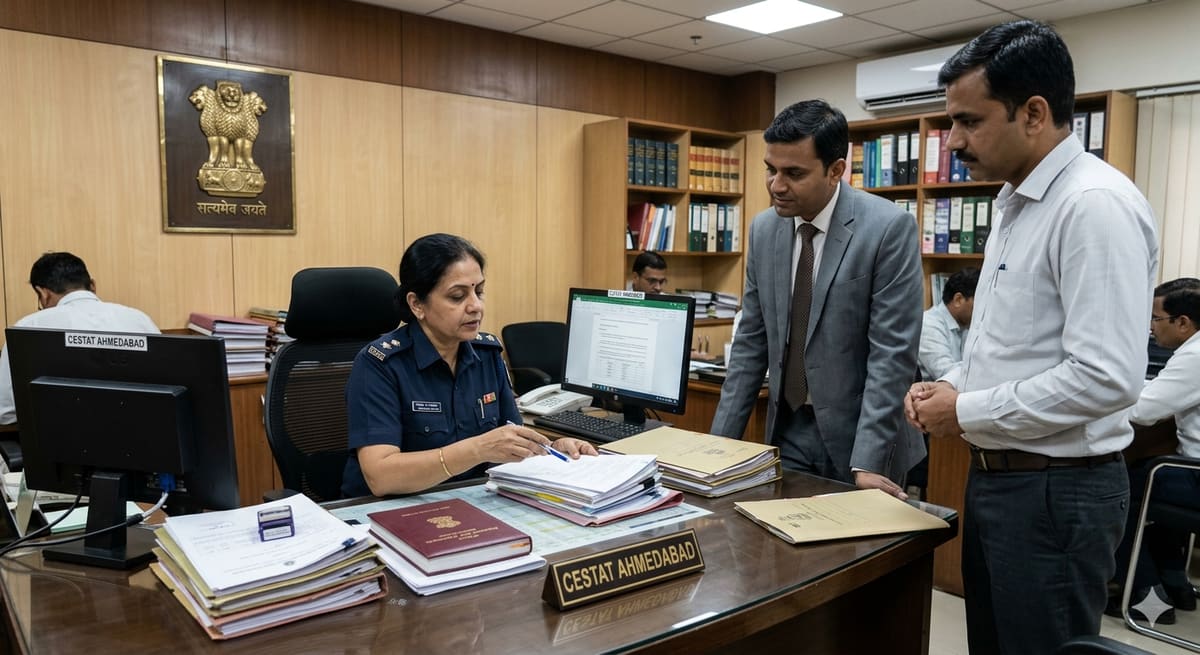
CESTAT Ahmedabad rules that redemption fines paid under coercive departmental directions do not qualify as voluntary payments under SVLDRS 2019, entitling assessees to refunds. The decision protects taxpayers from unlawful administrative demands and reinforces the scheme’s intent to provide finality without duress.

Section 123 Customs Act | Revenue Must Prove Foreign Origin of Goods for Confiscation: CESTAT Kolkata Sets Aside Penalty
Case Law Analysis
|Custom, Excise & Service Tax Tribunal

Section 123 Customs Act | Revenue Must Prove Foreign Origin of Goods for Confiscation: CESTAT Kolkata Sets Aside Penalty

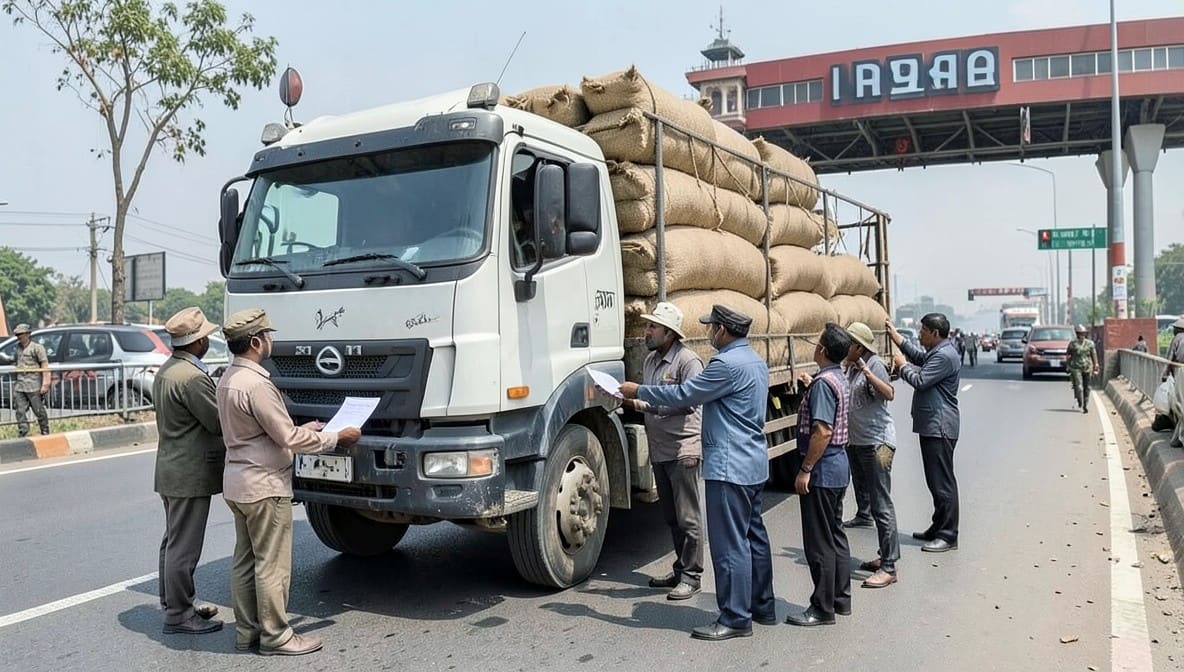
CESTAT Kolkata ruled that the Revenue failed to discharge its burden under Section 123 of the Customs Act to establish the foreign origin of seized peas, leading to the quashing of confiscation and penalty. The judgment reinforces that confiscation under the Customs Act requires strict proof of foreign origin, not mere suspicion.

Section 125 & 112(a) Customs Act | Redemption Fine and Penalty Must Be Proportionate to Importer's Culpability : CESTAT Chennai
Case Law Analysis
|Custom, Excise & Service Tax Tribunal

Section 125 & 112(a) Customs Act | Redemption Fine and Penalty Must Be Proportionate to Importer's Culpability : CESTAT Chennai

CESTAT Chennai reduces redemption fine and penalty under Sections 125 and 112(a) of the Customs Act, holding that importers acting in good faith based on supplier documents cannot be penalized for misdeclaration beyond their actual role. The ruling establishes that liability must reflect the degree of culpability, offering relief to importers facing disproportionate penalties.