Topic

Income Tax Appeal

An Income Tax Appeal in India is a legal challenge to a tax assessment order issued by the Income Tax Department, heard by the Income Tax Appellate Tribunal (ITAT) under the Income-tax Act, 1961.

154 articlesLatest September 2026
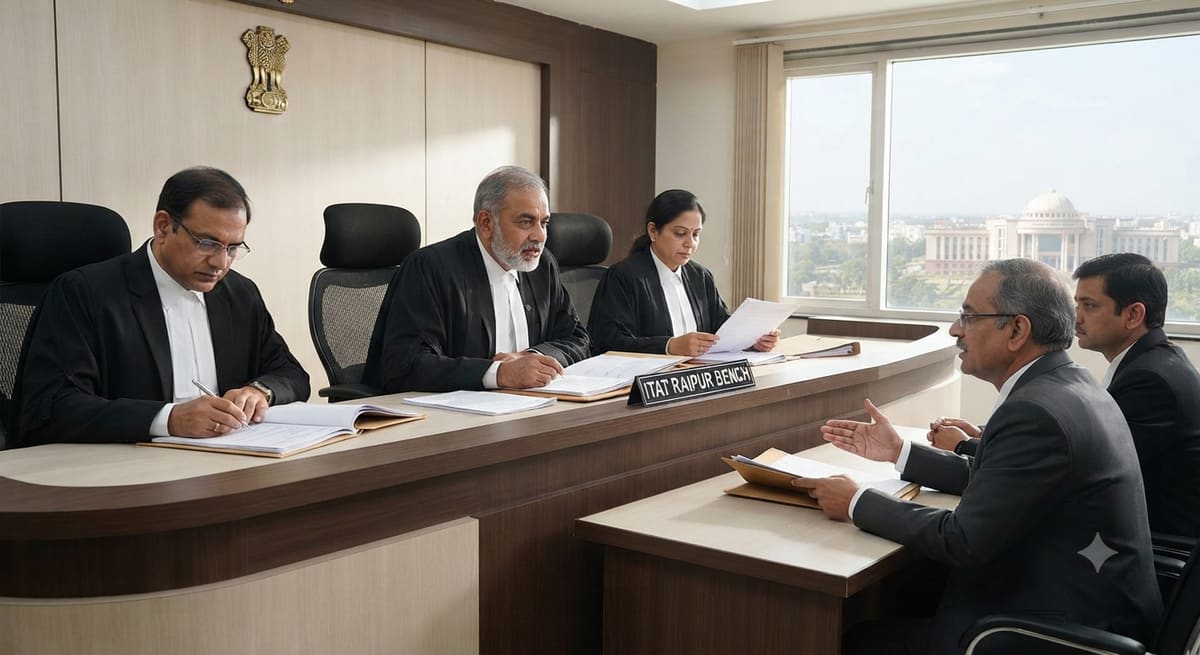
Natural Justice Requires Hearing Before Rejecting Appeal for Delay | ITAT Raipur
Case Law Analysis
|Income Tax Appellate Tribunal

Natural Justice Requires Hearing Before Rejecting Appeal for Delay | ITAT Raipur

The ITAT Raipur bench ruled that dismissing an income tax appeal solely due to delay, without affording the appellant an opportunity to explain the reason, violates fundamental principles of natural justice. This sets a critical precedent for taxpayers and tax authorities alike: procedural fairness trumps technical non-compliance when substantive rights are at stake.

Section 143(1) IT Act | CPC Cannot Treat FCRA Contributions as Undisclosed Income Without Scrutiny or Reconciliation: ITAT Delhi
Case Law Analysis
|Income Tax Appellate Tribunal

Section 143(1) IT Act | CPC Cannot Treat FCRA Contributions as Undisclosed Income Without Scrutiny or Reconciliation: ITAT Delhi

The ITAT Delhi has ruled that the CPC cannot unilaterally treat foreign contributions disclosed under FCRA as undisclosed income under Section 143(1), especially when the assessee has consistently reported them over multiple years. This sets a critical precedent for NGOs and non-profits, affirming that mechanical adjustments without verification violate procedural fairness and the principle of tax consistency.

Condonation of Delay | Service of Notice at Outdated Address Despite Portal Updates Constitutes Sufficient Cause: ITAT Delhi
Case Law Analysis
|Income Tax Appellate Tribunal

Condonation of Delay | Service of Notice at Outdated Address Despite Portal Updates Constitutes Sufficient Cause: ITAT Delhi

The ITAT Delhi has ruled that sending tax notices to an outdated address, even when the assessee updated their details on the Income Tax Portal and Form 35, amounts to sufficient cause for condoning delay in filing appeals. This sets a critical precedent for taxpayers with mobility or health constraints, reinforcing that procedural fairness must override technical non-compliance when the tax department fails to use verified digital records.

Section 249(3) IT Act | Delay in First Appeal Condoned for Widow Caring for Seriously Ill Daughter on Substantial Justice Grounds : ITAT Agra
Case Law Analysis
|Income Tax Appellate Tribunal

Section 249(3) IT Act | Delay in First Appeal Condoned for Widow Caring for Seriously Ill Daughter on Substantial Justice Grounds : ITAT Agra

The ITAT Agra bench condoned a 59-day delay in filing an appeal before the CIT(A), holding that personal hardship-specifically, a widow’s sole responsibility for her daughter’s prolonged medical care-constitutes sufficient cause under Section 249(3). The ruling reinforces that technical limitation bars cannot override substantive justice in tax appeals, especially when the appellant faces extraordinary personal circumstances with no mala fide intent.

Section 250 IT Act | Dismissing Tax Appeal Without Hearing Despite Adjournment Request Violates Natural Justice: ITAT Kolkata
Case Law Analysis
|Income Tax Appellate Tribunal

Section 250 IT Act | Dismissing Tax Appeal Without Hearing Despite Adjournment Request Violates Natural Justice: ITAT Kolkata

The ITAT Kolkata has held that the CIT(A)’s dismissal of an income tax appeal without considering a timely adjournment request constitutes a fatal breach of natural justice, rendering the order void. This reinforces that even in faceless appeal systems, the right to be heard is non-negotiable and cannot be waived by procedural technicalities or non-appearance.

Section 44AD Income Tax Act | Presumptive Taxation Invalid Beyond Rs. 1 Crore Turnover; Disallowed Expenses Must Be Reconsidered on Remand : ITAT Pune
Case Law Analysis
|Income Tax Appellate Tribunal

Section 44AD Income Tax Act | Presumptive Taxation Invalid Beyond Rs. 1 Crore Turnover; Disallowed Expenses Must Be Reconsidered on Remand : ITAT Pune

The ITAT Pune has ruled that a partnership firm cannot claim presumptive taxation under Section 44AD once gross receipts surpass Rs. 1 crore, even if income was initially declared at 8%. Crucially, it directed the Assessing Officer to reconsider disallowed business expenses on remand, reinforcing that denial of presumptive benefit does not automatically justify blanket expense rejection without proper scrutiny.

Section 271(1)(b) Penalty Deletion & Condonation of 578-Day Delay | ITAT Surat Rules NRI Residence Abroad as 'Sufficient Cause' for Non-Compliance : ITAT Surat
Case Law Analysis
|Income Tax Appellate Tribunal

Section 271(1)(b) Penalty Deletion & Condonation of 578-Day Delay | ITAT Surat Rules NRI Residence Abroad as 'Sufficient Cause' for Non-Compliance : ITAT Surat

ITAT Surat condoned a 578-day delay in appeal filing, holding that an assessee's residence abroad constitutes 'sufficient cause' for non-compliance with tax notices. The Tribunal deleted the penalty under Section 271(1)(b) and remanded the ex-parte assessment of NRE account credits, reinforcing leniency for NRIs in tax proceedings.

Condonation of Delay | Reliance on Unverified RMS-NMS Data Constitutes Sufficient Cause Under Limitation Act: ITAT Pune
Case Law Analysis
|Income Tax Appellate Tribunal

Condonation of Delay | Reliance on Unverified RMS-NMS Data Constitutes Sufficient Cause Under Limitation Act: ITAT Pune

ITAT Pune condoned a 79-day delay in filing an income tax appeal, holding that reliance on unverified data from the RMS-NMS insight portal constitutes sufficient cause under the Limitation Act. This ruling empowers taxpayers who act in good faith based on flawed government-generated alerts, reinforcing procedural fairness over technical non-compliance.

Section 80P(2)(a)(i) | Co-operative Societies Entitled to Deduction on Interest Income from Member Loans : ITAT Pune
Case Law Analysis
|Income Tax Appellate Tribunal

Section 80P(2)(a)(i) | Co-operative Societies Entitled to Deduction on Interest Income from Member Loans : ITAT Pune

ITAT Pune reaffirms that co-operative societies engaged in providing credit facilities exclusively to members are eligible for deduction under Section 80P(2)(a)(i) on interest income, distinguishing the Totgars precedent. The ruling reinforces binding judicial consistency for salary earners' credit societies, impacting tax liability calculations for similar entities.