Topic

Exhaustion of Remedies

Exhaustion of remedies in Indian law requires a party to first use all available statutory appeal or dispute resolution mechanisms before approaching courts via writ petitions.

11 articlesLatest August 2026
Exhaustion of SARFAESI Remedy Required Before Writ Challenge - RBI 2023 Guidelines Withdrawal Irrelevant | SARFAESI Act : Calcutta HC
|Calcutta High Court

Exhaustion of SARFAESI Remedy Required Before Writ Challenge - RBI 2023 Guidelines Withdrawal Irrelevant | SARFAESI Act : Calcutta HC

A writ petition contesting NPA classification is inadmissible unless the borrower first pursues the SARFAESI enforcement route, and the RBI’s 2023 Fair Lending Guidelines, withdrawn in 2025, do not affect this statutory requirement. This limits borrowers’ recourse to writ jurisdiction and underscores the primacy of SARFAESI procedures.


Section 59 MP Krishi Upaj Mandi Adhiniyam | Statutory Remedies Take Precedence Over e-Mandi Compliance Notices: MP HC
Case Law Analysis
|Madhya Pradesh High Court

Section 59 MP Krishi Upaj Mandi Adhiniyam | Statutory Remedies Take Precedence Over e-Mandi Compliance Notices: MP HC

The Madhya Pradesh High Court has stayed coercive e-Mandi enforcement actions against commission agents pending final adjudication of their Section 59 application, establishing that administrative digital mandates cannot override pending statutory remedies under the 1972 Mandi Act. This ruling protects traditional mandi traders from unilateral digital compliance demands and reinforces the exhaustion principle in agricultural market regulation.

Section 10 TN Land Encroachment Act | Exhaustion of Appellate Remedy Mandatory Before Writ Petition; Commercial Use of Grama Natham Land Illegal : Madras HC
Case Law Analysis
|Madras High Court

Section 10 TN Land Encroachment Act | Exhaustion of Appellate Remedy Mandatory Before Writ Petition; Commercial Use of Grama Natham Land Illegal : Madras HC

Madras High Court ruled that a writ petition challenging an eviction notice under Section 6 of the Tamil Nadu Land Encroachment Act is not maintainable without first exhausting the statutory appeal under Section 10. The court also held that commercial use of grama natham land is illegal, reinforcing the state's authority over such lands.

Section 11(6) Arbitration Act | Administrative Silence After Contractual Exhaustion Constitutes Refusal to Appoint Arbitrator : Patna HC
Case Law Analysis
|Patna High Court

Section 11(6) Arbitration Act | Administrative Silence After Contractual Exhaustion Constitutes Refusal to Appoint Arbitrator : Patna HC

Patna High Court holds that failure of a government department to respond to arbitration appointment notices under a construction contract amounts to a deemed refusal, empowering courts to appoint an arbitrator under Section 11(6). The ruling clarifies that contractual dispute resolution exhaustion includes administrative inaction, impacting contractors in government contracts.

Exhaustion of Remedies Mandatory Under Forest Rights Act Before Writ Petition : Gujarat HC
Case Law Analysis
|Gujarat High Court

Exhaustion of Remedies Mandatory Under Forest Rights Act Before Writ Petition : Gujarat HC

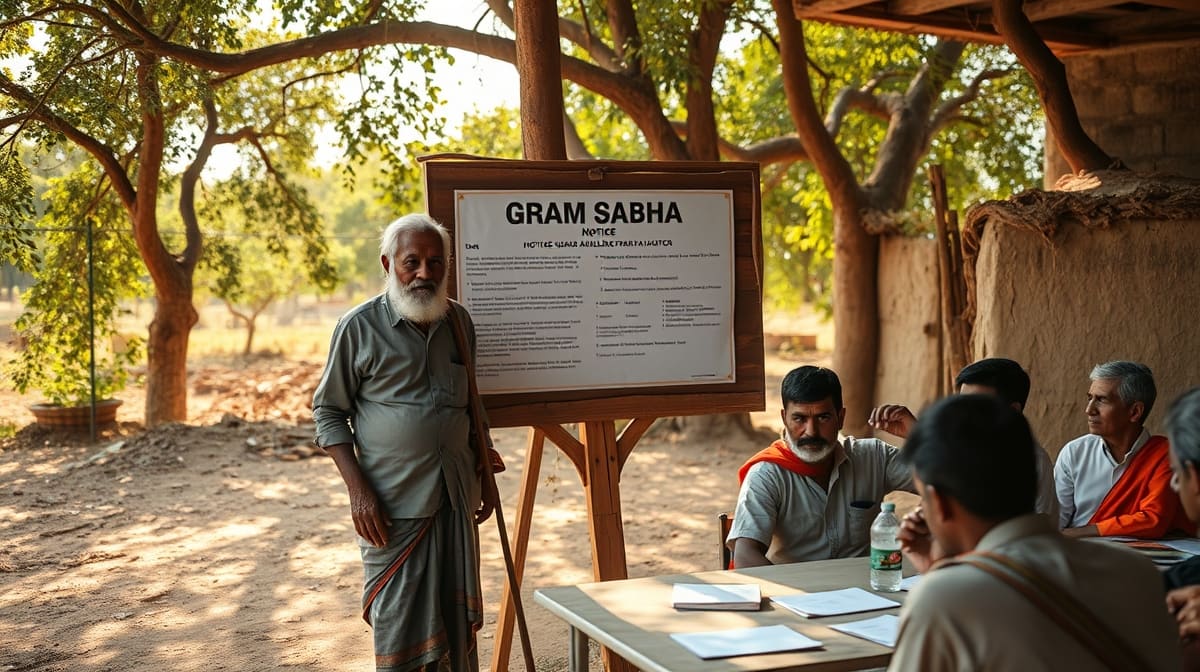
The Gujarat High Court dismissed a writ petition under the Forest Rights Act, 2006, ruling that petitioners must first exhaust all statutory remedies, including Gram Sabha applications, before approaching the court. The judgment reinforces the principle that judicial intervention is premature without availing administrative redress mechanisms, impacting forest-dwelling communities seeking land rights.

Exhaustion of Remedies Mandatory | Section 17 SARFAESI Act Bars Writ Petition Before DRT Approach : Punjab & Haryana HC
Case Law Analysis
|Punjab and Haryana High Court

Exhaustion of Remedies Mandatory | Section 17 SARFAESI Act Bars Writ Petition Before DRT Approach : Punjab & Haryana HC

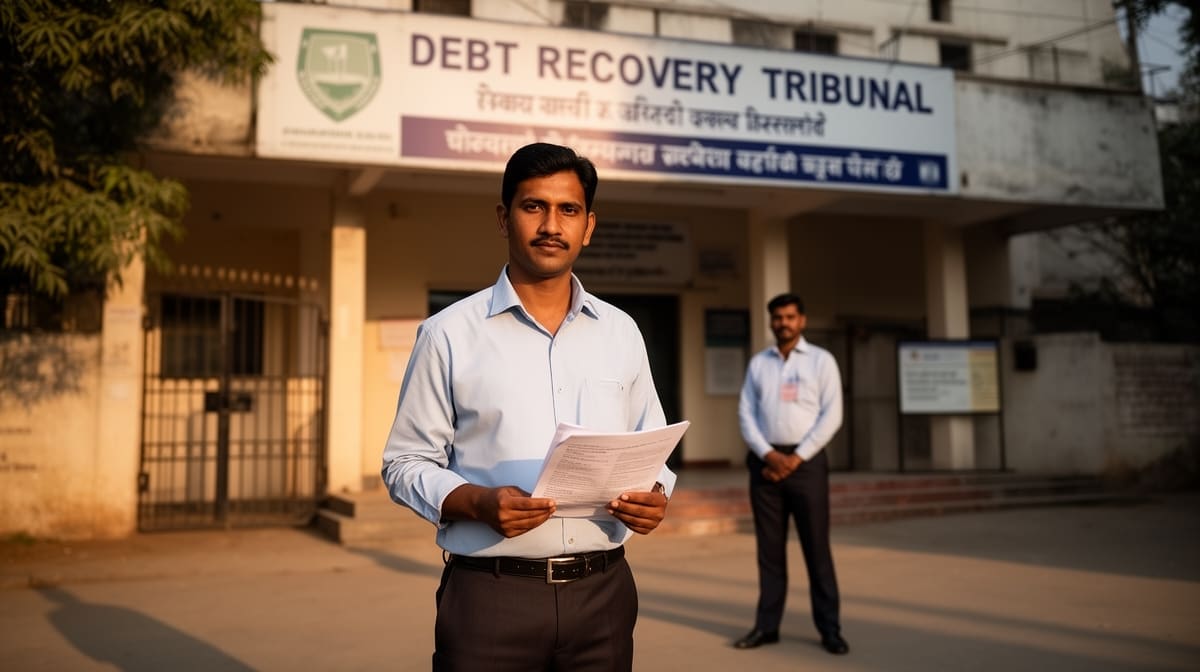
The Punjab & Haryana High Court ruled that borrowers must first approach the Debt Recovery Tribunal (DRT) under Section 17 of the SARFAESI Act before invoking writ jurisdiction. The Court dismissed the petition but granted a 30-day window to file before the DRT without limitation, reinforcing the statutory remedy exhaustion principle for secured creditor disputes.