Topic

Equal Pay for Equal Work

Equal pay for equal work in Indian law is a principle derived from Article 14 of the Constitution, requiring identical pay for similar duties performed under comparable service conditions, regardless of employment status.

15 articlesLatest July 2026
Contractual Panchayat Karmi Service Counts for Seniority & Pay Parity | MP HC Jabalpur Upholds Ajay Sharma Doctrine
|Madhya Pradesh High Court

Contractual Panchayat Karmi Service Counts for Seniority & Pay Parity | MP HC Jabalpur Upholds Ajay Sharma Doctrine

The Madhya Pradesh High Court has ruled that contractual service as a Panchayat Karmi must be counted for seniority and all monetary benefits, reinforcing the principle of equal pay for equal work established in Ajay Sharma v. State of MP. This decision impacts thousands of contractual workers across rural local bodies who were previously denied benefits based on their employment status.

Equal Pay for Equal Work | Temple Employees Entitled to Time Scale Benefits Under Article 14: Andhra Pradesh HC
Case Law Analysis
|Andhra Pradesh High Court

Equal Pay for Equal Work | Temple Employees Entitled to Time Scale Benefits Under Article 14: Andhra Pradesh HC

The Andhra Pradesh High Court has ruled that temple employees performing duties equivalent to government staff are entitled to time scale pay benefits, affirming that Article 14 prohibits arbitrary pay discrimination even in religious institutions managed by the state. This sets a precedent for thousands of similar cases involving endowment department workers across India.

Article 14 & Service Law | Retrospective 6th Pay Commission Pay Scales Mandatory for Non-Teaching Staff in Unaided Institutions : Bombay HC
|Bombay High Court

Article 14 & Service Law | Retrospective 6th Pay Commission Pay Scales Mandatory for Non-Teaching Staff in Unaided Institutions : Bombay HC

Bombay High Court upholds the retrospective implementation of 6th Pay Commission scales for non-teaching staff in unaided private institutions from 1 January 2006, rejecting financial burden arguments. The ruling reinforces that unaided institutions cannot evade statutory pay revisions under Article 14, impacting thousands of employees in similar institutions.

Equal Pay for Equal Work | Contractual Employees Entitled to Regularization After Six Years Under Departmental Policy: Himachal Pradesh HC
Case Law Analysis
|Himachal Pradesh High Court

Equal Pay for Equal Work | Contractual Employees Entitled to Regularization After Six Years Under Departmental Policy: Himachal Pradesh HC

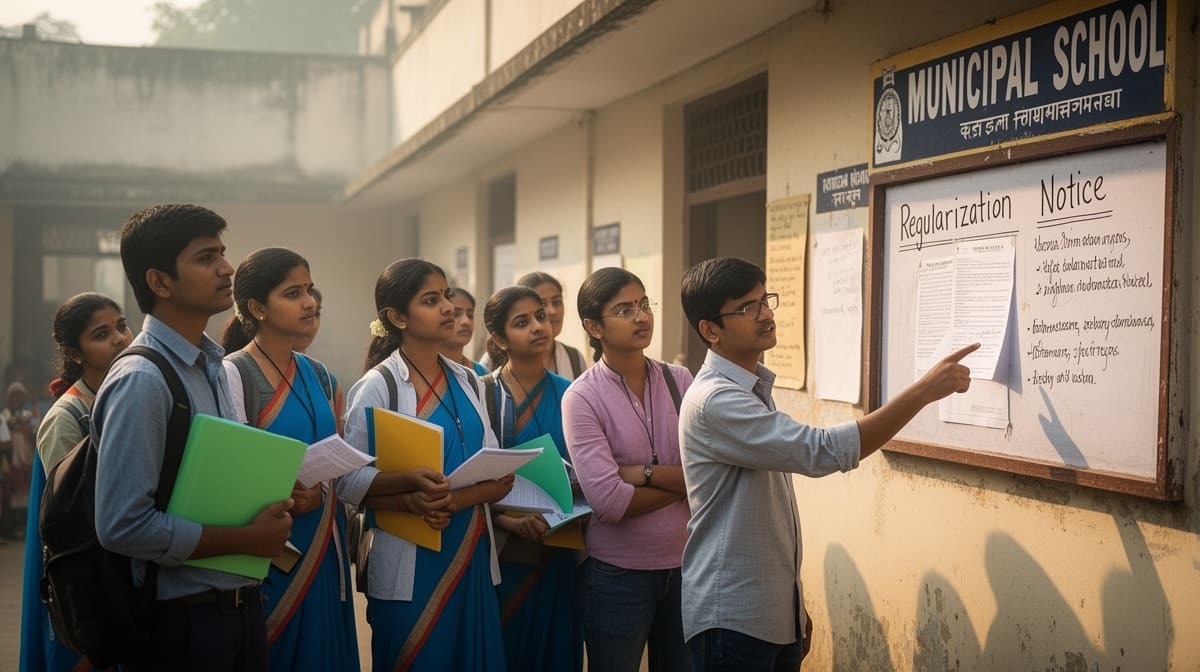
Himachal Pradesh High Court mandates regularization of contractual employees after six years of service, holding that departmental policy admitting parity with regular employees creates a binding legitimate expectation. The ruling reinforces the 'equal pay for equal work' principle, requiring consequential benefits without further delay.

MRTU & PULP Act | Equal Pay Claims Require Proven Comparable Posts, Qualifications & Appointment Status: Bombay HC
Case Law Analysis
|Bombay High Court

MRTU & PULP Act | Equal Pay Claims Require Proven Comparable Posts, Qualifications & Appointment Status: Bombay HC

Bombay High Court sets aside an Industrial Court order granting pay parity, ruling that equal pay for equal work under the MRTU & PULP Act mandates strict proof of identical posts, qualifications, and appointment status. The judgment reinforces that mere allegations of unfair labour practices are insufficient without substantive evidence of parity.

Article 14 & Equal Pay for Equal Work | 35 Years of Continuous Casual Service Triggers Regularization Duty: Rajasthan HC Rejects Mechanical Uma Devi Application
Case Law Analysis
|Rajasthan High Court

Article 14 & Equal Pay for Equal Work | 35 Years of Continuous Casual Service Triggers Regularization Duty: Rajasthan HC Rejects Mechanical Uma Devi Application

Rajasthan High Court holds that an employee serving over 35 years as a casual sweeper is entitled to regularization and consequential benefits, emphasizing substantive justice over procedural technicalities. The ruling mandates consideration of long-term service under Article 14, even where initial appointment was irregular, setting a precedent for similarly situated casual workers.

'Equal Pay for Equal Work' Under Article 14 | Daily Wage Worker Entitled to Retroactive Pay Scale Despite Service Gap : Karnataka HC
Case Law Analysis
|Karnataka High Court

'Equal Pay for Equal Work' Under Article 14 | Daily Wage Worker Entitled to Retroactive Pay Scale Despite Service Gap : Karnataka HC

The Karnataka High Court reinforced the constitutional mandate of 'equal pay for equal work' under Article 14, holding that daily wage workers performing identical duties as regular employees must receive the same pay scale, including retroactive revisions, even if their service was interrupted by illegal termination. The ruling mandates financial parity for affected workers, setting a precedent for similar employment disputes.

Doctrine of Laches Limits Pay Arrears to Three Years | Equal Pay for Equal Work Claims Barred by Delay : Himachal Pradesh HC
Case Law Analysis
|Himachal Pradesh High Court

Doctrine of Laches Limits Pay Arrears to Three Years | Equal Pay for Equal Work Claims Barred by Delay : Himachal Pradesh HC

Himachal Pradesh High Court rules that employees claiming pay parity under 'equal pay for equal work' are entitled to arrears only for the three years preceding the administrative order, not full retroactive relief. The judgment reinforces the doctrine of laches, barring claims delayed beyond a reasonable period, impacting service law disputes across public employment.

Legitimate Expectation & Equal Pay for Equal Work | Selective Absorption of Contract Teachers Violates Article 14: Tripura HC
Case Law Analysis
|Tripura High Court

Legitimate Expectation & Equal Pay for Equal Work | Selective Absorption of Contract Teachers Violates Article 14: Tripura HC

Tripura High Court rules that arbitrary exclusion of a qualified contract teacher from absorption as Assistant Professor, while others under the same scheme were absorbed, breaches legitimate expectation and the principle of non-discrimination. The judgment mandates equal treatment in public employment, reinforcing that administrative convenience cannot override constitutional rights.

Judicial Admission of Precedent Triggers Mandatory Regularization | Contractual Employees Entitled to Retroactive Benefits Under Equal Protection : HP HC
Case Law Analysis
|Himachal Pradesh High Court

Judicial Admission of Precedent Triggers Mandatory Regularization | Contractual Employees Entitled to Retroactive Benefits Under Equal Protection : HP HC

HP High Court rules that when the State admits a contractual employee's case mirrors a binding precedent, regularization with retroactive benefits is mandatory. The petitioner's six-year service was regularized with benefits dating back three years before filing, overriding pending SLP challenges.

Article 14 & Equal Pay for Equal Work | Madras HC Grants Pay Parity to 20-Year Casual Postal Workers on Par with Regular Employees
Case Law Analysis
|Madras High Court

Article 14 & Equal Pay for Equal Work | Madras HC Grants Pay Parity to 20-Year Casual Postal Workers on Par with Regular Employees

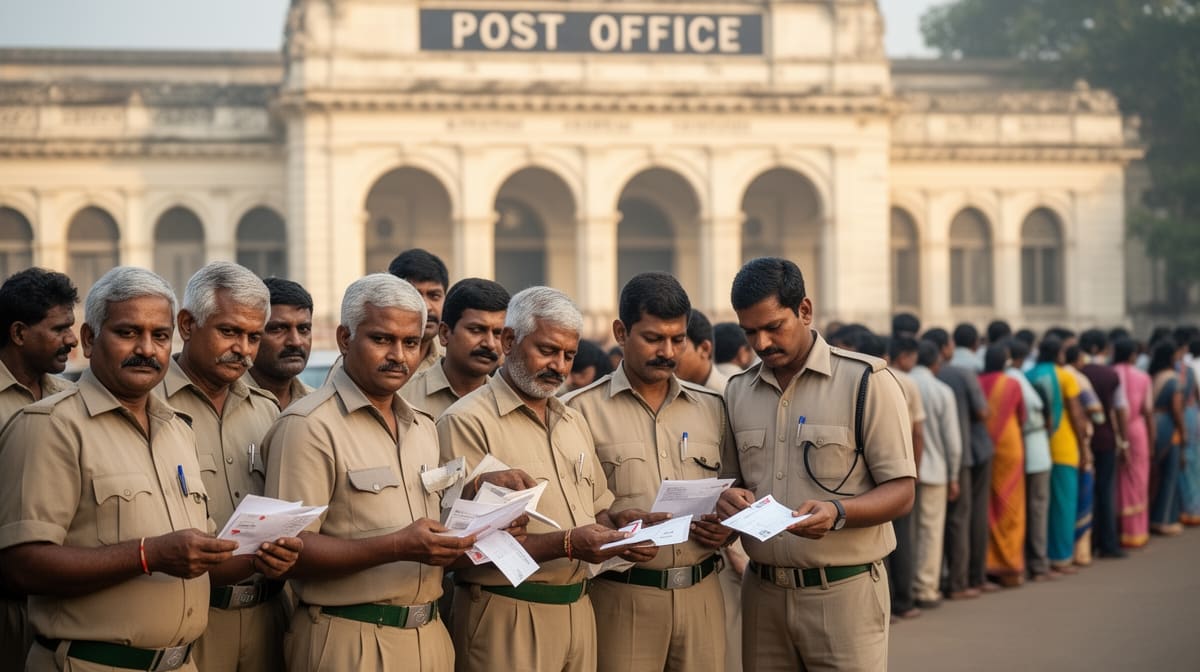
Madras High Court rules that casual labourers working full-time for over 20 years in the postal department are entitled to the minimum pay scale and allowances of regular employees, reinforcing the constitutional mandate of equal pay for equal work under Article 14. The judgment impacts thousands of long-term casual workers denied parity despite performing identical duties.