Topic

Electoral Integrity

Electoral integrity in Indian law encompasses legal safeguards against fraud, bias, and procedural irregularities in elections at all levels, from panchayats to Parliament.

6 articlesLatest June 2026
Rule 8 Tamil Nadu Pharmacy Council Rules, 1953 | Independent Monitoring Mandated for Free & Fair Elections Under Writ of Mandamus : Madras HC
Case Law Analysis
|Madras High Court

Rule 8 Tamil Nadu Pharmacy Council Rules, 1953 | Independent Monitoring Mandated for Free & Fair Elections Under Writ of Mandamus : Madras HC

Madras High Court directs the appointment of an independent Returning Officer to oversee Tamil Nadu Pharmacy Council elections, ensuring compliance with Rule 8 of the Tamil Nadu Pharmacy Council Rules, 1953. The ruling addresses allegations of irregularities and reinforces statutory compliance in electoral processes for statutory bodies.
Article 329(b) Bars Writ Petitions | Election Affidavit Non-Disclosure Must Be Challenged via Election Petition Under Section 100 RPA : Madras HC
Case Law Analysis
|Madras High Court

Article 329(b) Bars Writ Petitions | Election Affidavit Non-Disclosure Must Be Challenged via Election Petition Under Section 100 RPA : Madras HC

Madras HC reaffirms that challenges to candidate affidavit disclosures must be raised exclusively through election petitions under Section 100 of the Representation of the People Act, 1951. Article 329(b) precludes alternative remedies like writ petitions, reinforcing the statutory exclusivity of election disputes.

Section 26 Chhattisgarh Municipalities Act | Minor Counting Errors Insufficient to Overturn Election; Gross Illegality Required: Chhattisgarh HC
Case Law Analysis
|Chhattisgarh High Court

Section 26 Chhattisgarh Municipalities Act | Minor Counting Errors Insufficient to Overturn Election; Gross Illegality Required: Chhattisgarh HC

Chhattisgarh High Court upholds the sanctity of voter mandate, ruling that election results can only be set aside for gross illegality, not minor discrepancies or procedural lapses. The judgment reinforces that objections must be raised during the counting process to be valid, protecting municipal election outcomes from frivolous challenges.

Perception of Fairness Mandates Videography, Court Observer & Neutral Venue in Panchayat Elections | Article 21, Panchayati Raj : Punjab & Haryana HC
Case Law Analysis
|Punjab and Haryana High Court

Perception of Fairness Mandates Videography, Court Observer & Neutral Venue in Panchayat Elections | Article 21, Panchayati Raj : Punjab & Haryana HC

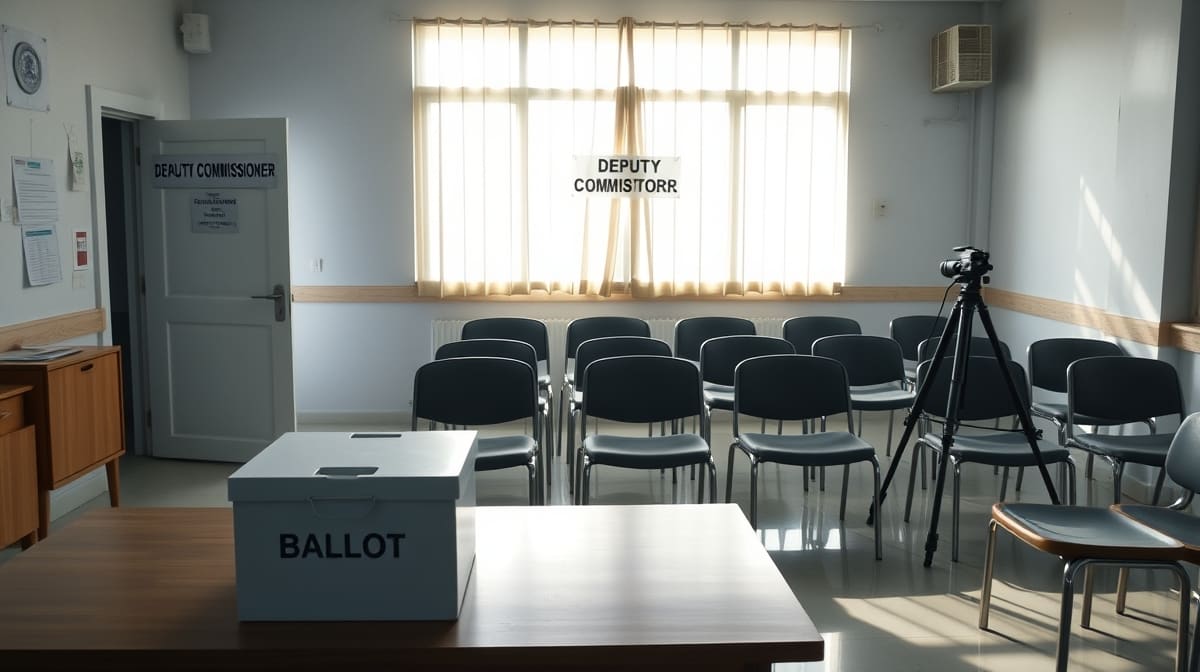
The Punjab and Haryana High Court ruled that even without evidence of malpractice, the mere risk to public confidence in Panchayat elections requires mandatory videography, a court observer, and use of the Deputy Commissioner’s office as a neutral venue. This elevates perceived fairness as a constitutional imperative under Article 21, setting a new standard for grassroots electoral integrity across rural India.

Videography, Court Observer & Neutral Venue Mandatory for Panchayat Elections | Punjab & Haryana HC Sets New Transparency Standard Under Writ Jurisdiction
Case Law Analysis
|Punjab and Haryana High Court

Videography, Court Observer & Neutral Venue Mandatory for Panchayat Elections | Punjab & Haryana HC Sets New Transparency Standard Under Writ Jurisdiction

The Punjab & Haryana High Court directed that panchayat elections for Chairman and Vice Chairman must be conducted under videography, with a court observer present, and relocated to the Deputy Commissioner’s office to ensure fairness. This ruling applies even in the absence of proven illegality, establishing a precedent for electoral transparency in local governance.