Topic

DNA Evidence

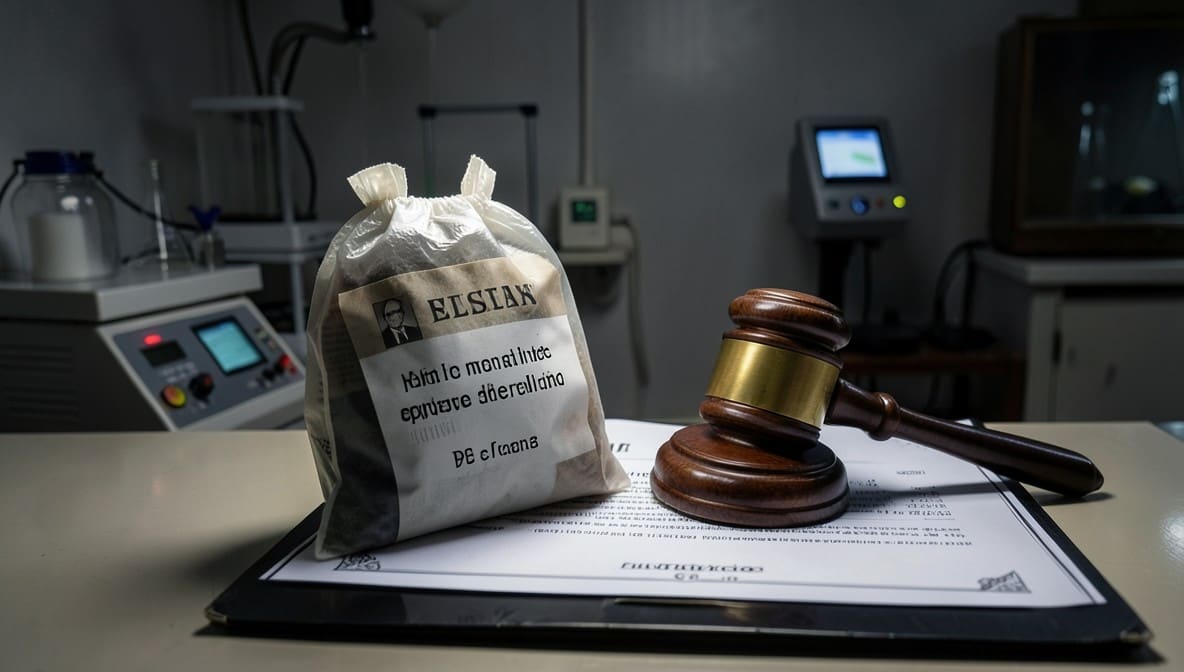
DNA evidence in Indian courts refers to biological samples used to establish identity or link suspects to crimes, especially in sexual offenses under the POCSO Act and Section 376 IPC.

26 articlesLatest 1 week ago
POCSO Act | Age Determination Requires Statutory Documents or Ossification Test; DNA Proves Intercourse Not Rape Absent Non-Consent Evidence : Chhattisgarh HC
Case Law Analysis
|Chhattisgarh High Court

POCSO Act | Age Determination Requires Statutory Documents or Ossification Test; DNA Proves Intercourse Not Rape Absent Non-Consent Evidence : Chhattisgarh HC

The Chhattisgarh High Court acquitted a POCSO accused after the prosecution failed to establish the victim's minority through statutory records or an ossification test, reiterating that school registers and similar documents are primary proof of age. The court further clarified that while DNA evidence may confirm sexual intercourse, it cannot substitute for proof of lack of consent to establish rape.


Section 302 IPC | Last Seen Theory + Circumstantial Evidence Forms Unbroken Chain for Murder Conviction : Bombay HC
Case Law Analysis
|Bombay High Court

Section 302 IPC | Last Seen Theory + Circumstantial Evidence Forms Unbroken Chain for Murder Conviction : Bombay HC

Bombay High Court affirms that the 'last seen' theory, combined with DNA evidence, recovery of victim’s belongings, and medical testimony, constitutes a complete chain of circumstantial evidence sufficient for conviction under Section 302 IPC. The ruling underscores that concurrent sentences for Sections 302 and 201 IPC are permissible when the offences are interlinked.

POCSO Act | Bail Granted After Five-Year Custody Due to DNA Exclusion and Prolonged Detention Violating Fair Trial Rights : Patna HC
Case Law Analysis
|Patna High Court

POCSO Act | Bail Granted After Five-Year Custody Due to DNA Exclusion and Prolonged Detention Violating Fair Trial Rights : Patna HC

Patna High Court granted bail to a POCSO convict after five years in custody, emphasizing that DNA evidence excluding paternity and prolonged detention without trial progress violated the right to a fair trial under Article 21. The ruling underscores that statutory presumptions under POCSO cannot override factual anomalies and undue delay in justice delivery.

POCSO Act Section 6 & IPC 376(3) | Conviction Invalid Without Corroborated DNA Chain of Custody or Age Proof: MP HC Indore
Case Law Analysis
|Madhya Pradesh High Court

POCSO Act Section 6 & IPC 376(3) | Conviction Invalid Without Corroborated DNA Chain of Custody or Age Proof: MP HC Indore

The Madhya Pradesh High Court set aside a conviction under POCSO and IPC 376(3) after finding the prosecution failed to establish the integrity of DNA evidence or verify the minor’s age through official records. This ruling reinforces that in sexual offense cases involving children, procedural lapses in evidence collection cannot be overlooked - even when the offense appears grave - and shifts the burden squarely onto the state to meet foundational evidentiary standards.

Section 376D & 302 IPC | DNA Evidence, Disclosure Statements, and Adverse Inference Sustain Conviction for Gang Rape-Murder Despite No Eyewitnesses : Tripura HC
Case Law Analysis
|Tripura High Court

Section 376D & 302 IPC | DNA Evidence, Disclosure Statements, and Adverse Inference Sustain Conviction for Gang Rape-Murder Despite No Eyewitnesses : Tripura HC

Tripura High Court affirms that DNA evidence, disclosure statements, and adverse inference from silence under Section 313 CrPC can collectively sustain convictions for gang rape and murder even in the absence of eyewitnesses. The ruling reinforces the probative value of forensic and circumstantial evidence in heinous crimes, setting a precedent for similar cases.

Section 376(2)(j) & (l) IPC | Mild Intellectual Disability Vitiates Consent in Rape Cases: Bombay HC Upholds Conviction Based on DNA & Expert Testimony
Case Law Analysis
|Bombay High Court

Section 376(2)(j) & (l) IPC | Mild Intellectual Disability Vitiates Consent in Rape Cases: Bombay HC Upholds Conviction Based on DNA & Expert Testimony

Bombay High Court rules that mild intellectual disability negates valid consent under Section 376(2)(j) and (l) IPC, even if the victim performs daily chores. The court relied on conclusive DNA evidence and expert testimony to dismiss the appeal, reinforcing that cognitive impairment invalidates consent in rape cases.