Topic

debt recovery

Debt recovery in India refers to legal processes under the RDDBFI Act and SARFAESI Act by which banks and financial institutions recover outstanding loans through Debt Recovery Tribunals and enforcement mechanisms.

33 articlesLatest September 2026
HC Cannot Direct DRT to Expedite SARFAESI Proceedings | When Section 17(6) Remedy Exists : MPHC
|Madhya Pradesh High Court

HC Cannot Direct DRT to Expedite SARFAESI Proceedings | When Section 17(6) Remedy Exists : MPHC

The Madhya Pradesh High Court quashed a writ court’s direction to the Debt Recovery Tribunal to expedite SARFAESI proceedings, ruling that such a directive oversteps jurisdiction when borrowers retain the statutory remedy under Section 17(6) of the SARFAESI Act. The decision reinforces that writ jurisdiction cannot be used to fast-track recovery actions, preserving the borrower’s right to challenge dues before the DRT or appellate tribunal.
Section 60(1)(ccc) Exemption Limited to Judgment-Debtor; Missing Order XXI Rule 22 Notice is Non-Fatal Irregularity | Debt Recovery : SC
Case Law Analysis
|Supreme Court of India

Section 60(1)(ccc) Exemption Limited to Judgment-Debtor; Missing Order XXI Rule 22 Notice is Non-Fatal Irregularity | Debt Recovery : SC

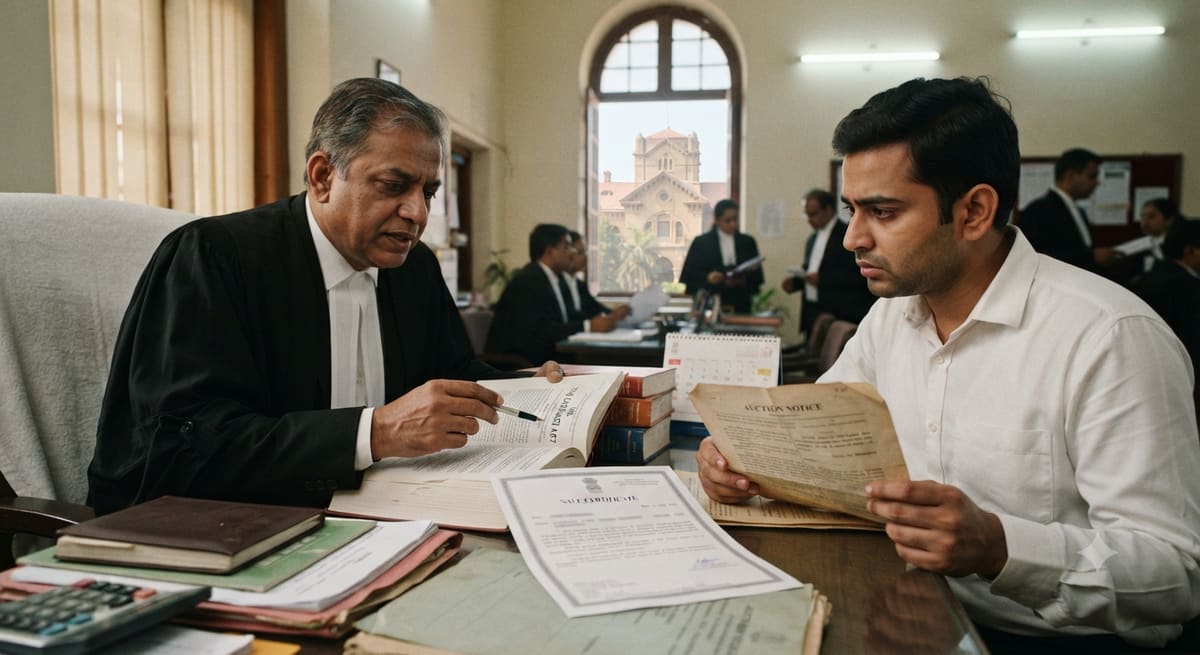
The Supreme Court ruled that the exemption under Section 60(1)(ccc) of the Recovery of Debts and Bankruptcy Act applies only to the personal guarantor who is the judgment-debtor, not to his legal heirs. It also held that a failure to serve notice under Order XXI Rule 22 does not invalidate the auction of the secured property.

Section 17 SARFAESI Act | 45-Day Limitation Period Starts from Sale Certificate Date, Not Auction Date : Allahabad HC
Case Law Analysis
|Allahabad High Court

Section 17 SARFAESI Act | 45-Day Limitation Period Starts from Sale Certificate Date, Not Auction Date : Allahabad HC

Allahabad High Court clarifies that the 45-day limitation period under Section 17 of the SARFAESI Act begins from the issuance of the sale certificate, not the auction date. This ruling sets aside orders by the Debts Recovery Tribunal and Appellate Tribunal, remanding the case for fresh consideration on merits, impacting borrowers and secured creditors in debt recovery proceedings.

DRAT Order Interpretation | Entire Corpus Fund with 6% Interest Must Be Deposited, Not Just First Installment : Bombay HC
Case Law Analysis
|Bombay High Court

DRAT Order Interpretation | Entire Corpus Fund with 6% Interest Must Be Deposited, Not Just First Installment : Bombay HC

Bombay High Court clarifies that a society must deposit the petitioner's full share of the corpus fund, including accumulated 6% interest from the due date, under a DRAT order. The ruling rejects the society's attempt to limit deposit to the first installment, reinforcing strict compliance with tribunal directives in property disputes.

SARFAESI Act Section 13 | Court May Permit Installment-Based Loan Regularization to Halt Asset Recovery: Kerala HC
Case Law Analysis
|Kerala High Court

SARFAESI Act Section 13 | Court May Permit Installment-Based Loan Regularization to Halt Asset Recovery: Kerala HC

The Kerala High Court has ruled that banks may allow borrowers to clear SARFAESI-triggered arrears in structured installments, provided they continue regular EMIs, effectively suspending coercive recovery actions. This sets a precedent for judicial intervention in debt restructuring where borrowers demonstrate willingness to repay, balancing creditor rights with borrower dignity under Article 21.

Rule 85, Kerala Co-operative Societies Rules | Sale Officer Must Sell Only Proportionate Portion of Mortgaged Property with Reserve Price : Kerala HC
Case Law Analysis
|Kerala High Court

Rule 85, Kerala Co-operative Societies Rules | Sale Officer Must Sell Only Proportionate Portion of Mortgaged Property with Reserve Price : Kerala HC

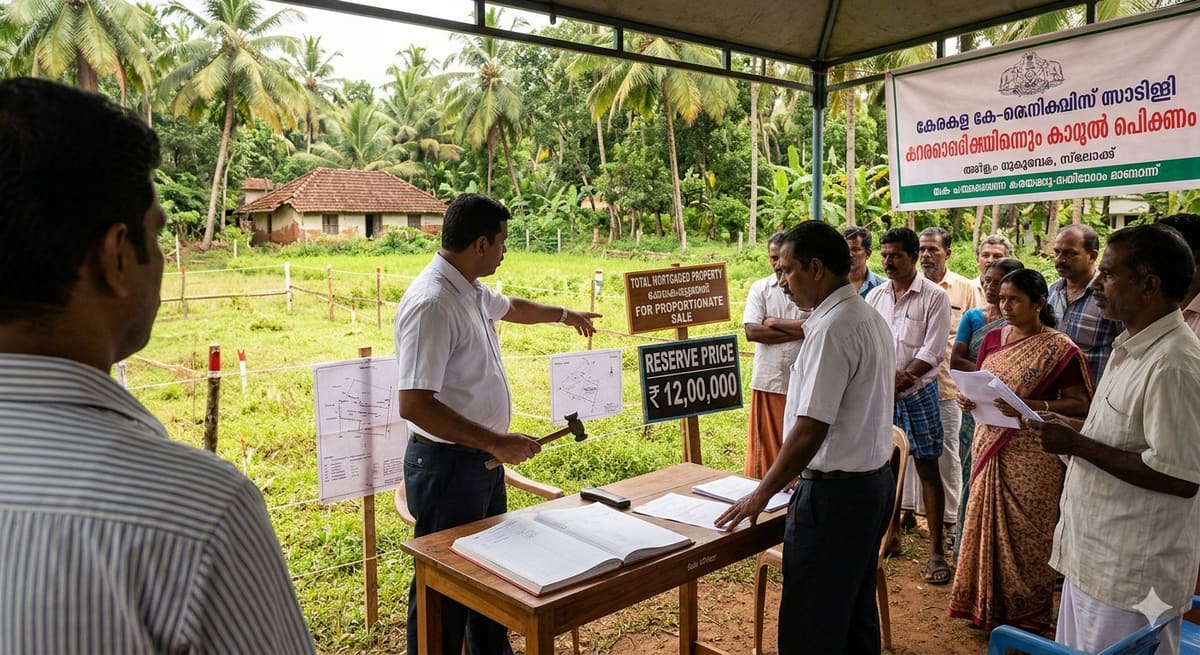
The Kerala High Court has ruled that cooperative banks cannot auction entire mortgaged properties to recover dues - sale officers must determine and sell only the minimum portion sufficient to cover the debt, interest, and expenses, and must first fix a reserve price. This protects borrowers from disproportionate asset loss and enforces statutory safeguards under cooperative law.

DRAT Interim Protection Survives Chairperson Vacancy | Non-Enforcement of Pre-Deposit Due to Judicial Vacancy Violates Natural Justice : Bombay HC
|Bombay High Court

DRAT Interim Protection Survives Chairperson Vacancy | Non-Enforcement of Pre-Deposit Due to Judicial Vacancy Violates Natural Justice : Bombay HC

The Bombay High Court ruled that a prolonged vacancy in the DRAT Chairperson’s office cannot be used to nullify interim protection granted to compliant appellants who have fully discharged pre-deposit obligations. This upholds the principle that procedural delays caused by administrative failure must not prejudice parties acting in good faith, reinforcing natural justice in debt recovery appeals.

Section 16 Indian Contract Act | Place of Payment Defaults to Creditor’s Residence in Absence of Agreement: HP HC Clarifies Jurisdiction for Loan Recovery
Case Law Analysis
|Himachal Pradesh High Court

Section 16 Indian Contract Act | Place of Payment Defaults to Creditor’s Residence in Absence of Agreement: HP HC Clarifies Jurisdiction for Loan Recovery

In the absence of a specified repayment location, the HP High Court ruled that the debtor must pay at the creditor’s residence, making Shimla the proper jurisdiction for recovery. This clarifies a critical default rule under Section 16 of the Indian Contract Act, impacting lenders and borrowers nationwide where loan agreements lack payment terms.

Rule 60 of Income Tax Act’s Second Schedule | Mandatory Deposit Prerequisite for Challenging Auction Sale : Calcutta HC
Case Law Analysis
|Calcutta High Court

Rule 60 of Income Tax Act’s Second Schedule | Mandatory Deposit Prerequisite for Challenging Auction Sale : Calcutta HC

Calcutta High Court rules that a challenge to an auction sale under the RDDB Act is non-maintainable without compliance with the statutory deposit requirement under Rule 60 of the Income Tax Act’s Second Schedule. The court upheld the auction’s validity and directed possession transfer to the buyer within 60 days, reinforcing procedural compliance in debt recovery proceedings.

SICA Rehabilitation Failure | Contractual Pendente Lite Interest Prioritized Over Principal: Bombay HC
|Bombay High Court

SICA Rehabilitation Failure | Contractual Pendente Lite Interest Prioritized Over Principal: Bombay HC

After a SICA rehabilitation scheme collapses, creditors may claim pendente lite interest from the date of suit filing at the contractual rate, with all recoveries first applied to interest before principal. This clarifies the repayment hierarchy for banks and financial institutions pursuing legacy debt recovery under the now-repealed SICA framework, reinforcing contractual rights in insolvency aftermaths.

SARFAESI Act | Coercive Enforcement Without Statutory Compliance Violates Due Process & Disrupts Healthcare Services : MP HC
Case Law Analysis
|Madhya Pradesh High Court

SARFAESI Act | Coercive Enforcement Without Statutory Compliance Violates Due Process & Disrupts Healthcare Services : MP HC

MP High Court rules that banks cannot initiate SARFAESI enforcement without strict adherence to statutory procedures, especially when court orders mandate status quo. The judgment underscores that arbitrary actions-including delayed disclosures, contradictory NPA dates, and mechanical OTS rejections-violate due process and threaten essential healthcare services reliant on financed diagnostic equipment.