Topic

criminal proceedings

Criminal proceedings in India refer to the legal process initiated by the state to prosecute individuals for offenses under the Indian Penal Code and other criminal statutes, governed by the CrPC and BNSS.

70 articlesLatest October 2026
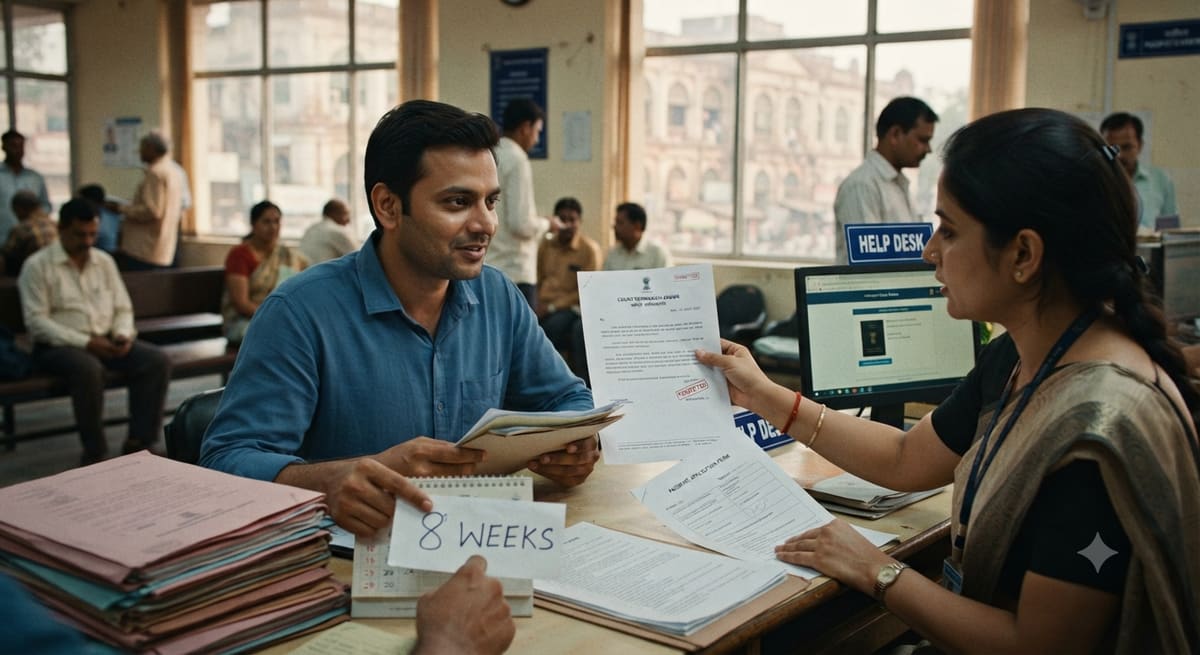
Passport Issuance | Pendency of Criminal Case No Bar: Allahabad HC Mandates 8-Week Window for Court Permission
Case Law Analysis
|Allahabad High Court

Passport Issuance | Pendency of Criminal Case No Bar: Allahabad HC Mandates 8-Week Window for Court Permission

Allahabad HC rules that mere pendency of criminal proceedings, even at the investigation stage, cannot justify passport rejection. The Regional Passport Office must grant applicants an 8-week window to obtain court permission, failing which the passport must be issued expeditiously. This directive reinforces procedural fairness in administrative decisions affecting fundamental rights.

Section 138 NI Act | Nominee Director Liable Only With Specific Averments of Active Role: Rajasthan HC Quashes Proceedings
Case Law Analysis
|Rajasthan High Court

Section 138 NI Act | Nominee Director Liable Only With Specific Averments of Active Role: Rajasthan HC Quashes Proceedings

Rajasthan High Court rules that a nominee director cannot be held vicariously liable under Section 138 of the Negotiable Instruments Act unless the complaint specifically alleges their active involvement or responsibility in the company’s affairs. The ruling underscores that mere nomination by a lending institution does not attract criminal liability without explicit averments.

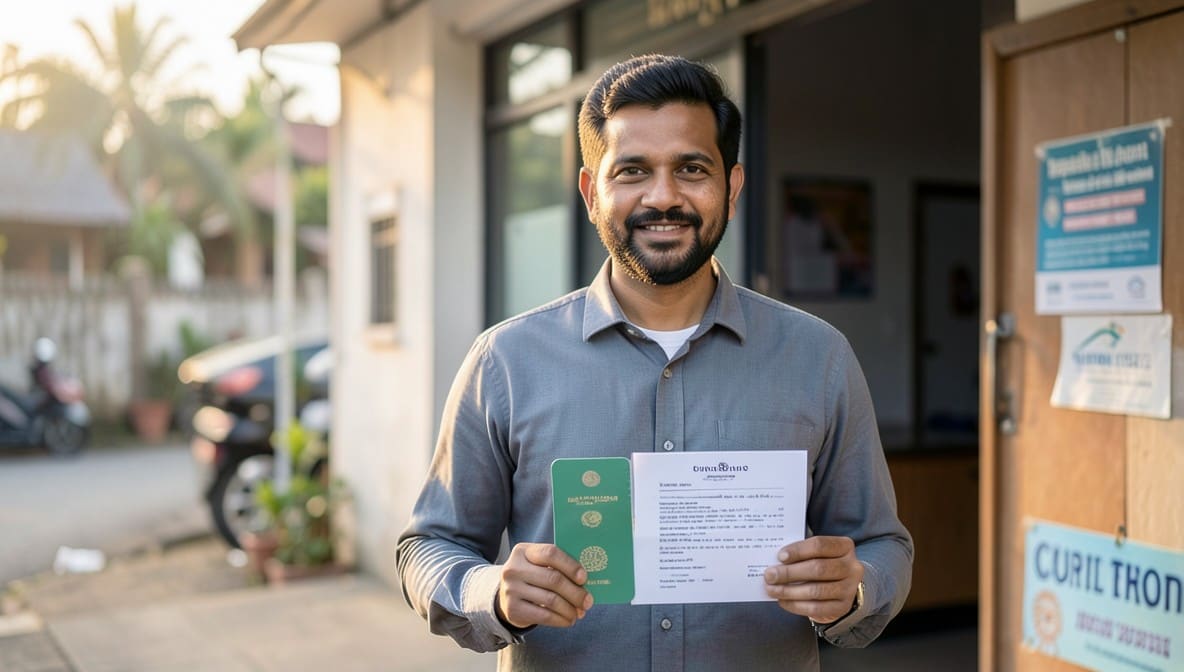
Customized Police Clearance Certificate | Judicial Permission to Travel Overrides Pending Criminal Case Bar: Kerala HC
Case Law Analysis
|Kerala High Court

Customized Police Clearance Certificate | Judicial Permission to Travel Overrides Pending Criminal Case Bar: Kerala HC

The Kerala High Court ruled that an accused person with express court permission to travel abroad cannot be denied a customized Police Clearance Certificate solely due to a pending criminal case. This affirms that personal liberty and international mobility rights prevail when judicial oversight explicitly permits it, setting a critical precedent for passport applicants under legal scrutiny.

Character Certificate | Mere FIR Pendency Cannot Justify Denial; Presumption of Innocence Requires Fresh Evaluation : Allahabad HC
Case Law Analysis
|Allahabad High Court

Character Certificate | Mere FIR Pendency Cannot Justify Denial; Presumption of Innocence Requires Fresh Evaluation : Allahabad HC

The Allahabad High Court has ruled that the mere registration or pendency of an FIR is insufficient to deny a character certificate, affirming that the presumption of innocence must guide administrative decisions. This sets a critical precedent for government bodies issuing certificates in employment, immigration, or licensing contexts, ensuring procedural fairness over speculative stigma.

Section 482 CrPC | Hearsay Evidence Alone Insufficient to Sustain Charges: Karnataka HC Quashes Proceedings Without Direct Allegations
Case Law Analysis
|Karnataka High Court

Section 482 CrPC | Hearsay Evidence Alone Insufficient to Sustain Charges: Karnataka HC Quashes Proceedings Without Direct Allegations

The Karnataka High Court quashed criminal proceedings against three accused, emphasizing that hearsay evidence without direct allegations or involvement in the complaint cannot sustain charges. The ruling reinforces that charge sheets must be grounded in substantive evidence, not mere witness statements relaying second-hand information.

SC/ST Act Section 3(1)(r)/(s) | Intentional Insult in Public View Mandatory for Offence: Allahabad HC Quashes Charges Absent Proof
Case Law Analysis
|Allahabad High Court

SC/ST Act Section 3(1)(r)/(s) | Intentional Insult in Public View Mandatory for Offence: Allahabad HC Quashes Charges Absent Proof

Allahabad HC reinforces that caste-based insult under the SC/ST Act requires clear intent to humiliate in a public setting. The court quashed charges where the FIR failed to establish this twin test, relying on the Supreme Court's precedent in Gunjan @ Girija Kumari. This ruling sets a high bar for prosecuting caste-based abuse cases, impacting complainants and accused alike.

Section 482 CrPC | Prima Facie Evidence Sufficient to Sustain Corruption Charges; Quashing Denied at Cognizance Stage : Jharkhand HC
Case Law Analysis
|Jharkhand High Court

Section 482 CrPC | Prima Facie Evidence Sufficient to Sustain Corruption Charges; Quashing Denied at Cognizance Stage : Jharkhand HC

Jharkhand High Court reinforces that mere existence of prima facie evidence-including signatures on official records and conflicting expert reports-justifies proceeding with trial under the Prevention of Corruption Act. The ruling clarifies that quashing under Section 482 CrPC is unwarranted at the cognizance stage unless allegations are patently frivolous, impacting prosecutorial discretion in corruption cases.

Section 498A IPC | Delay in Filing FIR After Divorce Does Not Vitiate Continuing Cruelty Allegations : Chhattisgarh HC
Case Law Analysis
|Chhattisgarh High Court

Section 498A IPC | Delay in Filing FIR After Divorce Does Not Vitiate Continuing Cruelty Allegations : Chhattisgarh HC

The Chhattisgarh High Court ruled that a 12-year delay in filing a 498A FIR, even after divorce, does not automatically invalidate the case if the allegations disclose ongoing mental or physical cruelty. This affirms that domestic abuse under Section 498A is a continuing offence, protecting survivors who delay reporting due to fear, social stigma, or economic dependence.

Section 482 CrPC | Quashing of Charge Sheet Barred Post-Framing of Charges: Allahabad HC Reaffirms Bhajan Lal Precedent
Case Law Analysis
|Allahabad High Court

Section 482 CrPC | Quashing of Charge Sheet Barred Post-Framing of Charges: Allahabad HC Reaffirms Bhajan Lal Precedent

Allahabad HC rules that once charges are framed and trial commences, Section 482 CrPC cannot be invoked to quash charge sheets, even if summoning orders lack reasoning. The decision reinforces the Bhajan Lal precedent, limiting inherent jurisdiction to pre-trial stages and impacting criminal litigation strategy for accused seeking discharge.

Section 482 CrPC | Victim's Withdrawal of Complaint Insufficient to Quash Non-Compoundable Offences: Chhattisgarh HC
Case Law Analysis
|Chhattisgarh High Court

Section 482 CrPC | Victim's Withdrawal of Complaint Insufficient to Quash Non-Compoundable Offences: Chhattisgarh HC

Chhattisgarh High Court rules that criminal proceedings for non-compoundable offences cannot be quashed solely based on the victim's withdrawal of complaint. The court emphasized that disputed facts must be adjudicated at trial, reinforcing the principle that unilateral withdrawal does not terminate legal proceedings in serious offences.

Delay and Laches Bar Relief Under MRTU & PULP Act | 16-Year Delay in Revision Petition Fatal : Bombay HC
Case Law Analysis
|Bombay High Court

Delay and Laches Bar Relief Under MRTU & PULP Act | 16-Year Delay in Revision Petition Fatal : Bombay HC

Bombay High Court rules that a 16-year delay in filing a revision petition under the MRTU and PULP Act is fatal, even in the absence of statutory limitation. The court also clarifies that criminal liability cannot be imposed on former directors without specific pleadings of personal involvement, reinforcing the principle that delay and laches bar equitable relief.