Topic

Appointment Rules

3 articlesLatest April 2026
Consumer Protection Act | Members of District & State Commissions May Continue Post-Tenure Until New Rules Notified: MP HC Jabalpur
Case Law Analysis
|Madhya Pradesh High Court

Consumer Protection Act | Members of District & State Commissions May Continue Post-Tenure Until New Rules Notified: MP HC Jabalpur

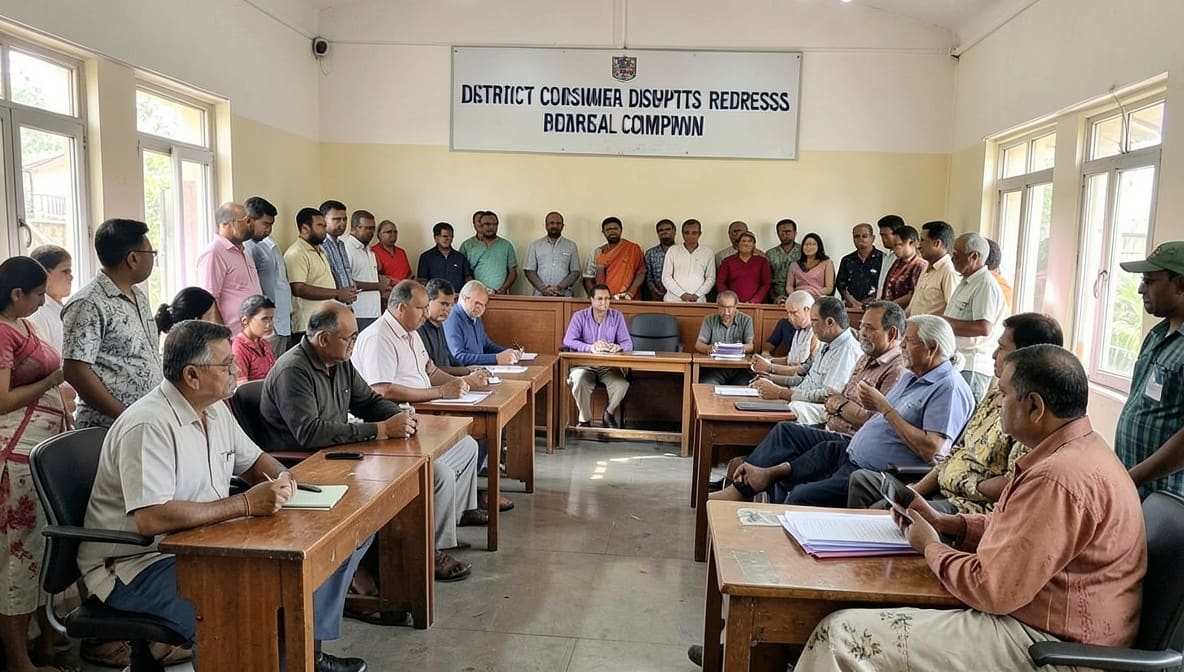
The Madhya Pradesh High Court has permitted sitting members of District and State Consumer Commissions to remain in office beyond their formal tenure, to avoid disruption in justice delivery while new appointment rules are pending. This interim safeguard ensures continuity of quasi-judicial functions critical to millions of consumers awaiting redressal, and sets a precedent for other states facing similar administrative delays.
Judicial Continuity Mandated | MP HC Allows Consumer Commission Members to Continue Post-Tenure Until New Rules Notified : MPHC-JBP
Case Law Analysis
|Madhya Pradesh High Court

Judicial Continuity Mandated | MP HC Allows Consumer Commission Members to Continue Post-Tenure Until New Rules Notified : MPHC-JBP

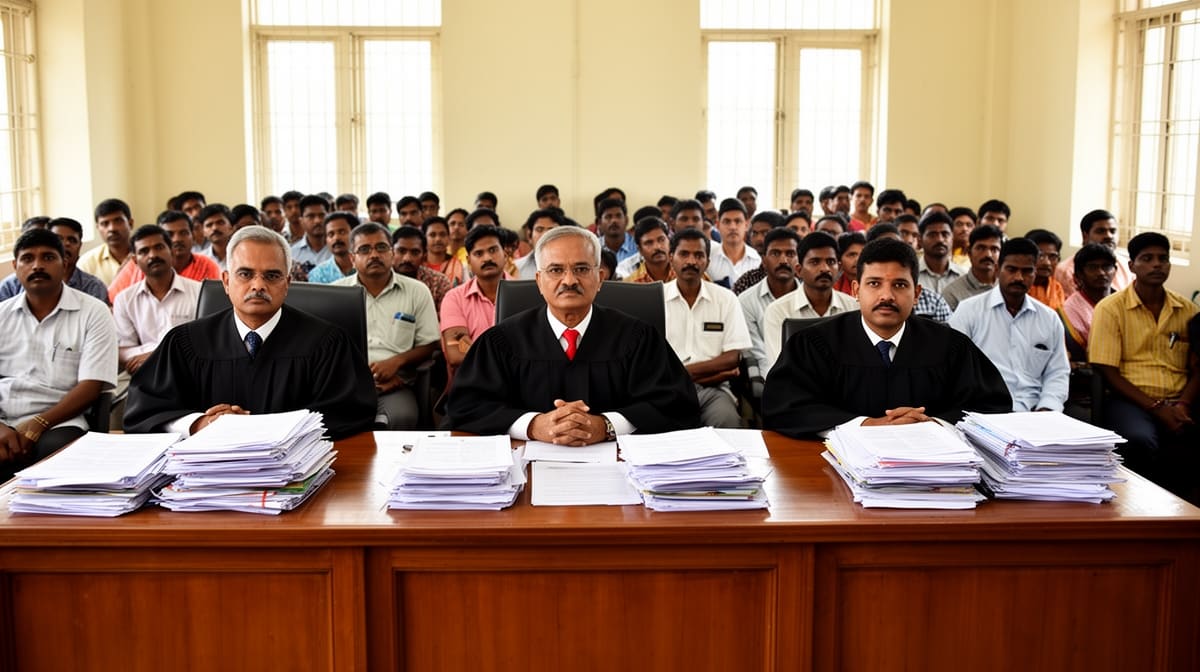
Madhya Pradesh High Court directs that District and State Consumer Commission members shall continue in office post-tenure until new appointment rules are notified, preventing disruption in adjudication. The ruling applies the Delhi HC precedent to ensure uninterrupted consumer dispute resolution pending legislative reforms.

Consumer Protection Rules | MP HC Allows Tenure Extension for District Commission Members Pending New Appointment Rules : MP HC Jabalpur
Case Law Analysis
|Madhya Pradesh High Court

Consumer Protection Rules | MP HC Allows Tenure Extension for District Commission Members Pending New Appointment Rules : MP HC Jabalpur

Madhya Pradesh High Court rules that District Consumer Commission members can continue in office post-tenure until new appointment rules are notified, preventing disruption in justice delivery. The decision aligns with a Delhi HC precedent and underscores the need for continuity in quasi-judicial bodies during regulatory transitions.