The Punjab and Haryana High Court has clarified that a superdar - a person to whom an offending vehicle is released on superdari - cannot be held liable for the entire compensation awarded by a Motor Accident Claims Tribunal. The liability of a superdar is restricted to the value of the vehicle or the amount secured by the superdarinama, while the registered owner and driver remain jointly and severally liable for the full compensation. The Court also directed all subordinate courts to impose conditions ensuring the vehicle is surrendered or its value secured when compensation liability is fixed.
Background & Facts
The Dispute
The appellant, Ram Niwas, was the superdar of Jeep No. HR-36A-5174 (the offending vehicle) involved in a fatal motor accident on 02.04.1999 that caused the death of Dharambir. The Motor Accident Claims Tribunal, Narnaul, passed an award on 04.04.2002 granting compensation of Rs. 8,68,000 to the claimants (respondents). The Tribunal held the appellant-superdar and the driver (respondent No. 1) jointly and severally liable. The appellant challenged this liability, contending that as a superdar who was not the registered owner, he could not be made liable to pay compensation.
Key Facts
- The accident occurred on 02.04.1999 involving Jeep No. HR-36A-5174, allegedly due to rash and negligent driving by respondent No. 1, Desh Raj.
- An FIR (Ex.P2) was registered by eyewitness ASI Ram Kumar (PW3), who was accompanying the deceased at the time.
- Respondent No. 2 (the registered owner) denied liability, claiming he had sold the vehicle to the appellant (respondent No. 4 before the Tribunal) on 21.11.1997, well before the accident.
- Respondent No. 3 (the financier) denied liability on the ground that it had only financed the vehicle.
- The appellant moved an application (Ex.P4) before the learned Magistrate for taking custody of the vehicle on superdari as attorney of respondent No. 2. Respondent No. 2 appeared and confirmed the sale; respondent No. 4 admitted the fact. Their statements (Ex.R1 and Ex.R2) formed the basis for granting superdari.
- The Tribunal framed three issues: (i) whether the accident resulted from rash and negligent driving; (ii) the amount of compensation and from whom; (iii) whether the driver held a valid licence.
- Issue No. 1 was decided in favour of the claimants. Compensation of Rs. 8,68,000 was awarded.
- The Tribunal held respondents No. 1 (driver) and No. 4 (appellant-superdar) jointly and severally liable, absolving respondent No. 3 (financier).
Procedural History
- 02.04.1999: Date of motor accident causing death of Dharambir.
- 04.04.2002: Motor Accident Claims Tribunal, Narnaul, passed award (Rs. 8,68,000) holding appellant-superdar and driver liable.
- 2002 onwards: Appellant filed First Appeal against Order (FAO-4884-2002) before the High Court.
- 08.09.2026: High Court pronounced judgment, partly allowing the appeal.
The Parties' Positions
The appellant-superdar argued that he was not the registered owner and therefore could not be held liable for compensation. He relied on Naveen Kumar v. Vijay Kumar, Brij Bihari Gupta v. Manmet, Savinder Singh v. Binder Singh, Baljinder Singh v. Jaswinder Kaur, and Kashmir Singh v. Rama Rani to contend that liability rests solely with the registered owner. The claimants (respondents) maintained that the appellant, having taken the vehicle on superdari and retained possession for 24 years without surrendering it, had defeated their lien over the vehicle and should be liable to the extent of the vehicle's value or the superdari bond.
Relief Sought
The appellant sought to be absolved of all liability to pay compensation. The claimants sought enforcement of the Tribunal's award and recovery of compensation, which remained unpaid since 2002.
The Legal Issue
The central question was whether a superdar - a person who is not the registered owner but holds an offending vehicle on superdari - can be held liable to pay the full compensation awarded by the Motor Accident Claims Tribunal, or whether such liability is limited to the value of the vehicle or the amount secured by the superdarinama.
Arguments Presented
For the Appellant
The appellant contended that Section 149 of the Motor Vehicles Act, 1988 imposes liability on the registered owner and the driver, not on a superdar. He relied on Naveen Kumar v. Vijay Kumar (2018) and Brij Bihari Gupta v. Manmet (2025) to argue that even if a person represents himself as a subsequent owner at the time of taking the vehicle on superdari, the liability to pay compensation remains that of the registered owner. The appellant emphasized that ownership was never transferred in the registration certificate and that he was merely a custodian of the vehicle.
For the Respondent
The claimants argued that the appellant, having taken the vehicle on superdari and retained possession for over 24 years after the award, had defeated their statutory lien over the offending vehicle. They submitted that the superdar holds the vehicle subject to the claimants' right to recover compensation through sale or auction of the vehicle. By failing to surrender the vehicle before the Tribunal upon the passing of the award, the appellant became liable to furnish the amount equivalent to the indemnity or superdari bond furnished at the time of taking the vehicle on superdari.
The Court's Analysis
The Court acknowledged the established principle that a superdar cannot be made liable to pay compensation in place of the registered owner. The liability to pay the entire compensation always rests with the registered owner and the driver. However, the Court drew a critical distinction: when a vehicle is taken on superdari from the Court, the superdar cannot avoid liability to the extent of the value of the vehicle, as he holds it subject to the lien available to the claimants.
"Though superdar may not be liable to pay the entire compensation, however, he is liable to surrender the vehicle for recovery of compensation amount awarded by the Tribunal or the Court. The lien of claimants over the vehicle cannot be defeated by its superdar by keeping the same in his possession."
The Court reasoned that whenever a case is decided against a superdar, it is the duty of the superdar to surrender the vehicle immediately before the Motor Accident Claims Tribunal so that the claimants' lien can be exercised. If the superdar fails to surrender the vehicle, especially when aware of the award, he is bound to furnish the amount equivalent to the indemnity or superdari bond furnished before the Court.
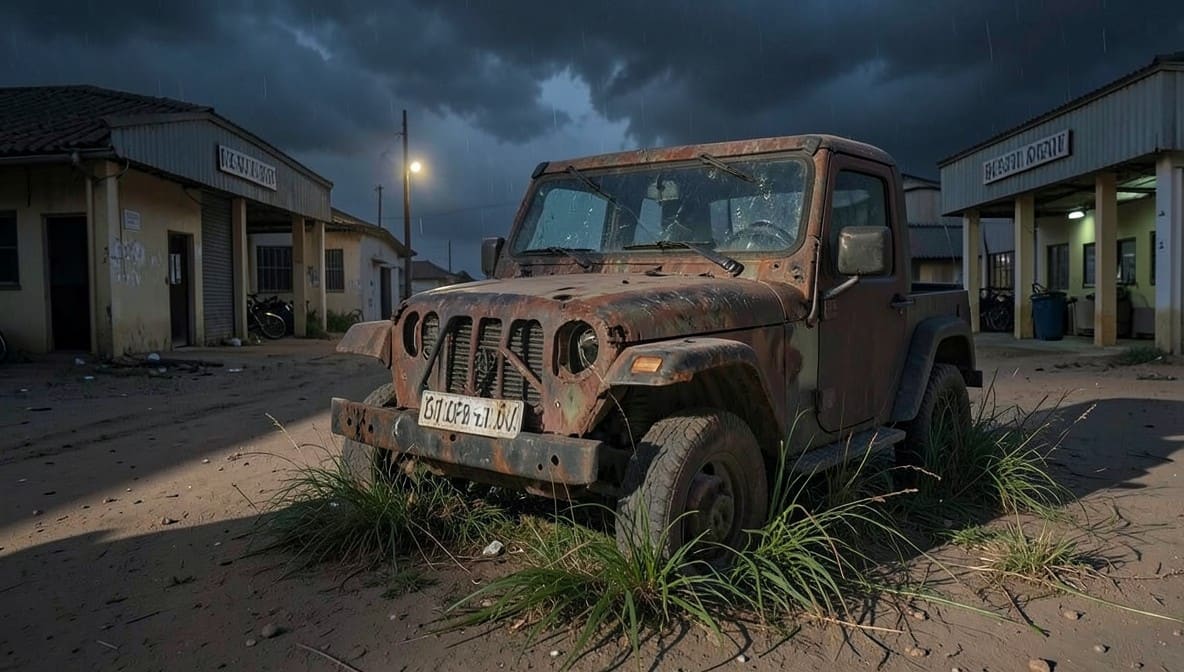
Applying this to the facts, the Court noted that the appellant-superdar had been a party before the Tribunal (as respondent No. 4), the award was passed in 2002, yet he neither surrendered the vehicle nor paid any compensation for 24 years. The vehicle, by now, must have become junk. Therefore, it was appropriate to restrict the appellant's liability to the amount secured by his superdarinama at the time of taking superdari.
The Court found that none of the judgments cited by the appellant applied to the present facts, as they dealt with the liability of a superdar to pay the entire compensation, not the limited liability to the extent of the vehicle's value or the superdari bond. The Court also issued systemic directions to all subordinate courts to impose conditions at the time of granting superdari or permission to sell the offending vehicle, ensuring the claimants' lien is protected.
The Verdict
The appeal was partly allowed. The Court held that:
- The respondent-driver (Desh Raj) and the respondent-registered owner are liable to pay the compensation of Rs. 8,68,000 jointly and severally.
- The liability of the appellant-superdar (Ram Niwas) is restricted to the value of the offending vehicle or the amount secured in the superdarinama furnished at the time of taking superdari, over which the claimants have a lien to recover compensation.
- The appellant has no liability to pay the full compensation as a subsequent owner.
- All pending applications stand disposed of.
- A copy of the judgment shall be circulated to all courts under the jurisdiction of the High Court for compliance with the directions regarding superdari conditions.
What This Means For Similar Cases
Superdar Liability Is Limited, Not Absolute
Practitioners must distinguish between the liability of a registered owner and that of a superdar. A superdar is not a substitute for the registered owner. The registered owner and driver remain jointly and severally liable for the full compensation under Section 149 of the Motor Vehicles Act, 1988. The superdar's liability arises only from his custody of the vehicle subject to the claimants' lien and is capped at the vehicle's value or the superdari bond amount.
Failure to Surrender Vehicle Triggers Bond Liability
- If a superdar retains the offending vehicle after an award fixing liability, he cannot defeat the claimants' lien.
- The superdar becomes bound to pay the amount equivalent to the indemnity/superdari bond furnished at the time of taking the vehicle on superdari.
- Practitioners representing claimants should immediately move applications for enforcement of the superdari bond if the vehicle is not surrendered.
Systemic Safeguards for Claimants' Lien
The Court's directions to subordinate courts create a procedural framework:
- Courts granting superdari must impose a condition that the superdar will surrender the vehicle immediately if a claim petition is allowed fixing liability on the owner/driver.
- Courts granting permission to sell the offending vehicle during pendency of a criminal case or MACT claim must require an undertaking from the owner/superdar to pay the vehicle's value as assessed by the Court if liability is fixed.
- These conditions secure the claimants' right to recover compensation through sale or auction of the offending vehicle.