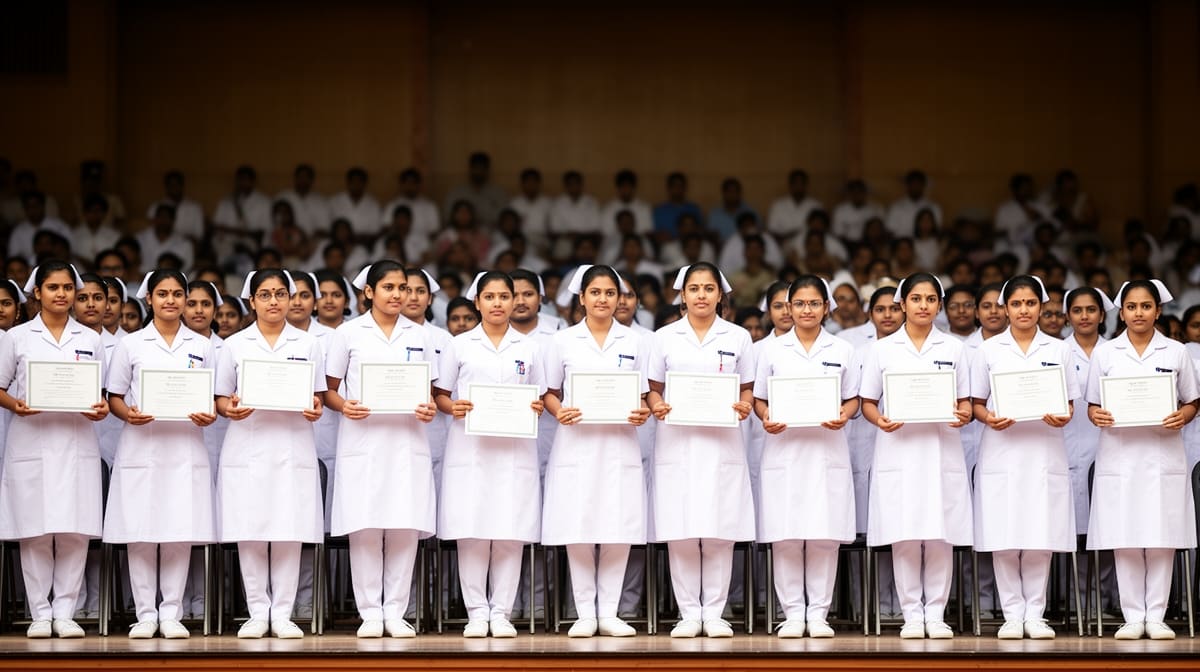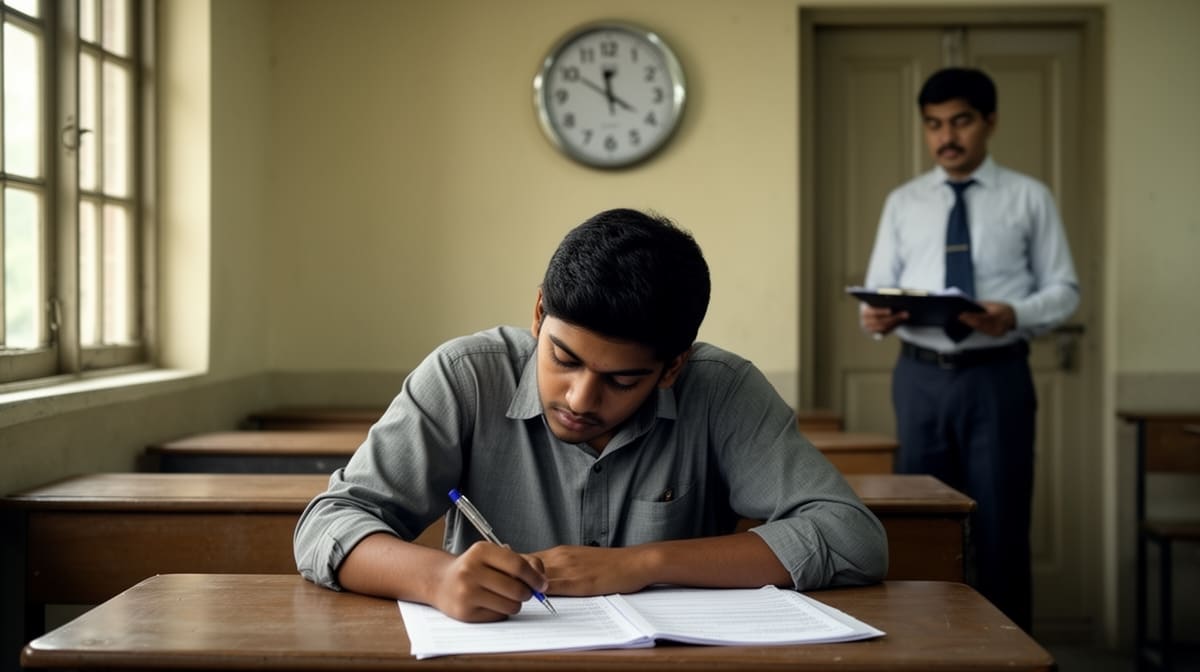
A landmark interim order by the Rajasthan High Court has affirmed that students who have completed two years of a diploma program cannot be denied the right to sit for final examinations due to administrative delays or procedural technicalities. The judgment underscores the principle that substantive educational rights must prevail over bureaucratic formalities.
Background & Facts
The Dispute
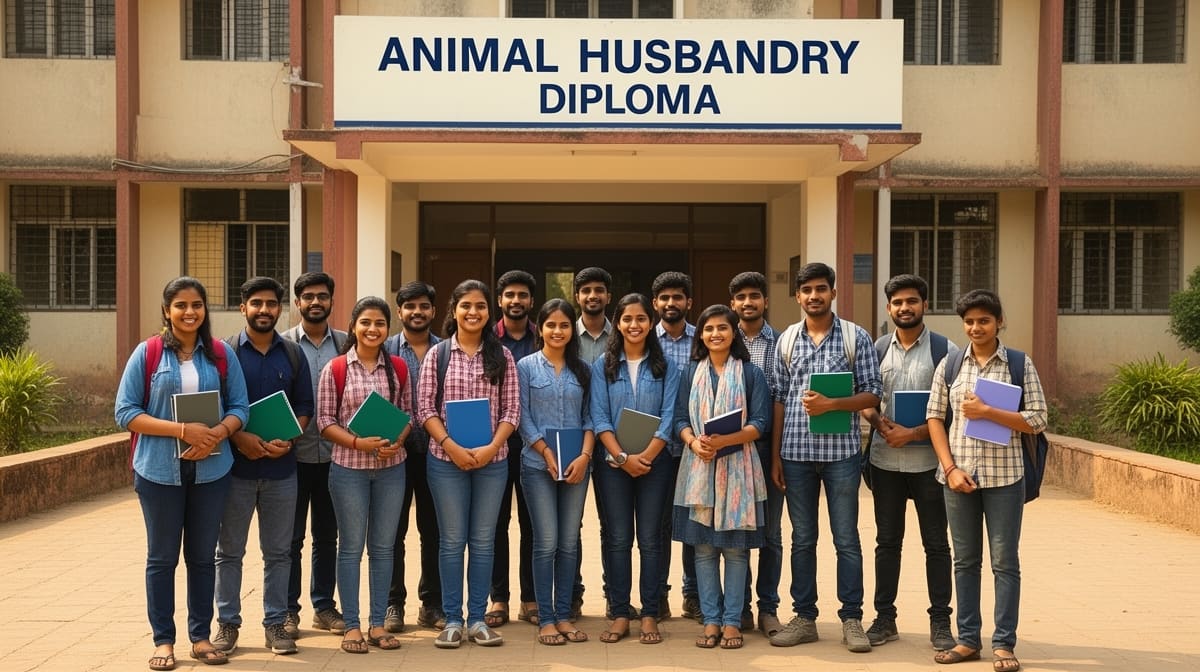
The petitioners, 90 students enrolled in the Animal Husbandry Diploma Programme (2023-24), were allotted seats by the Rajasthan University of Veterinary and Animal Sciences (RUVAS) through its official counseling process. They have since completed two full academic years of coursework and practical training at the affiliated private college, respondent No. 5. Despite this, the Controller of Examinations of RUVAS issued a notification on 19 February 2026 requiring students to fill examination forms, but refused to allow the petitioners to do so, citing alleged non-compliance with eligibility criteria.
Procedural History
The petitioners approached the High Court under Article 226 of the Constitution seeking immediate relief. No prior administrative appeal or formal grievance redressal mechanism was pursued, as the issue arose suddenly with the examination form notification and threatened to deprive them of their right to complete the program.
Relief Sought
The petitioners sought a direction to the university to permit them to fill the examination forms and appear in the final examinations without delay, arguing that their two-year academic investment and institutional recognition entitled them to the opportunity to complete the course.
The Legal Issue
The central question was whether a university can deny final examination access to students who have completed the prescribed duration of a diploma program, solely on the basis of alleged procedural irregularities in admission or registration, when the institution itself had previously allotted seats and accepted their academic participation.
Arguments Presented
For the Petitioner
Senior Counsel Mr. Manish Sisodia argued that the university had, through its own counseling process, allotted seats to the petitioners and permitted them to enroll and study for two full years. This constituted an implied acceptance of their candidature. He relied on the doctrine of promissory estoppel and the principle of legitimate expectation, citing State of Haryana v. Bhagwan Das to assert that the university could not now deny benefits it had already conferred. He emphasized that denying examination access would render their two years of study meaningless and violate Article 21 of the Constitution, which protects the right to education as an essential component of personal liberty.
For the Respondent
The Additional Advocate General contended that the petitioners had not fulfilled all formal eligibility conditions under the university’s admission guidelines, including documentation and fee payment timelines. He argued that the university had the autonomy to regulate academic procedures and that allowing exceptions would undermine institutional integrity. He cited University of Delhi v. Ram Lal to support the university’s right to enforce procedural norms.
The Court's Analysis
The Court rejected the respondent’s reliance on procedural non-compliance, noting that the university itself had initiated the admission process, allotted seats, and permitted the petitioners to attend classes and complete coursework for two academic years. The Court observed that the petitioners had acted in good faith, relying on the university’s own actions. The doctrine of legitimate expectation was invoked to hold that when an institution creates a reasonable expectation of completion, it cannot arbitrarily withdraw that assurance.
"The petitioners have not merely been admitted; they have been nurtured, taught, and assessed over two years. To now deny them the right to appear for the final examination is to render their entire academic journey futile and unjust."
The Court further held that the university’s claim of procedural irregularity could not override the substantive right to education, especially when the institution had not raised any objection during the two-year period. The Court emphasized that procedural compliance must be balanced against equity and educational justice, particularly when students have no control over institutional delays.
The Verdict
The petitioners prevailed. The Court directed the university to permit all petitioners to fill the examination forms provisionally and to allow them to appear in the forthcoming final examinations. The order was issued as an interim measure pending final adjudication, but the reasoning establishes a binding principle for similar cases.
What This Means For Similar Cases
Provisional Examination Access Is a Fundamental Right
- Practitioners representing students in diploma or degree programs must immediately seek interim relief if examination access is denied after substantial academic completion
- Courts will prioritize substantive educational rights over technical non-compliance when institutions have actively participated in the student’s academic journey
- The doctrine of legitimate expectation now applies robustly in educational administration
Institutional Accountability Trumps Procedural Formalities
- Universities cannot use administrative delays or ambiguous guidelines to deprive students of completion rights
- Any procedural defect must be raised at the time of admission or during the course, not at the final stage
- Institutions that accept fees, conduct classes, and assess students over multiple terms are estopped from denying examination eligibility later
Interim Relief Is the Norm, Not the Exception
- Courts will grant immediate interim orders to prevent irreparable academic harm
- Provisional examination access must be granted even if the underlying admission is under challenge
- Students should not be penalized for institutional failures in processing documentation