The Jammu & Kashmir High Court has clarified that the hereditary management of religious shrines does not negate their classification as wakaf properties under Muslim law, affirming that dedication by user - such as a mausoleum - suffices to constitute a wakaf even without formal declaration by the original owner. This ruling resolves a decades-long dispute over the status of two historic ziarats in Kishtwar and reinforces the primacy of revenue records over historical narratives in determining property ownership.
Background & Facts
The Dispute
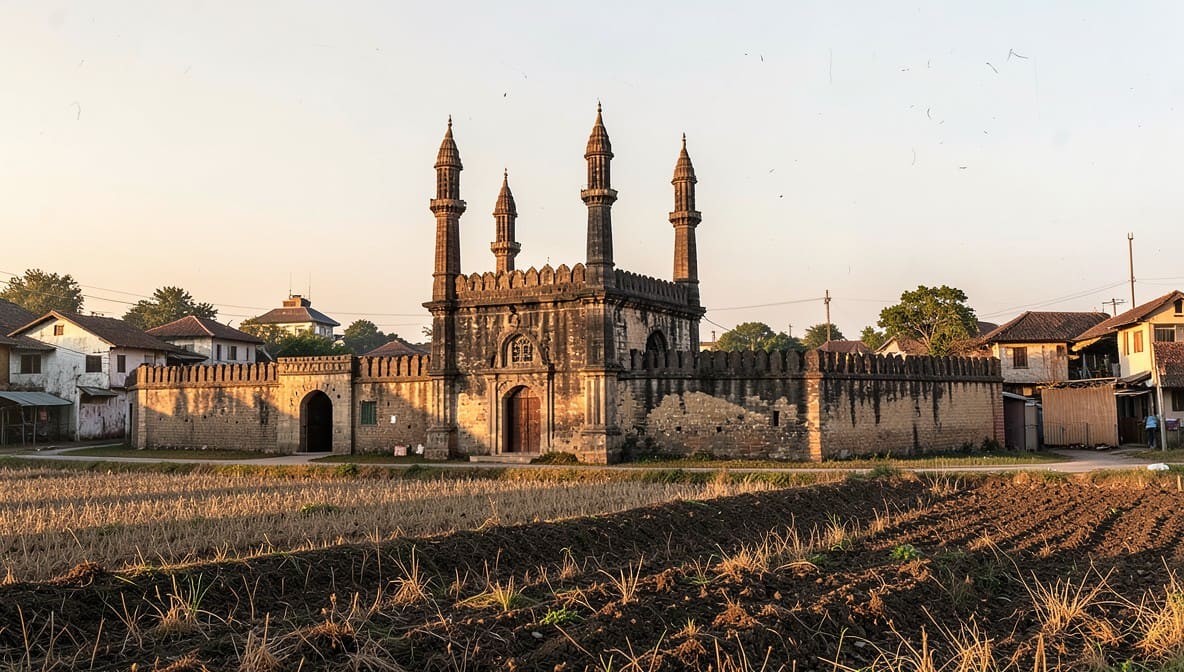
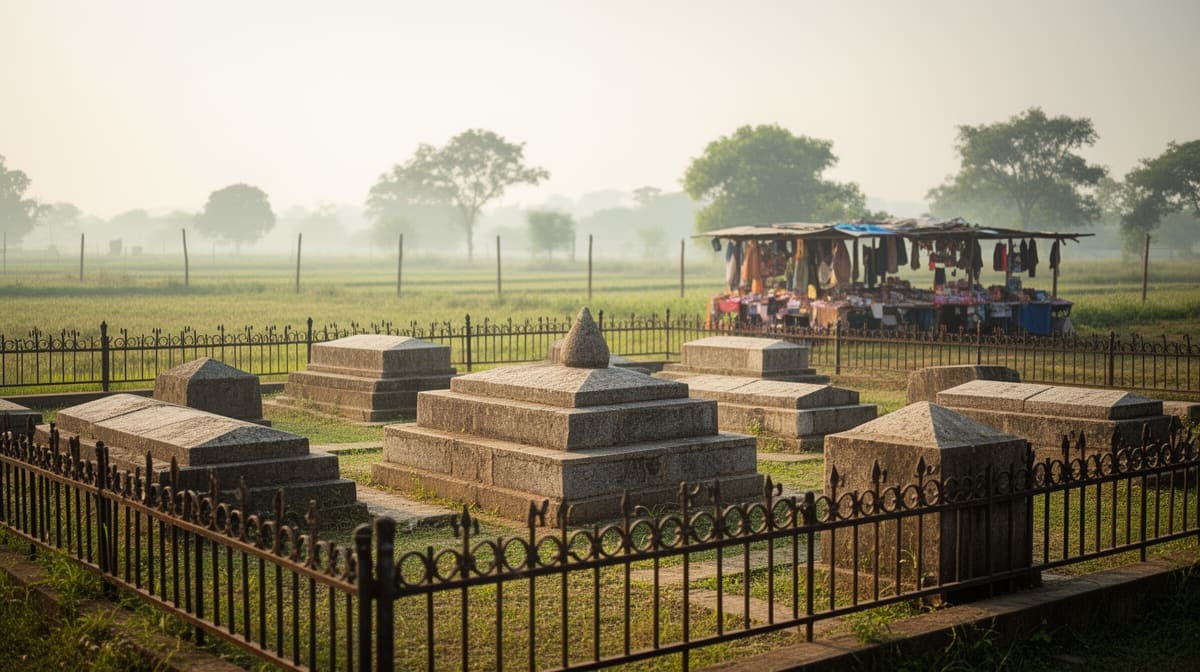
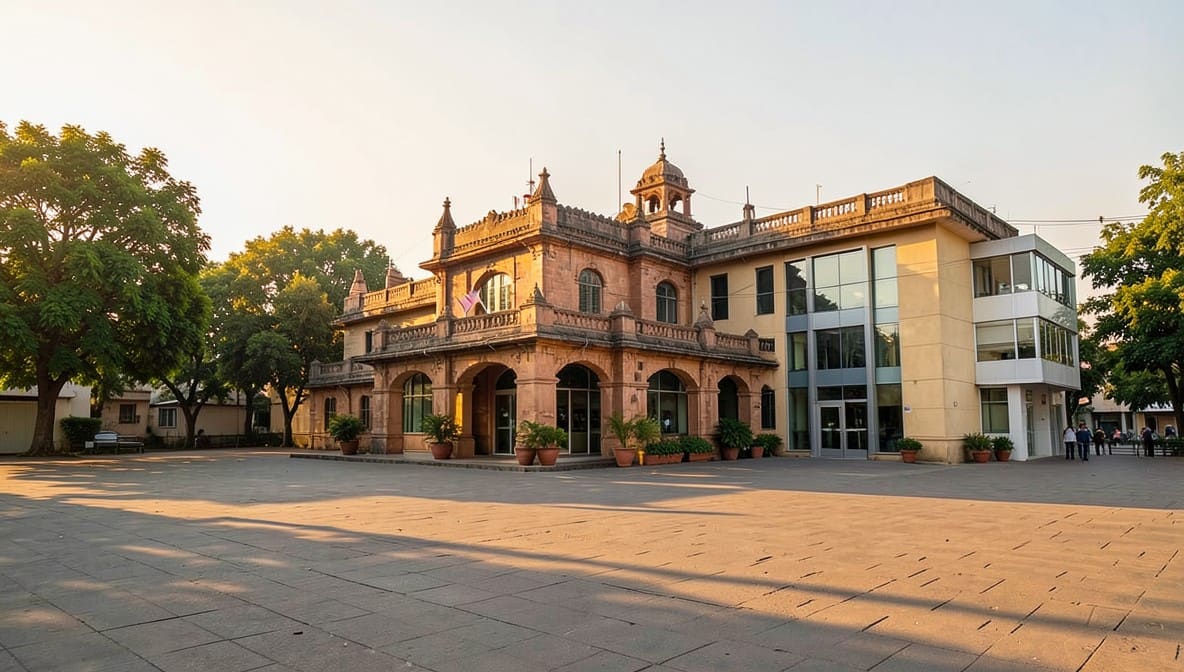
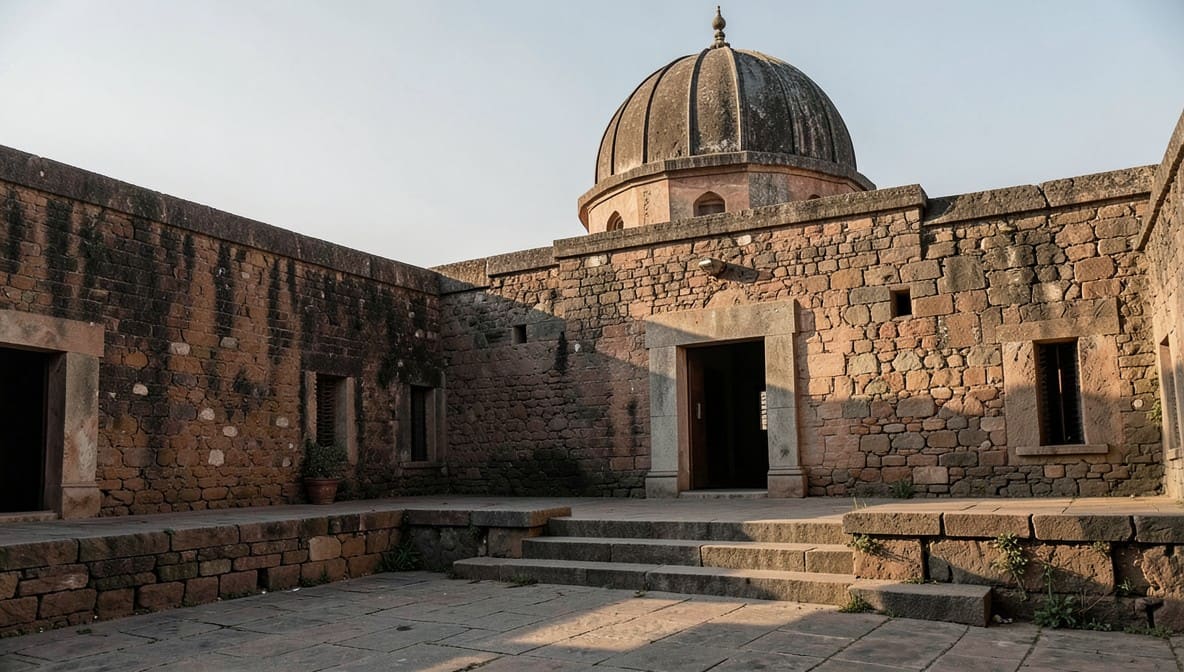
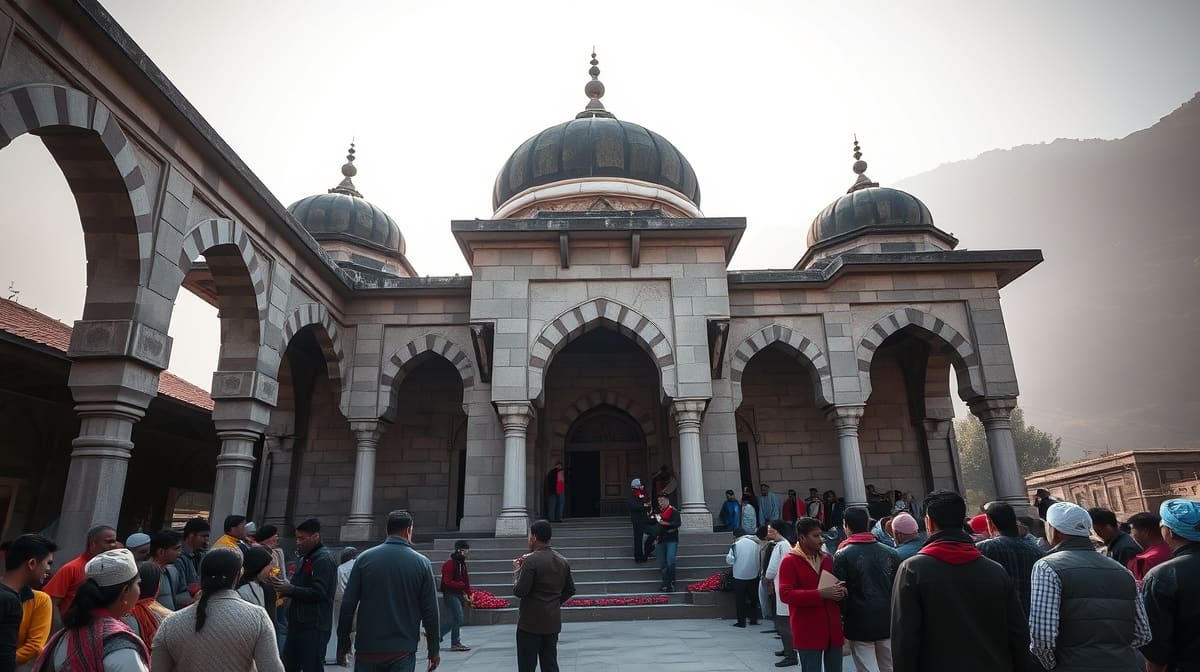
The dispute centers on the legal status of two Sufi shrines - Ziarat Farid-ud-Din Sahib and Ziarat Assrar-ud-Din Sahib - in Kishtwar, Jammu & Kashmir. The petitioners, Syed Lutfullah Shah and another, claim to be hereditary Sajjada Nasheens (custodians) of these shrines and assert exclusive proprietary rights over the associated properties, including land, offerings (Nazur-u-Nayaz), and residential structures. The respondents, including the Wakaf Board and Superintendent Engineer, contend that the shrines and their lands are wakaf properties governed by the Jammu and Kashmir Wakafs Act, 1978, and that the petitioners are merely managers with no ownership rights.
Key Facts
- The two ziarats were built over the graves of two Sufi saints, Shah Farid-ud-Din Sahib (d. 1725 AD) and his son Shah Assrar-ud-Din Sahib (d. 1685 AD), who were venerated by local devotees.
- Raja Kirat Singh, the Hindu ruler of Kishtwar, converted to Islam in 1681 AD and was later renamed Sadat Yar Khan by Emperor Aurangzeb in 1687 AD.
- The shrines have been maintained by successive generations of Sajjada Nasheens for over 300 years, with offerings collected and used for upkeep.
- The annual Urs (death anniversary) of Shah Assrar-ud-Din Sahib is a public holiday in Kishtwar, Doda, and Ramban districts.
- In 1963-64, the Government of J&K contributed Rs. 50,000 and the public contributed an equal amount for the renovation of Ziarat Assrar-ud-Din Sahib after a fire.
- The petitioners claim ownership through khilafatnama (succession deed), pattas (land grants), nikahnama (marriage deed), and royal decrees allegedly executed by Raja Kirat Singh and Aurangzeb.
- The respondents dispute the authenticity of these documents, noting they are illegible photocopies with no corroboration.
- Revenue records (jamabandi) consistently list the owners of the land as the ziarats themselves, not the petitioners or their ancestors.
- In one instance, a mohtamim attempted to gift 20 kanals of ziarat land to a relative; the mutation was rejected by the Tehsildar and Revenue Minister on grounds that the land belonged to the wakaf, not the custodian.
Procedural History
- 1969: Special Officer appointed under the J&K Muslim Wakaf Act, 1959, submitted a report (09.08.1969) recommending inclusion of Sajjada Nasheens in the Wakaf Committee but did not determine whether the ziarats were wakaf properties.
- 1978: The J&K Wakafs Act, 1978, replaced the 1959 Act. The Government dissolved the previous committee and appointed the Deputy Commissioner as Administrator.
- 1979: Respondent No. 1 (Superintending Engineer) issued proclamations requiring donations to be routed through the Wakaf Board. A new Special Officer (Respondent No. 4) was appointed under the 1978 Act.
- 05.08.1979: Special Officer submitted a report concluding the ziarats were wakaf by user, without prior notice to petitioners.
- 15.11.1979: SRO No. 619 declared the ziarats as wakaf properties.
- 30.04.1982: Appellate authority (Minister-in-charge) dismissed petitioners’ appeal, upholding the report and SRO, but permitted petitioners to reside in houses on the land as lessees and receive 25% of offerings.
- 10.09.1998: Single Judge of J&K High Court dismissed OWP No. 97/1979, rejecting petitioners’ claims.
- 30.05.2003: Division Bench dismissed LPA No. 283/1998.
- 28.02.2013: Supreme Court set aside the 1998 and 2003 orders, restored OWP No. 97/1979 for fresh hearing, and transferred OWP No. 633/2004 (challenging the 1978 and 2001 Acts) to the J&K High Court.
- 02.04.2026: J&K High Court delivered final judgment on both petitions.
The Parties' Positions
Petitioners: Argued that the ziarats are personal family property inherited from ancestors, not wakaf, because Raja Kirat Singh (a Hindu) never dedicated them. They relied on khilafatnama, pattas, nikahnama, and historical texts to prove ownership. They claimed the 1969 report was final and binding under Section 61 of the 1978 Act.
Respondents: Contended that the ziarats are wakaf by user under Section 3(d) of the 1978 Act, as mausoleums of Sufi saints. They asserted that the 1969 report was never published or accepted, hence not final. They relied on jamabandi entries, rejection of mutation, and public use to establish wakaf status.
Relief Sought
The petitioners sought:
- Declaration that the ziarats and associated properties are not wakaf properties.
- Injunction against respondents from interfering in management, collection of offerings, or possession.
- Recognition of their hereditary rights as Sajjada Nasheens.
- Restoration of their right to receive 100% of offerings.
The Legal Issue
The central question was whether a mausoleum (Rauza) maintained by hereditary custodians for centuries, with no formal dedication by the original owner, qualifies as a wakaf by user under Section 3(d) of the Jammu and Kashmir Wakafs Act, 1978, and whether the petitioners’ claim of ownership through historical documents and hereditary succession can override entries in the Record of Rights.
Arguments Presented
For the Petitioner
The petitioners relied on Abdul Kuddus v. Union of India (2019) to argue that the 1969 Special Officer’s report was final and binding under Section 61 of the 1978 Act, and could not be reopened. They contended that Raja Kirat Singh, being a Hindu at the time of the ziarats’ construction, could not create a wakaf under Muslim law. They cited Aliyathammuda Beethathebiyyappura v. Pattakal Cheriyakoya and Bhimabai Mahadeo Kambekar to argue that historical texts and royal decrees should be accepted as evidence of title. They claimed the 1979 report was ex parte and violated natural justice.
For the Respondent
The respondents argued that the 1969 report was never accepted by the Government or published in the Gazette, hence not final. They relied on Intizamiya Committee v. State of J&K (2025) to establish that mausoleums are wakaf by user under Section 3(d), irrespective of dedication. They emphasized that jamabandi entries, which consistently listed the ziarats as owners, were strong evidence of title. They denied the authenticity of the petitioners’ documents and cited Krishan Lal v. Sohan Lal to argue that historical books cannot prove private property titles.
The Court's Analysis
The Court began by interpreting Section 3(d) of the J&K Wakafs Act, 1978, which defines wakaf to include not only properties dedicated by a Muslim but also those used as wakaf by user, explicitly listing “Rauza” (mausoleum) as a category. The Court held that the ziarats, being mausoleums of Sufi saints venerated for over 300 years, fell squarely within this definition. The Court observed:
"Wakaf can be created by permanent dedication by a person professing Islam with respect to his property for any religious, pious or charitable purposes recognized by Muslim law. The properties like Masjid, Dargah etc. by virtue of their user as such are also Wakafs and no formal declaration to declare such properties as 'Wakaf' is required under the Act of 1978."
The Court rejected the petitioners’ argument that Raja Kirat Singh’s Hindu identity precluded wakaf creation, noting that he had converted to Islam before the ziarats were established and that wakaf by user does not require dedication by the original owner.
Regarding the 1969 report, the Court held that the Special Officer under the 1959 Act had no authority to determine whether a ziarat should be excluded from the Wakaf Committee’s jurisdiction. The report was merely an inquiry into the nature of wakafs, not a final determination of ownership. Since it was never published in the Gazette, it could not attain finality under Section 6 of the 1959 Act, and thus could not be saved under Section 61 of the 1978 Act.
On the issue of natural justice, the Court found that the 1979 report explicitly noted the petitioners’ claims and that they had ample opportunity to present evidence before the appellate authority, which they failed to do. The Court held that the appellate forum cured any procedural defect.
The Court then addressed the petitioners’ reliance on historical texts. Citing Krishan Lal v. Sohan Lal, it held that Section 57 of the Evidence Act permits judicial notice only of matters of public history - not private property titles. The Court stated:
"Whether a person is or is not holding a title to a particular property cannot be a question of fact of public history. These history books or references cannot be used for proof of any fact relating to title of a property."
The Court gave decisive weight to the jamabandi entries, which consistently listed the ziarats as owners. It held that while such entries are not conclusive, they are strong prima facie evidence, and the petitioners failed to rebut them with cogent proof.
Finally, the Court upheld the 1982 appellate order permitting petitioners to reside in their houses on the land as lessees and receive 25% of offerings, noting that this part of the order had attained finality.
The Verdict
The writ petitions were dismissed. The Court held that the two ziarats are wakaf properties by user under Section 3(d) of the Jammu and Kashmir Wakafs Act, 1978, and the petitioners’ hereditary custodianship does not confer ownership. The petitioners are permitted to continue residing in the residential houses they constructed on the ziarat land as lessees and to receive 25% of the offerings, as per the order dated 30.04.1982. All other claims for exclusive ownership, full control of offerings, and declaration of non-wakaf status were rejected.
What This Means For Similar Cases
Hereditary Custodianship ≠ Ownership
- Practitioners must distinguish between management rights and proprietary rights in wakaf properties.
- Sajjada Nasheens or mutawallis cannot claim ownership merely by virtue of long-standing custodianship.
- Any claim to title must be supported by documentary evidence, not tradition or lineage.
Wakaf by User Is a Powerful Doctrine
- Mausoleums, dargahs, and idgahs used for religious purposes for decades qualify as wakaf even without formal dedication.
- Courts will look to usage, public recognition, and revenue records - not oral history or unverified documents - to determine status.
- Legal challenges must focus on rebutting the presumption of wakaf status with clear, admissible evidence.
Revenue Records Trump Historical Narratives
- Entries in jamabandi, khasra, and other revenue records carry significant evidentiary weight.
- Historical texts, even from reputable authors, cannot override official land records in title disputes.
- Practitioners should prioritize obtaining certified copies of revenue records before filing suits or writs.
Procedural Finality Requires Gazette Publication
- Reports by Special Officers under repealed Acts are not final unless published in the Government Gazette.
- Section 61 of the 1978 Act saves only actions that were legally completed under the prior regime.
- Unpublished reports cannot be invoked to bar subsequent proceedings.
Limitations on Writ Jurisdiction
- High Courts cannot re-appreciate evidence or substitute their view for that of quasi-judicial authorities.
- Interference is permissible only for jurisdictional errors, violation of natural justice, or patent errors of law.
- Factual disputes based on evidence appreciation are beyond writ review.