The Bombay High Court has delivered a nuanced judgment under Section 9 of the Arbitration and Conciliation Act, 1996, emphasizing that interim relief must balance competing claims among co-owners to prevent irreparable prejudice. The Court directed equal distribution of redevelopment benefits among legal heirs, subject to indemnity bonds, while preserving the subject matter of arbitration. This ruling clarifies the scope of judicial intervention in disputes involving joint ownership and contractual obligations in redevelopment projects.
Background & Facts
The Dispute
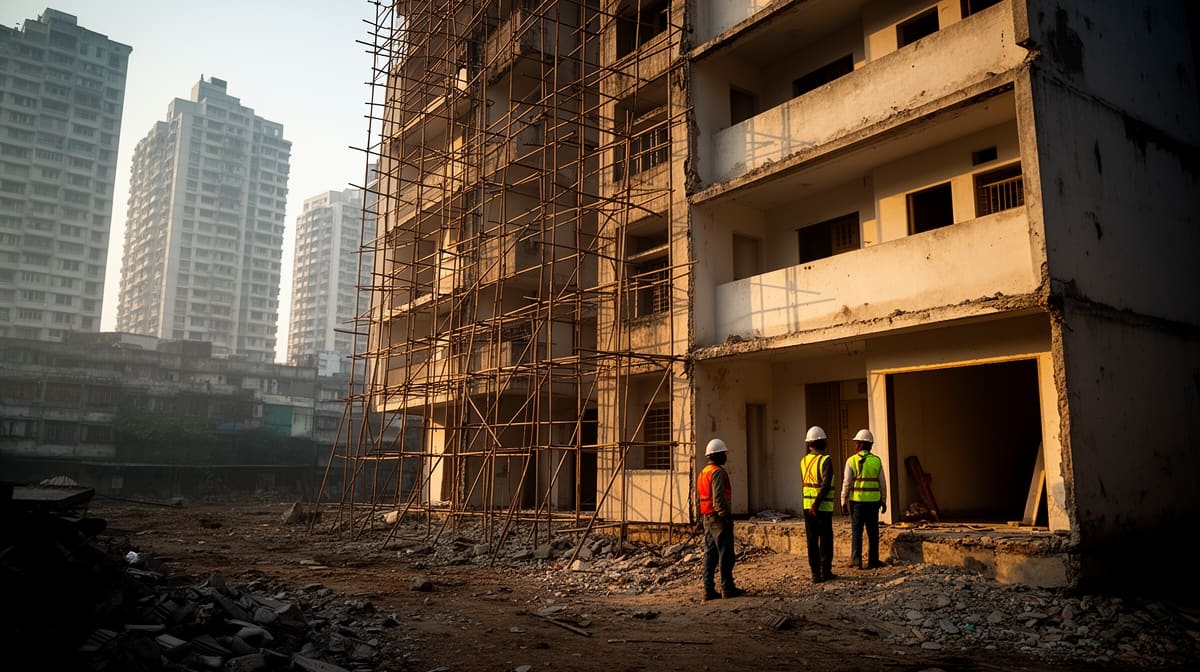
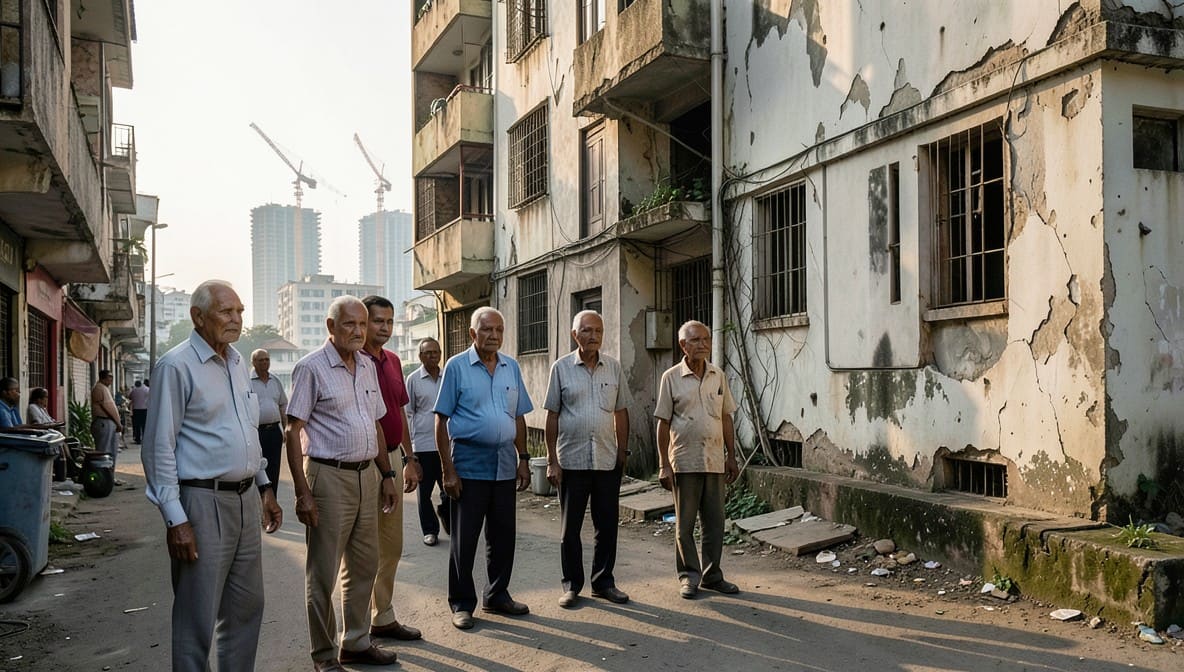
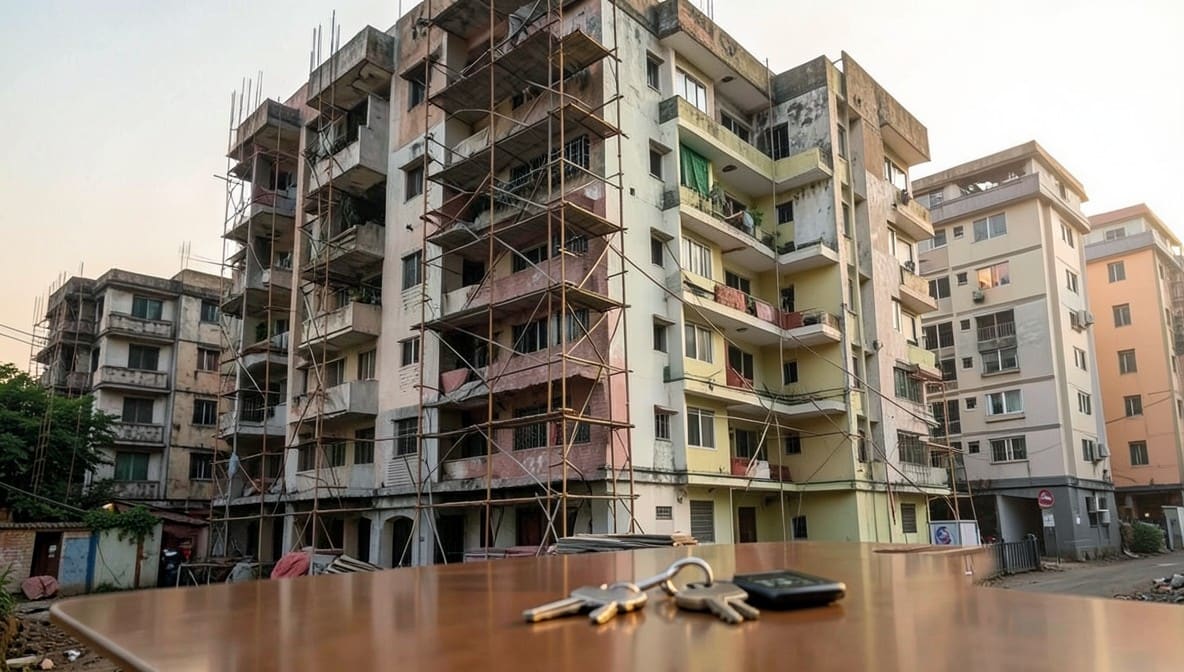
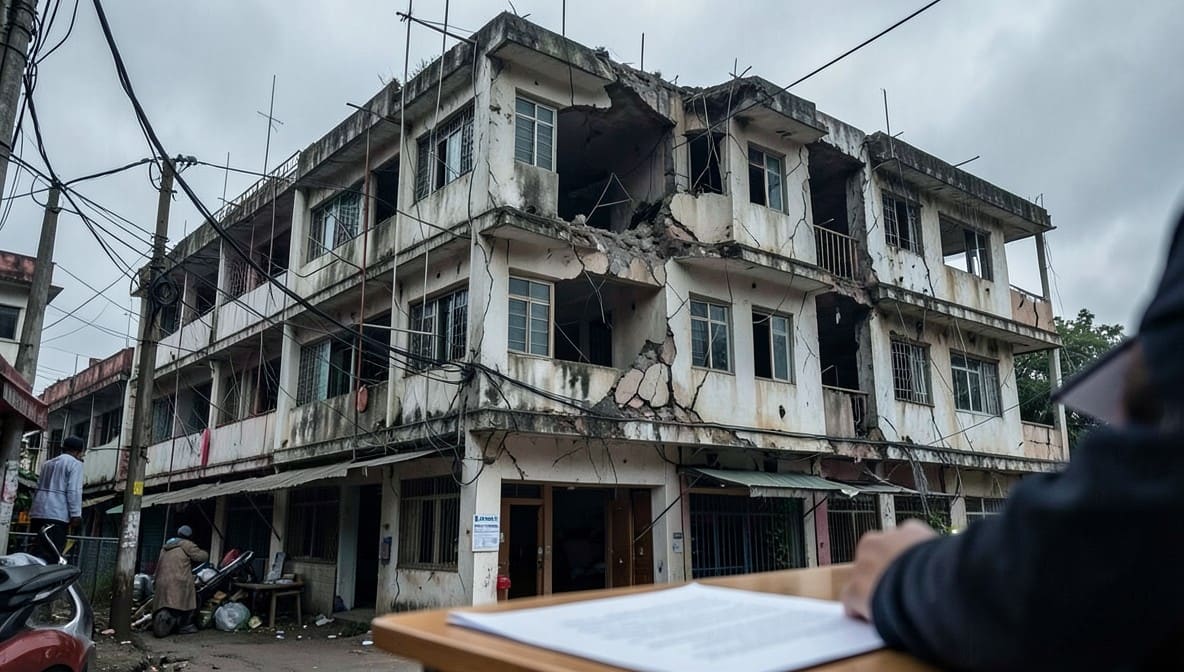
The dispute arises from a redevelopment project involving a flat in Mumbai. The original owner, Mr. Shetty, died intestate on 22 July 2015, leaving behind four legal heirs: the three petitioners and respondent No. 3. Each heir inherited a 25% share in the flat under the Hindu Succession Act, 1956. The petitioners allege that respondent No. 3 wrongfully exercised exclusive control over the flat, excluding them from their rightful share in the redevelopment benefits.
Key Facts
- Ownership: The flat was originally owned by Mr. Shetty, who died intestate on 22 July 2015. His four legal heirs (petitioners and respondent No. 3) each inherited a 25% share.
- Redevelopment Agreements:
- Agreement for Development executed on 30 December 2011 between respondent No. 2 (the society) and respondent No. 1 (the developer).
- Supplemental Agreements dated 31 March 2014 and 31 March 2025.
- Permanent Alternate Accommodation Agreement (PAAA) executed on 23 September 2025 by the society, petitioners, respondent No. 3, and the developer.
- Hardship Compensation: Clause 7.3 of the Development Agreement provided for monthly hardship compensation at the rate of Rs. 100 per square foot of carpet area.
- Disputes: The petitioners alleged that respondent Nos. 1 and 2 excluded them from redevelopment dealings, despite their 75% ownership share. They claimed Rs. 15,80,179.50 as due payments, along with 15% interest per annum from January 2026.
- Arbitration Notice: The petitioners invoked the arbitration clause via a notice dated 28 November 2025 under Section 21 of the Arbitration and Conciliation Act, 1996, but received no response.
Procedural History
- 28 November 2025: Petitioners issued arbitration notice under Section 21 of the Act.
- 24 November 2025: Petitioners discovered email evidence showing respondent Nos. 1 and 2 dealt exclusively with respondent No. 3.
- 19 July 2025: Developer issued a vacation notice. Petitioners and respondent No. 3 jointly confirmed vacation of Flat No. 35 via a signed communication.
- 2 January 2026 and March 2026: Society issued communications recognizing respondent No. 3 as the sole recipient of hardship compensation.
- Filing of Petition: The present Arbitration Petition (L) No. 8938 of 2026 was filed under Section 9 of the Act, seeking interim protection of redevelopment benefits.
The Parties' Positions
Petitioners
- Claim 75% ownership in the flat, worth approximately Rs. 1.5 Crore.
- Argue that Clause 7.3 of the Development Agreement and Clause 16(3) of the PAAA mandate equal treatment of all co-owners.
- Contend that respondent Nos. 1 and 2 breached contractual obligations by dealing exclusively with respondent No. 3.
- Seek interim protection to prevent irreparable prejudice, including joint possession of the redeveloped premises and equal distribution of redevelopment benefits.
Respondent No. 3
- Relies on communications from the society (dated 2 January 2026 and March 2026) recognizing him as the sole recipient of hardship compensation.
- Cites the judgment in Ritesh Haldar vs. Elite Housing LLP & Others to argue that exclusive possession entitles him to transit rent and brokerage.
- Points to paragraph 4(c) of the petition, where petitioners admit respondent No. 3's "wrongful exclusive control" over the flat, as an admission under Nagindas Ramdas Vs. Dalpatram Ichharam alias Brijram & Others.
Relief Sought
The petitioners sought:
- Interim protection of redevelopment benefits under Section 9 of the Act.
- A direction for joint possession of the redeveloped premises.
- Equal distribution of hardship compensation, corpus, transit rent, brokerage, and other monetary benefits among all legal heirs.
- Payment of Rs. 15,80,179.50 with 15% interest per annum from January 2026.
The Legal Issue
The central question was whether Section 9 of the Arbitration and Conciliation Act, 1996 permits the Court to grant interim relief that balances competing claims among co-owners, particularly when:
- The redevelopment agreements mandate equal treatment of all co-owners.
- One co-owner claims exclusive possession based on societal communications.
- The subject matter of arbitration involves monetary benefits and joint ownership rights.
Arguments Presented
For the Petitioners
- Contractual Obligations: Relied on Clause 7.3 of the Development Agreement and Clause 16(3) of the PAAA, which mandate equal treatment of all co-owners.
- Joint Execution: Highlighted that the PAAA was executed jointly by all four legal heirs, and the vacation communication bore all their signatures.
- Precedent Distinction: Distinguished Ritesh Haldar on the ground that the petitioners and respondent No. 3 are joint owners, unlike the gratuitous licensee in that case.
For Respondent No. 3
- Societal Recognition: Relied on communications from the society (dated 2 January 2026 and March 2026) recognizing him as the sole recipient of hardship compensation.
- Admission in Pleadings: Argued that paragraph 4(c) of the petition constitutes an admission of exclusive possession, binding the petitioners under Nagindas Ramdas.
- Precedent Application: Contended that Ritesh Haldar supports his entitlement to transit rent and brokerage due to exclusive possession.
The Court's Analysis
The Court began by reiterating the limited scope of Section 9, which requires a prima facie case, balance of convenience, and irreparable prejudice to justify interim relief.
Contractual Framework
The Court noted that the Development Agreement and PAAA form a single contractual framework. Clause 7.3 mandates payment of hardship compensation to existing members, while Clause 16(3) of the PAAA binds the developer to pay all amounts as agreed under the Development Agreement. The PAAA was executed jointly by all four legal heirs, and the vacation communication bore all their signatures, indicating joint participation in the redevelopment process.
"Clause 7.3 of the Development Agreement provides payment of monthly hardship compensation to the existing members. Clause J of the PAAA records that it is executed in continuation of the Development Agreement and that rights and obligations of the parties shall continue to be governed by the Development Agreement. Clause 16(3) provides that the developer shall pay hardship compensation, additional hardship compensation and other amounts in the manner agreed under the Development Agreement."
Admission in Pleadings
The Court examined paragraph 4(c) of the petition, where the petitioners alleged that respondent No. 3 "wrongfully exercised exclusive control" over the flat. While respondent No. 3 argued this constituted an admission under Nagindas Ramdas, the Court held that:
- The pleading must be read as a whole, not in isolation.
- The petitioners did not admit exclusive possession but alleged wrongful control, implying a dispute over possession.
- At the prima facie stage, this statement could not be treated as an unconditional admission relinquishing all rights.
"A pleading has to be read as a whole and not by picking one sentence separately. The petitioners have stated that respondent No.3 has 'wrongfully exercised exclusive control' over the flat. The words used are 'exercised exclusive control'. This is not the same as admitting that respondent No.3 alone had exclusive possession by excluding all the petitioners."
Precedent Analysis
The Court distinguished Ritesh Haldar on the following grounds:
- In Ritesh Haldar, the owner admitted that the claimant was a gratuitous licensee, not a co-owner.
- The society records reflected sole ownership in favor of Ritesh, with no pending litigation.
- The dispute was between ownership rights and possessory rights, with the Court holding that transit rent and brokerage compensate for temporary displacement during redevelopment.
In contrast, the present case involves:
- Joint ownership among all four legal heirs.
- Joint execution of the PAAA and joint vacation of the flat.
- No admission of exclusive possession by the petitioners.
"The present case stands on a different footing. Here, respondent No.3 is not claiming as a licensee or occupant under another owner. He himself is one of the legal heirs. Equally, the petitioners are also legal heirs. The petitioners assert that each of the four legal heirs inherited equal shares after death of late Mr. Shetty. Respondent No.3 has not disputed execution of the PAAA jointly with the petitioners. Nor is it disputed that the communication regarding vacation of the flat bears signatures of all four persons."
Balance of Convenience
The Court emphasized the competing claims and the risk of irreparable prejudice to either party:
- If redevelopment benefits were exclusively released to respondent No. 3, the petitioners might face difficulty in recovery later.
- If benefits were withheld entirely, respondent No. 3 would suffer hardship, as these payments compensate members during redevelopment.
- The market value of the flat (approximately Rs. 2 Crore) and the petitioners' 75% share underscored the high stakes involved.
"The petitioners claim seventy five percent ownership in the flat. The approximate market value of the flat is stated to be around Rs.2 crores. They also claim monetary amounts already due under the redevelopment agreements. If the redevelopment benefits continue to be released only in favour of respondent No.3 during pendency of arbitration, recovery by the petitioners at a later stage may become difficult. On the other hand, if all benefits are withheld till conclusion of arbitration, respondent No.3 would also suffer because redevelopment benefits are intended to compensate members during redevelopment."
Equitable Solution
The Court devised a balanced interim arrangement to preserve the subject matter of arbitration while preventing irreparable prejudice:
- Equal Distribution: All redevelopment benefits (hardship compensation, corpus, transit rent, brokerage, shifting charges) to be released in four equal shares to the petitioners and respondent No. 3.
- Indemnity Bonds: The petitioners' shares to be released subject to indemnity bonds, protecting respondent No. 3 against future adjustments.
- Preservation of Rights: The order is interim and does not prejudice the final adjudication by the Arbitral Tribunal.
"In the facts of the present case, a balanced arrangement would better serve the object of Section 9. Since the petitioners as well as respondent No.3 derive their rights from late Mr. Shetty and all of them are parties to the PAAA, it would not be proper at this stage to permit one party to exclusively enjoy all redevelopment benefits."
The Verdict
The Court partly allowed the arbitration petition with the following directions:
- Equal Distribution: Respondent No. 1 (the developer) shall release all redevelopment-related monetary benefits (including hardship compensation, corpus, transit rent, brokerage, and shifting charges) in four equal shares to the petitioners and respondent No. 3.
- Indemnity Bonds: The petitioners' shares shall be released subject to execution of indemnity bonds before the Prothonotary and Senior Master of the Court within two weeks, undertaking to refund the amount if directed by the Arbitral Tribunal or competent Court.
- Timelines:
- Indemnity bonds to be executed within two weeks.
- Due amounts to be released within two weeks thereafter.
- Future benefits to be released in the same manner as they become due.
- Interim Nature: The directions are interim and do not prejudice the final determination of rights, title, or entitlement by the Arbitral Tribunal.
- Costs: No order as to costs.
What This Means For Similar Cases
Balancing Competing Claims in Interim Relief
This judgment establishes that Section 9 empowers courts to devise equitable interim arrangements when co-owners have competing claims over redevelopment benefits. Practitioners should note:
- Contractual Terms Prevail: Courts will enforce contractual obligations (e.g., equal treatment clauses) unless clear admissions or undisputed evidence justify deviation.
- Joint Participation Matters: Evidence of joint execution of agreements or joint communications (e.g., vacation notices) strengthens claims for equal treatment.
- Indemnity Bonds as Safeguards: Courts may require indemnity bonds to protect parties against future adjustments, ensuring fairness without prejudicing final adjudication.
Admissions in Pleadings: Context Matters
- Read Pleadings Holistically: Courts will not treat isolated statements as admissions if the overall pleading contradicts or qualifies them.
- Prima Facie Standard: At the interim stage, admissions must be unconditional to bind parties. Allegations of wrongful conduct do not constitute admissions of exclusive rights.
Redevelopment Benefits: Ownership vs. Possession
- Ownership Rights: Benefits like hardship compensation and corpus may follow ownership shares, especially when agreements mandate equal treatment.
- Possessory Rights: Transit rent and brokerage may compensate temporary displacement, but exclusive possession must be undisputed.
- Societal Communications: While society records may recognize one party for administrative convenience, they do not override contractual obligations or joint ownership rights in disputes.
Practical Takeaways for Practitioners
- Drafting Agreements: Ensure redevelopment agreements explicitly define the treatment of co-owners, including equal distribution clauses and dispute resolution mechanisms.
- Evidence of Joint Participation: Retain signed communications, joint notices, and agreements to counter claims of exclusive possession.
- Section 9 Strategy: When seeking interim relief, highlight irreparable prejudice and balance of convenience, especially in high-value disputes involving joint ownership.
- Indemnity Bonds: Be prepared to execute indemnity bonds as a compromise solution to secure interim relief without prejudicing final rights.