The Calcutta High Court has reaffirmed that municipal authorities cannot remain passive in the face of ongoing illegal construction that infringes on citizens' fundamental rights, even when appeals are pending. The judgment underscores the duty of public bodies to act promptly to restore lawful use of property and protect residents from encroachments that obstruct natural light and ventilation.
Background & Facts
The Dispute
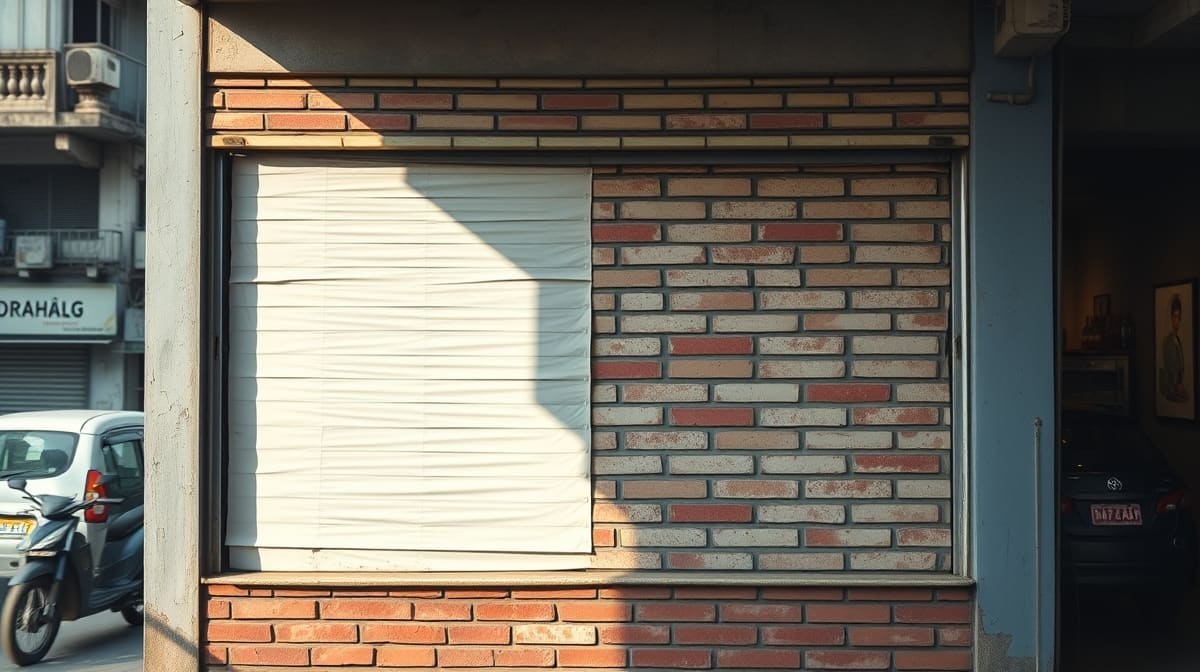
The petitioners, Sushila Golchha and another, are occupants of the ground floor of premises No. 240B AJC Bose Road, Kolkata, where they operate a garment and clothing business. They allege that the private respondent, respondent No. 8, has illegally constructed a brick wall that partially covers and blocks their windows, rendering them inoperable. This obstruction deprives them of natural light and ventilation, directly impacting their business and living conditions.
Key Facts
- The petitioners filed a complaint on 02.12.2024 regarding the illegal construction blocking their windows.
- On 21.12.2024, the Special Officer (Building) under Section 400(1) of the Kolkata Municipal Corporation Act, 1980, passed an order directing demolition of a tin shed and brick wall structure covering the rear open space of the premises.
- The order dated 21.12.2024 was issued independently of the petitioners’ complaint and was not communicated to them.
- Respondent No. 8 filed an appeal against the 21.12.2024 order before the Building Tribunal, with the next hearing listed for 09.07.2026.
- On 27.11.2024, the KMC issued an order under Section 400(8) of the Act directing demolition of unauthorized construction on the same premises.
- Respondent No. 8 challenged the 27.11.2024 order in WPA 1368 of 2025, which was dismissed by this Court on 21.05.2025.
- An appeal (MAT 800 of 2025) against the 21.05.2025 order was dismissed on 18.06.2025.
- Respondent No. 8 filed a Special Leave Petition (SLP C) No. 17291 of 2025 before the Supreme Court, which was dismissed on 02.07.2025.
- On 04.07.2025, respondent No. 8 claimed to have voluntarily demolished the portion directed for removal under the 27.11.2024 order and intimated the KMC.
- The KMC has not filed any affidavit or documentation before this Court confirming compliance with the 27.11.2024 order.
- The obstruction to the petitioners’ windows remains unaddressed.
Procedural History
- 02.12.2024: Petitioners lodge complaint with KMC regarding blocked windows.
- 21.12.2024: Special Officer (Building) issues demolition order under Section 400(1) - not communicated to petitioners.
- 27.11.2024: KMC issues demolition order under Section 400(8) against unauthorized construction.
- 21.05.2025: Calcutta HC dismisses WPA 1368 of 2025 filed by respondent No. 8 against the 27.11.2024 order.
- 18.06.2025: MAT 800 of 2025 (appeal against 21.05.2025 order) dismissed.
- 02.07.2025: Supreme Court dismisses SLP C No. 17291 of 2025.
- 04.07.2025: Respondent No. 8 claims voluntary compliance with 27.11.2024 order.
- 18.03.2026: Present writ petition (WPA 5003 of 2025) heard and decided.
The Parties' Positions
For the Petitioners: The obstruction to their windows is a continuing violation of their right to light and air, and the KMC’s inaction despite multiple orders constitutes a failure of public duty. The pendency of an appeal does not suspend the obligation to enforce demolition orders affecting third parties.
For Respondent No. 8: The appeal against the 21.12.2024 order is pending before the Building Tribunal, and therefore, no enforcement action should be taken until the tribunal decides. The demolition of the 27.11.2024 order portion has been completed.
For KMC: No stay order exists, but no formal compliance report has been filed. The authority acknowledges the appeal but claims no power to act independently without direction.
Relief Sought
The petitioners seek a direction upon the KMC and other respondents to immediately remove the illegal brick wall obstructing their windows and to ensure free and unimpeded access to the windows.
The Legal Issue
The central question is whether the municipal authority’s duty to enforce demolition orders under Section 400 of the Kolkata Municipal Corporation Act, 1980 is suspended merely because the violator has filed an appeal, particularly when the appeal does not include a stay and the illegal act continues to infringe upon the rights of innocent third parties.
Arguments Presented
For the Petitioner
The petitioners’ counsel argued that the obstruction of windows constitutes a continuing violation of the right to a healthy living environment under Article 21 of the Constitution. The pendency of an appeal, without a stay order, does not immunize the violator from enforcement. The KMC’s failure to notify the petitioners of the 21.12.2024 order or to act on the 27.11.2024 order constitutes a breach of its statutory duty and violates principles of natural justice. Reliance was placed on M.C. Mehta v. Union of India to emphasize the state’s positive obligation to protect environmental rights.
For the Respondent
The advocate for respondent No. 8 contended that since an appeal against the 21.12.2024 order is pending before the Building Tribunal, any enforcement action by the KMC would be premature and could prejudice the appellate process. He argued that the demolition of the portion under the 27.11.2024 order had been completed and that the window obstruction was part of the same structure under appeal. He urged the Court to refrain from interfering while the tribunal adjudicates.
The Court's Analysis
The Court examined the nature of the two distinct orders: the 27.11.2024 order under Section 400(8) addressed unauthorized construction generally, while the 21.12.2024 order under Section 400(1) specifically targeted the brick wall obstructing the petitioners’ windows. The Court noted that the latter order was not initiated at the petitioners’ instance and was never communicated to them, despite their direct interest.
"The respondent No. 8 is a habitual offender and had not bothered to adhere to the law of the land."
The Court rejected the argument that the pendency of an appeal suspends the municipal authority’s duty to act. It emphasized that no stay order had been granted by any forum, including the Building Tribunal. The Court observed that the KMC had failed to produce any evidence of compliance with the 27.11.2024 order, raising serious concerns about administrative apathy.
The Court distinguished between the demolition of a structure under appeal and the removal of an obstruction affecting third parties. It held that the right to light and air is a fundamental aspect of habitability and cannot be subordinated to procedural delays. The Court further noted that the respondent’s conduct - dragging litigation to the Supreme Court and then claiming compliance while continuing the obstruction - demonstrated bad faith.
"It is this illegal construction that the respondent no.8 is trying to defend and resist by holding out that an appeal is pending."
The Court concluded that the KMC’s inaction, despite clear statutory powers and multiple judicial affirmations, amounted to a dereliction of duty. The Court declined to accept the argument that the tribunal’s pending hearing should paralyze enforcement.
The Verdict
The writ petition is allowed. The Calcutta High Court directs the Kolkata Municipal Corporation to immediately take all necessary steps to remove the illegal brick wall obstructing the petitioners’ windows and restore unimpeded access. The process of removal shall be completed within four weeks from the date of communication of this order. The prayer for stay of this order is refused. The petition stands disposed of.
What This Means For Similar Cases
Municipal Duty Is Not Suspended by Appeal
- Practitioners must argue that pending appeals without stay orders do not freeze enforcement powers under municipal building laws.
- Municipal authorities cannot use procedural delays as an excuse for inaction when citizens’ rights are being violated.
Third-Party Rights Trump Procedural Technicalities
- When illegal construction directly affects non-parties (e.g., neighbors, tenants), authorities must act even if the violator has filed an appeal.
- Courts will prioritize substantive rights - such as access to light, air, and safe habitation - over technical defenses of pending appeals.
Documentation and Communication Are Non-Negotiable
- Municipal bodies must maintain and produce records of compliance with demolition orders.
- Affected parties must be formally notified of orders affecting their property rights, regardless of whether they initiated the complaint.