The Karnataka High Court has intervened in a case where a demolition order under Section 321(3) of the Karnataka Municipal Corporations Act, 1976 was issued with only a 48-hour compliance period, holding that such a short timeline is unreasonable when an appellate remedy under Section 443-A is available. The judgment underscores the necessity of providing adequate opportunity for affected parties to seek redressal before enforcement actions are taken.
Background & Facts
The Dispute
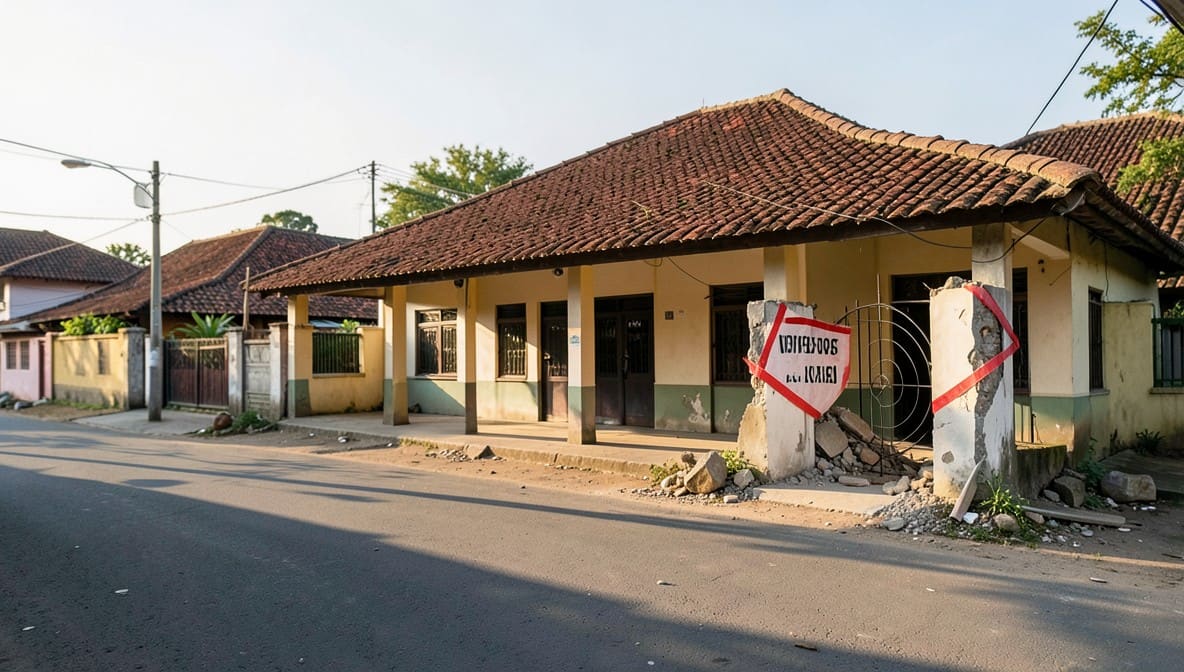
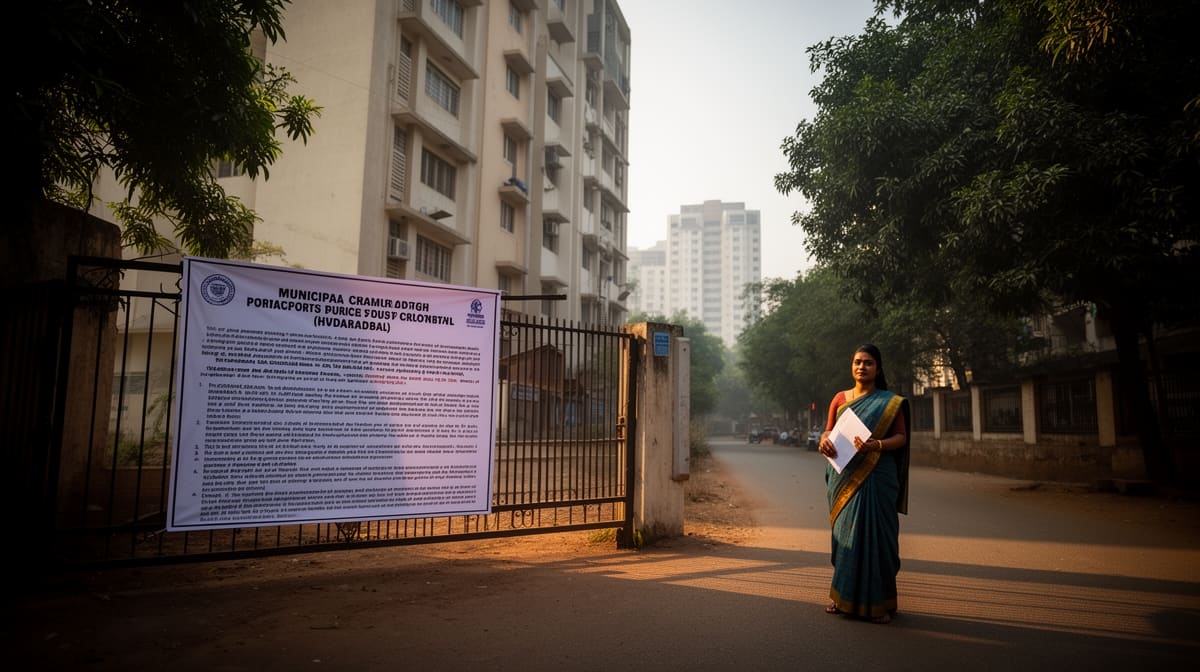
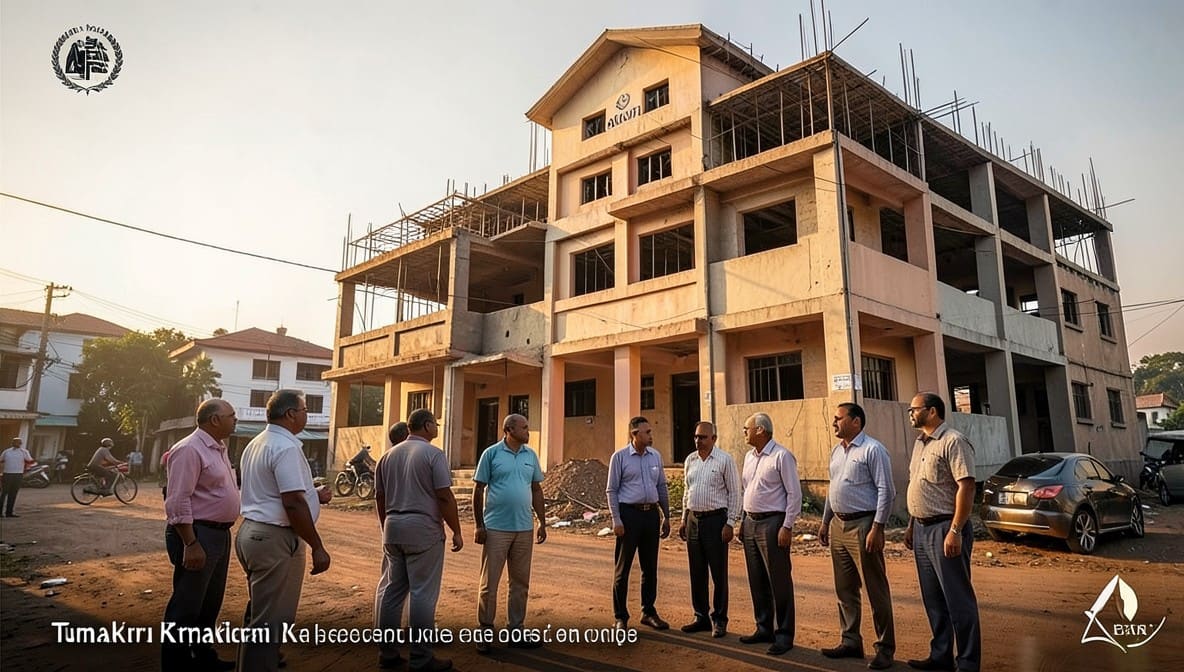
The petitioner, T N Tyagaraj, a resident of Bengaluru, challenged an order issued by the Tumakuru Municipal Corporation (Respondent No. 3) under Section 321(3) of the Karnataka Municipal Corporations Act, 1976. The order, dated 10.06.2026 (Annexure-F), directed the petitioner to remove alleged deviations in construction by 4:00 PM on 12.06.2026, failing which demolition would be carried out.
Key Facts
- The petitioner was served with a provisional order under Section 321(3) of the Act, requiring removal of deviations in construction.
- The order was issued on 10.06.2026 and fixed a compliance deadline of 4:00 PM on 12.06.2026, granting only 48 hours for compliance.
- The petitioner alleged that the construction in question did not involve any further deviations beyond those already under dispute.
- The Act provides an appellate remedy under Section 443-A, which the petitioner intended to avail.
Procedural History
- 10.06.2026: Order issued under Section 321(3) by the Tumakuru Municipal Corporation (Annexure-F).
- 12.06.2026: Writ Petition (WP No. 17750 of 2026) filed before the Karnataka High Court seeking quashing of the impugned order.
- 12.06.2026: Preliminary hearing held, and the Court passed the present order.
Relief Sought
The petitioner sought:
- Quashing of the impugned order dated 10.06.2026 (Annexure-F).
- A direction to the respondents to defer demolition until the petitioner availed the appellate remedy under Section 443-A of the Act.
- An interim order protecting the petitioner from demolition pending appeal.
The Legal Issue
The central question before the Court was whether a 48-hour compliance period prescribed under Section 321(3) of the Karnataka Municipal Corporations Act, 1976 is reasonable when the Act provides an appellate remedy under Section 443-A, and if the failure to allow such remedy violates principles of natural justice.
Arguments Presented
For the Petitioner
- The petitioner, represented by Sri S.S. Yadrami, Senior Advocate, contended that the 48-hour compliance period was grossly inadequate, particularly when an appellate remedy was available under Section 443-A of the Act.
- It was argued that the impugned order violated principles of natural justice by not providing a reasonable opportunity to seek redressal.
- The petitioner also submitted that no further construction was being carried out, and this statement should be recorded for the purpose of the order.
For the Respondents
- Sri R. Subramanya, counsel for Respondents 3 to 5, argued that the petitioner was continuing construction despite the provisional order under Section 321, justifying immediate action.
- The respondents contended that the petitioner had adequate notice and opportunity to comply, and the timeline was sufficient under the Act.
The Court's Analysis
The Court examined the reasonableness of the compliance period in light of the appellate remedy available under Section 443-A of the Act. The judgment emphasized that when a statute provides an alternative remedy, the authorities must ensure that affected parties are given a fair opportunity to avail themselves of such remedy before enforcement actions are taken.
"The question for consideration is whether the time allowed between the date of the order [10.06.2026] and the time fixed for demolition [at 4 ‘O’ Clock on 12.06.2026] is reasonable. This question must be answered in the light of the fact that there is an appellate remedy under Section 443-A of the Act, and a notice must be under Section 462 of the Act for demolition when there is failure to remove the offending construction."
The Court held that the 48-hour compliance period was unreasonable given the availability of an appellate remedy. It observed that the principles of natural justice require that parties be afforded a meaningful opportunity to challenge adverse orders, particularly when such orders involve severe consequences like demolition.
The Court also noted that while the merits of the dispute were not examined, the limited ground for intervention was the unreasonable timeline imposed by the impugned order. The respondents were directed to defer demolition and issue a fresh notice with a 7-day compliance period, allowing the petitioner to avail the appellate remedy.
The Verdict
The Court disposed of the writ petition with the following directions:
- The demolition scheduled for 12.06.2026 at 4:00 PM was deferred.
- The respondents were directed to issue a fresh notice of demolition with a 7-day compliance period from the date of the order (12.06.2026).
- The petitioner was permitted to avail the appellate remedy under Section 443-A of the Act.
- The appellate authority was directed to consider any request for an interim order independently of the present arrangement.
- The Court clarified that it had not examined the merits of the rival contentions.
- The petitioner’s statement that no further construction would be carried out was recorded, and the authorities were permitted to take action if this statement was violated.
What This Means For Similar Cases
Adequate Opportunity Must Precede Enforcement
The judgment reinforces that enforcement actions, particularly those involving demolition or severe penalties, must be preceded by a reasonable compliance period. When a statute provides an appellate remedy, authorities cannot bypass it by imposing unrealistic timelines.
- Practitioners must argue that short compliance periods (e.g., 48 hours) are unreasonable when an alternative remedy exists.
- Authorities must ensure that notices under Section 321(3) or similar provisions allow sufficient time for affected parties to seek redressal.
Appellate Remedy Cannot Be Rendered Illusory
The Court’s observation that the appellate authority must consider interim relief independently underscores that alternative remedies must not be rendered illusory by procedural hurdles.
- Petitioners can cite this judgment to argue that appellate forums must grant interim relief where enforcement actions are stayed.
- Courts will scrutinize whether statutory remedies are meaningful and not merely procedural formalities.
Natural Justice in Administrative Actions
The judgment highlights that principles of natural justice apply even in administrative actions under municipal laws. Fair opportunity is a non-negotiable requirement before enforcement.
- Administrative bodies must ensure that notices and orders provide clear timelines and opportunities for appeal.
- Affected parties can challenge unreasonable timelines on grounds of violation of natural justice even if the underlying dispute is pending.