The National Consumer Disputes Redressal Commission has reaffirmed that homebuyers are not mere investors but consumers entitled to relief when builders fail to deliver possession within contractual timelines. In a decisive ruling, the Commission ordered full refund of the purchase amount with contractual interest, emphasizing that prolonged non-performance by developers constitutes a clear deficiency in service under the Consumer Protection Act.
Background & Facts
The Dispute
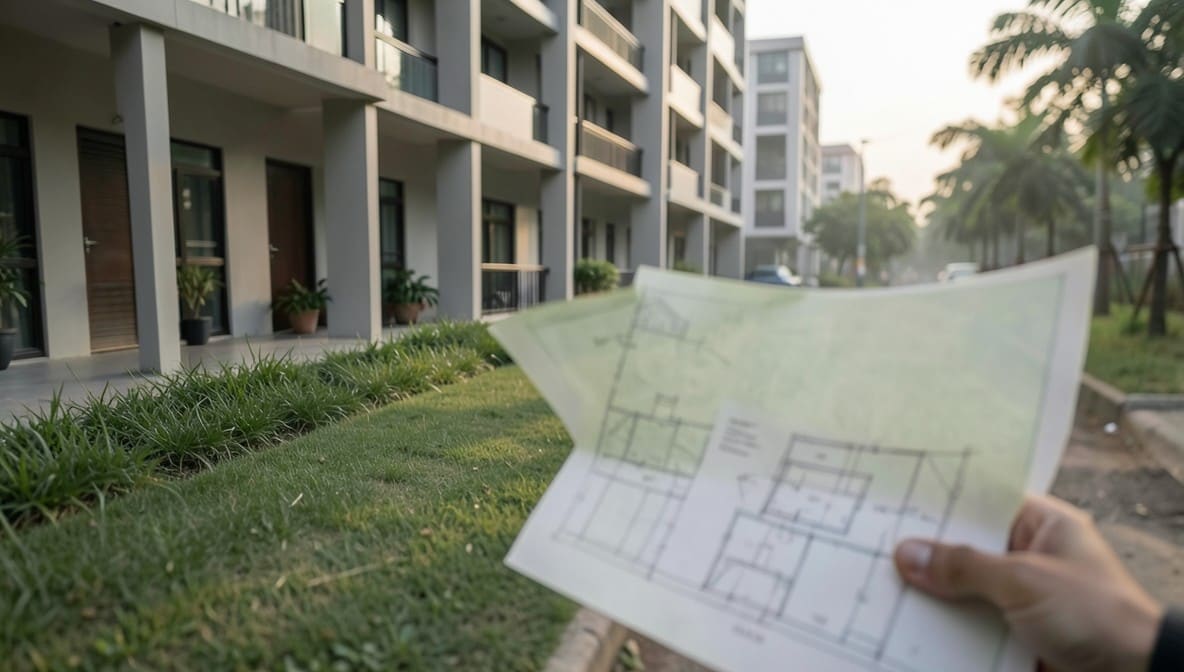
The complainant, Bimala Garodia, entered into an Agreement for Sale dated 30.04.2013 with Greentech IT City Pvt. Ltd. for the purchase of Golf Villa GB-04, a residential unit with a built-up area of 4,882 sq. ft. and land measuring 11 Cottahs 03 Chittaks 09 sq. ft., located at Mouza Chandpur Chapagachi, P.S. Rajarhat, District North 24-Parganas, West Bengal. The total sale consideration was fixed at Rs. 1,40,00,000 (Rupees One Crore Forty Lakhs only). The agreement stipulated that possession of the villa was to be delivered within 15 months from the effective date of the agreement, with an additional grace period of six months.
Key Facts
- The Agreement for Sale was executed on 30.04.2013.
- The complainant paid the entire consideration amount of Rs. 1,40,00,000/- in accordance with the payment schedule outlined in the agreement.
- The contractual deadline for possession was 30.09.2014 (15 months from 30.04.2013 plus six months grace).
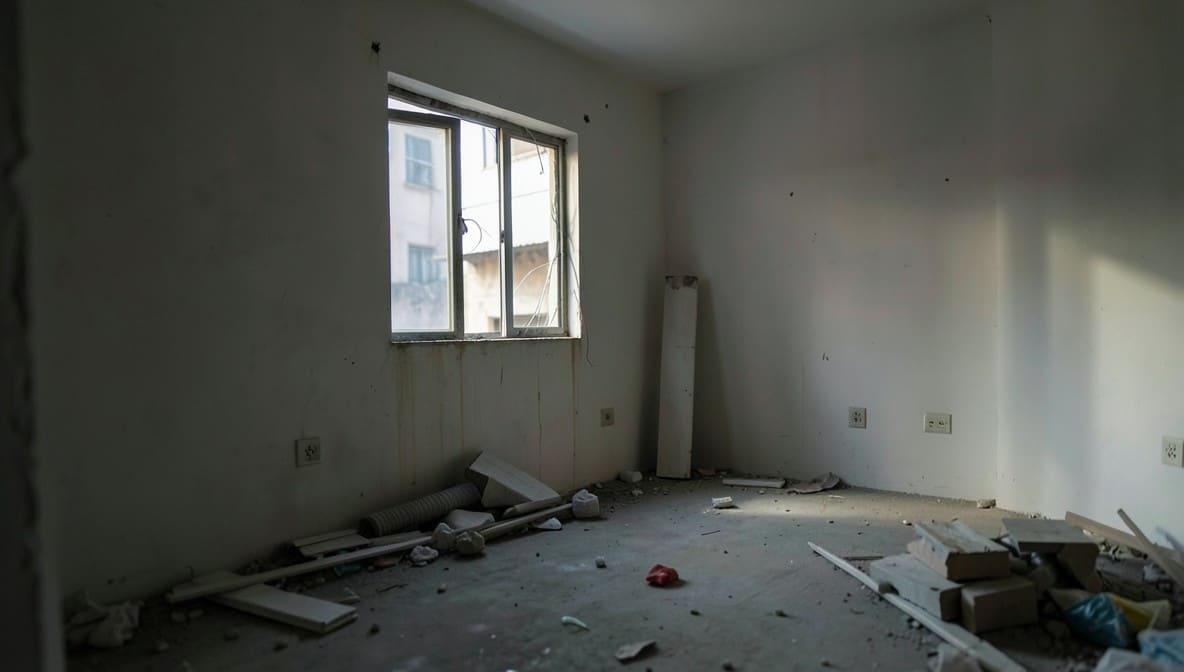
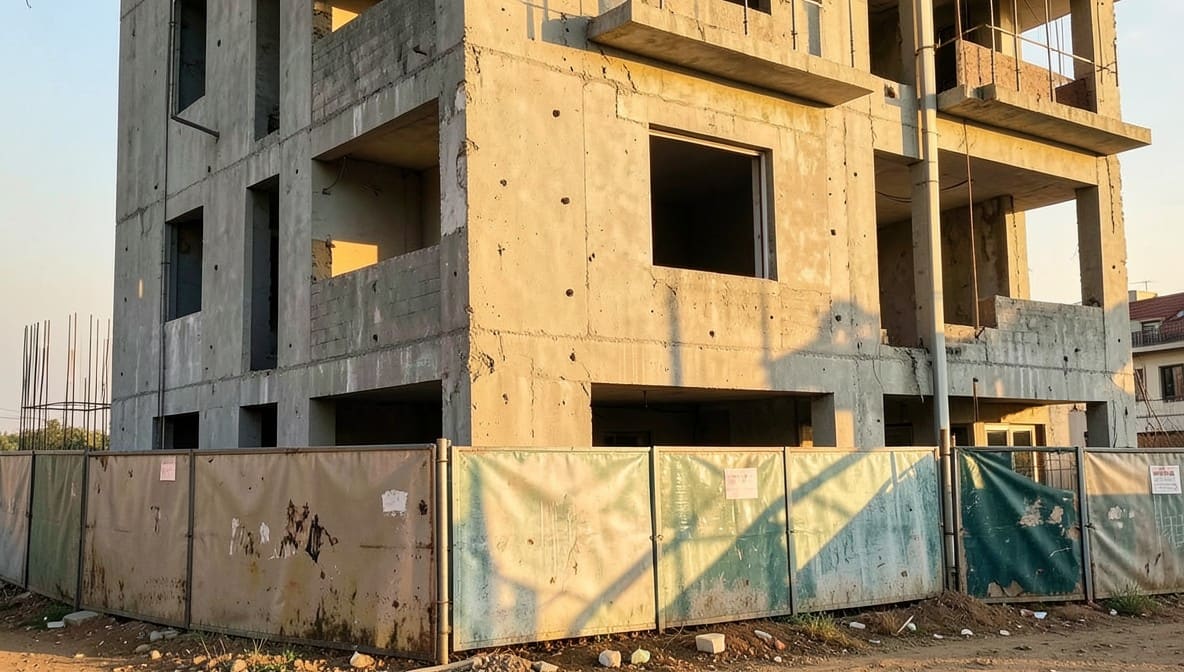
- Despite full payment, the opposite parties failed to deliver possession by the stipulated date.
- On 19.08.2013, the opposite parties issued a written communication (Clause e and g) explicitly undertaking to pay interest at 18% per annum on the consideration amount if possession was not delivered within the agreed period.
- The complainant sent a request letter dated 03.12.2018 seeking possession and execution of the conveyance deed.
- A legal notice dated 16.02.2019 was issued through counsel, demanding possession and registration of the conveyance deed.
- No response was received from the opposite parties.
- The complainant filed the consumer complaint on 20.02.2019.
- The opposite parties did not file a written statement within the statutory period despite multiple opportunities.
- The right to file a written statement was closed by order dated 04.03.2020.
- Affidavits of evidence were filed by both parties.
Procedural History
- 30.04.2013: Agreement for Sale executed.
- 19.08.2013: Opposite parties’ written undertaking to pay 18% interest for delay.
- 30.09.2014: Contractual deadline for possession expired.
- 03.12.2018: Complainant’s request for possession.
- 16.02.2019: Legal notice issued.
- 20.02.2019: Consumer complaint filed before NCDRC (No. NC/CC/492/2019).
- 04.03.2020: Opposite parties’ right to file written statement closed.
- 20.03.2026: Judgment delivered by NCDRC.
The Parties' Positions
Complainant: Argued that the opposite parties breached the contractual obligation to deliver possession, committed deficiency in service, and engaged in unfair trade practice by retaining the entire consideration amount without delivering the property. Relied on the 18% interest clause as a binding contractual term.
Opposite Parties: Contended that the complaint was barred by limitation, claimed the complainant was an investor not a consumer, asserted that construction was completed in 2017, and offered an alternative villa subject to additional charges. Argued that 18% interest was excessive and unsupported.
Relief Sought
The complainant sought:
- Delivery of possession of the villa and execution of the conveyance deed.
- Alternatively, refund of Rs. 1,40,00,000/- with interest at 18% per annum from the date of each payment.
- Litigation costs.
The Legal Issue
The central questions were: (1) Whether the complaint is barred by limitation when possession has not been delivered; (2) Whether the complainant qualifies as a 'consumer' under the Consumer Protection Act; (3) Whether the failure to deliver possession constitutes deficiency in service; and (4) Whether the complainant is entitled to refund with interest at the rate of 18% per annum as contractually undertaken.
Arguments Presented
For the Complainant
The complainant’s counsel argued that non-delivery of possession is a continuing cause of action, as held in Kolkata West International City Pvt. Ltd. v. Devasis Rudra. The complainant paid the full consideration amount and was entitled to possession within the contractual timeline. The opposite parties’ written undertaking dated 19.08.2013 to pay 18% interest in case of delay was a binding contractual term. The failure to file a written statement rendered the complainant’s allegations unrebutted. The complainant was a homebuyer, not an investor, and the burden to prove speculative intent lay with the developer, which was not discharged.
For the Respondent
The opposite parties’ counsel argued that the complaint was filed five years after the contractual deadline, making it time-barred. They contended the complainant was an investor seeking speculative gain, not a consumer under the Act. They claimed construction was completed in 2017 and offered an alternative unit. They challenged the 18% interest rate as excessive and unsupported by evidence, asserting it was not enforceable.
The Court's Analysis
The Commission rejected the limitation defense, relying on the Supreme Court’s holding in Kolkata West International City Pvt. Ltd. v. Devasis Rudra that delay in delivery of possession constitutes a continuing cause of action. Since possession was never delivered, the cause of action remained alive.
The Commission dismissed the claim that the complainant was an investor, citing Kavita Ahuja v. Shipra Estate Ltd., which places the burden on developers to prove speculative intent. No evidence was adduced to support this allegation.
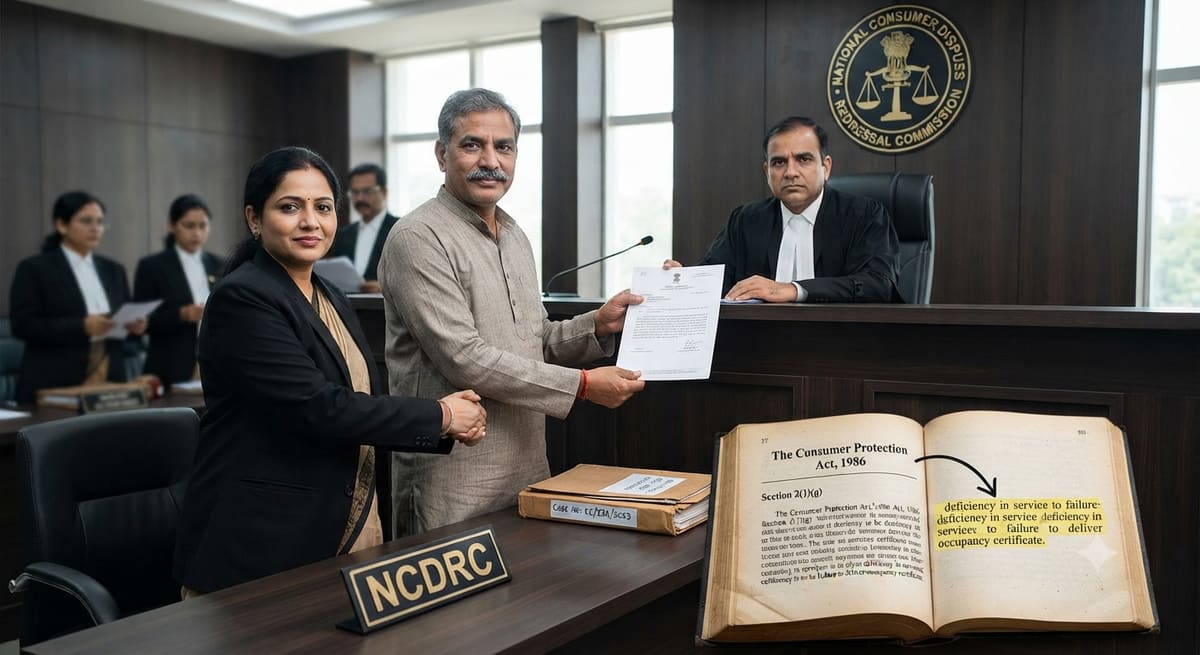
The Commission held that the opposite parties’ failure to deliver possession despite full payment constituted a clear deficiency in service under Section 2(1)(g) of the Consumer Protection Act, 1986. The Supreme Court’s rulings in Pioneer Urban Land & Infrastructure Ltd. v. Govindan Raghavan, Fortune Infrastructure v. Trevor D’Lima, and DLF Homes Panchkula Pvt. Ltd. v. D.S. Dhanda were cited to affirm that homebuyers cannot be compelled to wait indefinitely.
"Once such a contractual commitment has been made by the Developer, the same becomes binding and enforceable."
The Commission emphasized that the opposite parties’ own written communication dated 19.08.2013 explicitly promised 18% interest for delay. This was not a unilateral assertion but a contractual undertaking. The Commission held that such terms are enforceable and cannot be disregarded merely because the developer later finds them burdensome.
The failure to file a written statement within the statutory period rendered the complainant’s averments as admitted. The Commission concluded that the opposite parties’ conduct was not merely a breach of contract but a systemic failure warranting consumer protection remedies.
The Verdict
The complainant succeeded. The NCDRC ordered:
- Refund of the entire amount of Rs. 1,40,00,000/- paid by the complainant.
- Interest at 18% per annum on the amount paid, calculated from the respective dates of each payment until realization.
- Compliance with the above directions within eight weeks from the date of receipt of the order.
- In case of non-compliance within eight weeks, the interest rate shall be enhanced to 21% per annum on the outstanding amount until final realization.
- Payment of Rs. 50,000/- as litigation costs to the complainant.
What This Means For Similar Cases
Contractual Interest Clauses Are Enforceable
- Developers cannot disown interest clauses they themselves inserted into agreements.
- Courts will enforce contractual interest rates even if they exceed market norms, provided they are clear and voluntary.
- Practitioners must treat such clauses as binding obligations, not negotiable terms.
Burden of Proving 'Investor' Status Lies with Developers
- Allegations that a homebuyer is an investor must be substantiated with evidence.
- Mere purchase of a high-value property does not negate consumer status.
- Absent proof of speculative intent, the buyer is presumed to be a consumer under the Act.
Continuing Cause of Action for Non-Delivery of Possession
- Delay in possession is not a one-time breach but a continuing wrong.
- Complaints filed years after the contractual deadline remain maintainable.
- Legal notices sent during the period of delay reset or extend the limitation period.
Non-Filing of Written Statement Is Fatal
- Developers who fail to file written statements within the statutory period forfeit their right to contest allegations.
- This creates a de facto admission of the complainant’s claims.
- Practitioners must advise clients to file written statements promptly to avoid default judgments.
Remedies Are Clear and Quantified
- Refund with interest is the default remedy for prolonged non-delivery.
- Enhanced interest for non-compliance (21%) acts as a deterrent.
- Litigation costs are routinely awarded to compensate complainants for legal expenses.