The Madhya Pradesh High Court has clarified that in cases involving long-serving workmen, monetary compensation may be awarded in lieu of reinstatement when both parties consent and the tenure justifies such relief. This decision refines the application of Section 17-B of the Industrial Disputes Act, 1947, offering a pragmatic alternative to reinstatement in appropriate circumstances.
Background & Facts
The Dispute
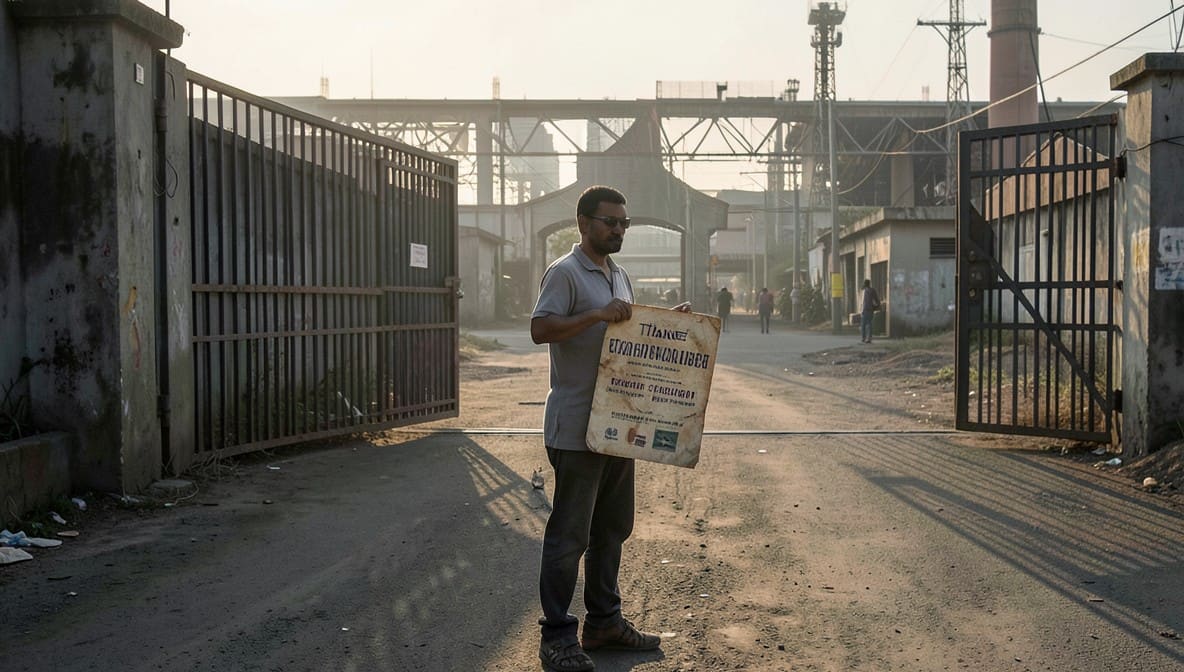
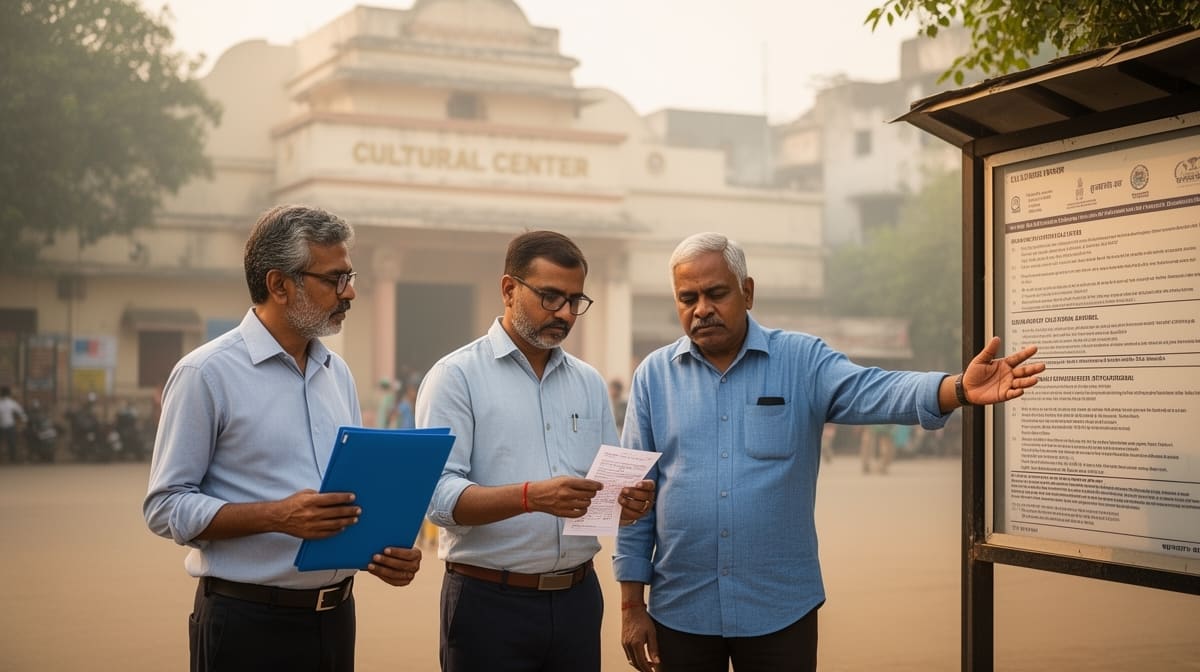
The petitioner, South Central Zone Cultural Center, is a public sector cultural institution. The respondents - Suresh, Smt. Prabhabai, and Mohd. Karim Khan - are former workmen whose services were terminated. The Labour Court, Sagar, passed an award on 20.02.2007 directing their reinstatement with back wages. The petitioner challenged this award before the High Court, contending that reinstatement was neither practical nor equitable given the length of time elapsed and the nature of the employment relationship.
Key Facts
- The respondents were employed by the petitioner in various capacities over extended periods: Suresh for 12 years, Smt. Prabhabai for 15 years, and Mohd. Karim Khan for 14 years.
- Their services were terminated without following due process under the Industrial Disputes Act, 1947.
- The Labour Court found the termination illegal and ordered reinstatement with full back wages.
- The petitioner had paid wages to the respondents under Section 17-B of the Act from the date of termination until the date of the Labour Court award.
- No fresh vacancies existed at the time of the award, and the respondents had secured alternative employment.
- The respondents, through their counsel, expressed willingness to accept compensation in lieu of reinstatement, subject to reasonable terms.
Procedural History
- Date of termination: Not explicitly stated, but inferred to be prior to 20.02.2007
- 20.02.2007: Labour Court, Sagar, passed award directing reinstatement
- 2007: Writ petitions filed before the High Court of Madhya Pradesh at Jabalpur (WP No. 5148, 5149, and 5151 of 2007)
- 16.03.2026: Hearing before Justice Maninder S. Bhatti
Relief Sought
The petitioner sought modification of the Labour Court’s award to replace reinstatement with monetary compensation. The respondents, through their counsel, indicated willingness to accept compensation in lieu of reinstatement.
The Legal Issue
The central question was whether the High Court, under its writ jurisdiction, may modify a Labour Court award under Section 17-B of the Industrial Disputes Act, 1947, to award compensation in lieu of reinstatement when the workmen have long tenure and both parties consent to such relief.
Arguments Presented
For the Petitioner
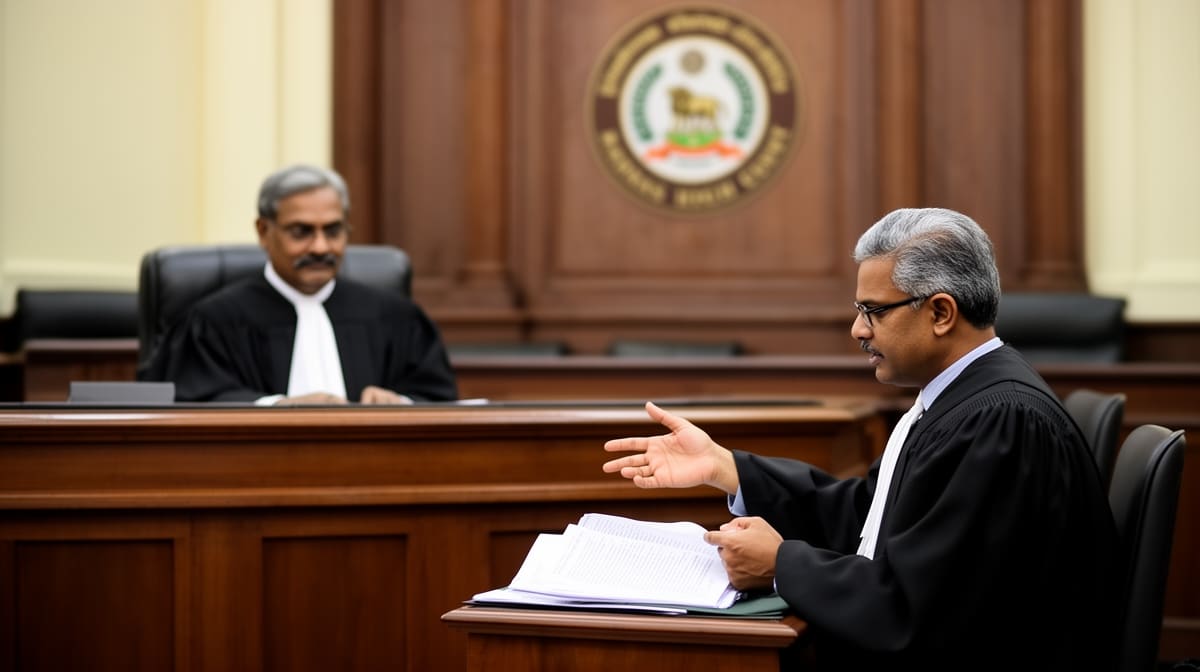
The petitioner’s counsel argued that reinstatement was impractical due to the passage of time, absence of vacancies, and the respondents’ subsequent employment. He emphasized that the petitioner had already discharged its obligation under Section 17-B by paying wages from the date of termination to the date of the award. He contended that the Labour Court’s order was rigid and failed to account for equitable considerations under Section 17-B, which permits compensation in appropriate cases.
For the Respondent
The respondents’ counsel acknowledged the legality of the Labour Court’s finding of illegal termination but stated that the respondents, having moved on with their lives and secured other employment, were amenable to monetary compensation in lieu of reinstatement. He submitted that the respondents’ consent to this alternative relief should be recognized by the Court as a pragmatic resolution.
The Court's Analysis
The Court examined the object of Section 17-B, which mandates payment of wages during pendency of proceedings to ensure livelihood security to workmen. It noted that while reinstatement is the primary remedy under the Industrial Disputes Act, the High Court retains inherent power under Article 226 to modify awards where justice so requires.
"The object of Section 17-B is to protect the livelihood of workmen during the pendency of proceedings, but it does not preclude the Court from fashioning a just and equitable remedy in light of changed circumstances."
The Court observed that the respondents had served for over a decade, and their termination was found unlawful. However, reinstatement after nearly two decades of litigation would serve no useful purpose. The Court emphasized that the respondents’ willingness to accept compensation was not a waiver of rights but a pragmatic acceptance of a fair alternative.
The Court further held that the payment under Section 17-B was interim relief and did not extinguish the respondents’ right to full compensation for wrongful termination. The award of additional compensation would not violate the statutory scheme but rather complete the remedy.
The Verdict
The writ petitions were allowed in part. The Labour Court’s award directing reinstatement was modified to award each respondent compensation of Rs. 2,00,000 in lieu of reinstatement. This amount is in addition to the wages already paid under Section 17-B. The petitioner was directed to pay the compensation within 60 days from the date of the order. The writ petitions stand disposed of accordingly.
What This Means For Similar Cases
Compensation Can Replace Reinstatement When Practical
- Practitioners may now argue for compensation in lieu of reinstatement where tenure is substantial, vacancies are unavailable, and workmen consent
- The Court’s recognition of mutual consent as a valid factor expands the scope of equitable relief under Section 17-B
- This approach avoids prolonged litigation and promotes finality in industrial disputes
Section 17-B Payments Are Not Exhaustive
- Wages paid under Section 17-B are interim and do not absolve the employer of liability for wrongful termination
- Additional compensation may be awarded to fully compensate for loss of employment, even if statutory wages have been paid
- Employers must now assess the risk of cumulative liability beyond Section 17-B when contesting reinstatement
High Court Has Discretion to Modify Labour Court Awards
- The High Court’s writ jurisdiction under Article 226 permits modification of Labour Court awards where justice demands it
- This does not amount to appellate review but exercise of supervisory jurisdiction to prevent manifest injustice
- Legal teams should consider seeking modification at the High Court stage rather than pursuing futile reinstatement claims