The Jharkhand High Court has set aside a ₹12.54 crore electricity theft assessment against a steel manufacturer, holding that no statutory assessment under Section 126 of the Electricity Act, 2003 can be made without a mandatory inspection report. The judgment also invalidates the imposition of fuel surcharge and demand charges where these components have been expressly deleted from the regulated tariff.
Background & Facts
The Dispute
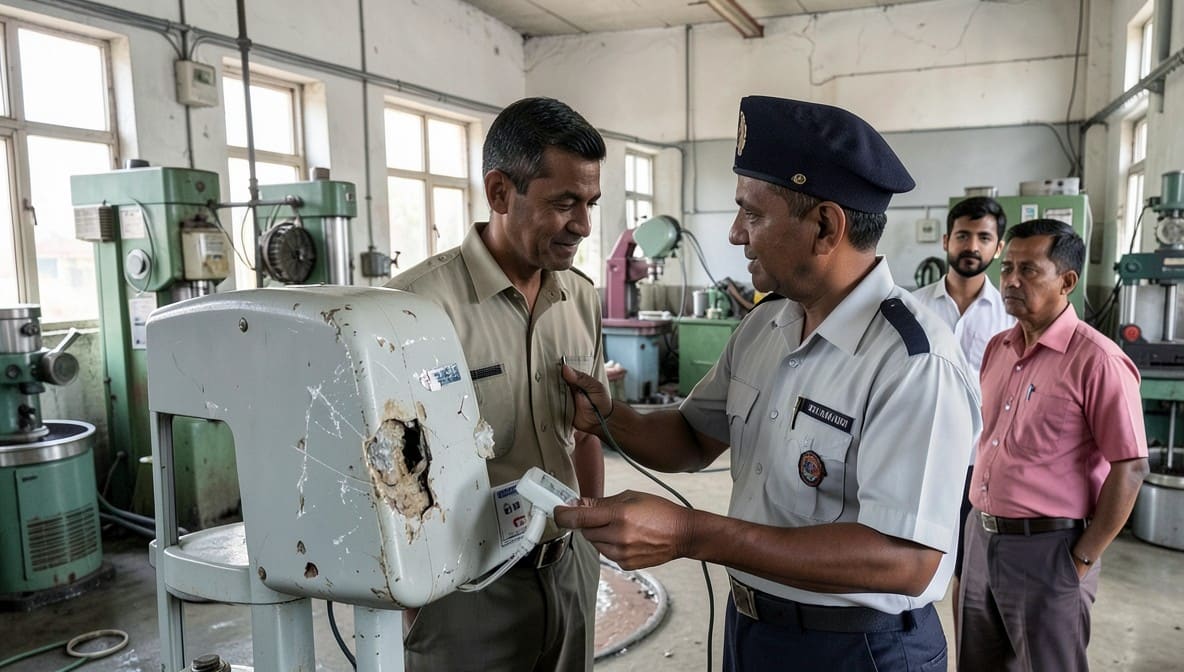
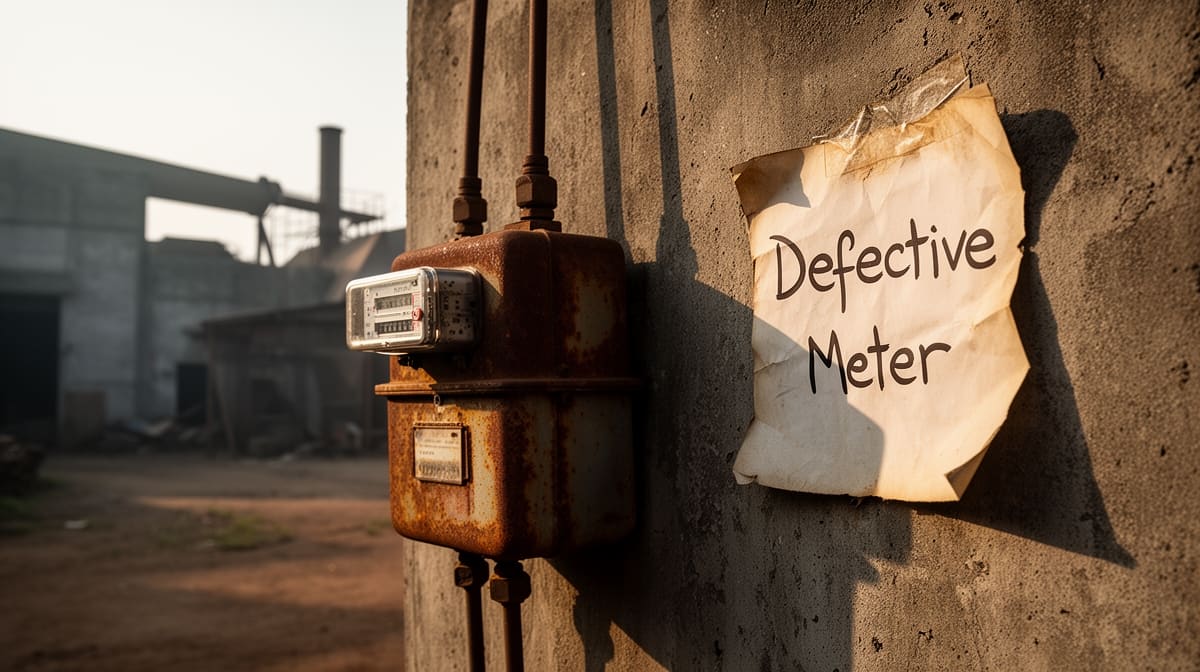
Jharkhand Ispat Private Limited, a steel manufacturing unit with a contract demand of 8000 KVA, received its electrical supply from the Damodar Valley Corporation (DVC). On 16.10.2007, DVC replaced the company’s defective energy meter. On 01.01.2008, the company’s power supply was abruptly disconnected. The company learned on 02.01.2008 that an FIR had been registered against its director, Ram Chandra Rungta, alleging theft of electricity through a removable shorting wire bypassing the current transformer’s secondary circuit.
Key Facts
- The petitioner’s electricity connection was established prior to 2007.
- The energy meter was replaced on 16.10.2007 due to defect.
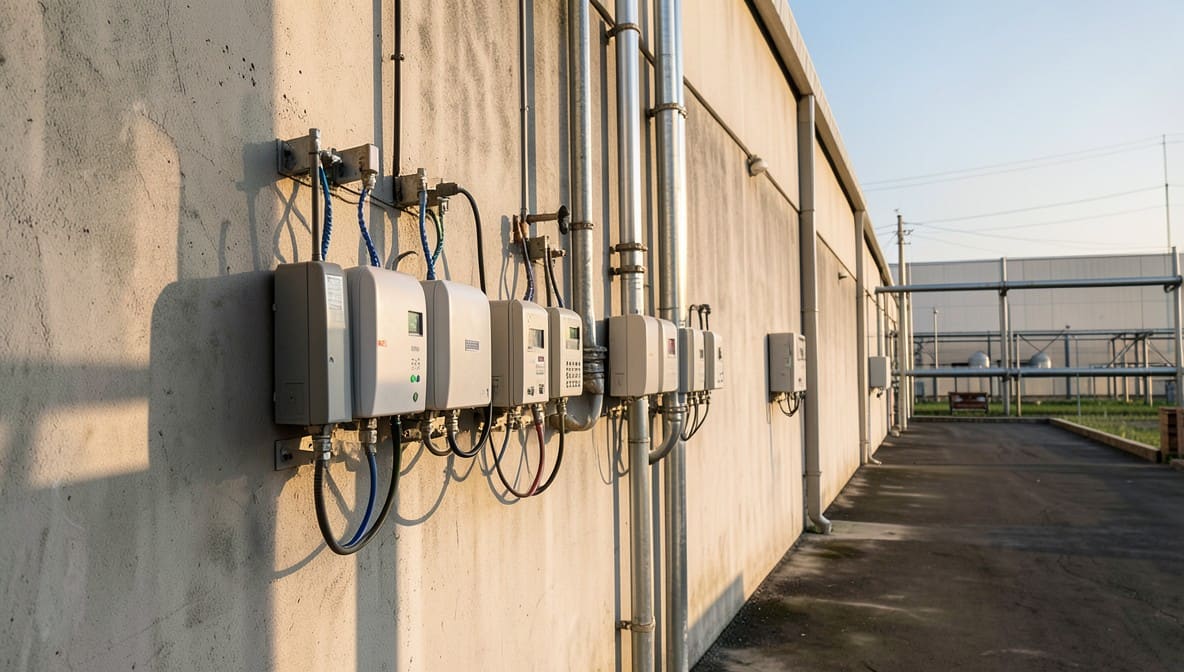
- On 01.01.2008, DVC’s inspection team allegedly detected a removable shorting wire at the outdoor CT junction box during routine meter reading.
- An FIR was lodged on 01.01.2008 under Section 135 of the Electricity Act and Section 379 IPC against Ram Chandra Rungta.
- After Rungta’s death, the criminal case was dropped; no criminal proceedings were initiated against the company.
- On 24.01.2008, DVC issued a provisional assessment of ₹17.80 crores based on discrepancy between substation check meter readings and the company’s meter.
- The provisional assessment was divided into: (a) Unit Charges and (b) Demand Charges.
- The company filed W.P.(C) No. 95 of 2008 seeking restoration of supply and challenging the assessment.
- On 28.01.2008, the High Court directed DVC to restore supply upon deposit of ₹1.50 crores, subject to adjustment.
- On 07.04.2022, the High Court held that the provisional assessment was legally flawed, particularly in its inclusion of fuel surcharge and demand charges, and directed DVC to recalculate under Section 126(6) using only energy charges.
- On 20.05.2022, DVC issued a revised provisional assessment of ₹9.18 crores under three heads: Energy Charges (₹5,00,40,107), Demand Charges (₹1,60,28,920), and Fuel Surcharge (₹2,57,97,004).
- On 16.07.2022, DVC issued a final assessment order enhancing the demand to ₹12.54 crores: Energy Charges (₹7,79,88,050), Demand Charges (₹71,48,890), and Fuel Surcharge (₹4,02,79,750).
- No inspection report was prepared or produced by DVC at any stage.
- The Jharkhand State Electricity Regulatory Commission (JSERC) had, by order dated 23.07.2024, deleted fuel surcharge from the tariff schedule effective 01.04.2007.
- The JSERC Electricity Supply Code Regulation, 2015, mandates preparation of an inspection report under Clause 11.5 and 11.6.
Procedural History
- 16.10.2007: Energy meter replaced at petitioner’s premises.
- 01.01.2008: Power supply disconnected; FIR registered against director.
- 24.01.2008: Provisional assessment of ₹17.80 crores issued.
- 12.06.2008: W.P.(C) No. 95 of 2008 filed before Jharkhand High Court.
- 28.01.2008: High Court ordered restoration of supply upon deposit of ₹1.50 crores.
- 07.04.2022: High Court disposed of W.P.(C) No. 95 of 2008, holding assessment method flawed; directed recalculation under Section 126(6) excluding fuel surcharge and demand charges.
- 20.05.2022: DVC issued provisional assessment of ₹9.18 crores under three heads.
- 30.05.2022: Petitioner filed objections.
- 16.07.2022: DVC issued final assessment of ₹12.54 crores.
- 26.03.2022: W.P.(C) No. 3578 of 2022 filed challenging final assessment.
- 10.02.2026: Petitioner filed supplementary affidavit citing JSERC tariff order deleting fuel surcharge.
- 04.05.2026: Judgment pronounced.
The Parties' Positions
For the Petitioner
- The assessment under Section 126 is invalid due to absence of mandatory inspection report under Clause 11.5 and 11.6 of the JSERC Supply Code Regulation, 2015.
- Demand Charges and Fuel Surcharge are not permissible under Section 126(6) as they are not part of the tariff rate applicable for energy consumption.
- Fuel Surcharge was deleted from DVC’s tariff by JSERC effective 01.04.2007; its imposition is ultra vires.
- The period of assessment cannot exceed the period between meter replacement (16.10.2007) and detection (01.01.2008), as held by the High Court in 2022.
- The FIR cannot substitute the inspection report; the latter is a foundational statutory requirement.
- Reliance on Executive Engineer, SESCO Ltd. v. Sri Seetaram Rice Mill (2012) 2 SCC 108 and West Bengal State Electricity Distribution Co. Ltd. v. Orion Metal Pvt. Ltd. (2020) 18 SCC 588.
For the Respondent (DVC)
- The writ petition is not maintainable as an alternative remedy exists under Section 127 of the Electricity Act.
- No inspection report is mandatory under the Act; the FIR and detection during meter reading suffice.
- The assessment was made in compliance with the High Court’s 07.04.2022 order.
- Tariff includes Energy Charges, Demand Charges, and Fuel Surcharge; all are recoverable under Section 126(6).
- The meter replacement on 16.10.2007 related only to the indoor meter; the tampering occurred at the outdoor CT junction, so the period of theft cannot be limited to post-replacement.
- Reliance on West Bengal State Regulatory Commissioner v. CESC Ltd. (2002) 8 SCC 715 and Godrej Sara Lee Ltd. v. Excise & Taxation Officer (2023) SCCOnline SC 95.
Relief Sought
The petitioner seeks quashing of the final assessment order dated 16.07.2022, deletion of Demand Charges and Fuel Surcharge, limitation of assessment period to 16.10.2007 - 01.01.2008, and direction to recalculate the assessment strictly in accordance with Section 126(6) and the JSERC Supply Code Regulation, 2015.
The Legal Issue
The central question was whether Section 126 of the Electricity Act, 2003 permits an assessment of electricity theft without a mandatory inspection report under the JSERC Supply Code Regulation, 2015, and whether Demand Charges and Fuel Surcharge can be included in such assessment when these components have been expressly deleted from the statutory tariff.
Arguments Presented
For the Petitioner
The petitioner argued that the assessment under Section 126 is quasi-judicial and must be grounded in objective, statutory evidence. Clause 11.5 and 11.6 of the JSERC Supply Code Regulation, 2015, which has the force of law under Section 50 and 181(2)(x) of the Electricity Act, mandates that an inspection report must be prepared, detailing irregularities, evidence seized, and conclusions. The absence of such a report renders the assessment void ab initio. The petitioner further contended that Section 126(6) permits assessment only at twice the applicable tariff rate, which under JSERC’s 2007 tariff includes only Energy Charges. Demand Charges are capital recovery components unrelated to energy theft, and Fuel Surcharge was deleted from the tariff effective 01.04.2007, making its inclusion unlawful. Reliance was placed on Executive Engineer, SESCO Ltd. v. Sri Seetaram Rice Mill and West Bengal State Electricity Distribution Co. Ltd. v. Orion Metal Pvt. Ltd. to establish that Section 126 and Section 135 are distinct, and that Section 126 cannot rest on an FIR alone.
For the Respondent
DVC contended that the writ petition is not maintainable due to the availability of an alternative remedy under Section 127. It argued that inspection reports are required only during joint meter testing, not during routine detection of theft. The FIR, which detailed the detection of a removable shorting wire, was sufficient to trigger assessment. DVC further asserted that the tariff components - Energy, Demand, and Fuel Surcharge - are all recoverable under Section 126(6), which refers to the “tariff rates applicable,” and that the High Court’s 2022 order did not prohibit Demand Charges. It relied on Godrej Sara Lee Ltd. to argue that mere availability of an alternative remedy does not oust writ jurisdiction, but the petitioner’s failure to appeal under Section 127 rendered the petition inequitable.
The Court's Analysis
The Court undertook a rigorous analysis of the statutory framework under the Electricity Act, 2003, and the binding nature of the JSERC Supply Code Regulation, 2015. It emphasized that Section 126 is a statutory mechanism for revenue recovery and operates independently of Section 135, which deals with criminal offences. The Court held that while Section 135 may be invoked upon detection of theft, Section 126 requires a foundational assessment process grounded in objective evidence.
"The inspection report is the foundational material on which assessment under Section 126 must rest and in its absence the assessing authority could not have arrived into any conclusion against the Petitioner."
The Court rejected DVC’s argument that the FIR could substitute the inspection report. It noted that the FIR was filed against an individual director, not the company, and was later dropped. More critically, the Court held that Section 126 proceedings are not triggered by criminal complaints but by the statutory procedure outlined in the Supply Code Regulation. Clause 11.5 requires the authorised officer to record the condition of meter seals, working of the meter, and any artificial means of theft. Clause 11.6 mandates that the report must clearly indicate whether sufficient evidence of theft was found. The absence of this document meant no inspection had been lawfully conducted.
The Court further held that the imposition of Demand Charges was impermissible. The Supply Code Regulation, 2015, and Annexure 19, which governs the assessment formula, refer only to Energy Charges. Demand Charges are fixed charges for contractual capacity, not linked to energy theft. The Court cited Stan Commodities Pvt. Ltd. v. JSEB to reinforce that where a meter is accessible to the public and not under exclusive control, presumption of theft cannot arise without direct evidence.
Regarding Fuel Surcharge, the Court held that JSERC’s tariff determination dated 23.07.2024, effective 01.04.2007, explicitly deleted this component. Section 126(6) permits assessment only at twice the tariff rate applicable. Since Fuel Surcharge was no longer part of the tariff, its inclusion was ultra vires and amounted to unjust enrichment.
The Court also rejected DVC’s argument that the period of assessment could extend to 12 months prior to detection. The High Court’s 07.04.2022 order had already held that the meter replacement on 16.10.2007 was not the inception of theft, but the Court found that DVC had no evidence to establish theft prior to that date. The only plausible period was from 16.10.2007 to 01.01.2008.
The Court concluded that the assessment order was passed without jurisdiction, in violation of mandatory statutory procedures, and constituted an excess of power. The failure to follow the Supply Code Regulation, combined with the illegal inclusion of non-tariff components, rendered the order void.
The Verdict
The writ petition was allowed. The final assessment order dated 16.07.2022 imposing a demand of ₹12,54,16,690 was quashed and set aside. The matter was remanded to the Superintending Engineer (E), DVC, with directions: (i) to issue a fresh provisional assessment notice limited to Energy Charges only, covering the period from 16.10.2007 to 01.01.2008; (ii) to exclude Demand Charges and Fuel Surcharge entirely; (iii) to allow the petitioner 2 weeks to file objections; (iv) to dispose of objections within 2 weeks of receipt; and (v) to adjust the ₹1.50 crore deposit made in 2008 against the final recalculated amount.
What This Means For Similar Cases
Inspection Reports Are Non-Negotiable
- Practitioners must insist on production of a signed inspection report under Clause 11.5 and 11.6 of the Supply Code Regulation before any Section 126 assessment is accepted.
- Absence of the report renders the assessment void ab initio, regardless of FIRs or alleged detection during meter reading.
- The report must detail the nature of tampering, evidence seized, and conclusions; mere assertions are insufficient.
Demand Charges and Fuel Surcharge Cannot Be Levied in Theft Assessments
- Demand Charges are capital recovery fees and have no nexus to energy theft; their inclusion under Section 126 is illegal.
- Fuel Surcharge, if deleted from the statutory tariff by the State Regulatory Commission, cannot be revived in assessment orders.
- Any assessment must strictly adhere to the tariff components notified by the Commission; deviations are ultra vires.
Period of Assessment Must Be Precisely Limited
- Where the exact period of theft cannot be ascertained, the default is 12 months prior to detection.
- However, if the record shows a specific event (e.g., meter replacement) that predates detection, the period must be confined to the interval between that event and detection, unless evidence proves otherwise.
- Courts will not permit speculative or expansive periods based on check meter discrepancies without direct proof of tampering.
Writ Jurisdiction Remains Available Despite Alternative Remedies
- Where proceedings involve violation of mandatory statutory procedures, excess of jurisdiction, or breach of natural justice, writ jurisdiction is maintainable even if an appeal exists under Section 127.
- Courts will not relegate litigants to lengthy appellate processes when the illegality is evident on record and the dispute has persisted for over a decade.
Procedural Compliance Is Mandatory, Not Directory
- The use of "shall" in Clause 11.5 and 11.6 indicates mandatory compliance.
- Non-compliance with delegated legislation under Section 50 of the Electricity Act vitiates the entire proceeding.
- Licensees acting as state instrumentalities under Article 12 are held to the highest standard of procedural integrity.