The Gauhati High Court has clarified that the power to order the provisional release of goods seized under the Customs Act, 1962 rests exclusively with the Adjudicating Authority, and criminal courts have no jurisdiction to interfere under the BNSS, 2023. This judgment reinforces the primacy of special statutes over general criminal procedure in matters of customs enforcement.
Background & Facts
The Dispute
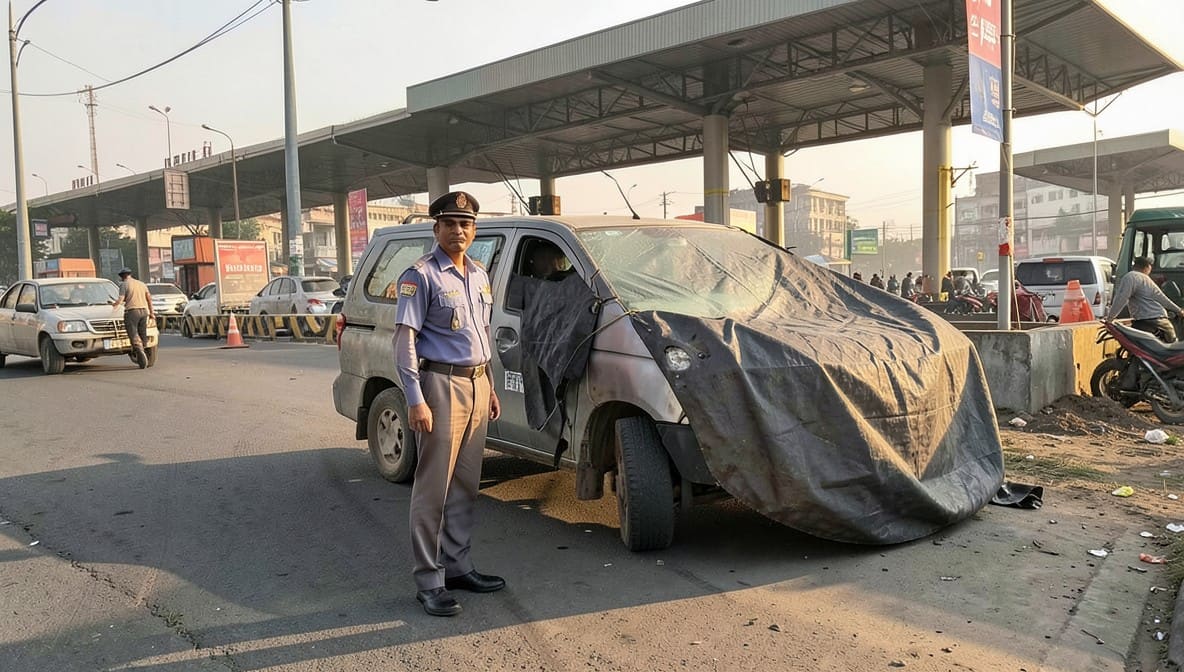
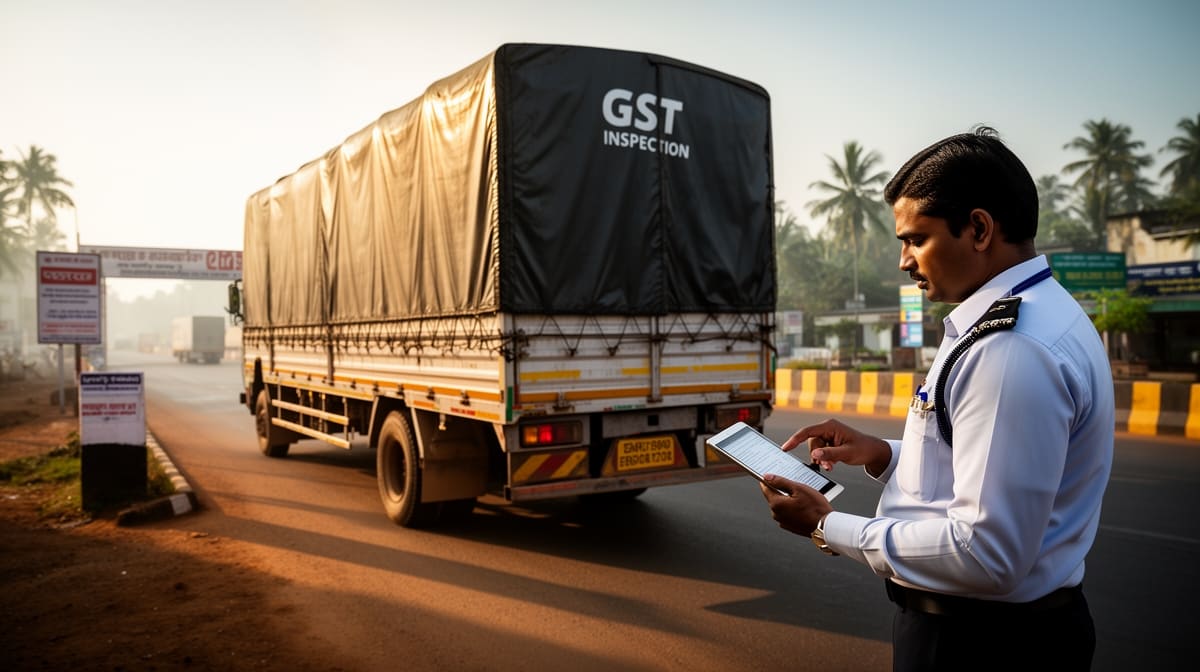
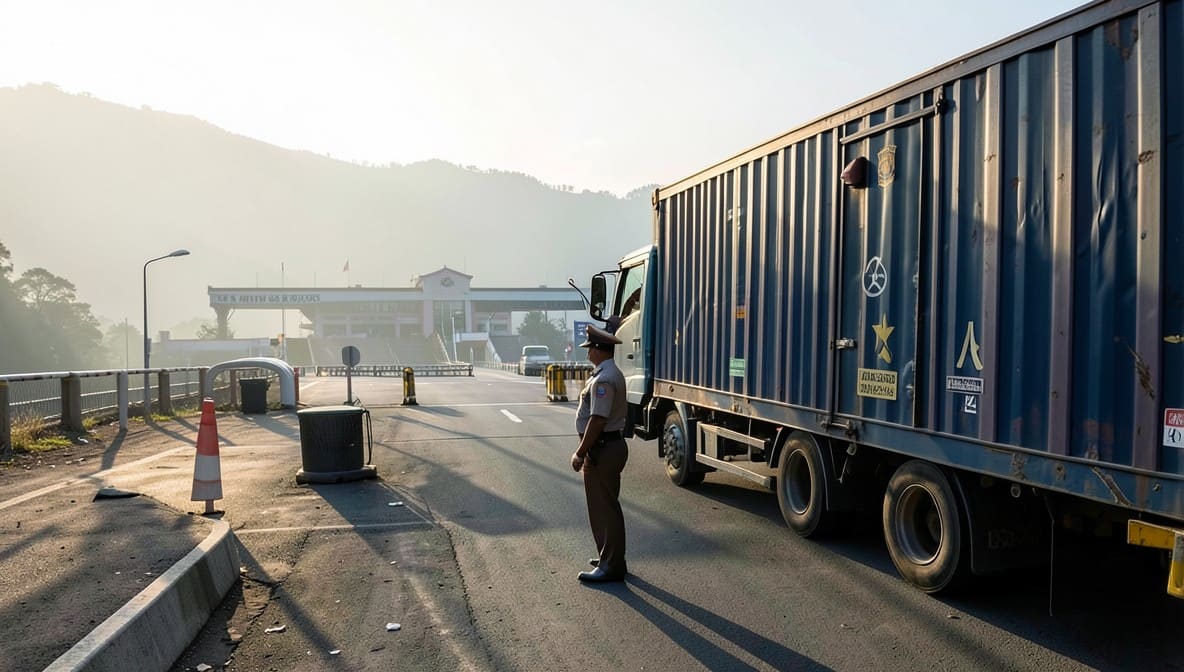
The dispute arose from the seizure of a truck carrying smuggled foreign-origin cigarettes by the Directorate of Revenue Intelligence (DRI) on 18.02.2025. The truck, bearing registration number AS-26-C-9100, was found transporting approximately 19,85,000 sticks of cigarettes without payment of customs duties. The vehicle was seized in the presence of two independent witnesses, along with a white Tata Safari car, mobile phones, and related documents. The three individuals involved in the transportation were arrested and remanded to judicial custody on 19.02.2025.
Key Facts
- The truck was registered in the name of the respondent, Sayad Ali Laskar
- The DRI initiated DRI Case No. 26/CL/IMP/CIG/DRI/GZU/2024-25 on 18.02.2025
- A detailed seizure list was prepared and inventory maintained as per Customs Act procedures
- No notice under Section 124(a) of the Customs Act was issued within six months of seizure
- The respondent filed Misc. Case No. 133 of 2025 before the Additional Sessions Judge (Fast Track), Kamrup (Metro), seeking release of the truck under Section 497 of the BNSS, 2023
- The DRI opposed the application, asserting exclusive jurisdiction under Section 110A of the Customs Act, 1962
- The Additional Sessions Judge passed an order on 24.06.2025 directing release of the truck
Procedural History
- 18.02.2025: Seizure of truck and goods by DRI
- 19.02.2025: Arrest of three individuals; remand to judicial custody by Chief Judicial Magistrate, Kamrup (Metro)
- 24.06.2025: Additional Sessions Judge (Fast Track), Court No. 3, Kamrup (Metro), ordered release of truck in Misc. Case No. 133/2025
- 28.06.2025: DRI filed Criminal Petition No. 1086/2025 before the Gauhati High Court under Section 528 BNSS, read with Sections 442 and 438 BNSS, challenging the release order
- 25.03.2026: Judgment reserved
- 08.05.2026: Judgment pronounced
The Parties' Positions
For the DRI (Petitioner): Argued that Section 110A of the Customs Act, 1962 vests exclusive power to grant provisional release of seized goods to the Adjudicating Authority. The BNSS, being a general law, cannot override a special statute. Relied on Meghalaya HC in DRI v. Ajay Babu Manda and Union of India v. Chungnunga to establish that criminal courts lack jurisdiction.
For the Respondent (Sayad Ali Laskar): Contended that criminal courts retain inherent power under BNSS to order custody of seized property, especially where investigation has extended beyond six months. Argued that the Customs Act does not bar criminal courts from exercising jurisdiction under Section 497 BNSS. Relied on Sundarbhai Ambalal Desai v. State of Gujarat to support the view that CrPC provisions apply.
Relief Sought
The DRI sought quashing of the order dated 24.06.2025 directing release of the truck. The respondent sought confirmation of the release order and continued custody of the vehicle.
The Legal Issue
The central question was whether a criminal court under the BNSS, 2023, has jurisdiction to order the release of a vehicle seized under the Customs Act, 1962, when Section 110A of the Customs Act provides an exclusive mechanism for provisional release by the Adjudicating Authority.
Arguments Presented
For the Appellant/Petitioner
The DRI argued that Section 110A of the Customs Act, 1962 creates a self-contained, exhaustive scheme for the provisional release of seized goods, requiring a bond and security determined by the Adjudicating Authority. The provisions of Sections 100 to 110A form a complete code for seizure, custody, and disposal of smuggled goods. The DRI relied on the principle of generalia specialibus non derogant - general laws yield to special laws. It cited the Meghalaya High Court’s decision in DRI v. Ajay Babu Manda (17.02.2022), which held that Section 451 CrPC cannot override Section 110A. The DRI also referenced this Court’s own 2003 decision in Union of India v. Chungnunga, affirming that Section 5 of the CrPC preserves the supremacy of special laws. The Sundarbhai case was distinguished as dealing with general property custody under CrPC, not customs seizures.
For the Respondent/State
The respondent argued that criminal courts have inherent powers under BNSS to ensure custody of seized property pending trial, especially where the investigating agency has not moved for adjudication within six months. He contended that Section 110A does not expressly bar criminal courts from acting under Section 497 BNSS. He emphasized that the DRI had not pleaded any need for retention of the vehicle and had merely challenged jurisdiction. He relied on Sundarbhai Ambalal Desai to assert that the CrPC (now BNSS) governs custody of property in criminal proceedings unless expressly excluded.
The Court's Analysis
The Court undertook a detailed statutory interpretation of the Customs Act, 1962, and the BNSS, 2023. It emphasized that Section 110A explicitly vests the power to provisionally release seized goods in the Adjudicating Authority, subject to bond and security conditions. The Court noted that the Customs Act contains a comprehensive framework for seizure (Section 110), inventory (Section 110B), time-bound return (Section 110(2)), and appellate remedies under Sections 128 - 130.
"The Customs Act, 1962, is a special legislation with a self-contained mechanism for dealing with seized goods, and the provisions of the BNSS, 2023, being general in nature, cannot override it."
The Court rejected the respondent’s reliance on Sundarbhai Ambalal Desai, observing that the Supreme Court in that case was addressing custody of valuable articles under CrPC in the absence of any special law, not in conflict with a statute like the Customs Act. The Court affirmed the principle under Section 5 of the CrPC: "Nothing contained in this Code shall, in the absence of a specific provision to the contrary, affect any special or local law for the time being in force."
The Court further held that the respondent had not alleged any violation of the Customs Act’s procedures or any denial of due process under Section 110A. The mere passage of time, without a formal application under Section 110A, does not confer jurisdiction on a criminal court. The Additional Sessions Judge’s reliance on general criminal procedure was therefore legally unsustainable.
The Verdict
The petition is allowed. The impugned order dated 24.06.2025 passed by the Additional Sessions Judge (Fast Track), Court No. 3, Kamrup (Metro), in Misc. Case No. 133/2025, is set aside. The respondent is at liberty to approach the competent Adjudicating Authority under Section 110A of the Customs Act, 1962, for provisional release of the seized truck. The Adjudicating Authority shall decide the application on its merits, without being influenced by this order. The DRI shall not prejudice the respondent’s application by asserting undue delay or procedural default.
What This Means For Similar Cases
Exclusive Jurisdiction Under Special Statutes Is Non-Negotiable
- Practitioners must first exhaust remedies under special statutes like the Customs Act, GST Act, or Narcotics Act before approaching criminal courts for release of seized property
- Applications under BNSS Sections 451 or 497 cannot be used to circumvent statutory mechanisms under special laws
- Courts must conduct a preliminary inquiry into whether a special statute governs the seized property before entertaining custody applications
Time Elapsed Does Not Confer Jurisdiction
- The mere passage of time - even beyond six months - does not empower criminal courts to assume jurisdiction over seized goods under a special statute
- The six-month return period under Section 110(2) of the Customs Act is a statutory safeguard, not a jurisdictional trigger for criminal courts
- Parties must file formal applications under Section 110A; silence or inaction by the DRI does not create a right to approach criminal courts
Procedural Compliance Trumps Convenience
- Courts must resist the temptation to grant relief based on convenience or perceived delay by enforcement agencies
- The legislative intent behind special statutes is to centralize adjudication and prevent forum shopping
- Legal practitioners should advise clients to file applications under the correct statutory authority, not rely on criminal court remedies as a fallback