The Bombay High Court has held that the suppression of material financial liabilities of a partnership firm in a candidate’s nomination affidavit constitutes a corrupt practice under Section 100(1)(b) of the Representation of the People Act, 1951, warranting a full trial. The judgment underscores the voter’s right to informed consent and rejects summary dismissal of election petitions where prima facie evidence of non-disclosure exists.
Background & Facts
The Dispute
The election petition was filed by Vijay Alias Balasaheb Bhausaheb Thorat, the defeated candidate in the Maharashtra Legislative Assembly election from Constituency No. 217 - Sangamner, against Amol Dhondiba Khatal, the returned candidate, and eleven other contestants. The petitioner alleged that the returned candidate concealed his partnership interest in the firm "Nilkamal" and its substantial unpaid professional tax liabilities, thereby committing a corrupt practice under Section 100(1)(b) of the Representation of the People Act, 1951. The petitioner further claimed that the nomination form was improperly accepted due to incomplete disclosure, and that the election result was materially affected given the narrow margin of victory.
Key Facts
- The general election for Constituency No. 217 - Sangamner was held on 20.11.2024, with results declared on 23.11.2024.
- The returned candidate, Amol Dhondiba Khatal, secured 1,10,335 votes; the petitioner secured 99,775 votes, with a margin of 10,560 votes.
- The total votes counted were 2,20,721, including 1,470 NOTA votes and 140 rejected votes.
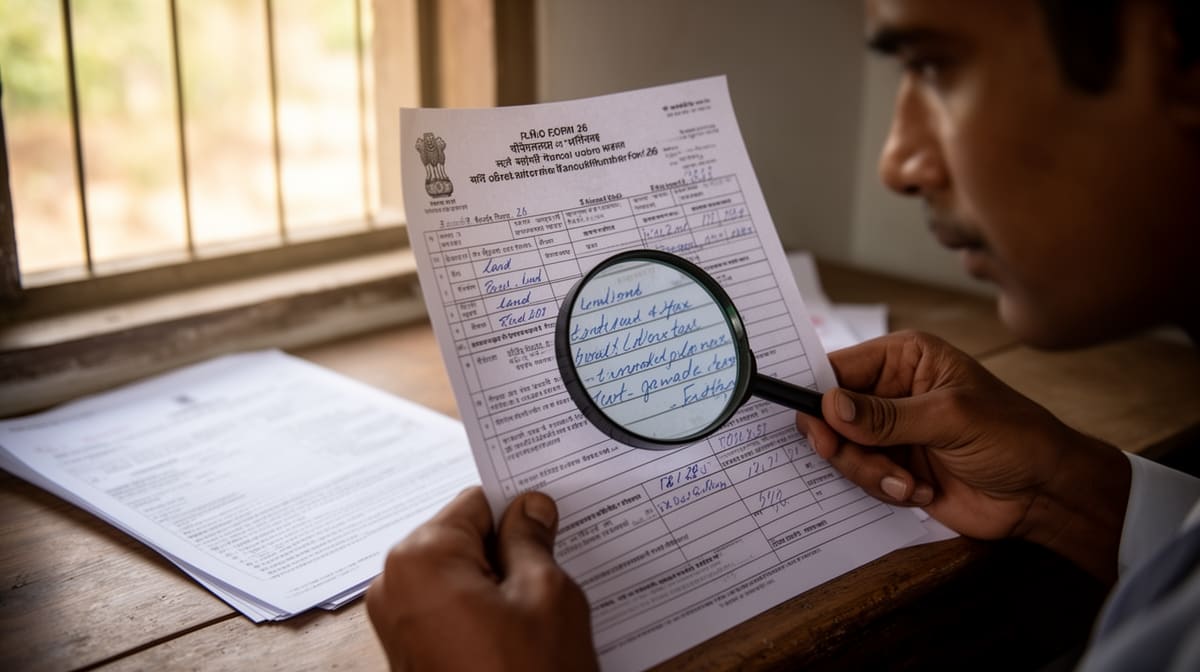
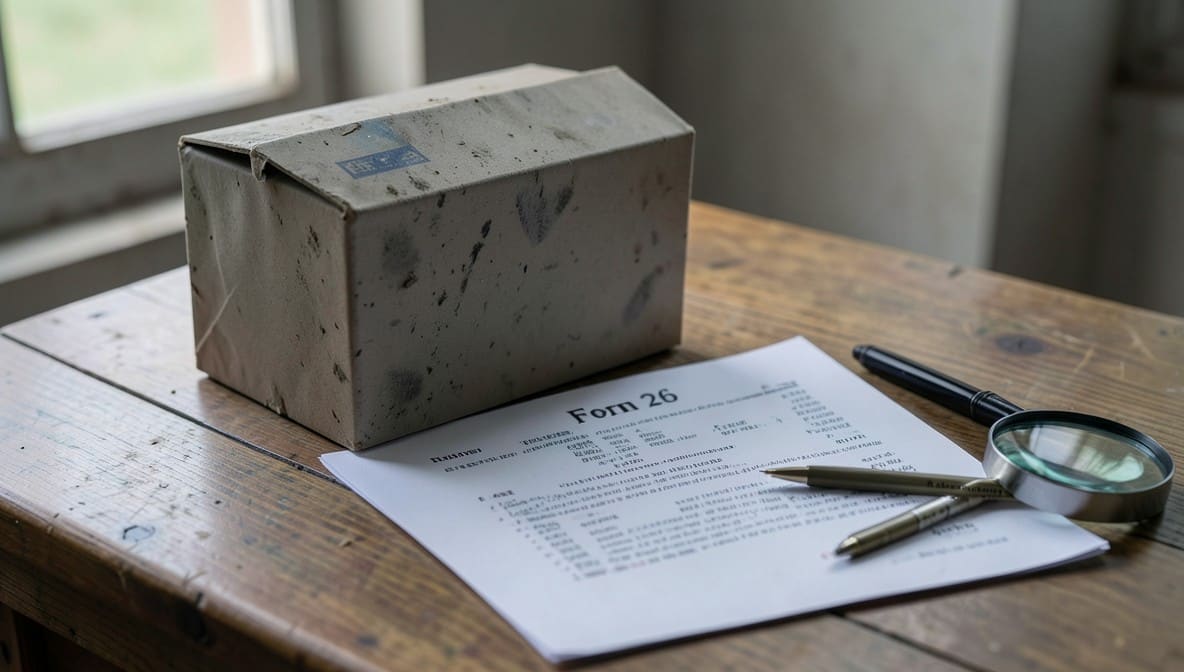
- The returned candidate filed his nomination on 29.10.2024, submitting Form 26 affidavit declaring his source of income as "Sai Enterprises".
- In Form 26, the returned candidate declared Government dues as "Nil".
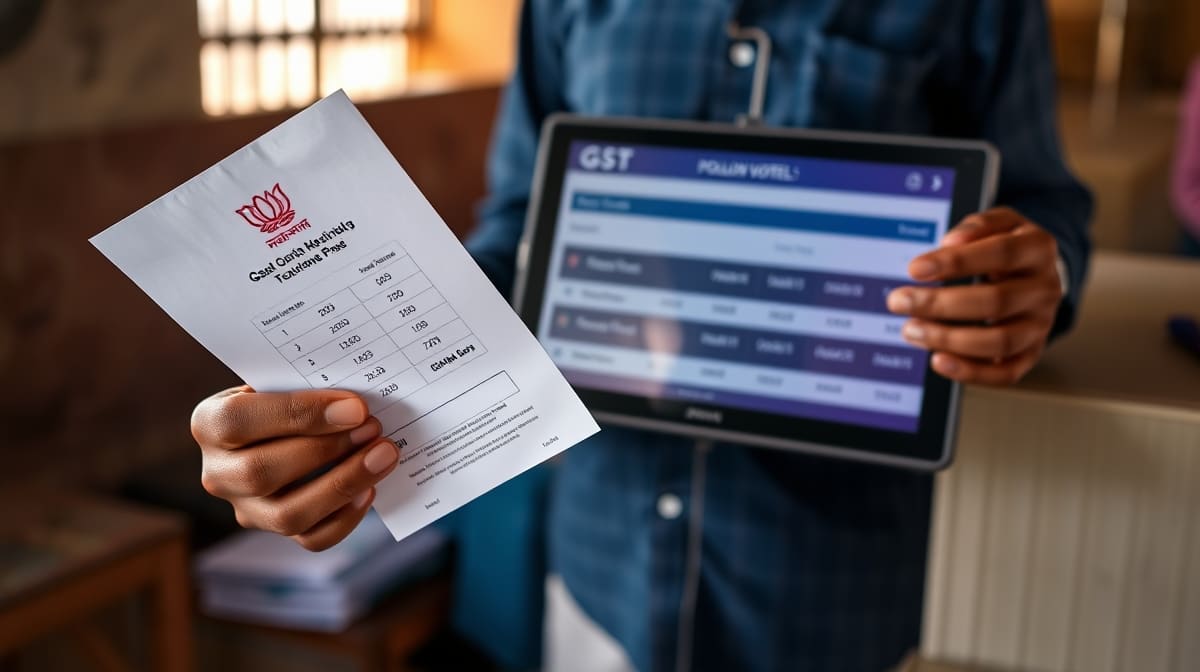
- The petitioner, through a Right to Information (RTI) application, obtained data from the GST Department website showing that the firm "Nilkamal" - in which the returned candidate was a partner - had outstanding professional tax dues of Rs. 25,000 for the period 2015 - 2025, with interest of Rs. 29,650, totaling Rs. 54,650.
- The GST portal showed the firm "Nilkamal" as active as of 01.01.2025, with no tax returns filed.
- The returned candidate had voluntarily cancelled his GST registration on 09.01.2019, but the petitioner alleged this did not absolve him of liability for dues accrued prior to cancellation.
- The petitioner obtained certified copies of documents on 03.01.2025 and filed the election petition on the same day.
- The nomination form did not disclose any association with "Nilkamal" or its liabilities.
Procedural History
- 20.11.2024: Date of polling in Assembly election.
- 23.11.2024: Declaration of election results.
- 03.01.2025: Petitioner filed Election Petition No. 02 of 2025.
- 06.01.2025: Court office raised objections to incompleteness of documents and lack of certified copies.
- 07.01.2025: Petitioner filed an application for amendment to annex additional documents.
- 16.01.2025: Returned candidate filed Application No. 162 of 2025 (Exhibit-23) under Order VII Rule 11 CPC seeking dismissal of the petition.
- 09.01.2026: Judgment reserved.
- 30.03.2026: Judgment pronounced.
The Parties' Positions
For the Petitioner (Vijay Thorat):
- Argued that the returned candidate’s failure to disclose his partnership in "Nilkamal" and its tax arrears violated Rule 4A of the Conduct of Elections Rules, 1961, and Section 123(2) of the RP Act.
- Contended that the omission was not merely technical but materially affected the election, given the narrow margin of victory.
- Relied on Lok Prahari v. Union of India and Kisan Shankar Kathore v. Arun Dattatray Sawant to assert that non-disclosure of government dues constitutes corrupt practice.
- Stated that the GST portal data was sufficient to establish the existence of liabilities and that the petition contained sufficient averments to warrant trial.
For the Respondent (Amol Khatal):
- Argued that the firm "Nilkamal" was dissolved in 2015 and GST registration cancelled in 2019, rendering disclosure irrelevant.
- Claimed that "Sai Enterprises" was the only legitimate source of income and was fully disclosed.
- Asserted that the petition lacked specific dates, places, and evidence of corrupt practice, violating Section 83(a) of the RP Act.
- Contended that the petition was filed beyond the 45-day limitation period due to delayed annexation of documents.
- Relied on Ajmera Shyam v. Kova Laxmi and Anil Vasudev Salgaonkar v. Naresh Kushali Shigaonkar to argue that vague allegations without material facts must be summarily dismissed.
Relief Sought
The petitioner sought:
- A declaration that the election of Respondent No. 1 (Amol Khatal) is void under Section 100(1)(b) and 100(1)(d) of the RP Act, 1951.
- A declaration that the petitioner be declared duly elected under Section 84 read with Section 101(b) of the Act.
The Legal Issue
The central question was whether the suppression of a partnership firm’s outstanding professional tax liabilities in Form 26 of the nomination affidavit constitutes a corrupt practice under Section 100(1)(b) of the Representation of the People Act, 1951, and whether such non-disclosure, without proof of voter influence, is sufficient to warrant a trial.
Arguments Presented
For the Appellant/Petitioner
The petitioner argued that the returned candidate’s failure to disclose his association with "Nilkamal" and its tax arrears of Rs. 54,650 violated Rule 4A of the Conduct of Elections Rules, 1961, which mandates full disclosure of assets, liabilities, and government dues. Citing Lok Prahari v. Union of India, the petitioner emphasized that voters have a fundamental right to know the financial antecedents of candidates. The petitioner relied on Kisan Shankar Kathore v. Arun Dattatray Sawant, where non-disclosure of municipal dues led to the election being set aside. The petition contained specific averments regarding the GST portal data, the amount of dues, and the active status of the firm as of 01.01.2025. The petitioner contended that the narrow margin of victory (10,560 votes) and the presence of 11 other candidates made it plausible that the suppression influenced the outcome. The petition was filed within limitation, as the date of presentation was 03.01.2025, and subsequent amendments were permissible under Section 87 of the RP Act.
For the Respondent/State
The respondent argued that the firm "Nilkamal" was dissolved in 2015 and GST registration cancelled in 2019, making disclosure irrelevant. He contended that "Sai Enterprises" was the sole source of income and was properly disclosed. The respondent relied on Ajmera Shyam v. Kova Laxmi, where the Supreme Court held that mere non-disclosure of income tax returns does not amount to corrupt practice unless assets are disproportionate. He argued that the petition lacked specific dates of commission of corrupt practice, failed to identify the source of information with precision, and did not plead how the election was materially affected. The respondent also contended that the petition was defective in verification and that the delay in filing certified copies rendered it time-barred. He asserted that the petition was a fishing expedition and should be dismissed under Order VII Rule 11 CPC.
The Court's Analysis
The Court undertook a rigorous analysis of the pleadings, statutory requirements, and binding precedents. It emphasized that election petitions are quasi-criminal in nature and require strict compliance with Section 83 of the RP Act, which mandates a concise statement of material facts. However, the Court rejected the notion that technical defects or incomplete annexures justify summary dismissal.
"The Court cannot dissect the petition sentence-wise or paragraph-wise but must read it as a whole to determine whether a cause of action is disclosed."
The Court noted that the petitioner had specifically alleged that the returned candidate was a partner in "Nilkamal", that the firm had outstanding professional tax dues of Rs. 54,650 as per the GST portal, and that these liabilities were deliberately concealed in Form 26 by declaring "Nil" for government dues. The Court held that this was not a mere technical omission but a deliberate suppression of material financial information.
The Court distinguished Ajmera Shyam v. Kova Laxmi, where the non-disclosure pertained to income tax returns without any allegation of actual liabilities. Here, the petitioner alleged actual, quantified, and active liabilities. The Court further relied on Kisan Shankar Kathore v. Arun Dattatray Sawant, where non-disclosure of municipal dues led to the election being set aside, and Madiraju Vyankata Ramana Raju v. Peddireddigari Ramachandra Reddy, which held that the petition must be read holistically.
The Court rejected the argument that the firm was dissolved, noting that the petitioner’s evidence from the GST portal showed the firm as active as of 01.01.2025. The Court held that such a defence could only be examined at trial, not at the threshold.
Regarding the narrow margin of victory, the Court observed that while Section 100(1)(b) does not require proof of actual voter influence, the existence of a close margin strengthens the plausibility of material effect. The Court also held that the petition was filed within limitation, as the date of presentation was 03.01.2025, and the subsequent filing of certified copies was an administrative correction, not a substantive amendment.
The Court concluded that the petition disclosed a triable issue under Section 100(1)(b) and that the application under Order VII Rule 11 CPC was not maintainable.
The Verdict
The petitioner succeeded. The Court dismissed Application No. 162 of 2025 (Exhibit-23) and ordered that the Election Petition proceed to trial. The Court directed that the petition be placed for further consideration on 07.05.2026. The Court held that the suppression of material financial liabilities in Form 26 constitutes a corrupt practice under Section 100(1)(b) of the Representation of the People Act, 1951, and that the petition contained sufficient averments to warrant a full trial.
What This Means For Similar Cases
Non-Disclosure of Tax Liabilities Is a Corrupt Practice
- Practitioners must now treat non-disclosure of active government dues - such as professional tax, municipal taxes, or GST arrears - as a potential corrupt practice under Section 100(1)(b), even if the liability predates the election.
- Candidates must disclose all partnerships and associated liabilities, regardless of whether the entity is currently active, if the liability accrued during the period of association.
Form 26 Must Reflect Complete Financial Picture
- The use of "Nil" in Form 26 is permissible only if there are truly no liabilities. If liabilities exist, even if disputed, they must be disclosed with a note.
- Relying on "Sai Enterprises" as the sole source of income while concealing a partnership in another firm with tax arrears is a material omission.
Election Petitions Cannot Be Dismissed on Technical Grounds
- Courts must read election petitions as a whole and not strike them down for minor defects like unattached certified copies or pagination errors.
- Amendments to annex documents obtained via RTI after filing are permissible if they substantiate existing allegations and do not introduce new causes of action.
Margin of Victory Is Relevant to Material Effect
- While not mandatory, a narrow margin of victory (under 15,000 votes) strengthens the plausibility that non-disclosure materially affected the result.
- Practitioners should always quantify the vote margin and highlight it in pleadings when alleging material effect under Section 100(1)(b).
Prima Facie Evidence from Public Portals Is Sufficient for Trial
- Data from official government portals (GST, GSTN, professional tax websites) can serve as prima facie evidence in election petitions.
- The burden shifts to the candidate to explain or rebut such publicly available data at trial.
Verification Defects Are Curable
- Defects in verification or affidavit format do not warrant dismissal under Order VII Rule 11 CPC.
- Courts must give petitioners an opportunity to cure such defects, as held in Umesh Challiyil v. K.P. Rajendran and Sardar Harcharan Singh Brar v. Sukh Darshan Singh.