The Meghalaya High Court has clarified that revisional jurisdiction under Rule 31(2) of the Khasi Hills Autonomous District (Administration of Justice) Rules, 1953 is confined to criminal proceedings and cannot be invoked to challenge interim civil orders. This ruling reinforces the statutory separation between civil and criminal appellate mechanisms and reaffirms the primacy of the Code of Civil Procedure in civil disputes within autonomous districts.
Background & Facts
The Dispute
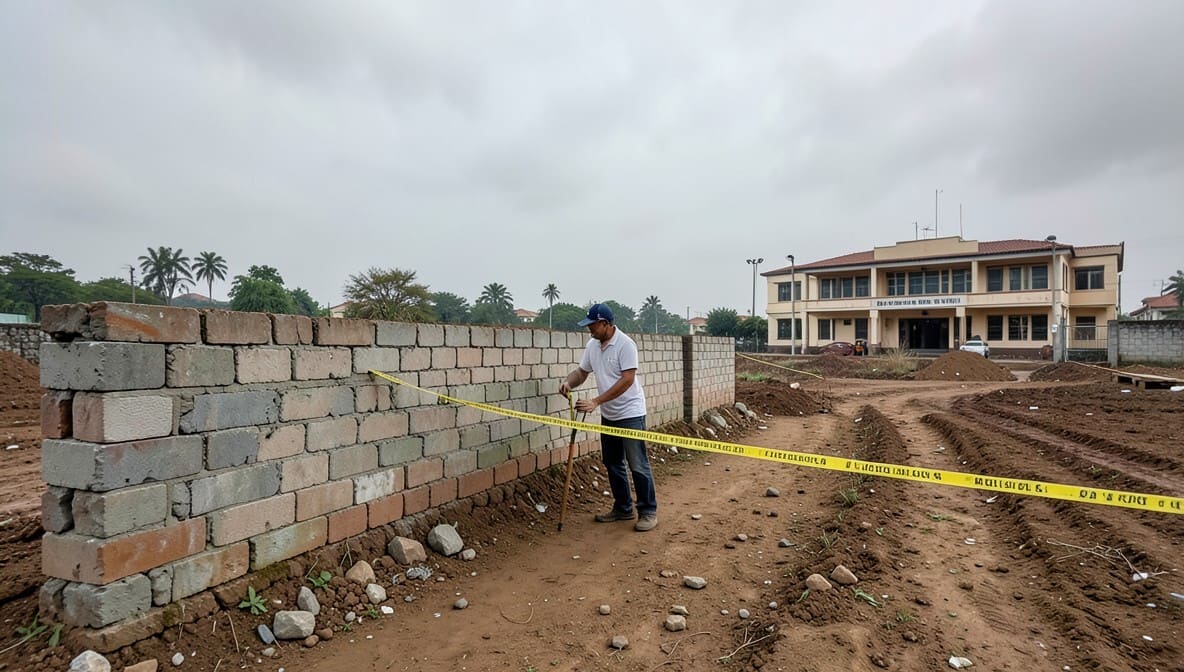
The petitioner, Smti Philamon Mawrie, filed a Title Suit No. 30 of 2023 before the Subordinate District Council Court, Shillong, seeking declaration of title, confirmation of possession, and permanent injunction over a property known as Madan Iewrynghep. Alongside the suit, she filed an application under Order 39 Rule 1 and 2 read with Section 151 of the Code of Civil Procedure, 1908 (CPC) for an ad-interim injunction, registered as Misc Case No. 77 of 2023.
Key Facts
- The interim order dated 09.11.2023 directed maintenance of status quo between the parties and imposed certain restrictions on both sides.
- Neither party challenged the interim order immediately.
- The petitioner subsequently filed three applications alleging violation of the interim order.
- In response, the Trial Court passed orders on 04.03.2024 and 26.03.2024 directing strict compliance with the injunction.
- The respondents then filed Civil Revision Petition No. 1 of 2024 before the Judge, District Council Court, challenging the interim order dated 09.11.2023.
- The petitioner contested the maintainability of the revision petition, arguing that Rule 31(2) does not empower the District Council Court to entertain civil revisions.
Procedural History
- 09.06.2023: WA No. 5 of 2023 disposed of, paving way for Title Suit No. 30 of 2023.
- 09.11.2023: Trial Court passed interim injunction order under Order 39 Rule 1 and 2 CPC.
- 04.03.2024: Trial Court ordered compliance with interim injunction after petitioner’s application.
- 26.03.2024: Trial Court reiterated compliance direction.
- 2024: Respondents filed Civil Revision Petition No. 1 of 2024 before the Judge, District Council Court.
- 14.11.2025: District Council Court dismissed petitioner’s objection to maintainability and decided the revision on merits.
- 25.03.2026: Present revision petition filed before the Meghalaya High Court.
Relief Sought
The petitioner sought quashing of the impugned order dated 14.11.2025, on the ground that the District Council Court lacked jurisdiction to entertain a civil revision under Rule 31(2). She also sought a declaration that the appropriate remedy against the interim injunction was appeal under Order 43 Rule 1(r) CPC, not revision.
The Legal Issue
The central question was whether Rule 31(2) of the Khasi Hills Autonomous District (Administration of Justice) Rules, 1953 confers revisional jurisdiction on the District Council Court in civil matters, particularly to challenge an interim injunction order passed under the Code of Civil Procedure, 1908.
Arguments Presented
For the Petitioner
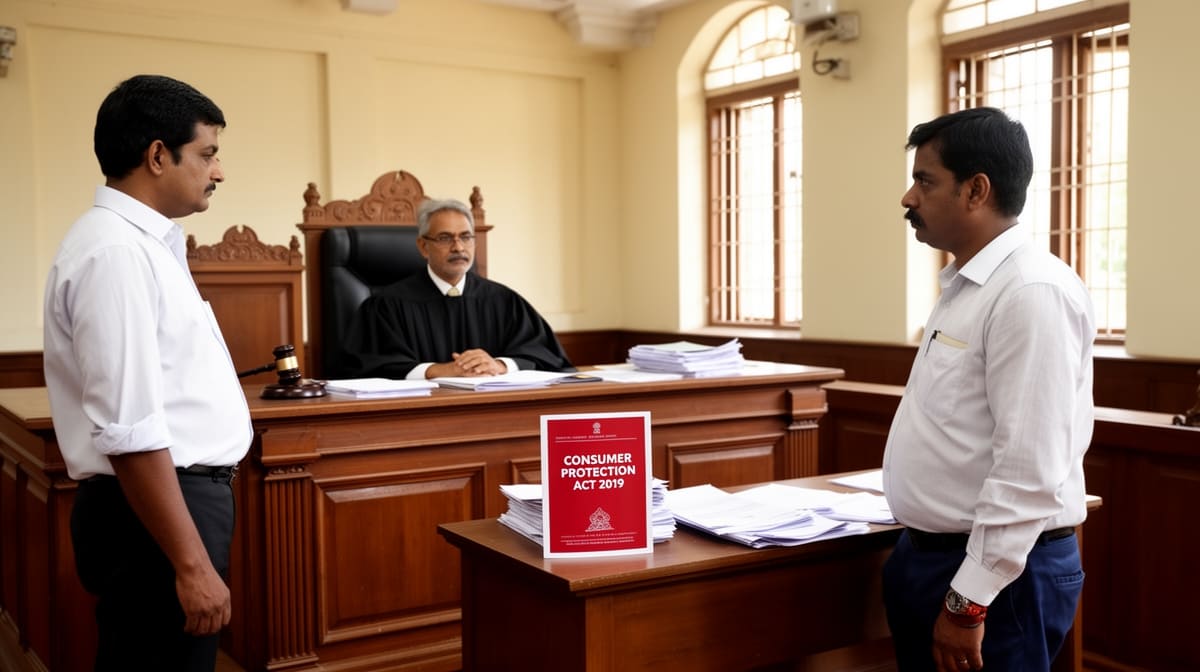
The petitioner’s counsel argued that Rule 31(2) uses the terms "sentence" and "finding" - language inherently tied to criminal proceedings. He contended that the rule does not mention civil suits, decrees, or injunctions, and therefore cannot be stretched to cover civil matters. He further relied on Order 43 Rule 1(r) CPC, which explicitly makes interim injunction orders appealable, thereby excluding revision as a remedy. He cited Rule 47 of the Khasi Hills Rules, which mandates that civil procedure be guided by the spirit of CPC, reinforcing that civil remedies must follow CPC, not criminal revisional powers.
For the Respondent
The respondents’ counsel argued that the word "finding" in Rule 31(2) is broad enough to include civil orders, including injunctions. He submitted that the District Council Court has supervisory authority over subordinate courts in all matters, and that the rule’s language does not explicitly exclude civil cases. He further contended that the absence of a specific civil revision provision in the Khasi Hills Rules justified invoking Rule 31(2) as a residual supervisory power.
The Court's Analysis
The Court undertook a strict textual analysis of Rule 31(2), which states: "The District Council may call for and examine the records... and may enhance, reduce, cancel or modify any sentence or finding passed by such Court or remand the case for re-trial."
"The language of the Rule specifically mentions of ‘enhance, reduce, cancel or modify any sentence or finding passed’ which sounds criminal in nature."
The Court observed that the terms "sentence" and "finding" are terms of art in criminal law. "Sentence" refers to punishment imposed after conviction; "finding" in this context refers to a determination of guilt or innocence. These terms have no equivalent meaning in civil jurisprudence, where courts issue decrees, orders, or injunctions - not sentences.
The Court applied the doctrine of ejusdem generis: where general words follow specific words, the general words are interpreted in light of the specific ones. Here, "finding" follows "sentence," indicating that both belong to the same class - criminal outcomes. The Court rejected the argument that "finding" could be read broadly to include civil orders, noting that such an interpretation would nullify the clear statutory scheme under Section 115 CPC, which reserves revisional jurisdiction in civil matters exclusively to the High Court.
The Court further emphasized Rule 47, which mandates that civil proceedings in the District Council Courts follow the spirit of CPC. Since Order 43 Rule 1(r) CPC provides a specific appellate remedy against interim injunctions, no revisional remedy can be implied or invoked under Rule 31(2). The Court held that allowing revision in such cases would create a parallel, conflicting remedy and undermine the legislative intent behind CPC’s structured appellate hierarchy.
The Court also noted that the District Council Court had proceeded to decide the revision on merits without hearing on maintainability - a procedural irregularity compounded by lack of jurisdiction.
The Verdict
The revision petition succeeded. The Meghalaya High Court set aside and quashed the impugned order dated 14.11.2025 passed by the Judge, District Council Court in Civil Revision Petition No. 1 of 2024. The Court held that Rule 31(2) does not confer revisional jurisdiction in civil matters. The respondents are not barred from challenging the interim order dated 09.11.2023 through a proper appeal under Order 43 Rule 1(r) CPC, if they so choose. No costs were awarded.
What This Means For Similar Cases
Civil Injunctions Cannot Be Challenged via Criminal Revision
- Practitioners must file appeals under Order 43 Rule 1(r) CPC against interim injunctions, not revision petitions under local autonomous district rules.
- Any revision petition filed against a civil injunction under Rule 31(2) is liable to be dismissed for lack of jurisdiction.
Rule 31(2) Is Criminal-Only in Scope
- The phrase "sentence or finding" in Rule 31(2) is limited to criminal proceedings and cannot be expanded to include civil decrees, orders, or injunctions.
- Courts in autonomous districts must strictly adhere to the separation between civil and criminal revisional mechanisms.
CPC Governs Civil Procedure Even in Autonomous Districts
- Rule 47 of the Khasi Hills Rules does not create a vacuum - it mandates application of CPC’s spirit, meaning CPC’s remedies (appeal, revision by High Court) are fully applicable.
- Local rules cannot override the procedural hierarchy established by CPC unless expressly permitted.
Jurisdictional Errors Cannot Be Ratified by Merits Review
- Even if a court reaches a correct substantive outcome, the order is void if passed without jurisdiction.
- A revision court cannot cure its own lack of jurisdiction by deciding the matter on merits.