The Madhya Pradesh High Court has clarified that a government servant’s consumption of liquor while on duty constitutes a grave misconduct under Rule 23 of the Madhya Pradesh Civil Services (Conduct) Rules, 1965, irrespective of whether performance was impaired. This ruling reinforces strict disciplinary standards for public servants and eliminates the need to prove functional harm in such cases.
Background & Facts
The Dispute
The petitioner, Sanjay Lovanshi, was a government employee whose services were terminated by an order dated 22.03.2021 (Annexure P/13) passed by Respondent No. 2, following a departmental enquiry. The termination was based on the finding that the petitioner had consumed liquor while on duty. The petitioner challenged this order before the High Court under Article 226 of the Constitution of India.
Key Facts
- The petitioner was employed in a government department in Madhya Pradesh.
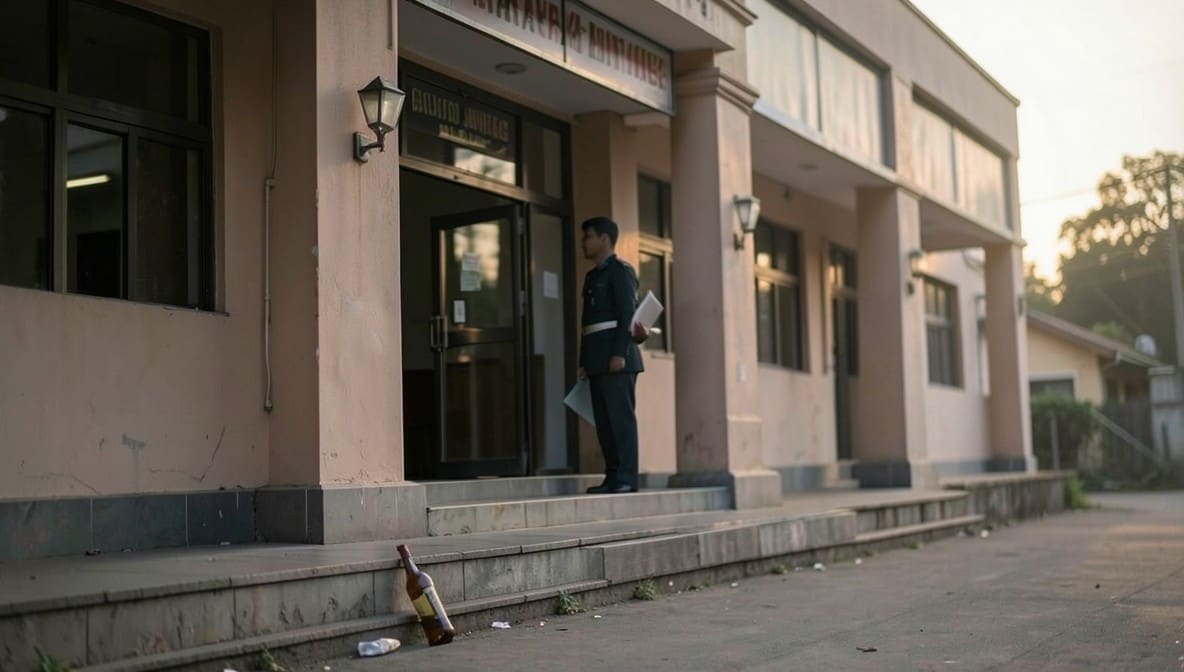
- On or about the date of the incident, he was found to have consumed liquor while on duty.
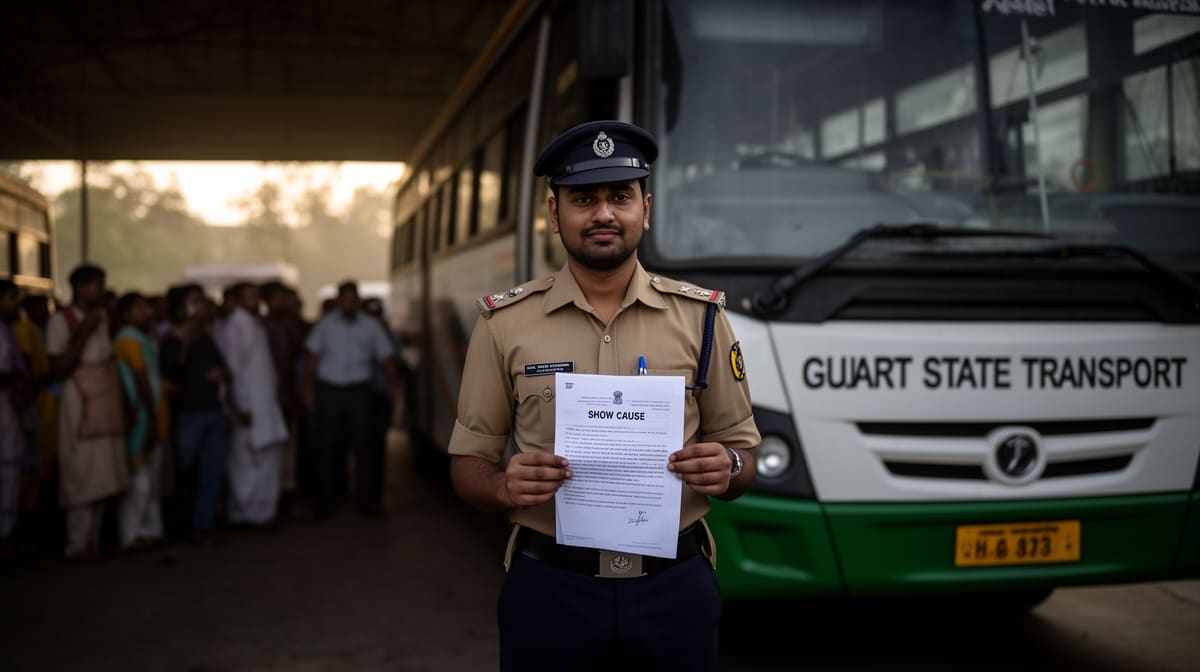
- Multiple show cause notices were issued to the petitioner regarding his conduct, but he failed to file any replies.
- The controlling officer documented evidence of repeated instances of intoxication during duty hours.
- The departmental enquiry concluded that the petitioner had violated Rule 23 of the Madhya Pradesh Civil Services (Conduct) Rules, 1965.
- The penalty of termination was imposed, and the petitioner’s appeal against the order was dismissed by the appellate authority.
- The petitioner relied on a 2016 judgment from the Gwalior Bench of this Court (WP No. 5357/2010) to argue that termination required proof that his performance was affected by intoxication.
Procedural History
- Date of incident: Not explicitly stated, but occurred prior to issuance of show cause notices.
- Date of show cause notices: Multiple notices issued, exact dates not specified, but petitioner failed to respond.
- 22.03.2021: Termination order passed by Respondent No. 2.
- Date of appeal: Appeal filed against termination order; dismissed by appellate authority (date not specified).
- 13.05.2026: Writ petition heard and decided by the High Court of Madhya Pradesh at Jabalpur.
Relief Sought
The petitioner sought quashing of the termination order dated 22.03.2021 and restoration of his services, relying on the precedent from WP No. 5357/2010 that required proof of performance impairment due to intoxication.
The Legal Issue
The central question was whether Rule 23 of the Madhya Pradesh Civil Services (Conduct) Rules, 1965 requires proof that a government servant’s performance was affected by intoxication before imposing the penalty of termination for consumption of liquor on duty.
Arguments Presented
For the Petitioner
The petitioner’s counsel argued that the termination order was unsustainable because the departmental enquiry did not establish that the petitioner’s duties were impaired by liquor consumption. He relied on the judgment in WP No. 5357/2010 (Gwalior Bench, dated 09.08.2016), which held that mere presence under the influence of liquor is insufficient for termination unless it is shown that official duties were adversely affected.
For the Respondent/State
The Government Advocate contended that the petitioner was a habitual offender who repeatedly appeared on duty under the influence of liquor, despite multiple show cause notices. He emphasized that Rule 23 imposes a strict obligation on government servants to avoid intoxication during duty hours, regardless of whether performance was impacted. The State argued that the petitioner’s failure to respond to notices and the documented evidence of misconduct warranted termination.
The Court's Analysis
The Court undertook a textual analysis of Rule 23 of the Madhya Pradesh Civil Services (Conduct) Rules, 1965, which reads:
"23. Consumption of intoxicating drinks and drugs- A Government servant shall:- (a) strictly abide by any law relating to intoxicating drinks or drugs in force in any area in which he may happen to be for the time being; (b) take due care that the performance of his duties is not affected in any way by the influence of any intoxicating drink or drug; (c) not appear in a public place in a state of intoxication; and (d) not habitually use any intoxicating drink or drug in excess."
The Court observed that clause (b) imposes a duty of care to prevent performance impairment, but it does not create a precondition for disciplinary action. Clause (c) explicitly prohibits appearing in public in a state of intoxication, and clause (d) prohibits habitual excess use. The Court held that the presence of a government servant on duty under the influence of liquor, by itself, violates the spirit and letter of Rule 23, particularly clauses (c) and (d), irrespective of whether performance was affected.
The Court distinguished the 2016 precedent cited by the petitioner, noting that the earlier judgment was fact-specific and did not override the express prohibitions under Rule 23. The Court emphasized that the rule is designed to uphold public trust and discipline, and allowing employees to justify intoxication on duty by claiming no performance impact would undermine the very purpose of the rule.
"Rule 23 does not give liberty to an employee to come on duty under influence of liquor and to his duty and submit that his performance is not being affected."
The Court further noted that the petitioner’s repeated failure to respond to show cause notices indicated a disregard for departmental discipline, which independently justified the penalty.
The Verdict
The writ petition was dismissed. The Court upheld the termination order dated 22.03.2021, holding that the petitioner’s consumption of liquor while on duty constituted a clear violation of Rule 23 of the Madhya Pradesh Civil Services (Conduct) Rules, 1965, irrespective of whether his official duties were impaired. No relief was granted.
What This Means For Similar Cases
Appearance on Duty Under Influence Is Per Se Misconduct
- Practitioners must advise government clients that appearing on duty intoxicated, even without evidence of performance impact, is sufficient grounds for termination under Rule 23.
- Departmental authorities no longer need to collect evidence of functional impairment to justify termination in such cases.
- The burden shifts to the employee to prove they were not intoxicated, not to the department to prove harm.
Failure to Respond to Show Cause Notices Is Fatal
- Repeated non-response to show cause notices, as in this case, strengthens the case for termination and weakens any challenge in writ proceedings.
- Courts will treat silence as acquiescence to allegations, especially in service matters involving discipline.
Precedents Must Be Context-Specific
- Earlier judgments requiring proof of performance impairment are not binding if they conflict with the express language of conduct rules.
- Courts will prioritize statutory text over judicial interpretations that dilute disciplinary standards.