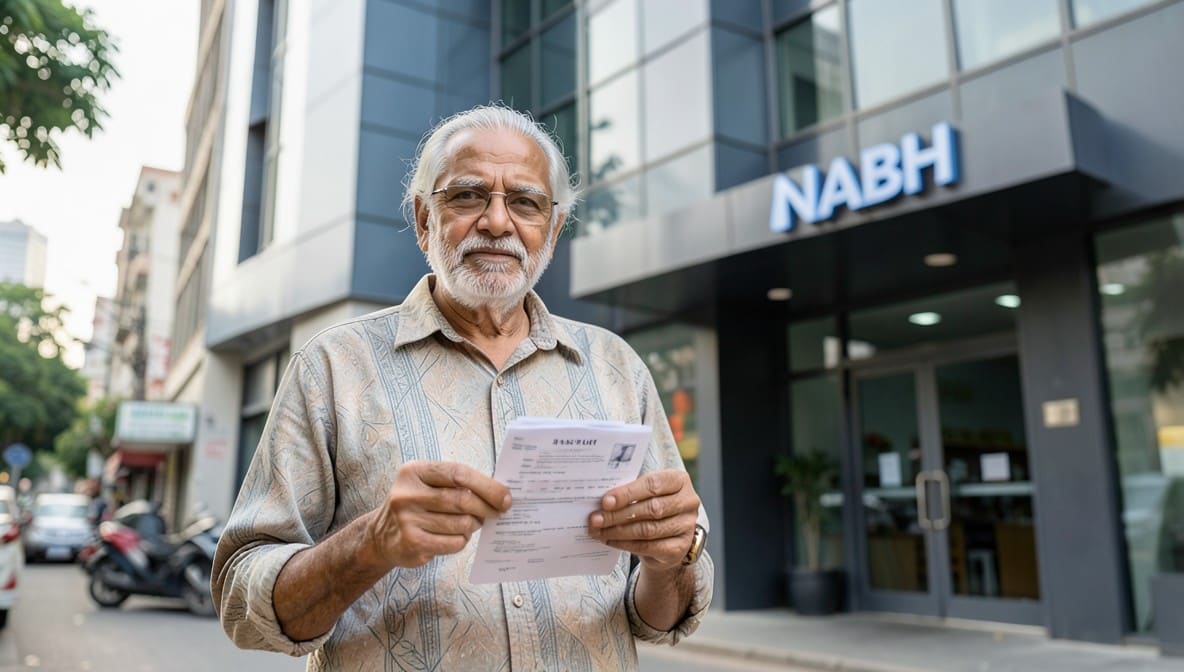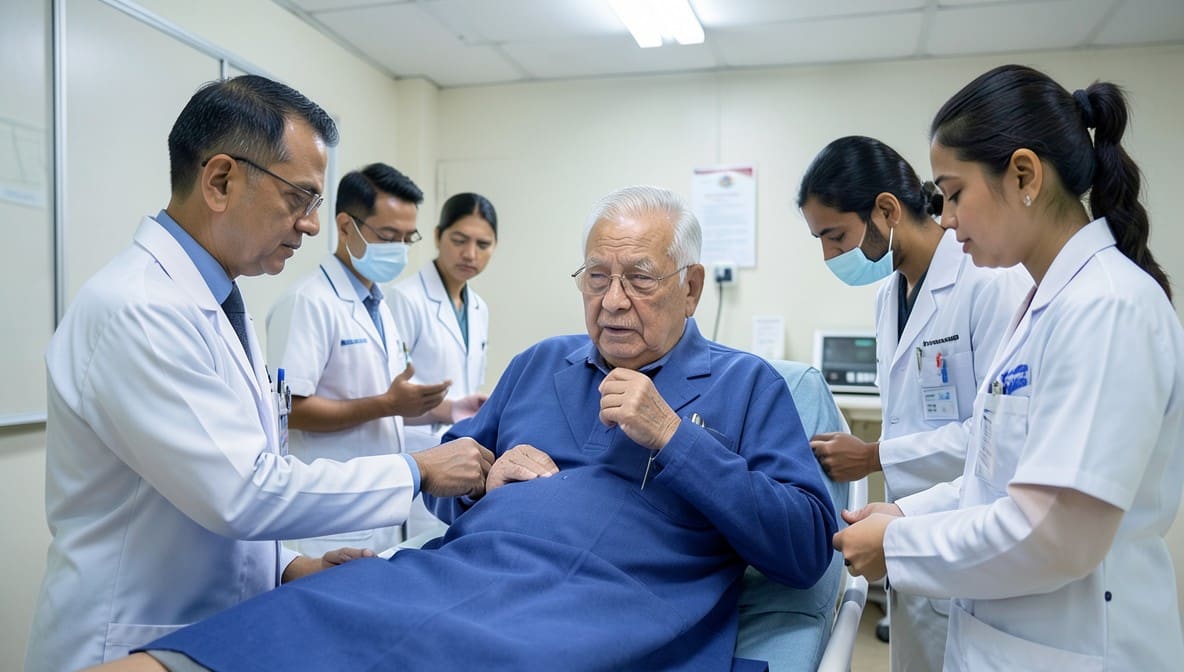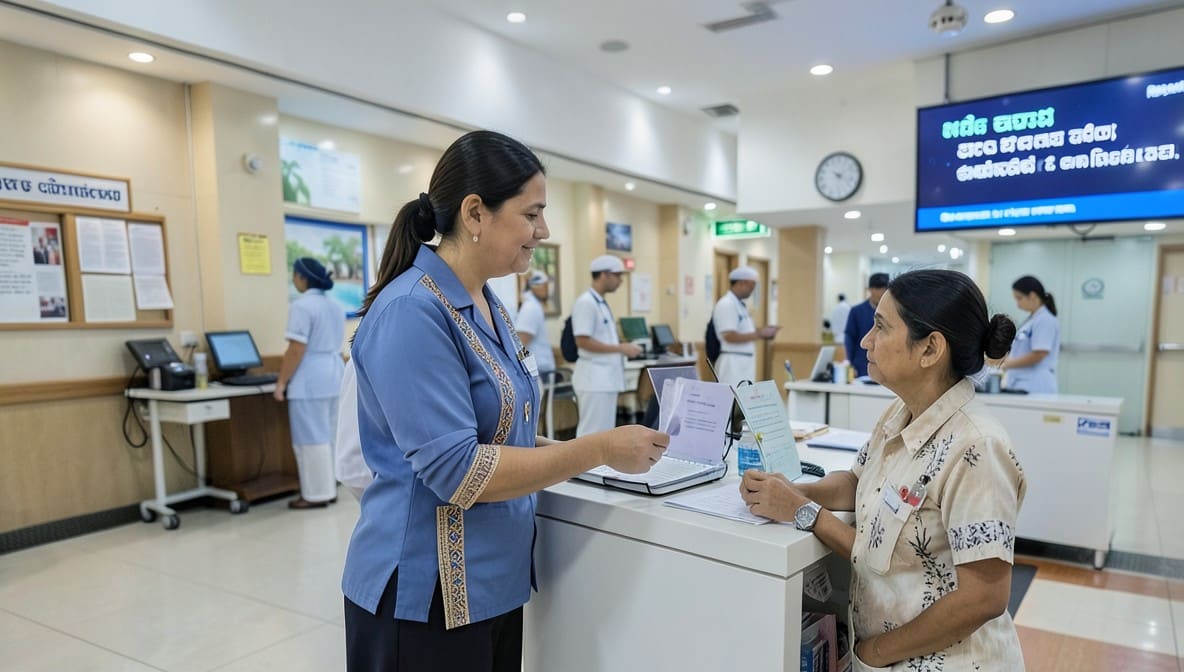
The Maharashtra State Consumer Disputes Redressal Commission, Aurangabad Bench, has reaffirmed the stringent obligations of empanelled hospitals under the Mahatma Jyotiba Phule Jan Aarogya Yojana (MJPJAY), formerly Rajiv Gandhi Jeevandayee Aarogya Yojana (RGJAY). The Commission dismissed an appeal by Kamalnayan Bajaj Hospital, holding it liable for deficiency in service after failing to secure scheme benefits for a patient, instead recovering Rs. 80,660 for angioplasty surgery. The judgment underscores that empanelled hospitals cannot shift the burden of documentation or pre-authorisation onto patients and must ensure cashless, paperless treatment as mandated by the scheme’s operational guidelines.
Background & Facts
The Dispute
The respondent, Subhash Laxman Kshirsagar, a beneficiary under the RGJAY scheme, was admitted to Kamalnayan Bajaj Hospital (the appellant) on 07.01.2016 for chest pain and breathlessness. Upon diagnosis, he was advised angioplasty surgery. Despite being eligible for cashless treatment under the scheme, the hospital’s officials allegedly coerced his family into signing an undertaking to pay for the surgery out-of-pocket. The hospital subsequently recovered Rs. 80,660 from the respondent, instead of facilitating the scheme’s benefits. The respondent’s requests to Respondent No. 2 (Government of Maharashtra) for redressal went unanswered, prompting him to file a consumer complaint before the District Consumer Disputes Redressal Commission, Aurangabad.
Key Facts
The respondent was diagnosed with arterial blockages requiring angioplasty on 07.01.2016.
The appellant hospital is an empanelled facility under RGJAY, obligated to provide cashless treatment to eligible beneficiaries.
The hospital recovered Rs. 80,660 from the respondent, despite his eligibility under the scheme.
The respondent’s brother, Ankush Kshirsagar, signed an undertaking stating the family would bear the surgery costs, allegedly under coercion.
The respondent registered under RGJAY on 09.01.2016 but failed to complete formalities due to the hospital’s alleged inaction.
The hospital contended that the respondent neglected to submit required documents for pre-authorisation, shifting blame onto him.
Procedural History
08.01.2016: Respondent admitted to the appellant hospital; surgery performed.
09.01.2016: Respondent registered under RGJAY but pre-authorisation not completed by the hospital.
Post-surgery: Hospital recovered Rs. 80,660 from the respondent.
Date not specified: Respondent filed a complaint before the District Consumer Forum, Aurangabad (Complaint No. 08/2018).
Date not specified: District Forum held the appellant liable for deficiency in service, directing refund of Rs. 80,660 with 9% interest from 12.01.2016, along with Rs. 5,000 as compensation and Rs. 3,000 as costs.
06.09.2018: Appellant filed First Appeal No. 351/2018 before the Maharashtra State Consumer Disputes Redressal Commission (SCDRC), Aurangabad Bench.
03.06.2026: SCDRC dismissed the appeal, confirming the District Forum’s order with modifications.
The Parties' Positions
For the Appellant (Kamalnayan Bajaj Hospital)
Argued that the respondent voluntarily opted out of RGJAY and signed an undertaking to pay for the surgery.
Contended that the respondent failed to complete pre-authorisation formalities, rendering him ineligible for scheme benefits.
Claimed the hospital provided all necessary assistance and that the burden of securing approval lay with the respondent.
Asserted that the District Forum erred in holding the hospital liable, as Respondent No. 2 (Government of Maharashtra) was responsible for sanctioning claims.
For the Respondent (Subhash Laxman Kshirsagar)
Alleged that the hospital coerced his family into signing the undertaking and failed to assist in securing RGJAY benefits.
Argued that the hospital’s passive approach deprived him of scheme benefits, forcing him to pay out-of-pocket.
Contended that the District Forum’s findings were correct, as the hospital breached its obligations under the scheme.
Relief Sought
Appellant: Sought quashing of the District Forum’s order, arguing no deficiency in service and that the respondent bore responsibility for pre-authorisation.
Respondent: Sought confirmation of the District Forum’s order, including refund of Rs. 80,660 with interest, compensation, and costs.
The Legal Issue
The central question was whether an empanelled hospital under RGJAY can shift the burden of pre-authorisation and documentation onto the patient, thereby recovering treatment costs despite the patient’s eligibility for cashless benefits. Additionally, the Commission had to determine whether the hospital’s failure to assist in securing scheme benefits constituted deficiency in service under the Consumer Protection Act, 1986.
Arguments Presented
For the Appellant
Relied on the undertaking signed by the respondent’s brother, arguing the family voluntarily opted out of RGJAY.
Contended that the respondent failed to complete pre-authorisation formalities, rendering the hospital not liable for scheme benefits.
Argued that the District Forum erred in holding the hospital responsible, as Respondent No. 2 (Government of Maharashtra) was the sanctioning authority.
Emphasised that the hospital provided necessary assistance, and the respondent’s negligence led to the denial of benefits.
For the Respondent
Argued that the hospital coerced the family into signing the undertaking, exploiting their vulnerability during a medical emergency.
Contended that the hospital failed to fulfil its obligations under RGJAY, including assisting with pre-authorisation and ensuring cashless treatment.
Asserted that the District Forum’s findings were correct, as the hospital’s inaction deprived him of scheme benefits.
The Court's Analysis
The Commission undertook a detailed examination of the RGJAY scheme’s operational framework, emphasising the strict obligations imposed on empanelled hospitals. Key observations included:
"Under the scheme, the empanelled hospital functions as the primary healthcare delivery network. These hospitals are responsible for delivering cashless, secondary, and tertiary medical treatments to eligible beneficiaries. The critical roles and operational responsibilities include: Provision of cashless and paperless treatment: Hospitals are strictly prohibited from charging down-payments, deposits, or extra fees. Maintenance of qualified staff: Hospitals must employ fully qualified doctors and trained paramedical staff. Designation of specialised teams: Every hospital must appoint a Medical Coordinator (MCO) and Aarogyamitras (Health Friends) to guide patients through admission and claims. Digital operations and e-preauthorisation: Hospitals must verify patient eligibility using valid IDs, submit online pre-authorisation requests, and initiate immediate treatment in emergencies with prior intimation to authorities."
The Commission noted that the appellant completely disregarded these obligations, instead shifting the burden of pre-authorisation onto the respondent. It observed:
"The duty of pre-authorisation and documentation, though cast upon the hospital, was wrongly shifted to the respondent. It was the legal and contractual responsibility of the appellant, as an empanelled hospital, to ensure eligible patients received full benefits of the scheme. Under the Standard Memorandum of Understanding (MoU) with the State Government, hospitals cannot place the burden of accessing, proving, or securing coverage onto the patient."
The Commission further elaborated on the specific operational mandates binding the appellant:
Mandatory Aarogyamitra Assistance: Hospitals must screen patients, review ration/health cards, and counsel them to prevent out-of-pocket payments.
Pre-Authorisation Process: The entire electronic process of securing medical approval is the sole duty of the hospital’s Medical Coordinator.
Free Diagnostic Services: Hospitals must provide basic diagnostic and consultation services free of cost to determine eligibility, even if surgery is later deemed unnecessary.
Prohibition on Advance Payments: Hospitals cannot demand deposits or security money while awaiting scheme approval.
Penalties for Non-Compliance: Failure to extend benefits may result in financial penalties, suspension, or de-empanelment.
The Commission concluded that the appellant’s failure to comply with these mandates constituted deficiency in service, as defined under Section 2(1)(g) of the Consumer Protection Act, 1986. It rejected the appellant’s contention that Respondent No. 2 should have been directed to grant post-facto approval, noting that the hospital’s gross negligence precluded such relief.
The Verdict
The Maharashtra State Consumer Disputes Redressal Commission dismissed the appeal, confirming the District Forum’s order with modifications. The key directions were:
The appellant hospital’s liability for deficiency in service was upheld.
The impugned judgment of the District Forum was confirmed, including the refund of Rs. 80,660 with 9% interest from 12.01.2016.
The appellant was directed to pay Rs. 10,000 as costs of the proceedings to the respondent.
The stay order in favour of the appellant was vacated.
What This Means For Similar Cases
Empanelled Hospitals Cannot Shift Burden to Patients
Strict Compliance with Scheme Mandates: Hospitals empanelled under RGJAY/MJPJAY must strictly adhere to the scheme’s operational guidelines. Failure to assist patients in securing benefits will constitute deficiency in service, exposing hospitals to liability for refunds, compensation, and costs.
No Coercion or Out-of-Pocket Payments: Hospitals cannot coerce patients into signing undertakings to pay for treatment outside the scheme. Any recovery of costs from eligible patients will be presumed deficient, unless the hospital proves active assistance in securing scheme benefits.
Pre-Authorisation Is the Hospital’s Sole Responsibility
Digital Pre-Authorisation Process: Hospitals must complete online pre-authorisation requests before non-emergency treatments. In emergencies, telephonic/email intimation to authorities is mandatory.
Free Diagnostic Services: Hospitals must provide basic diagnostic and consultation services free of cost to determine eligibility, even if treatment is later deemed unnecessary.
Prohibition on Deposits: Hospitals cannot demand advance payments, deposits, or security money while awaiting scheme approval.
Penalties for Non-Compliance Are Severe
Financial Liability: Hospitals found deficient may be directed to refund treatment costs with interest, pay compensation and costs, and face penalties under the scheme.
Suspension/De-Empanelment: Persistent non-compliance may lead to suspension or permanent de-empanelment, jeopardising the hospital’s participation in government-funded healthcare schemes.
Reputational Risk: Deficiency findings may damage the hospital’s reputation, affecting patient trust and future empanelment opportunities.