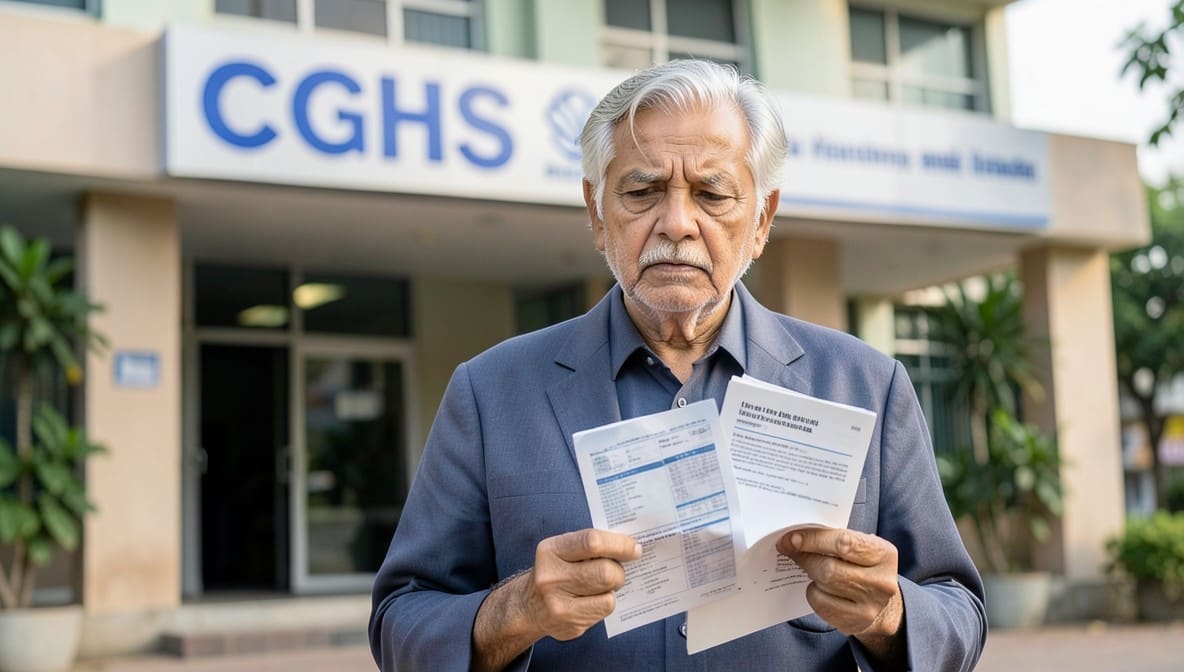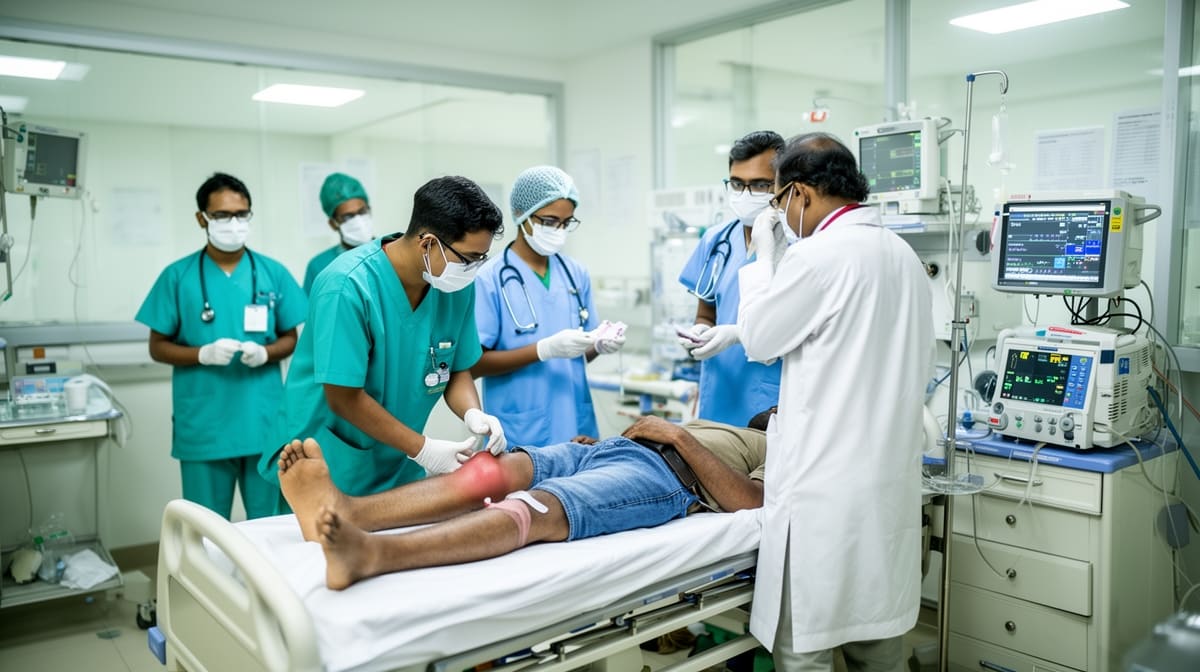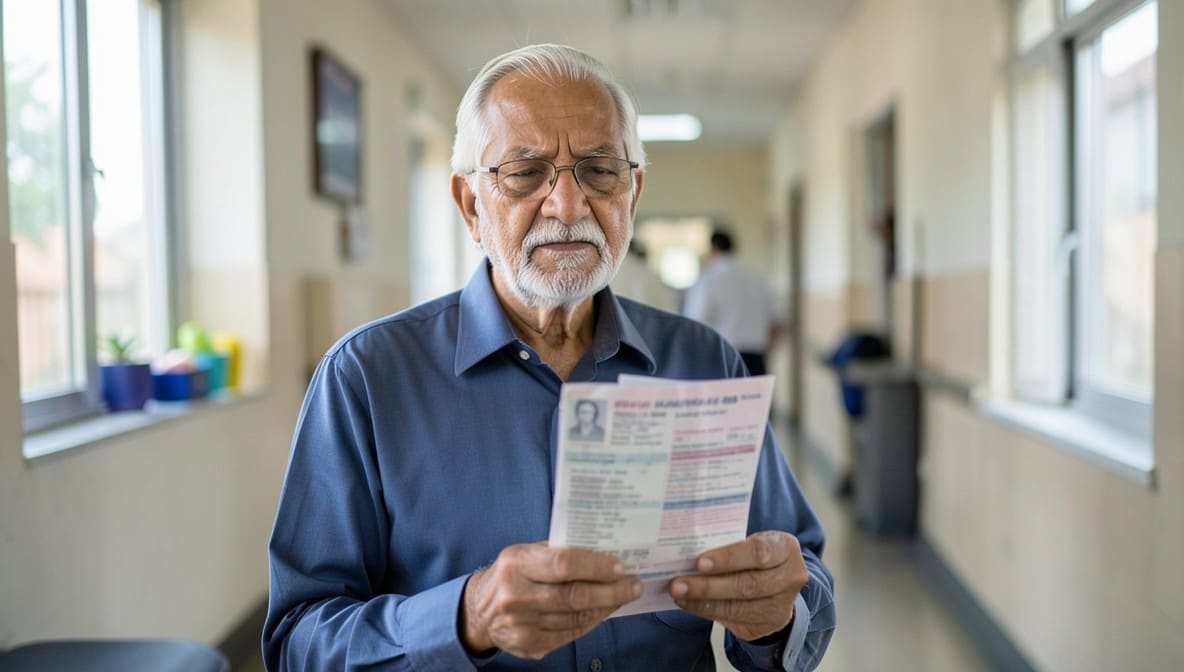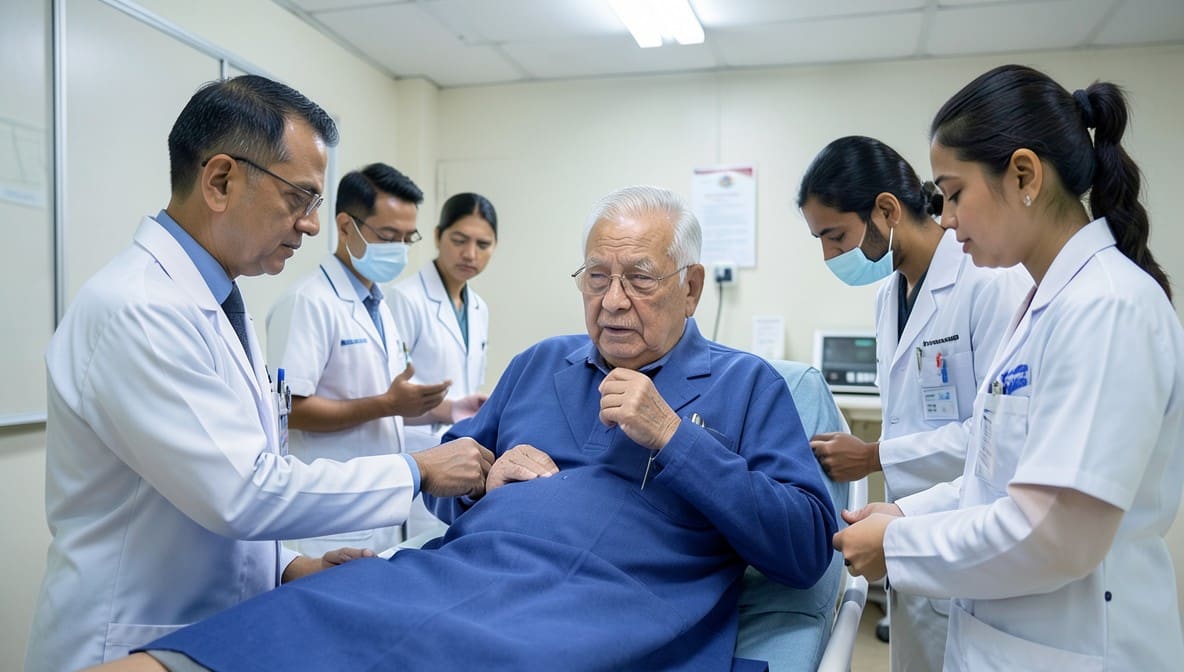
The High Court of Punjab and Haryana set aside the State's rejection of a pensioner’s claim for emergency medical expenses incurred at a non-empaneled hospital, directing payment of Rs.72,500 with interest, and issuing systemic directives for faster grievance redressal under the Central Government Health Scheme.
Background & Facts
The Dispute
The petitioner, Sanjiv Kumar, a retired government employee, sought reimbursement of medical expenses incurred during an emergency surgical procedure performed on 21 September 2018 at Sh. Mool Chand Kidney Hospital & Urological Institute, Karnal. The State of Haryana rejected the claim on the ground that the treatment was not an emergency and that the hospital was not empaneled under the Central Government Health Scheme (CGHS).
Key Facts
- 21-09-2018: Petitioner admitted with severe left flank pain and vomiting due to left ureteric calculus; surgery performed in emergency.
- 22-09-2018: Petitioner discharged after operation.
- 08-10-2018: Petitioner submitted medical bills amounting to Rs.72,500 to the respondents.
- 18-04-2019: Respondent No.2 issued an order rejecting the claim, citing a medical board report that the treatment was not emergency and the hospital was not empaneled.
- Annexure P-2: Emergency certificate issued by the treating doctor confirming emergency admission and surgery.
- Supreme Court precedent: Shiva Kant Jha v. Union of India (2018 SCC Online SC 370) held that government employees are entitled to medical benefits even when treated at non-empaneled hospitals.
Procedural History
- 08-10-2018: Bill of Rs.72,500 filed before the CGHS authorities.
- 18-04-2019: Impugned order rejecting the claim dated.
- Writ Petition: Petitioner filed a writ petition challenging the rejection (exact filing date not specified in the judgment).
- 14-07-2026: Judgment reserved.
- 29-07-2026: Judgment pronounced by Hon'ble Mrs. Justice Sudepti Sharma.
Parties' Positions
- Petitioner: Argues that the emergency certificate proves the treatment was urgent, that the Supreme Court decision overrides the empanelment requirement, and that the medical board’s conclusion is untenable without contemporaneous examination.
- Respondents: Rely on the medical board report stating the treatment was not emergency and contend that reimbursement is permissible only for services rendered at empaneled hospitals.
Relief Sought
The petitioner sought full reimbursement of the medical expenses of Rs.72,500 and a direction that the respondents honor the claim without further delay.