The Rajasthan High Court has intervened in a criminal miscellaneous petition to quash an FIR alleging petroleum theft after a BPCL document confirmed the integrity of seals on seized tankers. The Court directed the prosecution to file a detailed investigation report to justify the continuation of proceedings, while granting interim protection from arrest to the petitioner. The judgment hinges on the interpretation of the Petroleum Control Order and the evidentiary value of the BPCL report in disproving allegations of tampering and theft.
Background & Facts
The Genesis
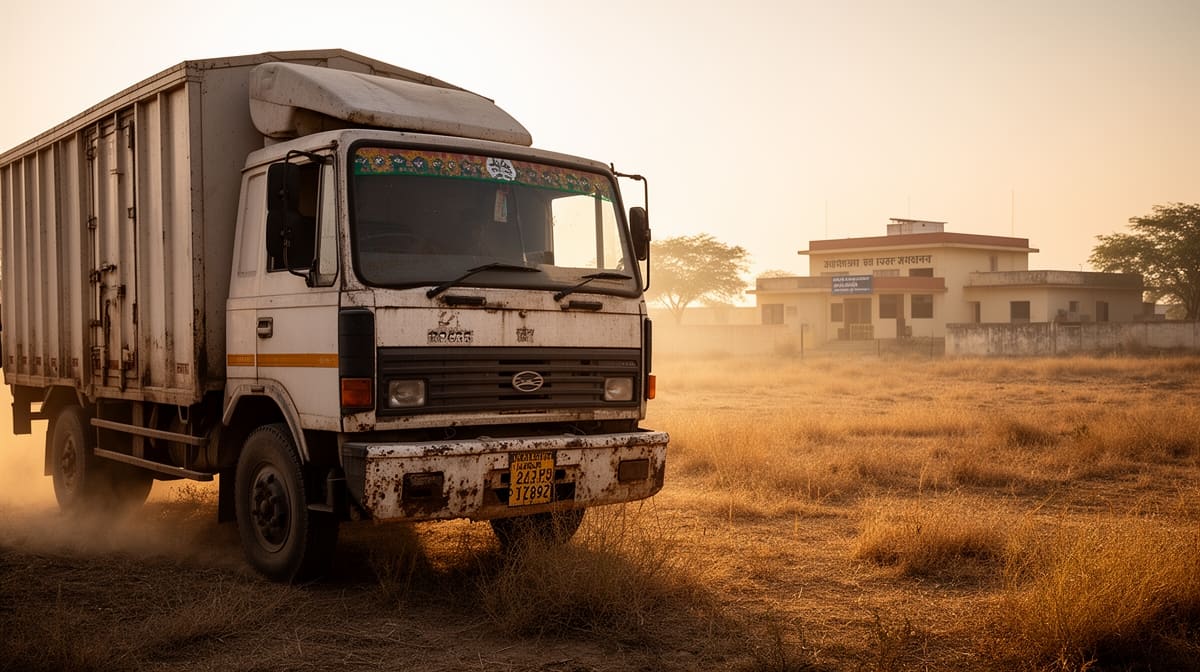
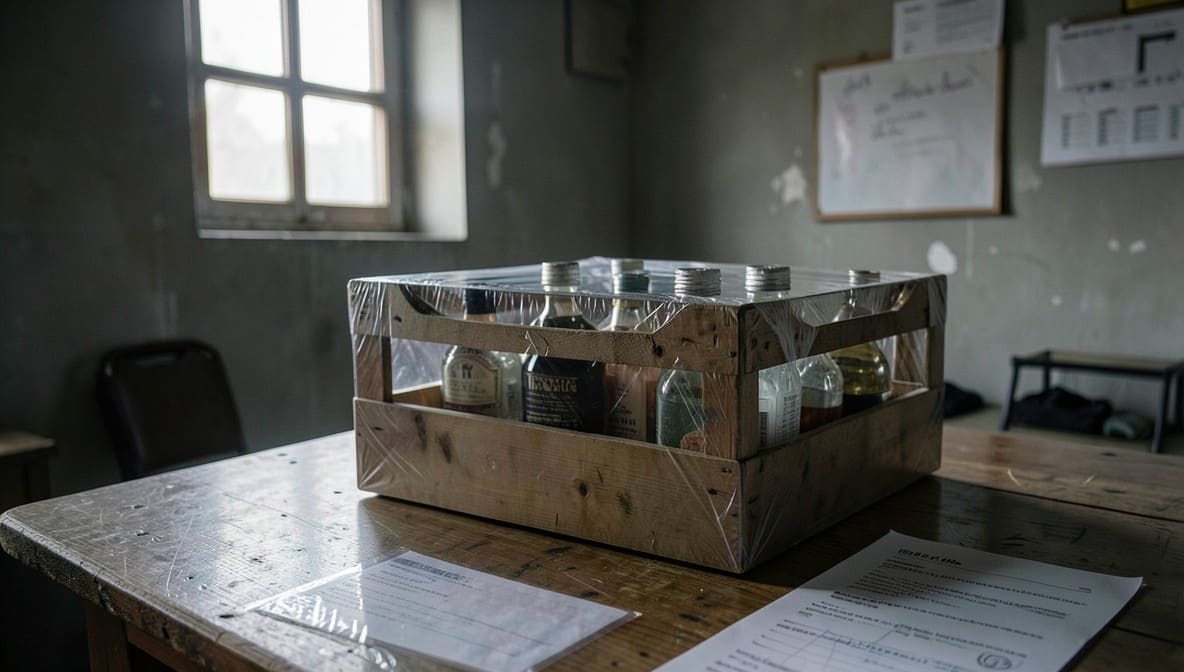
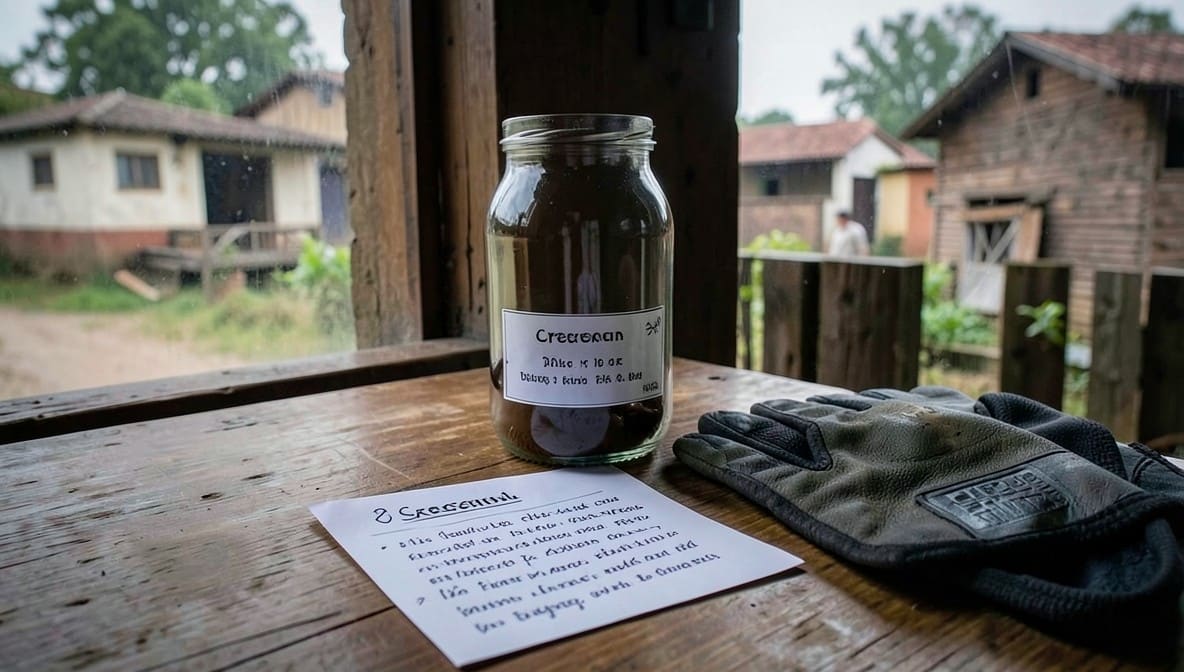
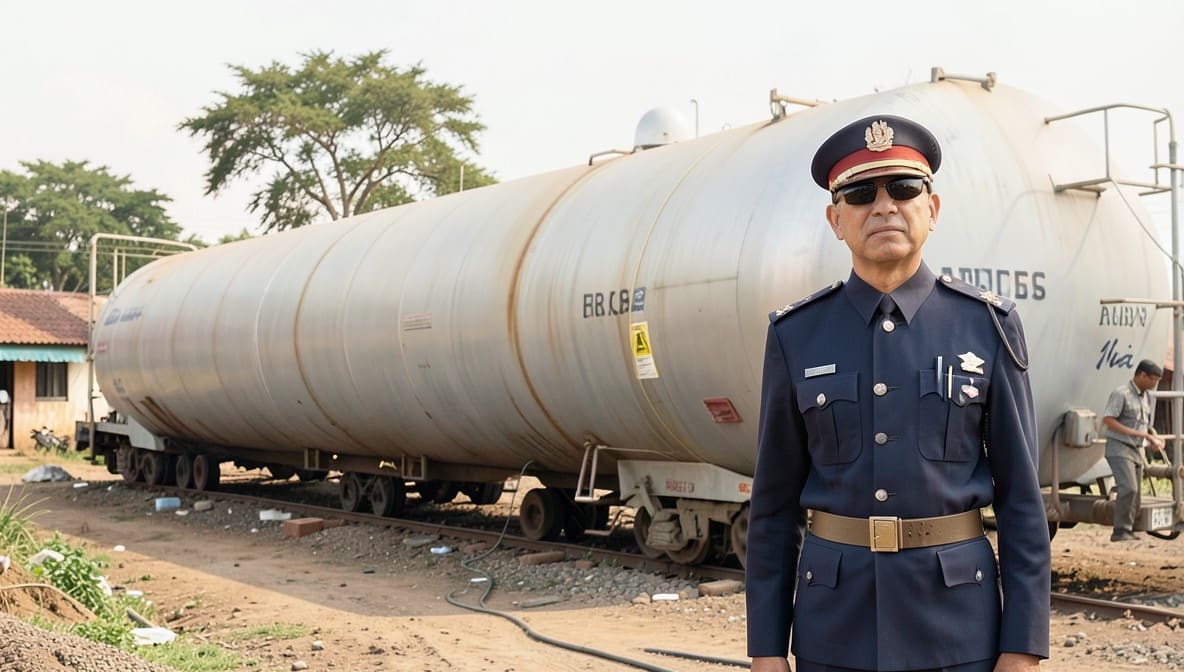
The petitioner, Mitthu Lal Gadri, was implicated in an FIR registered at Police Station Sadar Chittorgarh, District Chittorgarh, bearing FIR No. 214/2026. The allegations pertained to the seizure of two supply tankers of diesel/petrol and the recovery of approximately 1020 litres of petroleum products from a drum at the site. The FIR also alleged tampering with the seals of the tankers.
Key Facts
- The petitioner was alleged to have committed theft of petroleum products and tampered with the seals of the tankers.
- A document dated 10.06.2026 issued by officers of the Bharat Petroleum Corporation Limited (BPCL) was placed on record, which confirmed that the seals on the tankers were intact and matched the records.
- The petitioner contended that the allegations of tampering with the seals and theft from the tankers did not survive in light of the BPCL report.
- The issue of 1050 litres of diesel recovered from the site remained unresolved, with the petitioner arguing that this quantity was permissible under the Petroleum Control Order.
Procedural History
- FIR No. 214/2026 registered at Police Station Sadar Chittorgarh, District Chittorgarh, on an unspecified date in 2026.
- 21.07.2026: Present Criminal Miscellaneous (Petition) No. 4910/2026 filed before the Rajasthan High Court.
- 21.07.2026: Court directed the Public Prosecutor to call for a detailed investigation report, including the BPCL document dated 10.06.2026.
- 21.07.2026: Court granted interim protection from arrest to the petitioner until the next date of hearing.
- 12.08.2026: Matter listed for further hearing.
Relief Sought
The petitioner sought quashing of the FIR No. 214/2026, arguing that the allegations of tampering with the seals were falsified by the BPCL report and that the recovery of 1050 litres of diesel was permissible under the Petroleum Control Order.
The Legal Issue
The central question was whether the prosecution could sustain the FIR alleging tampering with the seals and theft of petroleum products in light of the BPCL report confirming the integrity of the seals and the applicability of the Petroleum Control Order to the quantity of 1050 litres recovered.
Arguments Presented
For the Petitioner
Learned counsel for the petitioner relied on the judgment of this Coordinate Bench in Karamjeet Singh v. State of Rajasthan (Criminal Revision Petition No. 1361/2014), wherein it was held that one person is free to retain 2500 litres of petroleum product as per the Petroleum Control Order. The petitioner argued that the recovery of 1050 litres was within the permissible limit and that the allegations of tampering with the seals were falsified by the BPCL report dated 10.06.2026.
For the Respondent
The learned Public Prosecutor did not present substantive arguments but was directed to file a detailed investigation report, including the BPCL document, to justify the continuation of the prosecution.
The Court's Analysis
The Court examined the BPCL report dated 10.06.2026, which confirmed that the seals on the tankers were intact and matched the records. The Court observed that the allegations of tampering with the seals did not survive in light of this document. The Court also considered the judgment in Karamjeet Singh v. State of Rajasthan, which clarified the permissible limits under the Petroleum Control Order.
"Learned counsel relied upon judgment passed by this Coordinate Bench of Court in Karamjeet Singh vs. State of Rajasthan in Criminal Revision Petition No. 1361/2014, wherein it is held that one person is free to retain 2500 litres of petroleum product as per the control order of the Government and hence the petitioner is entitled to retain 1050 litres of diesel/petrol."
The Court directed the Public Prosecutor to file a detailed investigation report to demonstrate how the prosecution case survived despite the BPCL report. The Court also granted interim protection from arrest to the petitioner until the next date of hearing.
The Verdict
The Rajasthan High Court directed the Public Prosecutor to file a detailed investigation report, including the BPCL document dated 10.06.2026, to justify the continuation of the prosecution. The Court granted interim protection from arrest to the petitioner until 12.08.2026. The petitioner was not directed to be arrested in connection with FIR No. 214/2026 during this period.
What This Means For Similar Cases
Documentary Evidence Overrides Oral Allegations
- The judgment underscores the primacy of documentary evidence, such as the BPCL report, in disproving allegations of tampering or theft.
- Practitioners should emphasize the submission of such documents at the earliest stage to challenge the prosecution's case.
Permissible Limits Under Petroleum Control Order
- The Court's reliance on Karamjeet Singh v. State of Rajasthan clarifies that individuals are permitted to retain up to 2500 litres of petroleum products under the Petroleum Control Order.
- For quantities within this limit, the burden shifts to the prosecution to justify the continuation of proceedings.
Interim Protection from Arrest
- The Court's direction to grant interim protection from arrest highlights the importance of seeking such relief in cases where the prosecution's case is weak or where documentary evidence undermines the allegations.
- Practitioners should proactively seek interim protection in similar cases to safeguard their clients' liberty during the pendency of proceedings.