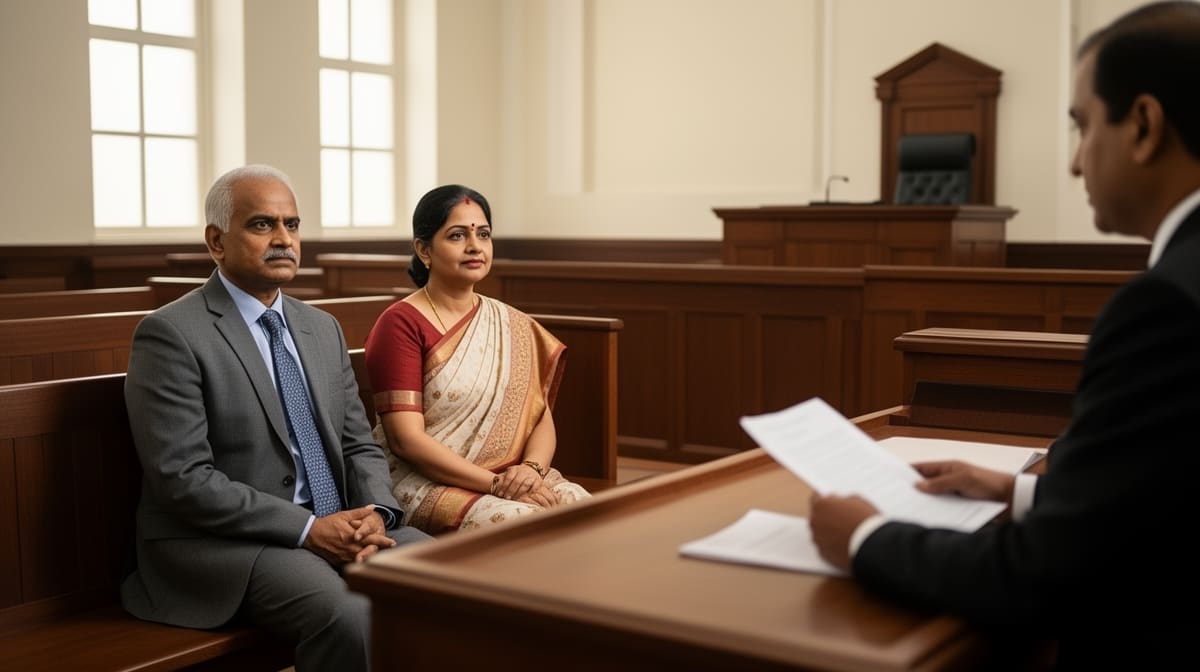
The Delhi High Court has clarified that compelling senior public officials to appear personally in petty municipal nuisance cases, where lower-ranking officers are already present and legal representation is available, is legally untenable and violates principles of proportionality and administrative efficiency.
Background & Facts
The Dispute
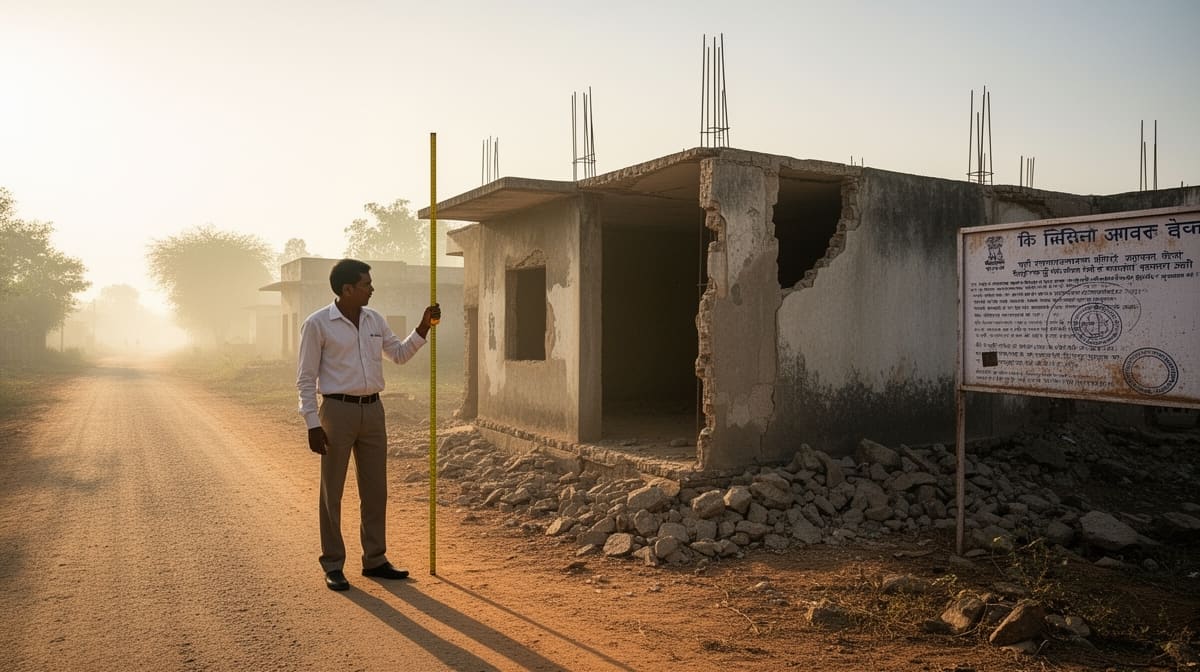
The Municipal Corporation of Delhi (MCD) filed a challan against Mr. Dinesh Kumar, Senior Engineer of Northern Railways, for alleged violations of Sections 357 and 397 of the Delhi Municipal Corporation Act, 1957, relating to accumulation of waste and unsanitary conditions on railway premises. The challan did not name any higher official as the accused. Despite repeated appearances by multiple railway officers in similar proceedings, the Special Judicial Magistrate unexpectedly directed the Deputy Railway Manager (DRM) - a senior administrative head - to appear personally to "finally resolve" the matter. When the DRM sought permanent exemption from personal attendance, the request was rejected.
Procedural History
- Prior to 2026: Multiple railway officers had appeared before the same court in similar nuisance cases without issue.
- February 2026: Special Judicial Magistrate issued summons under Section 61 Cr.P.C. directing the DRM to appear personally.
- February 2026: DRM filed an application for exemption, which was dismissed.
- February 2026: Northern Railways filed a criminal miscellaneous petition before the Delhi High Court seeking quashing of the summons.
Relief Sought
The petitioner sought quashing of the summons issued to the DRM, arguing that his personal appearance was neither legally required nor proportionate to the nature of the offence, which carries a maximum penalty of Rs. 50 plus daily fines.
The Legal Issue
The central question was whether Section 61 of the Code of Criminal Procedure permits a Magistrate to issue a summons for personal appearance to a senior official who is not named as an accused in the challan, when lower-level officers are already appearing and legal representation is available.
Arguments Presented
For the Petitioner
The petitioner argued that the DRM was not named as an accused in the challan and therefore could not be summoned under Section 61 Cr.P.C., which applies only to persons accused of an offence. The petitioner relied on the principle of proportionality and cited State of Haryana v. Bhajan Lal to argue that summoning senior officials for trivial matters amounts to abuse of process. It was submitted that railway counsel could adequately represent the department and produce documents, rendering personal attendance unnecessary.
For the Respondent
The MCD contended that the presence of the DRM was necessary to ensure accountability and to facilitate a conclusive resolution. It argued that senior officials hold ultimate responsibility for municipal compliance on railway land and that their absence could lead to non-cooperation or delay. However, no specific legal provision was cited to justify the summons.
The Court's Analysis
The Court examined the nature of the offence, the statutory penalty, and the procedural framework under Section 61 Cr.P.C. It noted that the challan named only Mr. Dinesh Kumar, a subordinate officer, as the alleged offender. The DRM was not even mentioned in the complaint. The Court held that Section 61 Cr.P.C. is strictly limited to summoning persons accused of an offence, and cannot be stretched to compel attendance of officials merely because of their rank.
"The issuance of summons under Section 61 Cr.P.C. against a person not named as an accused is per se illegal and not permissible in the eyes of law."
The Court further emphasized that the penalty under the Municipal Act is minimal - Rs. 50 plus daily fines - and the matter pertains to routine sanitation, not grave criminal misconduct. Requiring the DRM’s personal attendance was disproportionate and contrary to the spirit of Article 14 and Article 21, which protect against arbitrary state action. The Court also noted that multiple railway officers had already appeared, and legal representation was available, making personal attendance redundant.
The Verdict
The petitioner succeeded. The Delhi High Court held that Section 61 Cr.P.C. cannot be invoked to summon a senior official who is not named as an accused, and that personal appearance in such petty matters is legally unjustified. The Court quashed the summons to the DRM and exempted him from personal attendance, while directing his counsel to represent him and cooperate fully with the Magistrate.
What This Means For Similar Cases
Personal Appearance Cannot Be Demanded by Default
- Practitioners must challenge summonses issued to senior officials who are not named as accused in the challan.
- Courts must apply the principle of proportionality: the seriousness of the offence must match the burden imposed on the official.
- Legal representation and submission of documents are sufficient unless the accused is specifically identified.
Section 61 Cr.P.C. Is Not a General Summoning Tool
- Section 61 Cr.P.C. applies only to persons formally accused of an offence.
- Summoning officials under this provision based on hierarchy or administrative convenience is legally invalid.
- Magistrates must verify the accused’s identity in the challan before issuing summons.
Administrative Efficiency Overrides Symbolic Accountability
- Public bodies should not be forced to deploy senior officers for minor regulatory violations.
- Courts must discourage ritualistic appearances that disrupt public service without enhancing justice.
- Departments may designate authorized counsel to represent them in such matters without compromising accountability.