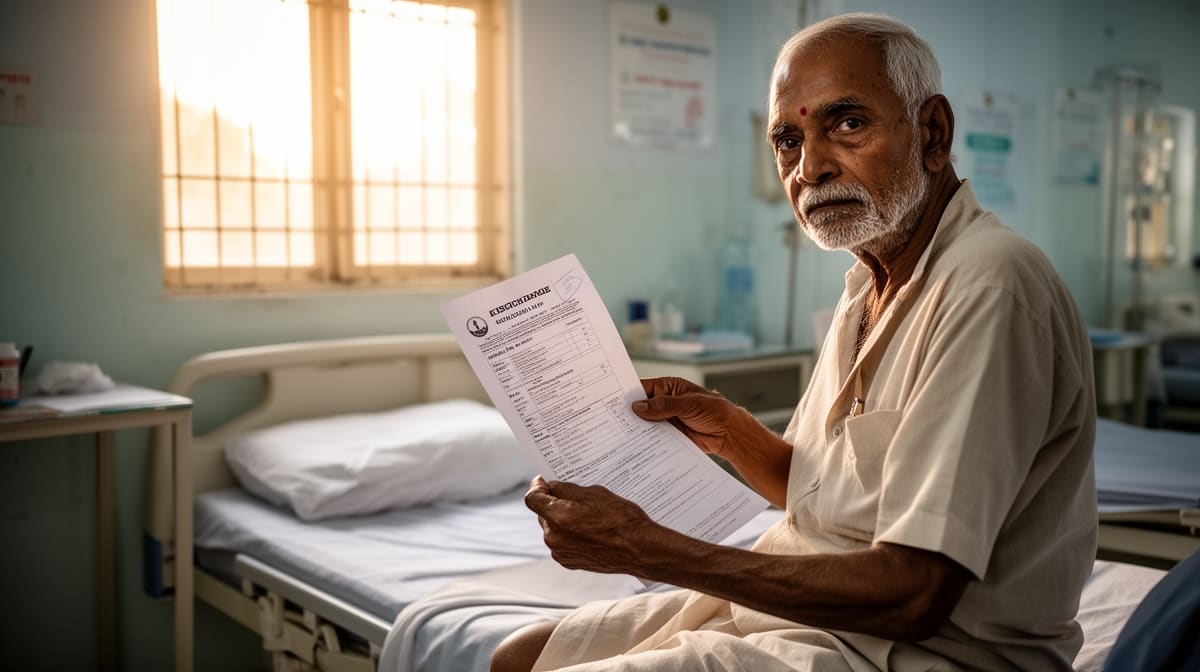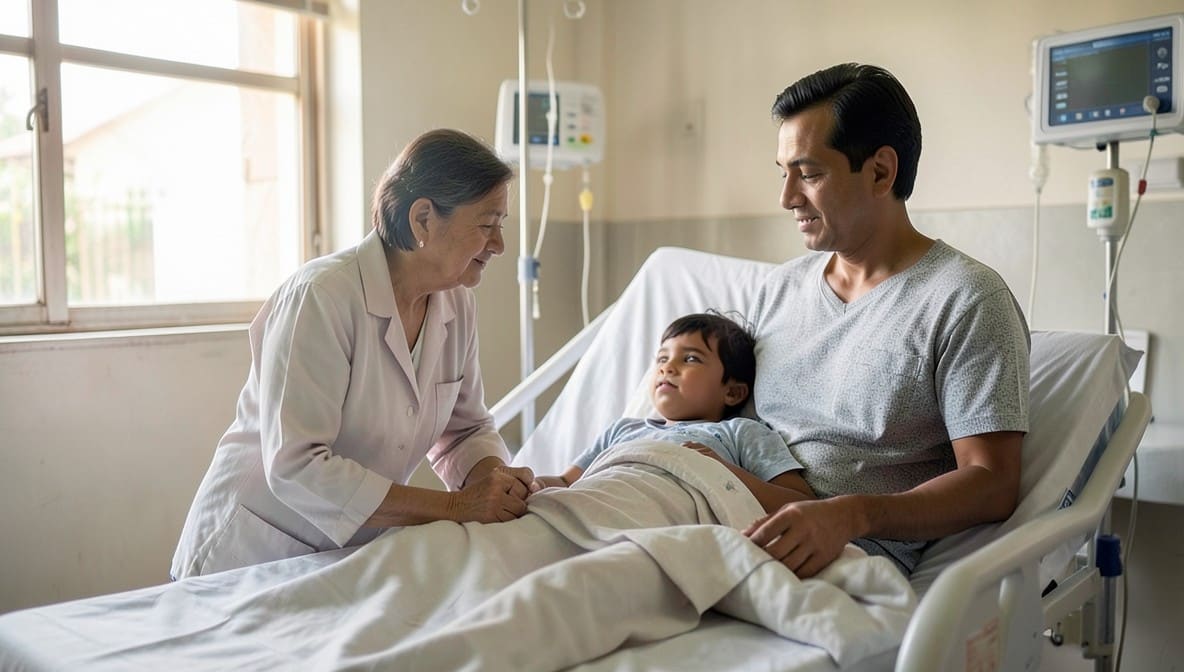
The Chhattisgarh High Court has significantly clarified the methodology for quantifying non-pecuniary and future losses in motor accident claims, reinforcing that compensation must reflect the full extent of physical and financial impact on the victim. This judgment provides critical guidance on the inclusion of future medical expenses and the realistic assessment of pain and suffering, moving beyond mechanical application of precedent.
Background & Facts
The Dispute
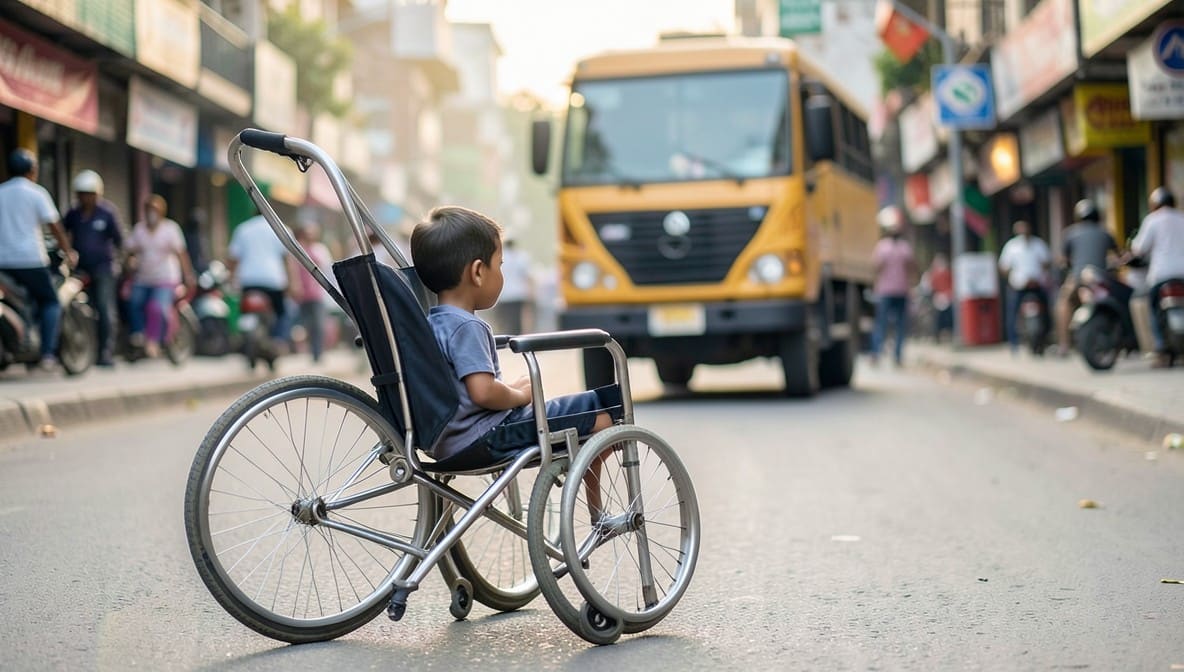
The appellant, Deep Agrawal, a minor aged eight years at the time of the incident, sustained serious injuries in a motor vehicle accident on 01.03.2017 in Korba, Chhattisgarh. The accident involved a vehicle driven by the first respondent, Vishal Agrawal, who was also the owner. The second respondent, ICICI Lombard General Insurance Company Limited, was the insurer of the vehicle. The claimant filed a claim petition before the Motor Accident Claims Tribunal, Korba, seeking compensation for medical expenses, loss of income, pain and suffering, and future needs.
Key Facts
- The accident occurred on 01.03.2017 at Korba, Chhattisgarh
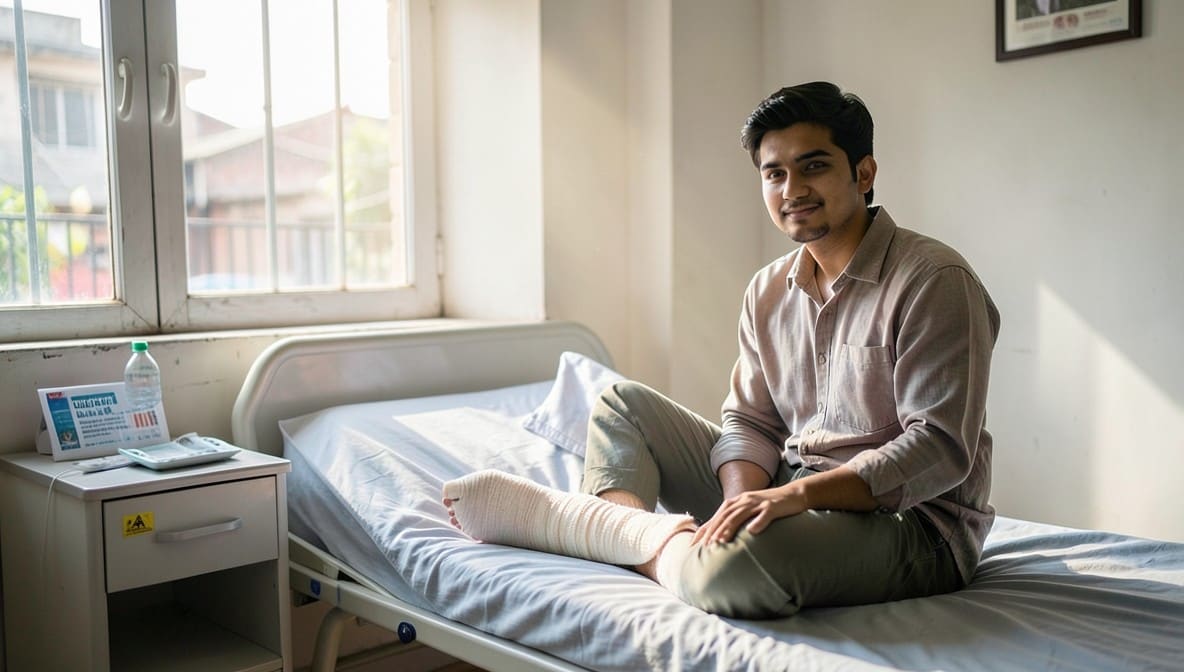
- The appellant suffered multiple fractures and required prolonged hospitalization
- Medical treatment was rendered at private hospitals, with documented expenses totaling Rs. 3,60,000/-
- The claimant was under continuous medical supervision for six months post-accident
- The treating physicians recommended ongoing physiotherapy and potential future surgical interventions
- The claimant, being a minor, had no income at the time of the accident
- The claim petition was filed on 15.04.2017 before the Claims Tribunal
Procedural History
- 01.03.2017: Motor accident occurred
- 15.04.2017: Claim petition filed before Motor Accident Claims Tribunal, Korba (Claim Case No. 48/2017)
- 28.01.2019: Claims Tribunal awarded compensation of Rs. 4,74,000/-
- 20.03.2019: Appeal filed before the High Court under Section 173 of the Motor Vehicles Act, 1988 (MAC No. 633 of 2019)
- 04.05.2026: Judgment delivered by the Single Bench of the Chhattisgarh High Court
Relief Sought
The appellant sought enhancement of compensation to include:
- Full reimbursement of medical expenses
- Compensation for loss of future earning capacity
- Adequate amount for pain and suffering
- Provision for future medical treatment
- Interest on the entire award from the date of filing
The Legal Issue
The central question was whether the Motor Accident Claims Tribunal erred in failing to award compensation for future medical expenses and underestimating pain and suffering, and whether the High Court has the authority to recompute compensation de novo under Section 173 of the Motor Vehicles Act, 1988.
Arguments Presented
For the Appellant
Mr. P. Acharya, Advocate, contended that the Tribunal’s award was inadequate and failed to account for the long-term medical needs of a minor who suffered severe trauma. He submitted that the Rs. 3,60,000/- awarded for past medical expenses was justified, but the Tribunal ignored medical reports indicating the necessity of future physiotherapy, potential surgeries, and lifelong monitoring. He relied on National Insurance Co. Ltd. v. Pranay Sethi to argue that future medical expenses must be awarded based on expert medical opinion, not arbitrary discretion. He further submitted that Rs. 40,000/- for pain and suffering was grossly inadequate for a child who endured prolonged hospitalization and physical disability.
For the Respondent
Mr. Saurabh Gupta, Advocate for ICICI Lombard, argued that the Tribunal’s award was within the bounds of judicial discretion and consistent with prevailing norms. He contended that future medical expenses were speculative in the absence of a concrete treatment plan and that the amount awarded for pain and suffering was in line with similar cases. He emphasized that the claimant was a minor with no income, so loss of income was not applicable, and the Tribunal had correctly excluded it.
The Court's Analysis
The Court observed that while the Tribunal had correctly awarded Rs. 3,60,000/- for past medical expenses, it had failed to consider the medical evidence indicating the necessity of future treatment. The Court noted that the appellant, being a child, would require ongoing physiotherapy, periodic evaluations, and possible surgical interventions over the next several years. The Court held that the principle of full compensation under the Motor Vehicles Act requires the tribunal to anticipate and provide for reasonably foreseeable future medical needs.
"The claimant, being a minor, is not in a position to articulate his future medical needs, and it is the duty of the adjudicating authority to rely on the medical evidence placed on record and make a realistic projection."
The Court further held that the Tribunal’s award of Rs. 40,000/- for pain and suffering was manifestly inadequate. It cited Kishan Singh v. State of Punjab to affirm that pain and suffering must be assessed not merely by the duration of hospitalization but by the nature of injuries, the age of the victim, and the psychological trauma inflicted. For a child subjected to multiple fractures and prolonged confinement, Rs. 50,000/- was deemed a just and reasonable sum.
The Court also rejected the insurer’s argument that future medical expenses were speculative. It held that where medical reports clearly indicate the need for follow-up care, and the cost of such care is reasonably ascertainable, such expenses must be included. The Court accepted the estimate of Rs. 1,00,000/- for future medical expenses as conservative and supported by the treating physician’s affidavit.
The Court emphasized that under Section 173, it has the power to recompute compensation de novo, and is not bound by the Tribunal’s findings if they are demonstrably inadequate or contrary to evidence.
The Verdict
The appeal was partly allowed. The Chhattisgarh High Court enhanced the compensation from Rs. 4,74,000/- to Rs. 6,27,560/-. The additional amount of Rs. 1,53,560/- is to be paid by the respondents within 45 days. The enhanced compensation includes Rs. 1,00,000/- for future medical expenses and Rs. 50,000/- for pain and suffering. The additional amount shall carry interest at 7% per annum from the date of filing of the claim application before the Tribunal until realization. All other terms of the original award remain unchanged.
What This Means For Similar Cases
Future Medical Expenses Must Be Projected Based on Medical Evidence
- Practitioners must ensure medical reports explicitly state the nature, frequency, and estimated cost of future treatment
- Even in minor claimants, speculative future needs are compensable if supported by expert opinion
- Arbitrary exclusion of future medical costs without reasoning is now legally untenable
Pain and Suffering Requires Age-Sensitive Assessment
- Compensation for pain and suffering must be calibrated to the victim’s age, vulnerability, and psychological impact
- A child’s trauma cannot be measured by adult standards; courts must account for developmental disruption
- Awards below Rs. 50,000/- for severe injuries in minors are likely to be set aside
High Courts Can Recompute Compensation De Novo
- Section 173 empowers High Courts to reassess compensation independently, not merely to confirm or reduce
- Mechanical adherence to Tribunal awards is no longer permissible where evidence clearly supports higher quantum
- This judgment reinforces the High Court’s role as a corrective forum for manifest injustice in accident claims