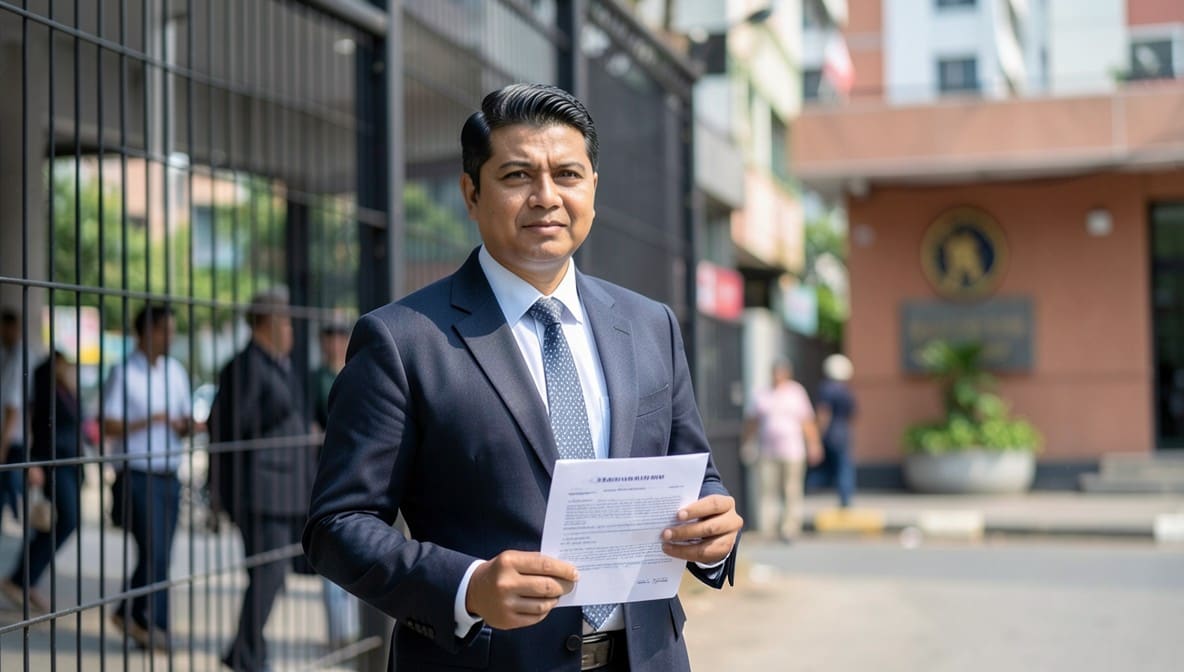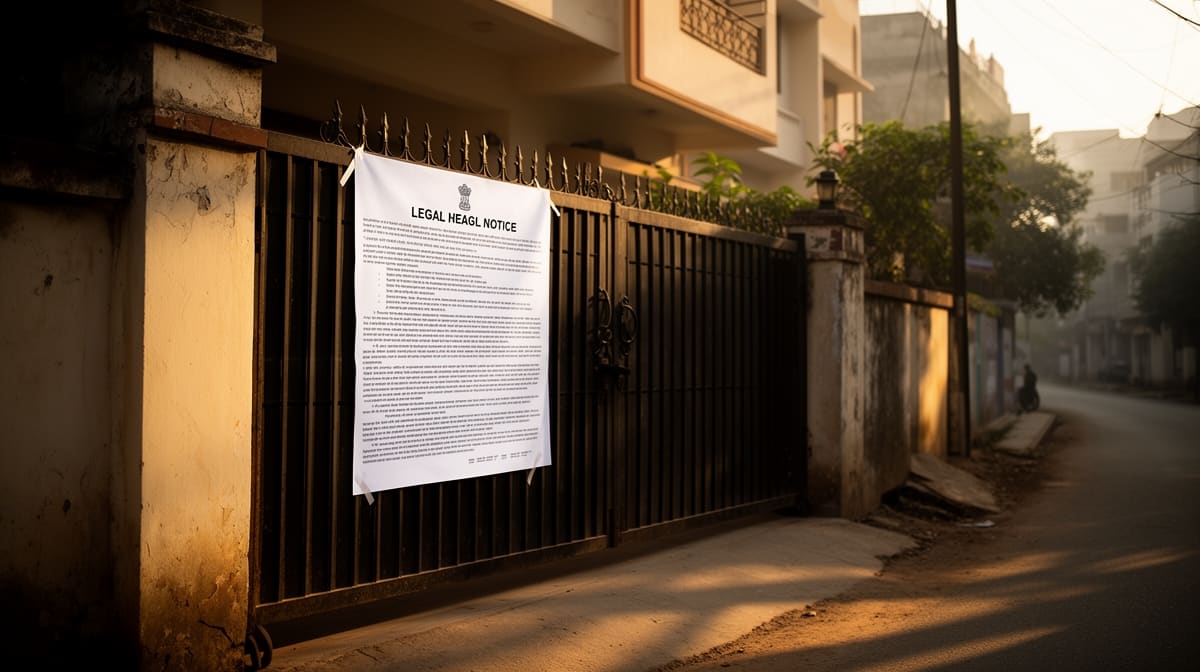
The Bombay High Court has issued a stern rebuke to the Debt Recovery Tribunal at Nagpur for systematically delaying adjudication of interim applications while proceeding with coercive recovery actions, thereby violating fundamental principles of natural justice. This judgment underscores the judiciary’s non-negotiable duty to ensure procedural fairness even in specialized tribunals.
Background & Facts
The Dispute
Multiple petitioners - Gajanan Burghate, Arvind Shankarsa Chikar, and Rajan Khushalrao Bokde - challenged the Debt Recovery Tribunal’s practice of initiating auction and possession proceedings against borrowers without first deciding pending applications for stay or interim relief. These actions were taken despite clear statutory obligations under the Recovery of Debts Due to Banks and Financial Institutions Act, 1993, to afford parties a fair hearing before enforcement.
Procedural History
- 2025 - 2026: Multiple writ petitions filed before the Bombay High Court, Nagpur Bench, challenging identical conduct by the same Presiding Officer.
- Repeated non-compliance: Despite prior directions from the Court to decide applications within stipulated timelines, the Tribunal continued to proceed with auctions.
- Contempt notice issued: The Court had previously issued a contempt notice to the Presiding Officer, yet no corrective action followed.
- Unacceptable justification: The Presiding Officer claimed that pending writ petitions absolved him of the obligation to comply with High Court orders.
Relief Sought
The petitioners sought immediate stay on all coercive recovery actions, a direction to the Tribunal to decide pending applications within seven days, and accountability measures against the Presiding Officer for gross dereliction of judicial duty.
The Legal Issue
The central question was whether the Debt Recovery Tribunal can lawfully proceed with auction or possession of secured assets before deciding pending applications for interim relief, thereby denying parties the right to be heard under Article 14 and Article 21 of the Constitution and the doctrine of audi alteram partem.
Arguments Presented
For the Petitioner
Petitioners relied on State of Haryana v. Bhagwan Das and K.S. Puttaswamy v. Union of India to argue that procedural fairness is non-negotiable, even in specialized tribunals. They emphasized that Section 19 of the RDDBFI Act mandates a fair hearing before any coercive action. The failure to decide stay applications before auction rendered the entire process arbitrary and violative of natural justice.
For the Respondent
The Respondent, through the Deputy Solicitor General, conceded the factual allegations but offered no legal justification for the delay. The Presiding Officer’s explanation - that pending writ petitions suspended the obligation to comply with court orders - was acknowledged as legally untenable and constitutionally indefensible.
The Court's Analysis
The Court held that the Tribunal’s conduct amounted to a gross violation of the principles of natural justice. It observed that the right to be heard precedes any deprivation of property, regardless of the nature of the forum. The Court rejected the Presiding Officer’s claim that pending writ petitions excused non-compliance with its prior orders, stating:
"A judicial officer cannot invoke the pendency of a writ petition as a shield to evade compliance with directions issued by this Court. Such an assertion not only undermines judicial authority but also perverts the very purpose of the RDDBFI Act, which is to ensure expeditious yet fair recovery."
The Court further noted that delay in deciding interim applications is not mere procedural lapse - it is substantive injustice. The Tribunal’s role is not to act as an enforcement arm of banks but to serve as an impartial adjudicator. By prioritizing recovery over hearing, the Tribunal transformed itself into an instrument of coercion, contrary to its statutory mandate.
The Verdict
The petitioners succeeded. The Court held that any recovery action taken without deciding pending applications for stay or interim relief is void ab initio. It directed the Tribunal to decide all pending applications within seven days and ordered the Registrar to place on record all correspondence sent to the Department of Financial Services regarding the Presiding Officer’s conduct.
What This Means For Similar Cases
Procedural Compliance Is Non-Negotiable
- Practitioners must now raise violation of audi alteram partem as a standalone ground for challenging recovery actions.
- Any auction or possession initiated before adjudication of interim applications is liable to be set aside, even if the underlying debt is undisputed.
Judicial Accountability Applies to Tribunals Too
- Tribunals are not immune from judicial oversight. This judgment reinforces that even specialized forums must adhere to constitutional norms.
- Courts may now initiate contempt proceedings more readily against tribunal officers who flout directions.
Interim Relief Is Not Discretionary - It Is Mandatory
- Applications for stay under Section 19(3) of the RDDBFI Act must be decided before any coercive step.
- Delay in deciding such applications cannot be justified on grounds of workload or pendency of writs.
- Practitioners should file applications for directions to decide pending matters within 7 days as a routine safeguard.