The Chhattisgarh High Court has reaffirmed that the cancellation of a Patta - especially after decades of continuous possession - cannot be upheld without adherence to natural justice and proper evidentiary scrutiny. This judgment underscores the duty of revenue authorities to examine historical records and afford fair hearing before extinguishing land rights, particularly for marginalized rural claimants.
Background & Facts
The Dispute
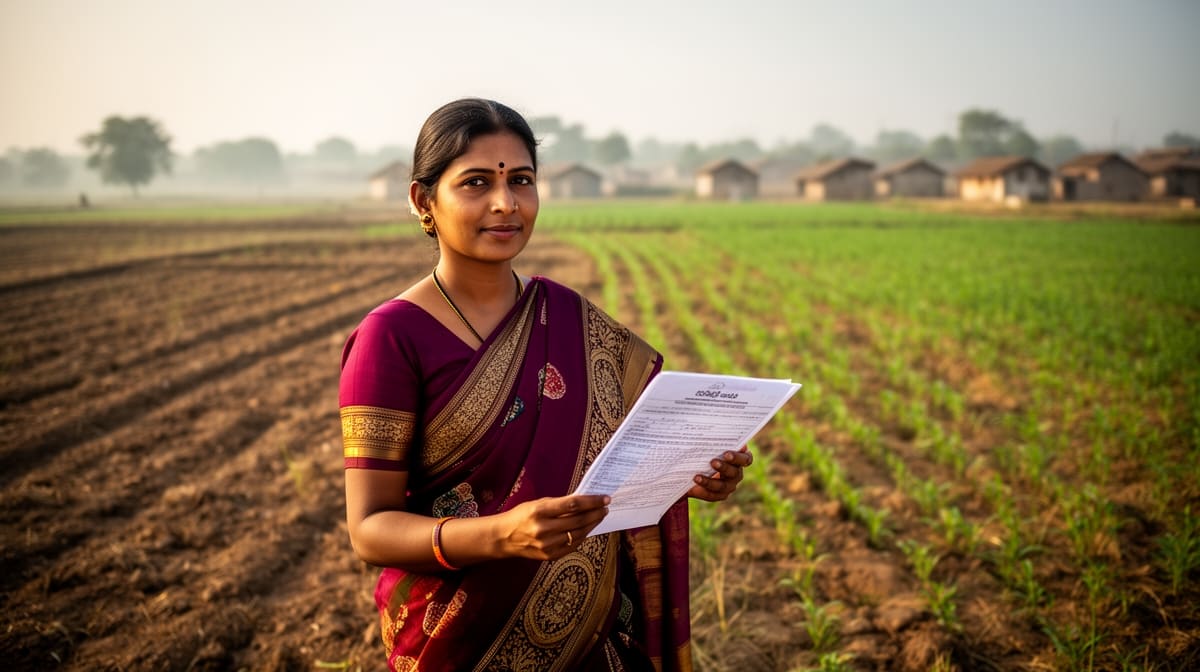
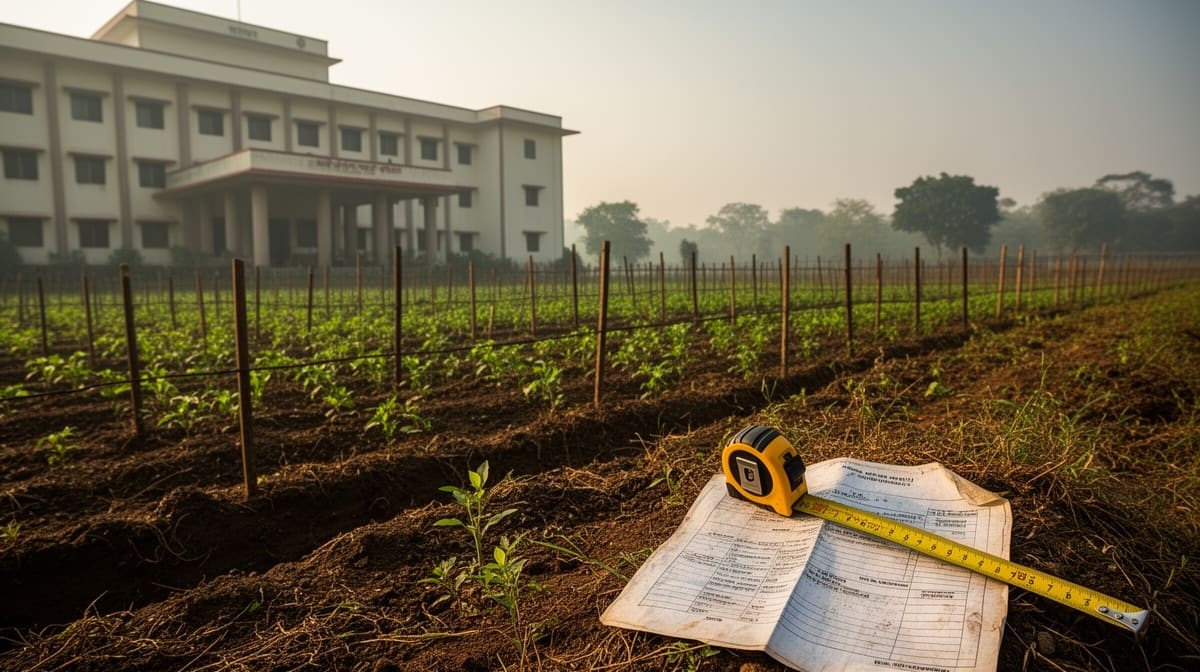
The petitioners, descendants of villagers in Gram Dhanora, District Durg, Chhattisgarh, claim ancestral rights over agricultural land bearing Khasra Nos. 1035, 1085, 1086, 1087, 1088, 1089, 1090, 1091, 1092, 1093, 1096, 1097, 1098, 1099, and 1008, totaling 8.02 hectares. Their ancestors were granted Patta in Form E in 1976-77 under Revenue Case No. 399/A-74/1975-76. Since then, the petitioners and their predecessors have cultivated and possessed the land continuously for over 50 years.
In 2021-22, the Chhattisgarh Housing Board applied for allotment of this land for the development of ‘Rajiv Nagar Awas’. The Collector, Durg, initiated Revenue Case No. 202209101400183/B-121/2021-22 to determine land ownership. The petitioners objected, asserting that their names were historically recorded in revenue records and that their possession was uninterrupted. They sought regularization of their rights and issuance of fresh Patta.
Key Facts
- Patta was granted to petitioners’ ancestors in 1976-77 under Revenue Case No. 399/A-74/1975-76
- Patta was cancelled vide Order dated 09.05.1979 by Sub-Divisional Officer (SDO), Durg, in Revenue Case No. 1020/A-19/1978-79
- After cancellation, the land was recorded as ‘grass land’ in revenue records
- The petitioners never challenged the 1979 cancellation order
- The petitioners have cultivated the land continuously since 1976-77 without interruption
- The Chhattisgarh Housing Board’s proposal affects land in actual possession of petitioners
- No evidence was produced to show that the 1979 cancellation followed due process or hearing
- The Collector’s order dated 01.12.2025 rejected petitioners’ claim without addressing the legality of the 1979 cancellation
Procedural History
- 09.05.1979: Sub-Divisional Officer cancelled Patta in Revenue Case No. 1020/A-19/1978-79
- 01.12.2025: Collector, Durg, passed order rejecting petitioners’ claim for Patta regularization in Revenue Case No. 202209101400183/B-121/2021-22
- 2026: Petitioners filed Appeal No. 101/B-121/2025-26 (E-Court: 202601980100009) before Commissioner, Durg Division, seeking to set aside the Collector’s order
- 2026: Simultaneously, petitioners filed an application for interim stay of the Collector’s order
- 15.01.2026: Commissioner rejected the stay application without reasons (impugned order)
- 23.03.2026: Writ Petition No. 1263 of 2026 filed before Chhattisgarh High Court
The Parties' Positions
Petitioners: Argued that they have been in continuous, open, and peaceful possession for over 50 years; that the 1979 cancellation order was never communicated to them or challenged due to illiteracy and poverty; that the Collector and Commissioner failed to examine the legality of the cancellation or apply a liberal interpretation to protect long-standing possessory rights.
Respondents (State): Contended that the 1979 cancellation order was final and unchallenged; that the land has been recorded as ‘grass land’ since then; that petitioners have no legal title and cannot claim Patta without first invalidating the 1979 order.
Relief Sought
The petitioners sought:
- Stay of the Collector’s order dated 01.12.2025
- Direction to the Commissioner to decide the appeal expeditiously
- Recognition of their possessory rights based on long-term cultivation
The Legal Issue
The central question was whether a revenue authority may reject a claim for Patta regularization based solely on a decades-old cancellation order, without examining whether that cancellation was procedurally valid, whether the claimants were afforded due process, and whether their long-term possession warrants a liberal interpretation under land reform principles.
Arguments Presented
For the Petitioner
Learned counsel argued that the 1979 cancellation order was never served or communicated to the petitioners or their ancestors, violating principles of natural justice. He cited State of U.P. v. Mohd. Noor and K. S. Puttaswamy v. Union of India to emphasize that possession coupled with long-term cultivation creates a legitimate expectation, especially for marginalized communities. He contended that revenue authorities must adopt a liberal, welfare-oriented approach when adjudicating claims of landless villagers with decades of possession, and that the Collector’s order was non-speaking and arbitrary.
For the Respondent/State
The State contended that the 1979 cancellation order was final and binding, having remained unchallenged for over 45 years. It argued that the petitioners cannot now seek to revive rights extinguished by a valid administrative order. The State further submitted that the Commissioner was justified in rejecting the stay application as the petitioners had no prima facie title and that the Housing Board’s project served public interest.
The Court's Analysis
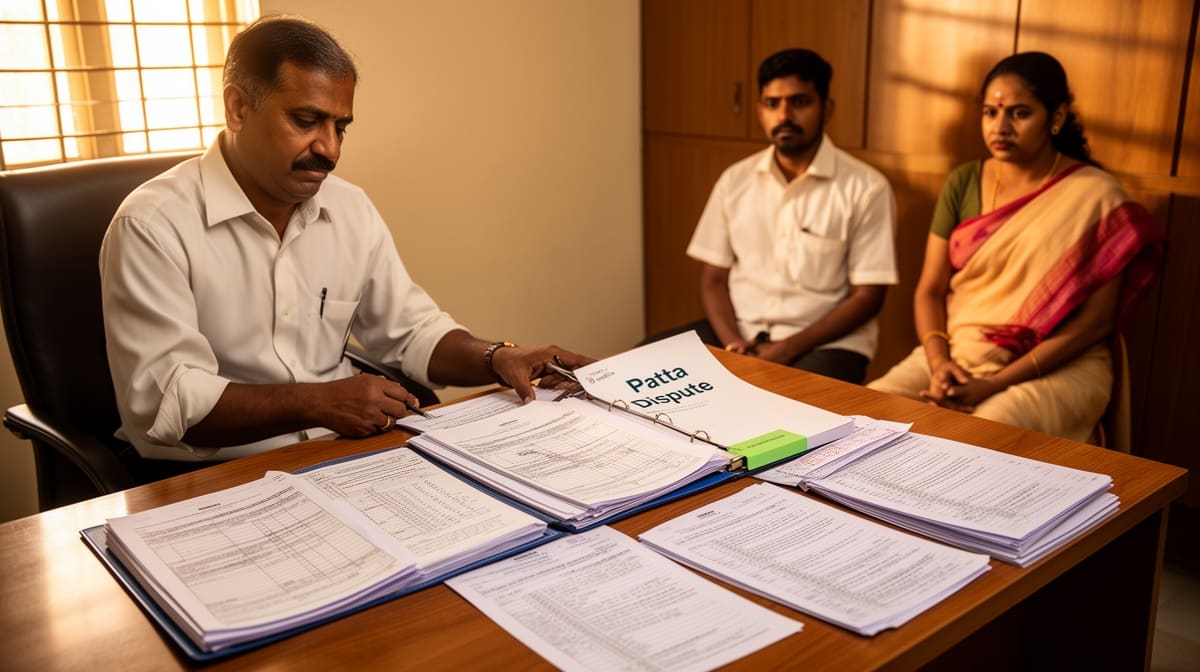
The Court conducted a meticulous review of the revenue records and found that the Collector’s order dated 01.12.2025 failed to address the legality of the 1979 cancellation. The Court observed that no evidence was produced to show that the petitioners or their ancestors were given notice or opportunity of hearing prior to the cancellation of Patta in 1979. The Court emphasized that the mere fact that a Patta was cancelled does not extinguish possessory rights if the cancellation itself was procedurally flawed.
"The Collector has not observed anything in the order dated 01.12.2025 as to how Patta granted in favour of the ancestors of the petitioners, was cancelled and whether it was cancelled after providing due opportunity of hearing to them in accordance with law and further what was the justification for cancellation of Patta granted in favour of the ancestors of the petitioners."
The Court further noted that the petitioners, being poor villagers, had cultivated the land for over five decades without dispute. The Court held that in such cases, revenue authorities are obligated to adopt a liberal, equitable approach, particularly where the land is not being used for any public purpose other than housing development. The Commissioner’s order rejecting the stay application was described as non-speaking and mechanically adopted the State’s position without independent reasoning.
The Court concluded that the rejection of the stay application was unsustainable in law. The absence of procedural fairness in the 1979 cancellation, combined with the petitioners’ long and uninterrupted possession, created a strong prima facie case warranting interim protection.
The Verdict
The petition succeeded. The Court set aside the Commissioner’s order dated 15.01.2026 to the extent it rejected the application for interim stay. The effect and operation of the Collector’s order dated 01.12.2025 are stayed until final disposal of the appeal pending before the Commissioner, Durg Division. The Commissioner is directed to decide the appeal within 90 days of receipt of a copy of this order, after affording a full opportunity of hearing to all parties. The Court clarified that this order expresses no opinion on the merits of the underlying claim.
What This Means For Similar Cases
Due Process Is Non-Negotiable in Patta Cancellations
- Practitioners must challenge any Patta cancellation order that lacks evidence of notice, hearing, or reasoned justification
- A cancellation order that is silent on procedural compliance is vulnerable to judicial review under Article 226
- Revenue authorities cannot rely on old, unchallenged orders if their legality is inherently suspect
Long Possession Triggers Equitable Relief
- Continuous cultivation for over 50 years creates a legitimate expectation, even without formal title
- Courts will apply a liberal, welfare-oriented interpretation in favor of landless rural claimants
- Possession, not merely recorded title, is a relevant factor in revenue adjudication
Non-Speaking Orders Are Invalid
- Administrative orders rejecting interim relief must contain reasoning
- Mechanical rejections without analysis violate principles of natural justice
- Courts will intervene where authorities fail to engage with substantive claims