The Chhattisgarh High Court has affirmed that a public commitment by the Chief Minister to regularize long-serving Panchayat Sachivs creates a legally enforceable right of legitimate expectation, binding the state to act within a reasonable time. This judgment reinforces the doctrine of promissory estoppel in administrative decision-making, offering critical recourse to public employees whose service has been prolonged without formalization.
Background & Facts
The Dispute
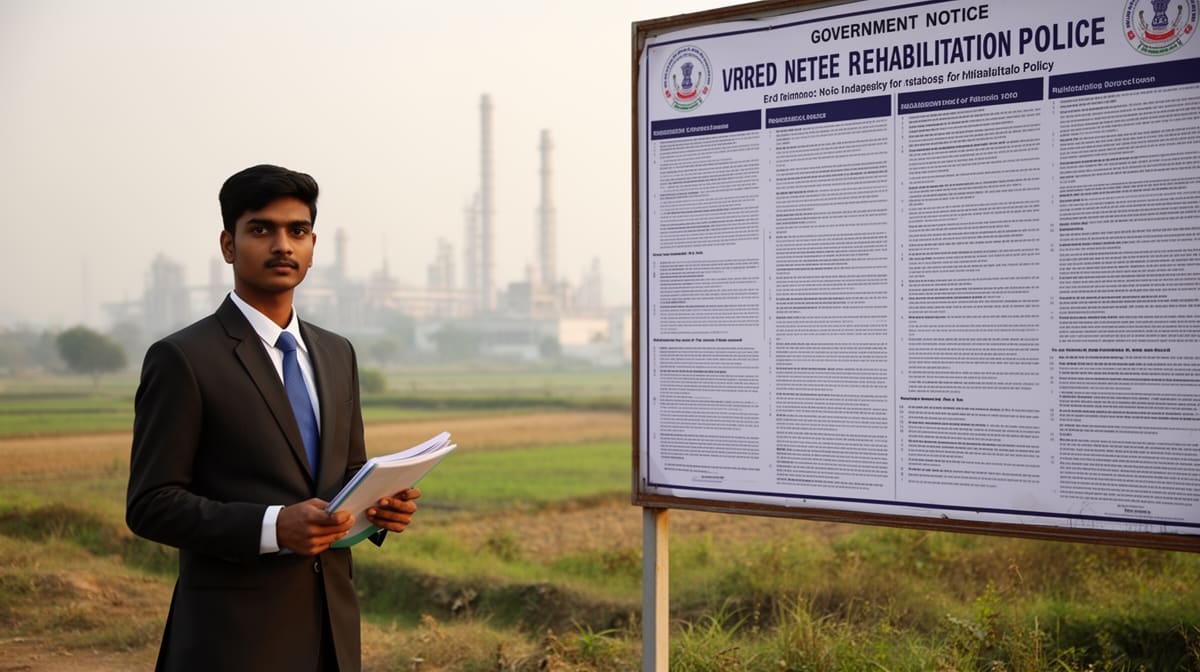
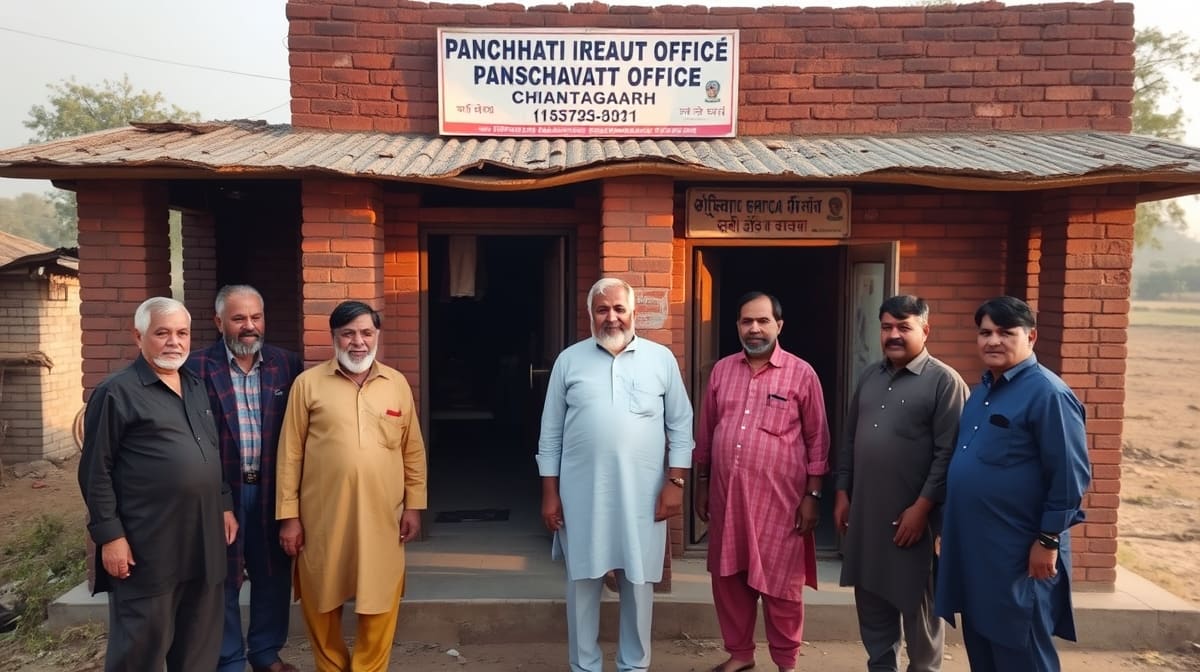
The petitioners, Jaidev Singh Thakur and Goverdhan Sinha, are Panchayat Sachivs (Secretaries) employed at the Gram Panchayat level under the territorial jurisdiction of Zila Panchayat, Bastar, Chhattisgarh. They have been functioning in these roles for over a decade, performing statutory duties under the general control of the State Government. Despite their continuous service and the long-standing demand for regularization of such positions, no formal process has been initiated to bring them into the state cadre.
Key Facts
- Both petitioners have been serving as Panchayat Sachivs since at least 2010, with no fixed tenure or contractual end date
- The State Government, recognizing the systemic issue, publicly acknowledged the legitimate expectations of Panchayat Sachivs through statements by the Chief Minister
- On 02.05.2022, the Chief Minister’s Secretariat issued a formal communication to the Chief Secretary and Secretary, Panchayat and Rural Development Department, directing the constitution of a committee to examine regularization and submit recommendations
- The communication emphasized time-bound action and mandated periodic updates to the Chief Minister’s Office
- Despite the lapse of over four years since the directive, no committee has been constituted, no recommendations have been formulated, and no decision has been rendered
- Petitioners relied on newspaper reports published online, which documented the Chief Minister’s public declaration, to substantiate the existence of the policy commitment
- No formal grievance redressal mechanism has been activated for petitioners despite repeated representations
Procedural History
- 02.05.2022: Chief Minister’s Secretariat issues directive to constitute committee and act on regularization of Panchayat Sachivs
- Between 2022 - 2026: No action taken by any respondent authority; no committee formed; no policy framework notified
- 2026: Petitioners file Writ Petition No. 4027 of 2026 before the High Court of Chhattisgarh seeking:
- Direction to constitute the committee within two months
- Direction to decide grievances within a time-bound manner
- Any other relief deemed fit, including costs
- 12.05.2026: Hearing conducted before Justice Bibhu Datta Guru
The Parties' Positions
Petitioners: Argued that the Chief Minister’s public declaration and the subsequent official communication created a binding legitimate expectation under administrative law. The state’s inaction, despite clear policy intent, violates principles of fairness, non-arbitrariness, and good governance under Article 14 of the Constitution. Reliance was placed on State of Haryana v. Bhagwan Das and Union of India v. Rameshwar Prasad to establish that public promises, when acted upon in reliance, cannot be withdrawn arbitrarily.
Respondents: Did not dispute the existence of the 02.05.2022 communication or the petitioners’ service. Instead, they conceded the need for action and undertook, during hearing, to decide the matter within 45 days.
Relief Sought
The petitioners sought:
- A direction to constitute the committee within two months
- A direction to decide their grievances within a time-bound manner
- Costs and any other relief deemed appropriate
The Legal Issue
The central question was whether a public commitment by the Chief Minister, followed by an official directive to implement it, creates a legally enforceable right of legitimate expectation and promissory estoppel against the State, even in the absence of a statutory or contractual obligation.
Arguments Presented
For the Petitioner
The petitioners relied on the doctrine of legitimate expectation as recognized in State of Haryana v. Bhagwan Das and Union of India v. Rameshwar Prasad. They argued that the Chief Minister’s public declaration, coupled with the formal communication dated 02.05.2022, constituted a clear, unambiguous promise made to a class of public employees who had relied on it by continuing service without seeking alternative employment. The state’s failure to constitute the committee or initiate any process for over four years amounted to a breach of trust and a violation of Article 14. The petitioners emphasized that policies must operate within a reasonable time frame, and deliberate inaction defeats the very purpose of the policy.
For the Respondent
The State did not contest the factual matrix or the existence of the 02.05.2022 communication. Counsel for the State undertook, during the hearing, that the competent authorities would decide the grievance of the petitioners by constituting the committee and passing appropriate orders within 45 days from the date of receipt of the order. This concession effectively abandoned any defense of non-action.
The Court's Analysis
The Court examined the nature of the Chief Minister’s declaration and the subsequent official communication. It noted that the State did not merely express an intention but issued a formal directive to its own secretariat to act. The Court held that such a commitment, made in the public domain and communicated internally to administrative machinery, cannot be treated as a mere political statement. It created a reasonable expectation in the minds of the petitioners, who had continued service in reliance on this assurance.
"The State cannot be permitted to make a public commitment, induce reliance by a class of employees, and then remain inert for years without any justification. Such inaction is not merely administrative delay - it is a violation of the principle of good governance and the rule of law."
The Court distinguished this from mere policy announcements lacking implementation directives. Here, the communication dated 02.05.2022 was not advisory but mandatory, addressed to senior officials with a clear mandate. The Court further observed that the doctrine of promissory estoppel applies even in the absence of a contract, where the State makes a promise intended to be acted upon and the beneficiary acts in reliance.
The Court rejected the notion that such matters are purely political or discretionary. It held that when a public authority makes a binding commitment, it becomes subject to judicial review under Article 226. The prolonged inaction, spanning over four years, was characterized as arbitrary and violative of Article 14.
The Verdict
The writ petition was disposed of with the direction that the respondent authorities shall constitute the committee and decide the grievance of the petitioners within 45 days from the date of receipt of this order. No costs were awarded as the State had conceded the need for action during hearing. The Court emphasized that any decision must be made strictly in accordance with law and the principles of natural justice.
What This Means For Similar Cases
Public Commitments Bind the State
- Practitioners can now invoke legitimate expectation and promissory estoppel against the State when a senior official makes a public, specific, and actionable commitment
- This applies even if no statutory right exists - reliance and inaction are sufficient to trigger judicial intervention
- The burden shifts to the State to justify delay or non-implementation
Time-Bound Implementation Is Non-Negotiable
- Policies announced with deadlines must be implemented within a reasonable period
- Delay beyond two years without justification invites writ jurisdiction
- Courts will not tolerate indefinite procrastination on matters affecting livelihoods
Administrative Silence Is Not an Option
- Failure to constitute a committee or initiate proceedings after a formal directive constitutes maladministration
- Petitioners in similar cases (e.g., contract teachers, Anganwadi workers, Panchayat Karmis) may now cite this judgment to seek time-bound redressal
- Any future inaction after such a direction may attract contempt proceedings