The Bombay High Court has clarified that a compromise recorded in a Lok Adalat under the Land Acquisition Act, which fails to explicitly determine the nature of land as irrigated or dry, does not conclusively settle the issue of compensation classification. This ruling affirms the state’s constitutional duty to provide just compensation and permits restoration of references for factual adjudication where material evidence suggests a discrepancy.
Background & Facts
The Dispute
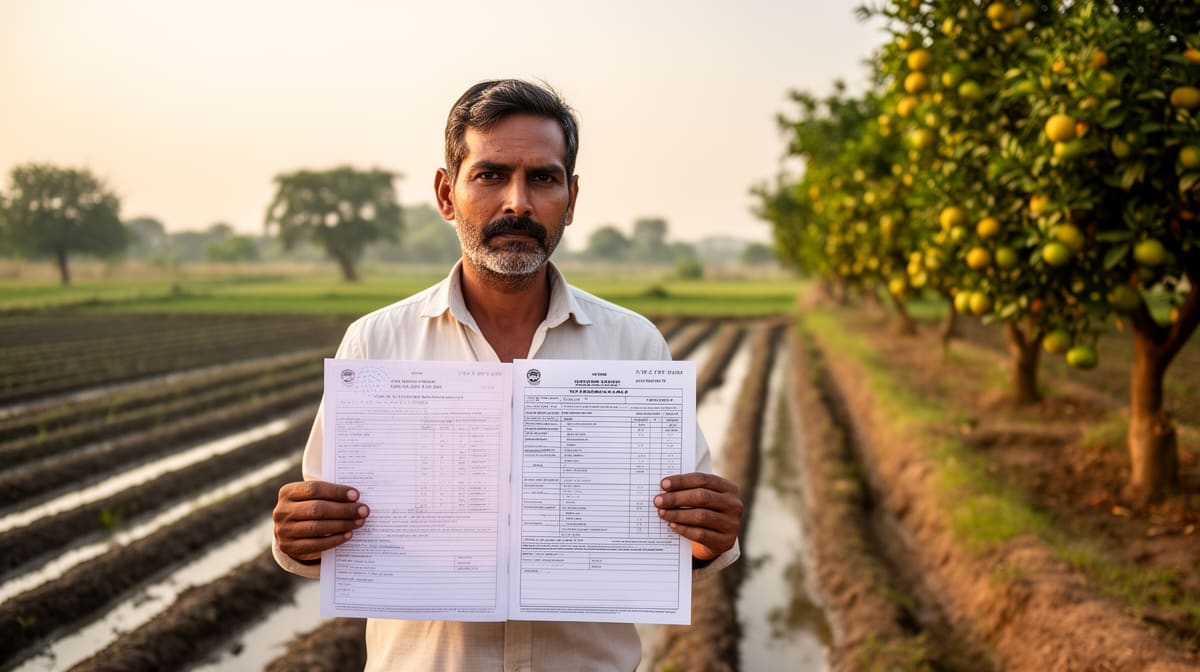
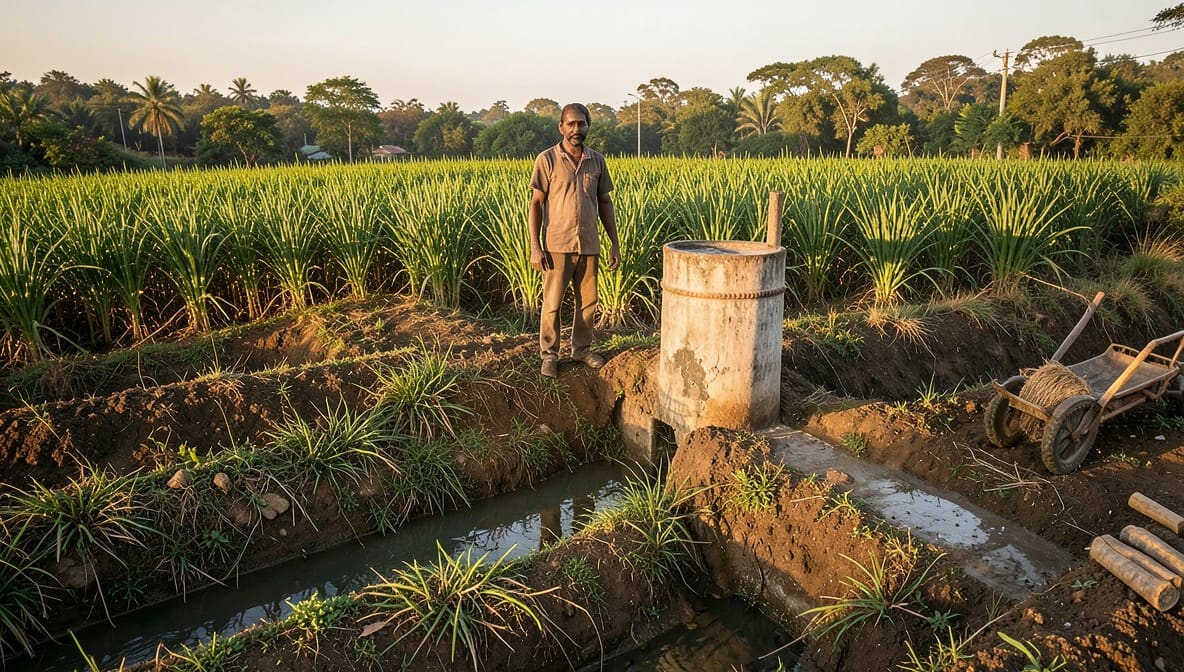
The petitioners, landowners in Village Sarve and Bhambre, Jalgaon district, challenged the refusal of the Special Land Acquisition Officer to pay compensation at the rate applicable to irrigated land for properties acquired in 1998 for a Minor Irrigation Project. The petitioners contended that their land, despite being classified as dry in the original award, was in fact irrigated, as evidenced by agricultural patterns and revenue records.
Key Facts
- The land acquisition notification was issued on 23.10.1999.
- The initial award by the Special Land Acquisition Officer was passed on 24.11.2002, classifying all land as dry (non-irrigated).
- The petitioners filed references under Section 18 of the Land Acquisition Act, 1894, seeking enhanced compensation on the ground that the land was irrigated.
- During the pendency of references, a compromise was recorded in the Maha-Lok Adalat on 16.09.2012.
- The compromise fixed two rates: Rs. 1,80,000 per hectare for dry land and Rs. 3,60,000 per hectare for irrigated land, but did not specify which category the petitioners’ land fell into.
- Compensation was deposited in 2016 at the dry land rate.
- On realizing the discrepancy, the petitioners made representations on 19.06.2016, which remained unaddressed.
- The impugned communication dated 11.10.2019 rejected the claim, citing absence of any reference to land type in the Lok Adalat compromise.
- Revenue records (7/12 extracts) submitted by the respondents themselves show cultivation of sugarcane, bajra, and jowar on the subject land.
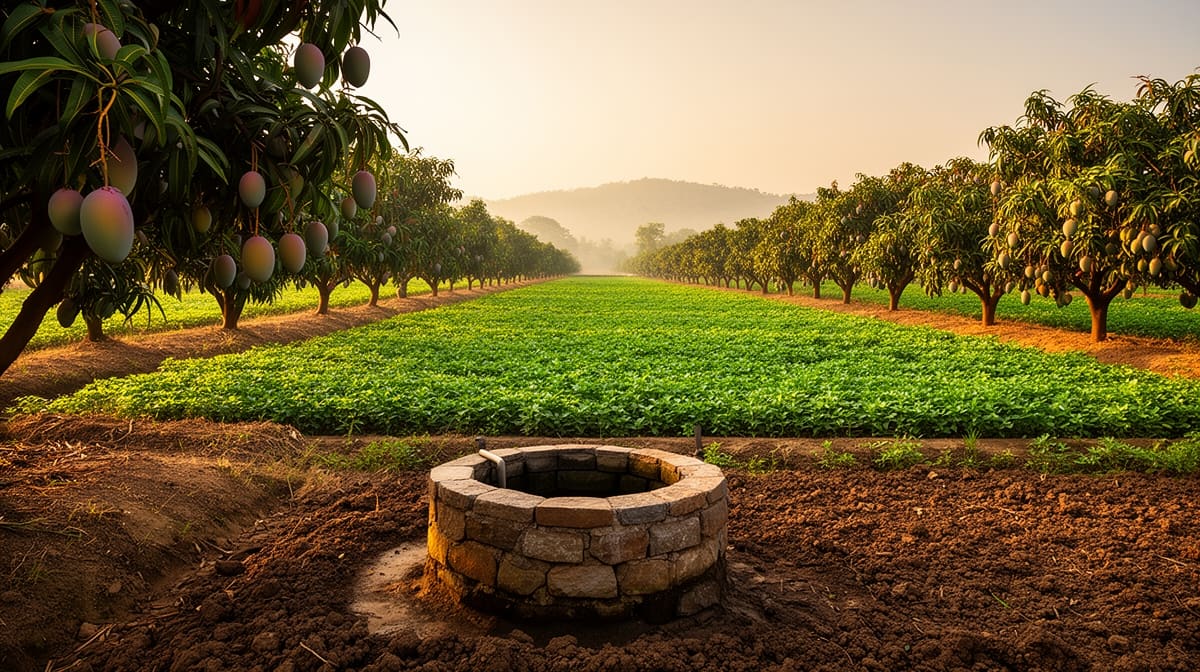
- Sugarcane cultivation requires assured irrigation, while bajra and jowar are rain-fed crops.
- In connected appeals before the Supreme Court (Civil Appeal Nos. 5475-5485/2007), the apex court held similar lands in the same region to be irrigated and awarded compensation at Rs. 6,00,000 per hectare.
Procedural History
- 23.10.1999: Notification issued under Section 4 of the Land Acquisition Act.
- 24.11.2002: Initial award passed by SLAO classifying land as dry.
- 2007: References filed under Section 18 before the Court of Chief Judicial Magistrate (CJSD), Jalgaon.
- 16.09.2012: Compromise recorded in Maha-Lok Adalat; rates fixed but land type not specified.
- 2016: Compensation deposited at dry land rate (Rs. 1,80,000/ha).
- 19.06.2016: Petitioners submitted representations seeking reclassification.
- 11.10.2019: SLAO issued refusal letter citing lack of clarity in compromise.
- 2016 & 2017: Writ Petitions Nos. 11469/2016 and 1255/2017 filed before Bombay High Court, Aurangabad Bench.
- 19.09.2018: Court directed SLAO to file affidavit.
- 02.12.2019: Court noted failure to decide 2016 representation.
The Parties' Positions
Petitioners: Argued that the land was irrigated based on crop patterns (sugarcane), presence of wells, and revenue records. Contended that the Lok Adalat compromise did not extinguish their right to have the nature of land adjudicated, especially since the state failed to clarify the classification during settlement. Relied on Supreme Court’s decision in Civil Appeal No. 5475/2007.
Respondents (State): Maintained that the compromise in Lok Adalat was final and binding under Section 21 of the Legal Services Authorities Act, 1987. Argued that the petitioners had ample opportunity to establish land type during reference proceedings and failed to do so. Asserted that the delay of five years in filing writ petitions amounted to laches and estoppel.
Relief Sought
The petitioners sought:
- Declaration that their land is irrigated.
- Payment of compensation at Rs. 3,60,000 per hectare instead of Rs. 1,80,000.
- Interest on the enhanced amount from the date of deposit (24.02.2016).
- Restoration of the reference proceedings for adjudication of land nature.
The Legal Issue
Can a compromise recorded in a Lok Adalat under the Land Acquisition Act, which does not explicitly determine whether the land is irrigated or dry, conclusively bar the landowner from seeking adjudication of the land’s nature, when there is credible evidence suggesting it is irrigated and the state has not affirmatively accepted the dry classification?
Arguments Presented
For the Petitioner
The petitioners argued that the Lok Adalat compromise only fixed two possible rates but did not adjudicate the nature of their land. They relied on the Supreme Court’s decision in Civil Appeal No. 5475/2007, which held similar lands in the same region as irrigated. They emphasized that the 7/12 extracts annexed by the respondents themselves showed sugarcane cultivation, which requires irrigation. They contended that Article 300-A of the Constitution imposes a non-negotiable duty on the state to pay just compensation, and that a compromise entered under pressure or without full understanding cannot override this constitutional right. They cited Order XXIII Rule 3 CPC, which requires a compromise to fully extinguish the lis, and argued that since the nature of land remained disputed, the compromise was incomplete.
For the Respondent
The State contended that the Lok Adalat award, being deemed a decree under Section 21 of the Legal Services Authorities Act, 1987, is final and binding. It argued that the petitioners had the opportunity to prove the land was irrigated during the reference proceedings and chose to compromise instead. The State relied on Employers in relation to Monaharbahal Colliery v. K.N. Mishra and Sumer Singh v. Shaukat Hussain, which uphold the binding nature of compromises signed by counsel. It further argued that the delay of over five years in challenging the compensation rate amounted to laches and that writ jurisdiction under Article 226 cannot be invoked to re-litigate factual disputes settled by compromise.
The Court's Analysis
The Court began by acknowledging the general principle that Lok Adalat awards are final and not subject to challenge by writ petition under Article 226. However, it emphasized that this finality cannot override the constitutional guarantee under Article 300-A, which mandates that no person shall be deprived of property save by authority of law and that compensation must be just and fair.
"It was necessary even for the authority/acquiring body to give a specific understanding to the petitioners that the nature of land was being considered as dry land and the compensation would be paid as such. No such idea appears to have been given."
The Court observed that the compromise in the Lok Adalat merely set two rates - one for dry land and one for irrigated land - but did not record which category applied to the petitioners’ land. This omission was critical. The Court held that under Order XXIII Rule 3 CPC, a compromise must fully extinguish the lis. Where a material dispute remains unresolved - such as the nature of land - the compromise cannot be treated as complete.
The Court further noted that the respondents themselves had submitted 7/12 extracts showing sugarcane cultivation, a crop that requires irrigation. This constituted prima facie evidence that the land might be irrigated. The Court also referenced the Supreme Court’s decision in Civil Appeal No. 5475/2007, which had recognized similar lands in the same region as irrigated, thereby lending credibility to the petitioners’ claim.
The Court rejected the State’s reliance on Employers in relation to Monaharbahal Colliery and Sumer Singh, distinguishing those cases as involving private disputes where parties had full agency. Here, the state, as a public authority, bore a heightened duty to ensure transparency and fairness. The Court held:
"A duty is cast upon the authority to compensate a person fully. Now, under the garb of compromise, no person is expected to compromise with his right, especially when such right is a constitutional right, in the present case arising out of Article 300-A of the Constitution of India."
The Court concluded that the compromise did not operate as a bar to adjudication of the land’s nature. It further held that the issue was one of fact, which could not be decided by the High Court in writ jurisdiction, but must be remanded to the Reference Court for determination.
The Verdict
The writ petitions were partly allowed. The Lok Adalat award dated 16.09.2012, in respect of Land Acquisition Reference Nos. 1204/2007 to 1213/2007 and 1552/2007, 1254/2007, 1257/2007, 1260/2007, 1263/2007, was restored. The Reference Court (CJSD, Jalgaon) was directed to decide the nature of the land - irrigated, non-irrigated, or semi-irrigated - within six months. If the land is found to be irrigated, the petitioners shall be entitled to interest on the enhanced compensation amount at the rate applicable under the Land Acquisition Act, calculated from 24.02.2016.
What This Means For Similar Cases
Compromise Must Explicitly Resolve Material Disputes
- Practitioners must ensure that any compromise in Lok Adalat or court proceedings explicitly records the classification of land as irrigated or dry when such classification affects compensation.
- A failure to specify the nature of land in the compromise does not extinguish the right to seek adjudication if credible evidence exists.
State’s Duty Under Article 300-A Is Non-Negotiable
- The state cannot rely on technicalities of compromise to avoid its constitutional obligation to pay just compensation.
- Courts must scrutinize compromises involving public authorities with heightened vigilance, especially where landowners are economically vulnerable.
Evidence of Irrigation Can Trigger Re-Adjudication
-
Crop patterns (e.g., sugarcane), presence of wells, and revenue records (7/12 extracts) are admissible and sufficient to raise a triable issue on land classification.
-
Even if a reference is compromised, petitioners may seek restoration if new or overlooked evidence emerges that challenges the initial classification.
-
Always request and examine 7/12 extracts and crop records in land acquisition cases.
-
Where compensation is paid at a lower rate, verify whether the nature of land was ever formally determined in the compromise.
-
File writ petitions under Article 226 if the state refuses to reclassify land despite credible evidence - the remedy is available where no other legal recourse exists.