Topic

Lok Adalat

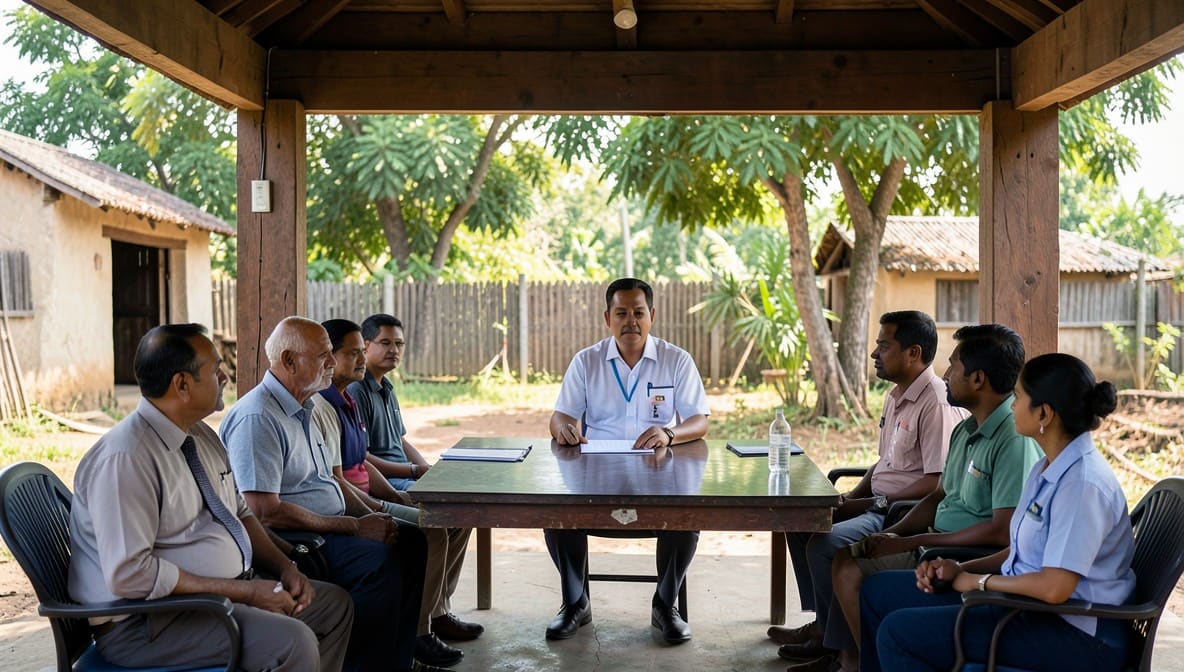
Lok Adalat is a statutory alternative dispute resolution mechanism under the Legal Services Authorities Act, 1987, where disputes are settled amicably by retired judges or legal experts without formal litigation.

19 articlesLatest September 2026
No Lok Adalat Award Without Actual Settlement | Trial Court May Recall Withdrawal Under Section 151 CPC If Settlement Fails : Karnataka HC
Case Law Analysis
|Karnataka High Court

No Lok Adalat Award Without Actual Settlement | Trial Court May Recall Withdrawal Under Section 151 CPC If Settlement Fails : Karnataka HC

The Karnataka HC held that a Lok Adalat cannot issue a hybrid award without an actual settlement and that the trial court may recall its withdrawal permission under Section 151 CPC if settlement fails, dismissing writ petitions challenging re-opening of suits. This clarifies Lok Adalat’s limits and lets parties re-open suits when settlement does not materialize.

Lok Adalat awards invalid without full claimant consent; must be referred to civil court under Sec 30 Land Acquisition Act, 1894 | Land acquisition dispute : SC
Case Law Analysis
|Supreme Court of India

Lok Adalat awards invalid without full claimant consent; must be referred to civil court under Sec 30 Land Acquisition Act, 1894 | Land acquisition dispute : SC

The Supreme Court declared Lok Adalat awards void where any claimant's signature is missing, overturning the High Court's endorsement. It remitted the compensation dispute for fresh reference to the civil court under Section 30 of the Land Acquisition Act, 1894, impacting all parties in similar land-acquisition cases.

Contractual Interest Rates Must Be Literally Text-Bound | Bombay HC Stays Lok Adalat Award Imposing 9%/15% Monthly Interest Contrary to Tripartite Agreement: Bombay HC
|Bombay High Court

Contractual Interest Rates Must Be Literally Text-Bound | Bombay HC Stays Lok Adalat Award Imposing 9%/15% Monthly Interest Contrary to Tripartite Agreement: Bombay HC

The Bombay High Court set aside a Lok Adalat award imposing 9% and 15% monthly interest on an insurance claim, ruling that such an interpretation directly contradicts the unambiguous language of the tripartite agreement, which only references 9% and 15% without specifying monthly compounding. This reinforces that contractual interpretation in insurance disputes must adhere strictly to textual precision, not speculative extrapolation - a critical warning to arbitral forums and insurers alike.

Section 22-C Legal Services Authority Act | Mandatory Conciliation Required Before Permanent Lok Adalat Issues Order: Allahabad HC
Case Law Analysis
|Allahabad High Court

Section 22-C Legal Services Authority Act | Mandatory Conciliation Required Before Permanent Lok Adalat Issues Order: Allahabad HC

The Allahabad High Court has ruled that Permanent Lok Adalats cannot pass orders without first conducting a genuine conciliation process as mandated by Section 22-C of the Legal Services Authority Act, 1987. This clarifies that a mere procedural mention of conciliation is insufficient - the process must be meaningfully undertaken to ensure fair dispute resolution, directly impacting litigants and legal practitioners relying on Lok Adalat mechanisms.

Land Acquisition Act Section 18 | Lok Adalat Compromise Without Land Classification Does Not Bar Re-adjudication of Irrigated vs. Dry Land Status : Bombay HC (Aurangabad Bench)
Case Law Analysis
|Bombay High Court

Land Acquisition Act Section 18 | Lok Adalat Compromise Without Land Classification Does Not Bar Re-adjudication of Irrigated vs. Dry Land Status : Bombay HC (Aurangabad Bench)

A compromise recorded in Lok Adalat that fails to specify whether acquired land is irrigated or dry does not preclude a subsequent challenge to the classification under the Land Acquisition Act. This ruling protects landowners’ right to accurate compensation by ensuring that procedural settlements cannot silently extinguish substantive rights tied to land type, impacting hundreds of pending acquisition cases across Maharashtra.

Land Acquisition Act | Abuse of Process Bars Appeal After 9-Year Delay and Undisclosed Lok Adalat Settlement : Karnataka HC
Case Law Analysis
|Karnataka High Court

Land Acquisition Act | Abuse of Process Bars Appeal After 9-Year Delay and Undisclosed Lok Adalat Settlement : Karnataka HC

Karnataka High Court sets a precedent by dismissing a landowner's appeal under Section 54(2) of the Land Acquisition Act after he accepted compensation, delayed filing for nine years, and failed to disclose a prior Lok Adalat settlement. The ruling reinforces that courts will not entertain appeals constituting abuse of process, protecting finality in land acquisition disputes.

Section 21 Legal Services Authorities Act | Courts Cannot Review Validity of Lok Adalat Awards Once Recorded: Karnataka HC
Case Law Analysis
|Karnataka High Court

Section 21 Legal Services Authorities Act | Courts Cannot Review Validity of Lok Adalat Awards Once Recorded: Karnataka HC

The Karnataka High Court has affirmed that once a compromise is recorded by a Lok Adalat, its validity cannot be challenged in judicial review proceedings, reinforcing the finality of such awards as statutory decrees. This shields parties from re-litigation and strengthens the credibility of alternative dispute resolution as a binding, court-endorsed mechanism for civil settlements.

Lok Adalat Award Enforceable as Writ Mandate | Non-Compliance Violates Constitutional Rights : Jharkhand HC
Case Law Analysis
|Jharkhand High Court

Lok Adalat Award Enforceable as Writ Mandate | Non-Compliance Violates Constitutional Rights : Jharkhand HC

Jharkhand High Court rules that failure to implement a Lok Adalat award under the Legal Services Authorities Act within the stipulated deadline amounts to a violation of constitutional rights. The court directed the state to comply within four weeks, with 6% interest from the award date, reinforcing that writ jurisdiction can directly enforce statutory settlements.

Section 22A(1) LSA Act | Party Signatures Mandatory for Binding Lok Adalat Awards; Counsel's Consent Insufficient : Karnataka HC
Case Law Analysis
|Karnataka High Court

Section 22A(1) LSA Act | Party Signatures Mandatory for Binding Lok Adalat Awards; Counsel's Consent Insufficient : Karnataka HC

The Karnataka High Court has ruled that a Lok Adalat award is void without the voluntary, signed consent of the parties themselves - not just their lawyers. This clarifies that under the Legal Services Authorities Act, settlement bindingness hinges on direct party participation, not representative agreement, affecting all claimants in motor accident and civil disputes resolved through Lok Adalats.

Lok Adalat Settlement Valid Without Consent If Underlying Partition Suit Dismissed : Karnataka HC Upholds Enforceability of Pre-Existing Rights
Case Law Analysis
|Karnataka High Court

Lok Adalat Settlement Valid Without Consent If Underlying Partition Suit Dismissed : Karnataka HC Upholds Enforceability of Pre-Existing Rights

Karnataka High Court rules that a Lok Adalat settlement does not require consent from all parties if the underlying partition suit has been dismissed, even if an appeal is pending. The court held that enforceable rights must exist at the time of settlement, clarifying the scope of Lok Adalat's authority in property disputes.

Article 226 Writ Jurisdiction | Private Employers Not Amenable to Writ Petitions Where Statutory Remedy Exists Under Industrial Disputes Act : Uttarakhand HC
Case Law Analysis
|Uttarakhand High Court

Article 226 Writ Jurisdiction | Private Employers Not Amenable to Writ Petitions Where Statutory Remedy Exists Under Industrial Disputes Act : Uttarakhand HC

Uttarakhand High Court rules that writ petitions under Article 226 are not maintainable against private employers for breach of Lok Adalat awards if statutory remedies under the U.P. Industrial Disputes Act, 1947 are available. The court emphasized that private entities not discharging public functions lack state instrumentality, reinforcing the bar on extraordinary relief where alternative legal recourse exists.

Lok Adalat Awards Are Civil Decrees | Section 482 CrPC Inapplicable for Challenge : Allahabad HC
Case Law Analysis
|Allahabad High Court

Lok Adalat Awards Are Civil Decrees | Section 482 CrPC Inapplicable for Challenge : Allahabad HC

The Allahabad High Court has ruled that Lok Adalat awards, even when no settlement is reached, function as civil decrees and cannot be challenged through criminal revision under Section 482 CrPC. This clarifies that only constitutional writs under Articles 226 or 227 provide the proper remedy, protecting the finality of alternative dispute resolution outcomes and limiting misuse of criminal procedure in civil matters.

Order 47 CPC | Subsequent Judgments Cannot Ground Review Petition: Calcutta HC Reaffirms Statutory Bar on Rearguing Merits
Case Law Analysis
|Calcutta High Court

Order 47 CPC | Subsequent Judgments Cannot Ground Review Petition: Calcutta HC Reaffirms Statutory Bar on Rearguing Merits

The Calcutta High Court dismissed a review petition attempting to overturn a judgment based on a later Supreme Court ruling, holding that Order 47 Rule 1 CPC strictly limits review grounds to errors apparent on the face of the record. The ruling reinforces that litigants cannot use subsequent judgments to reopen concluded cases, preserving finality in civil proceedings.

Section 22A(b) Legal Services Authorities Act | Electricity Deposit Disputes Qualify as Public Utility Services : Andhra Pradesh HC Upholds Permanent Lok Adalat Jurisdiction
Case Law Analysis
|Andhra Pradesh High Court

Section 22A(b) Legal Services Authorities Act | Electricity Deposit Disputes Qualify as Public Utility Services : Andhra Pradesh HC Upholds Permanent Lok Adalat Jurisdiction

The Andhra Pradesh High Court ruled that disputes over electricity security deposits fall under 'public utility services' as defined under Section 22A(b) of the Legal Services Authorities Act, 1987, affirming the jurisdiction of Permanent Lok Adalats. The Court upheld an award directing refund of Rs. 1,14,310 with interest and compensation, setting a precedent for consumer disputes involving public utilities.