In a significant ruling for recreational clubs in Karnataka, the High Court of Karnataka, Kalaburagi Bench, held that a registered society conducting sports, cultural, and social activities exclusively for its members does not require a license under the Karnataka Police Act, 1963. The judgment clarifies the scope of regulatory oversight for member-only clubs while imposing strict conditions to prevent unlawful activities.
Background & Facts
The Dispute
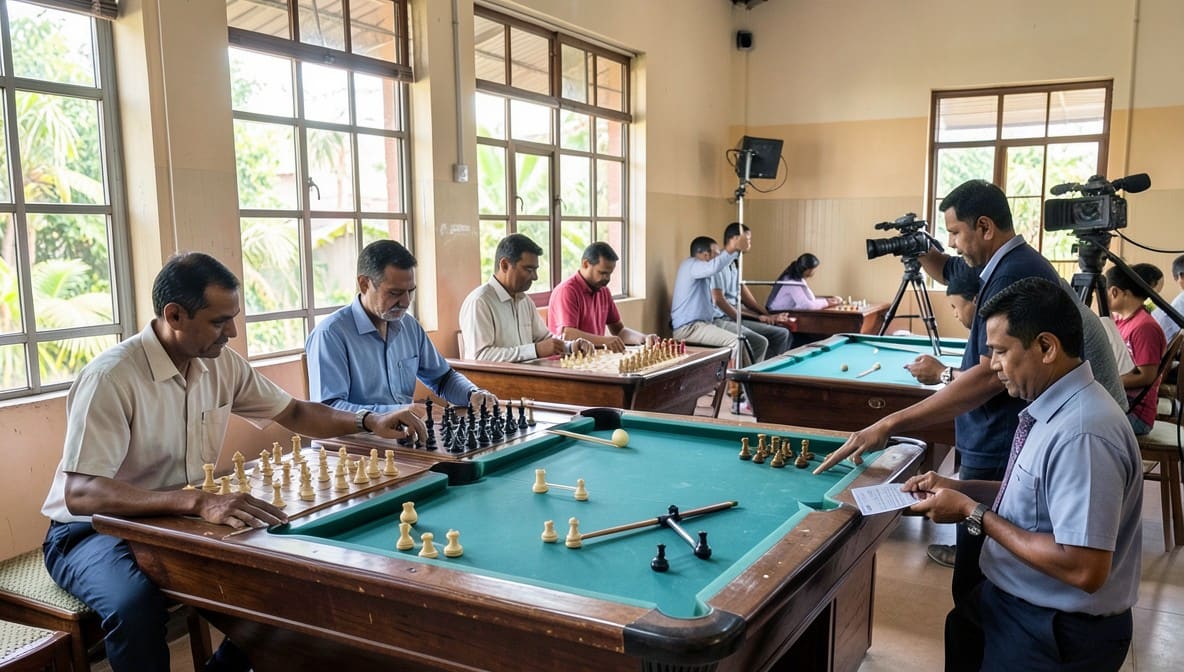
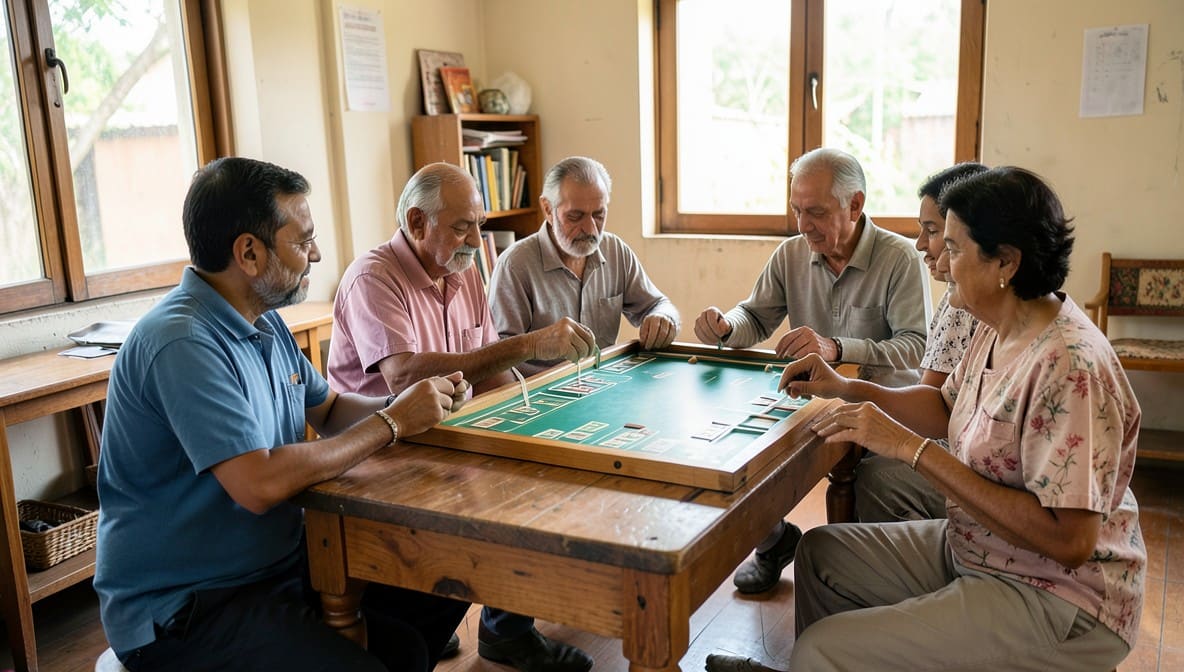
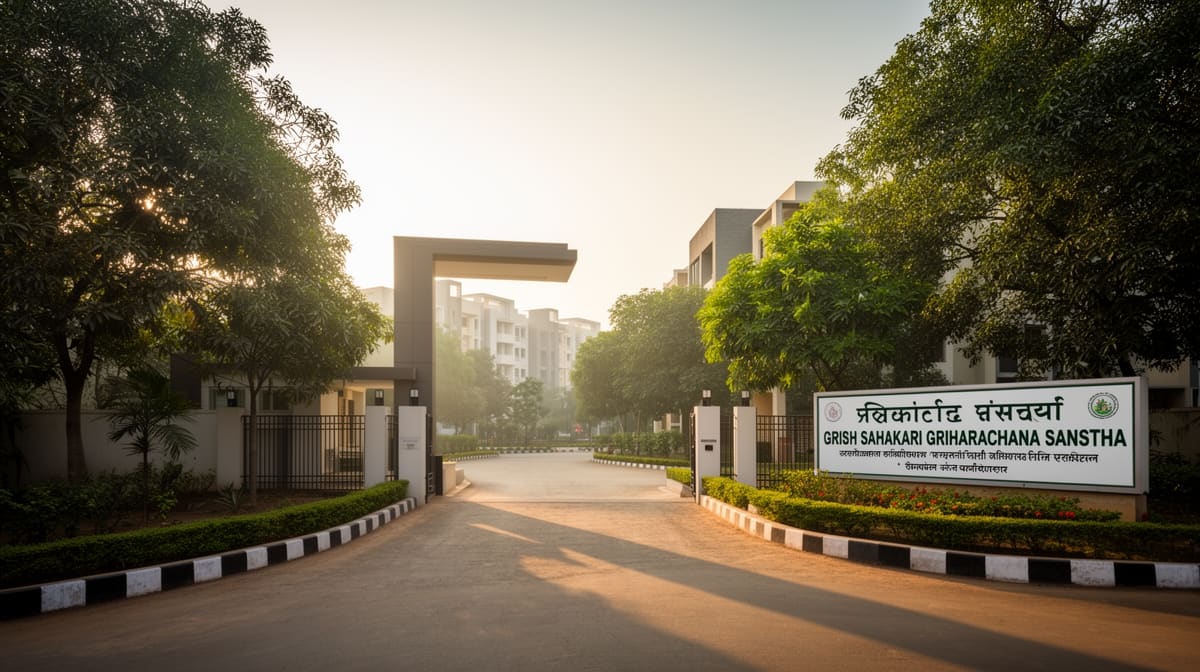
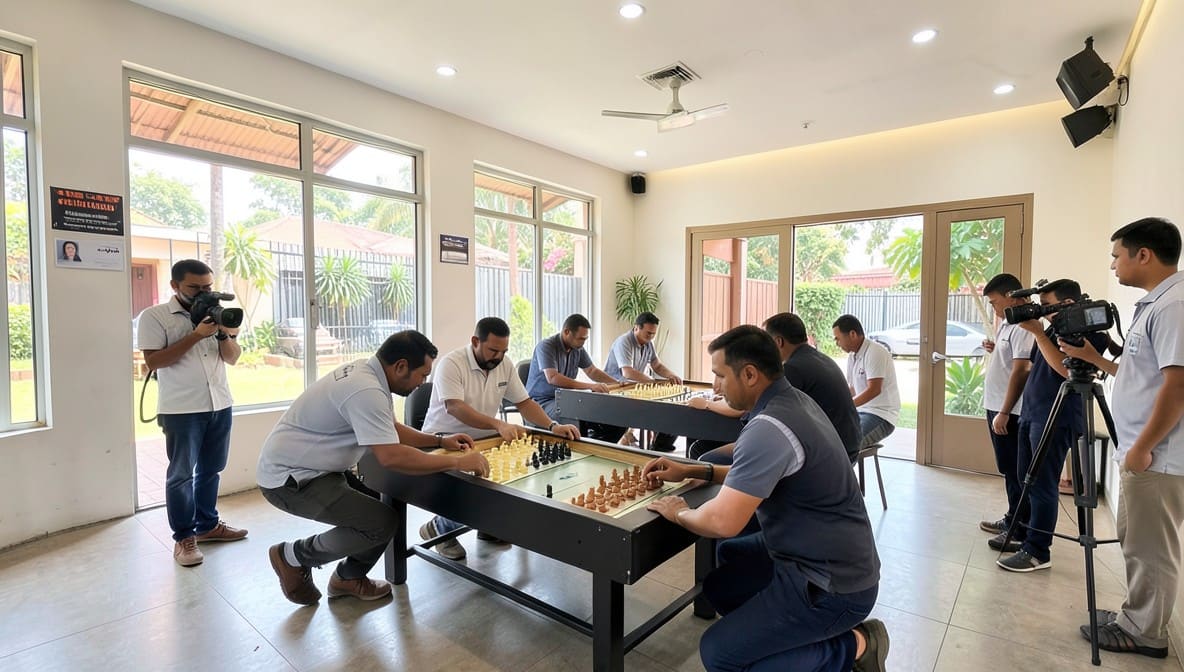
The petitioner, Rich Sports and Recreation Association, a registered society under the Karnataka Societies Registration Act, operates a recreational club in Kannur, Raichur District. The club engages in sports, cultural, and social activities, including indoor games like rummy, chess, and carrom, exclusively for its members. The respondents, including the Karnataka Government and local police authorities, insisted that the petitioner obtain a license under the Karnataka Police Act, 1963, to conduct these activities. The petitioner challenged this requirement, arguing that its member-only operations do not fall within the purview of the Act.
Key Facts
- The petitioner is a registered society (Registration No. DRRH/SOR/349/2025-26/601 dated 21.11.2025) under the Karnataka Societies Registration Act.
- The club restricts entry to its members only; outsiders are not permitted to participate in its activities.
- The respondents demanded that the petitioner obtain a license under Sections 6 and 7 of the Karnataka Police Act, 1963, to conduct its activities.
- The petitioner contended that its activities do not constitute "public amusement" as defined under the Act and thus do not require a license.
Procedural History
- 22.02.2023: The High Court passed an interim order in WP No. 101026/2023 (referred to as Annexure-E-2), which forms the basis for the present petition.
- 2026: The present writ petition (WP No. 202025 of 2026) was filed under Article 226 of the Constitution of India, seeking a writ of mandamus to exempt the petitioner from licensing requirements.
- The matter was heard preliminarily on 03.06.2026, with the respondents represented by the Additional Government Advocate (AGA).
Relief Sought
The petitioner sought the following reliefs:
- A declaration that the petitioner does not require a license under the Karnataka Police Act, 1963, or any other licensing order for conducting member-only recreational activities.
- Directions to the respondents to refrain from insisting on a license for the petitioner’s lawful activities.
The Legal Issue
The central question before the Court was whether a registered recreational club, restricting its activities exclusively to its members, is required to obtain a license under Sections 6 and 7 of the Karnataka Police Act, 1963, for conducting indoor and outdoor games, cultural, and social activities.
Arguments Presented
For the Petitioner
- The petitioner argued that its activities are restricted to members only and do not constitute "public amusement" as defined under Section 2(14) and 2(15) of the Karnataka Police Act, 1963.
- Reliance was placed on the principle that member-only clubs, by their very nature, do not fall within the regulatory ambit of the Act, which is designed to control public amusements.
- The petitioner contended that the respondents’ demand for a license was arbitrary and violated the petitioner’s right to carry on lawful activities under Article 19(1)(g) of the Constitution of India.
For the Respondents
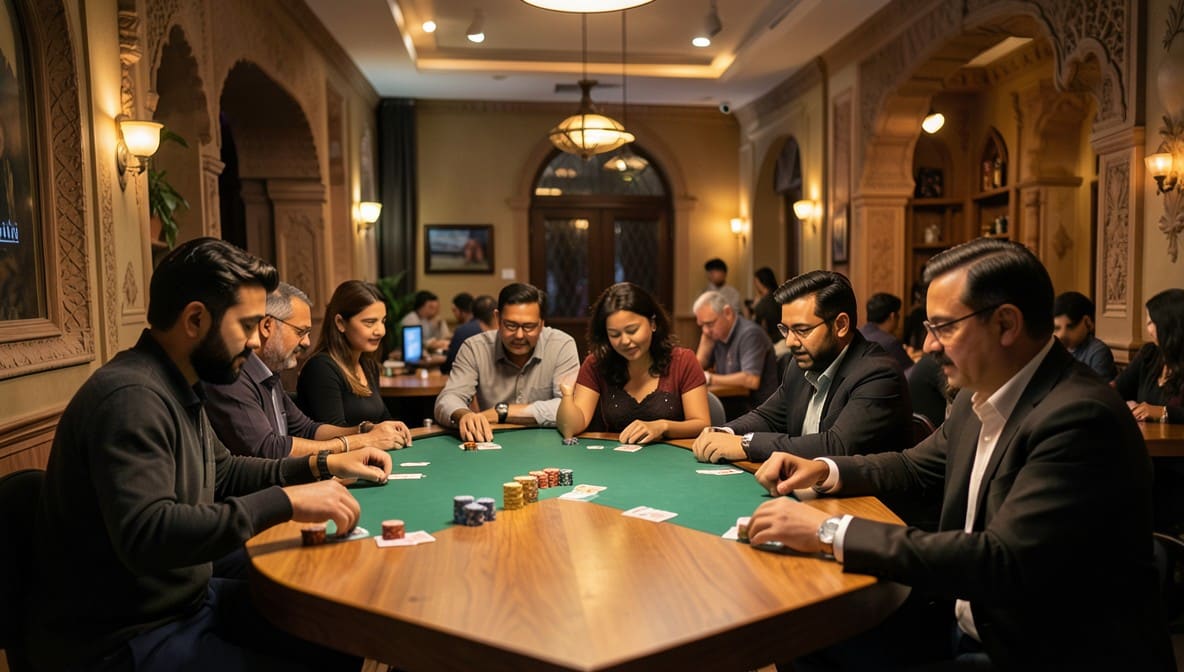
- The respondents, represented by the AGA, argued that the petitioner’s activities could potentially involve games of chance or unlawful conduct, warranting regulatory oversight.
- Reference was made to W.A. No. 728/2020, disposed of on 18.01.2021, wherein the Division Bench of the High Court had examined a similar issue and laid down conditions for such clubs.
- The respondents submitted that while a license may not be mandatory, certain safeguards are necessary to prevent misuse of the club’s premises for unlawful activities.
The Court's Analysis
The Court examined the scope of Sections 6 and 7 of the Karnataka Police Act, 1963, which empower the state to regulate and license places of public amusement. The Court observed that the Act defines "public amusement" in a manner that inherently excludes private, member-only clubs. The judgment emphasized the following key points:
-
Member-Only Clubs Are Not Public Amusements: The Court held that the petitioner’s club, being accessible only to its members, does not qualify as a place of "public amusement" under the Act. The regulatory framework of the Act is intended to govern spaces open to the general public, not private associations.
"The petitioner’s association, being a registered society, restricts its activities to its members. There is no element of public access or commercial gain, which are the primary concerns of the Karnataka Police Act, 1963."
-
Precedent and Conditions: The Court noted that the issue had been previously addressed in W.A. No. 728/2020, wherein the Division Bench had laid down conditions for recreational clubs to operate without licenses. The present judgment adopted these conditions to ensure that the petitioner’s activities remain lawful and do not devolve into games of chance or unlawful conduct.
-
Balancing Rights and Regulation: While the Court upheld the petitioner’s right to conduct its activities without a license, it underscored the need for safeguards to prevent misuse. The conditions imposed (detailed in the verdict) strike a balance between the petitioner’s fundamental right to association and the state’s interest in preventing unlawful activities.
The Verdict
The Court disposed of the writ petition with the following directions and conditions:
-
Exemption from Licensing: The petitioner is not required to obtain a license under the Karnataka Police Act, 1963, or any other licensing order for conducting its member-only recreational activities.
-
Conditions Imposed: The petitioner must comply with the following conditions:
- CCTV Installation: Install CCTV cameras at all access points and areas where games are played within six weeks from the date of the judgment. The footage must be retained for at least 15 days and made available to the jurisdictional police upon request.
- Identity Cards: Issue identity cards to all members, which must be produced during police raids or surveillance.
- No Non-Members: Prohibit non-members or guests from using the premises for any activities.
- No Games of Chance: Ensure that no games of chance (as defined under Explanation (II) of Sub-Section (7) of Section 2 of the Karnataka Police Act, 1963) are played, and no member profits from any game.
- Unlawful Activities: Implement mechanisms to prevent unlawful activities. If any game is found to violate the law, the jurisdictional police are empowered to take action against the petitioner and offenders.
- Police Visits: Allow periodic visits by the jurisdictional police to the premises, either routinely or based on information about unlawful activities.
- No Interference with Lawful Activities: The respondents are directed not to interfere with the petitioner’s lawful recreational activities.
-
Clarification: The judgment clarifies that the jurisdictional police retain the power to invoke provisions of the Karnataka Police Act, 1963, and take action if any unlawful or immoral activities are detected.
What This Means For Similar Cases
Clubs Restricting Access to Members Are Exempt from Licensing
- Legal Principle: Recreational clubs that restrict access to their members and do not engage in commercial or public activities are exempt from licensing requirements under the Karnataka Police Act, 1963. This judgment reinforces the distinction between private associations and places of public amusement.
- Practical Implication: Clubs operating on a member-only basis can rely on this judgment to resist arbitrary demands for licenses, provided they comply with the conditions laid down by the Court.
Conditions for Compliance Are Non-Negotiable
- CCTV and Identity Cards: The judgment mandates the installation of CCTV cameras and issuance of identity cards to members. Clubs must ensure compliance with these conditions to avoid regulatory action.
- No Games of Chance: Clubs must strictly prohibit games involving stakes or profit. This condition aligns with the Karnataka Police Act, 1963, which seeks to prevent gambling and unlawful activities.
- Police Oversight: The judgment permits police visits to the premises, emphasizing the need for clubs to maintain transparency and lawful conduct.
Balancing Fundamental Rights and State Regulation
-
Article 19(1)(g): The judgment upholds the fundamental right to carry on any occupation, trade, or business, including the right to form associations for lawful purposes. However, this right is not absolute and is subject to reasonable restrictions in the interest of public order.
-
State’s Role: While the state cannot impose arbitrary licensing requirements, it retains the power to regulate activities that may pose a risk to public order or morality. Clubs must ensure their activities remain within the bounds of the law to avoid interference.
-
Actionable Takeaways for Practitioners:
- Advise recreational clubs to restrict access to members only and avoid commercial or public-facing activities.
- Ensure compliance with CCTV and identity card requirements to preempt regulatory challenges.
- Avoid games of chance or activities involving stakes to prevent violations of the Karnataka Police Act, 1963.
- Document all activities and maintain records to demonstrate compliance during police visits or inspections.