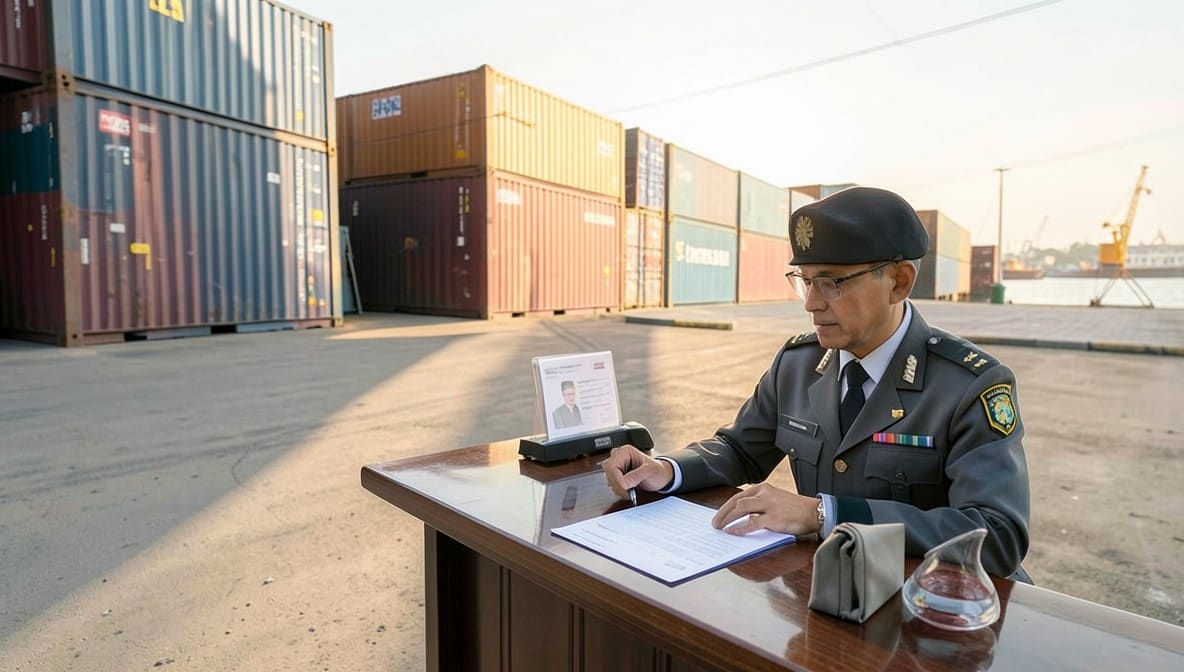
The Central Excise and Service Tax Appellate Tribunal, Hyderabad, has clarified that freight, insurance, and other transit costs must be included in the assessable value for Central Excise duty when the sale is concluded at the buyer’s premises under a FOR contract. This decision resolves a long-standing conflict between precedents and establishes a fact-specific test for determining the place of removal.
Background & Facts
The Dispute
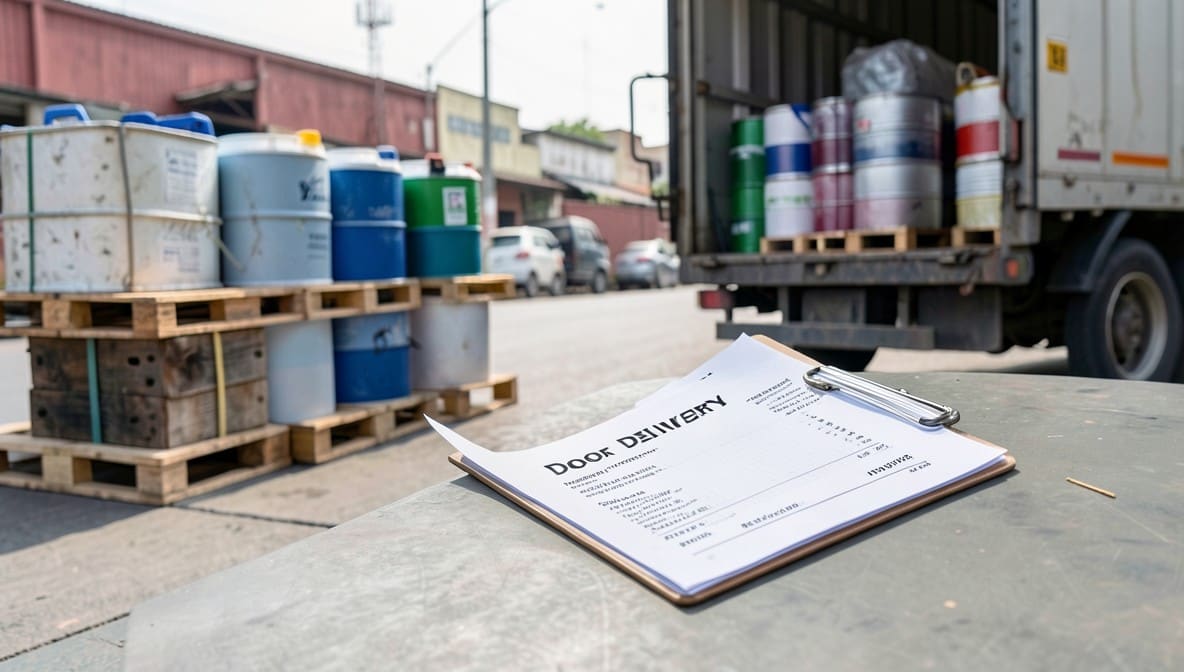
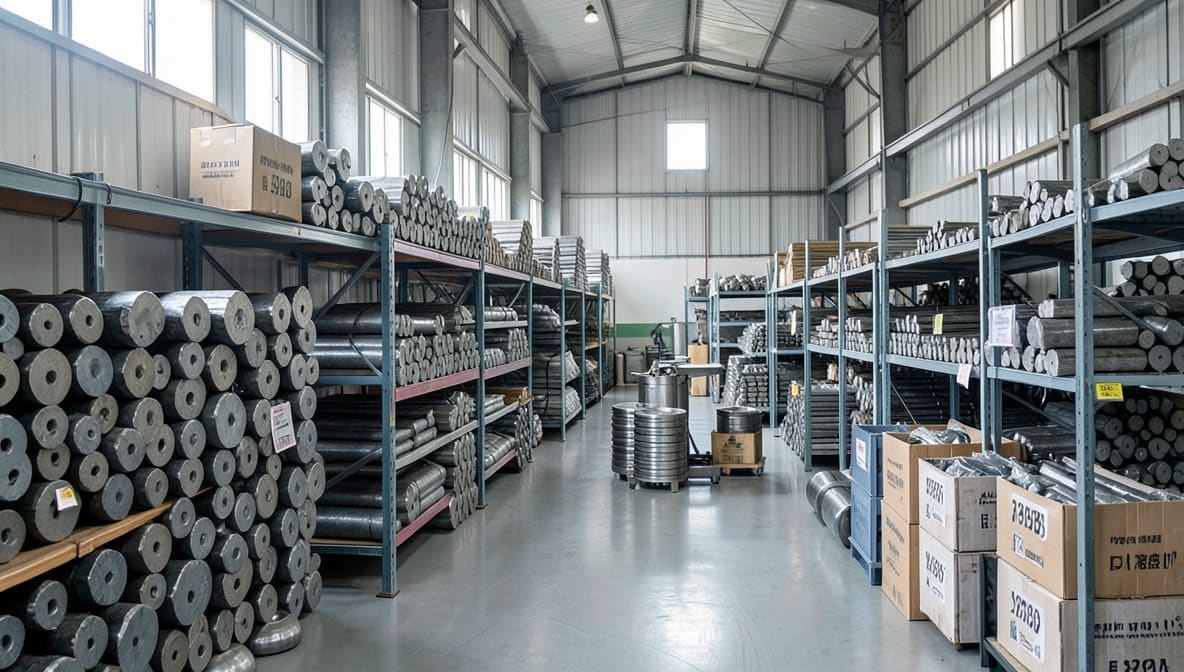
The appellant, M/s KJV Alloy Conductors Pvt Ltd, manufactured alloy conductors and sold them to Electricity Boards under purchase orders specifying delivery on a FOR (Free On Rail/Free On Road) basis. The department alleged that the appellant had excluded freight, insurance, and unloading charges from the assessable value for Central Excise duty, thereby understating liability. The Original Authority issued two Show Cause Notices covering the period from December 2006 to January 2012, demanding duty and penalty. The Commissioner (Appeals) upheld the demand, holding that the place of removal was the buyer’s premises, not the appellant’s factory.
Key Facts
- The appellant’s purchase orders from Southern Power Distribution Company of Andhra Pradesh Ltd explicitly stated that delivery was on FOR basis
- Ownership of goods remained with the appellant until the store officer certified receipt at destination in good condition
- The appellant bore responsibility for packing, forwarding, transit insurance, and unloading charges
- Freight and insurance costs were separately itemized but not included in the transaction value for excise purposes
- The appellant had previously obtained favorable orders from CESTAT Hyderabad (Final Order No. A/30582-30587/2019) and CESTAT Delhi (Final Order No. A/56555/2017), relying on Ispat Industries Ltd (2015)
Procedural History
- December 2006 - January 2012: Period under scrutiny for excise duty assessment
- 2011 - 2012: Show Cause Notices issued by the Original Authority
- 30.01.2012: Commissioner (Appeals) passed Order-in-Appeal No. 06/2013 (H-III), upholding demand
- 2017: CESTAT Delhi allowed appeal in KJV Alloy Conductors Pvt Ltd (Final Order No. A/56555/2017), holding sale was ex-works
- 2019: CESTAT Hyderabad allowed appeal in KJV Alloy Conductors Pvt Ltd (Final Order No. A/30582-30587/2019), relying on Ispat Industries Ltd
- 16.05.2025: CESTAT Hyderabad delivered Pawan Power and Telecom Ltd v. CCT, Medchal (Final Order No. A/30181-30183/2025), holding that FOR contracts require inclusion of freight in assessable value
- 04.12.2025: Hearing before the Division Bench of CESTAT Hyderabad
- 02.04.2026: Final Order passed dismissing the appeal
Relief Sought
The appellant sought reversal of the Commissioner (Appeals)’s order, arguing that the sale was ex-works and that prior favorable orders should prevail. It requested cancellation of the duty demand and penalty, and restoration of the position taken in its earlier successful appeals.
The Legal Issue
The central question was whether freight, insurance, and other transit charges collected from buyers must be included in the assessable value for Central Excise duty when the sale is concluded at the buyer’s premises under a FOR contract, and whether the judgment in Ispat Industries Ltd applies to such factual matrices.
Arguments Presented
For the Appellant
The appellant relied on two prior favorable orders from CESTAT Hyderabad and Delhi, which had held that the sale was ex-works and that Ispat Industries Ltd (2015) was binding. It argued that the transaction value was fixed at the factory gate, and that inclusion of freight in the invoice was merely for accounting or VAT purposes, not for excise valuation. It contended that the Supreme Court in Ispat Industries Ltd had held that buyer’s premises cannot be the place of removal if the title passes at the factory.
For the Respondent
The Revenue argued that the purchase orders clearly indicated a FOR contract, where ownership transferred only upon delivery at destination. It cited Roofit Industries Ltd (2015), EMCO Ltd (2015), and Ultra Tech Cement (2018), all of which held that the place of removal must be determined by the factual matrix, not by rigid labels. It further relied on the recent Pawan Power and Telecom Ltd decision (2025) by the same Bench, which had directly addressed and distinguished Ispat Industries Ltd in similar circumstances.
The Court's Analysis
The Tribunal conducted a detailed review of the contractual terms, emphasizing that the key determinant of the place of removal is not the label (ex-works or FOR) but the actual point at which ownership and risk transfer. The Bench noted that the purchase orders explicitly stated: "ownership of the material rests with the appellant till they are received in good condition at the destination." This was decisive.
"Therefore, in the factual matrix it is obvious that sale has got concluded only at the destination of the buyer and not at the factory gate."
The Court examined the conflicting precedents and concluded that Ispat Industries Ltd was factually distinguishable. In that case, the Supreme Court found that delivery occurred post-sale, and insurance was borne by the transporter, not the seller. Here, the appellant bore the cost and risk of transit until delivery.
The Bench reaffirmed the principle from Roofit Industries Ltd and EMCO Ltd: the place of removal must be determined by the totality of the contractual terms, including transfer of title, risk, and responsibility. It held that the earlier favorable orders in the appellant’s own cases were per incuriam because they failed to consider these binding precedents and the specific terms of the FOR contracts.
The Tribunal also referenced Pawan Power and Telecom Ltd (2025), which had already settled the issue for this Bench, and emphasized that consistency in application of law requires adherence to the correct legal test, not prior inconsistent rulings.
The Verdict
The appeal was dismissed. The Tribunal upheld the Commissioner (Appeals)’s order dated 30.01.2012, confirming that freight, insurance, and transit charges must be included in the assessable value for Central Excise duty. The demand for duty and penalty, as quantified in the original order, stands affirmed. No monetary relief was granted to the appellant.
What This Means For Similar Cases
FOR Contracts Require Fact-Specific Analysis
- Practitioners must now examine the exact contractual terms - especially clauses on ownership, risk, and delivery certification - not just the label (ex-works, FOB, FOR)
- Any attempt to exclude freight or insurance from assessable value under FOR contracts will be rejected if title transfers at destination
Prior Favorable Orders May Be Overruled
- Earlier tribunal decisions in favor of taxpayers under similar facts may be deemed per incuriam if they relied on Ispat Industries Ltd without considering Roofit or EMCO
- Taxpayers cannot claim estoppel or res judicata from prior rulings if the factual matrix has changed or was misapplied
Duty Assessment Must Reflect Actual Transfer Point
-
Assessable value must include all costs borne by the seller until the point of delivery and acceptance by the buyer
-
This applies to all goods sold under FOR, CIF, or similar terms where risk and title pass at destination
-
Always review purchase orders for clauses on: ownership transfer, condition of delivery, responsibility for transit, and insurance
-
Do not assume ex-works status based on invoice structure alone
-
If the buyer’s acceptance is required for completion of sale, the place of removal is the buyer’s premises
-
The burden shifts to the assessee to prove that title passed before transit, not after
-
This ruling aligns Central Excise valuation with GST principles under Section 15 of the CGST Act, which also includes incidental charges up to delivery point